Palermo: A City Where Every Street Tells a Story
There are few places in Italy that feel as vibrant, layered, and captivating as Palermo. The capital of Sicily is a city of contrasts, where Arab, Norman, Byzantine, and Baroque influences blend together to create a destination unlike anywhere else in Europe. From bustling markets and grand piazzas to centuries-old churches and golden-hued palaces, Palermo invites visitors to slow down and immerse themselves in its rich history.
First Impressions of Palermo
Arriving in Palermo is an experience in itself. The city buzzes with energy, scooters weave through narrow streets, and the aroma of freshly baked arancini drifts from local cafés. Every corner reveals a glimpse into Palermo’s fascinating past, reflecting the many civilizations that have shaped the city over the centuries.
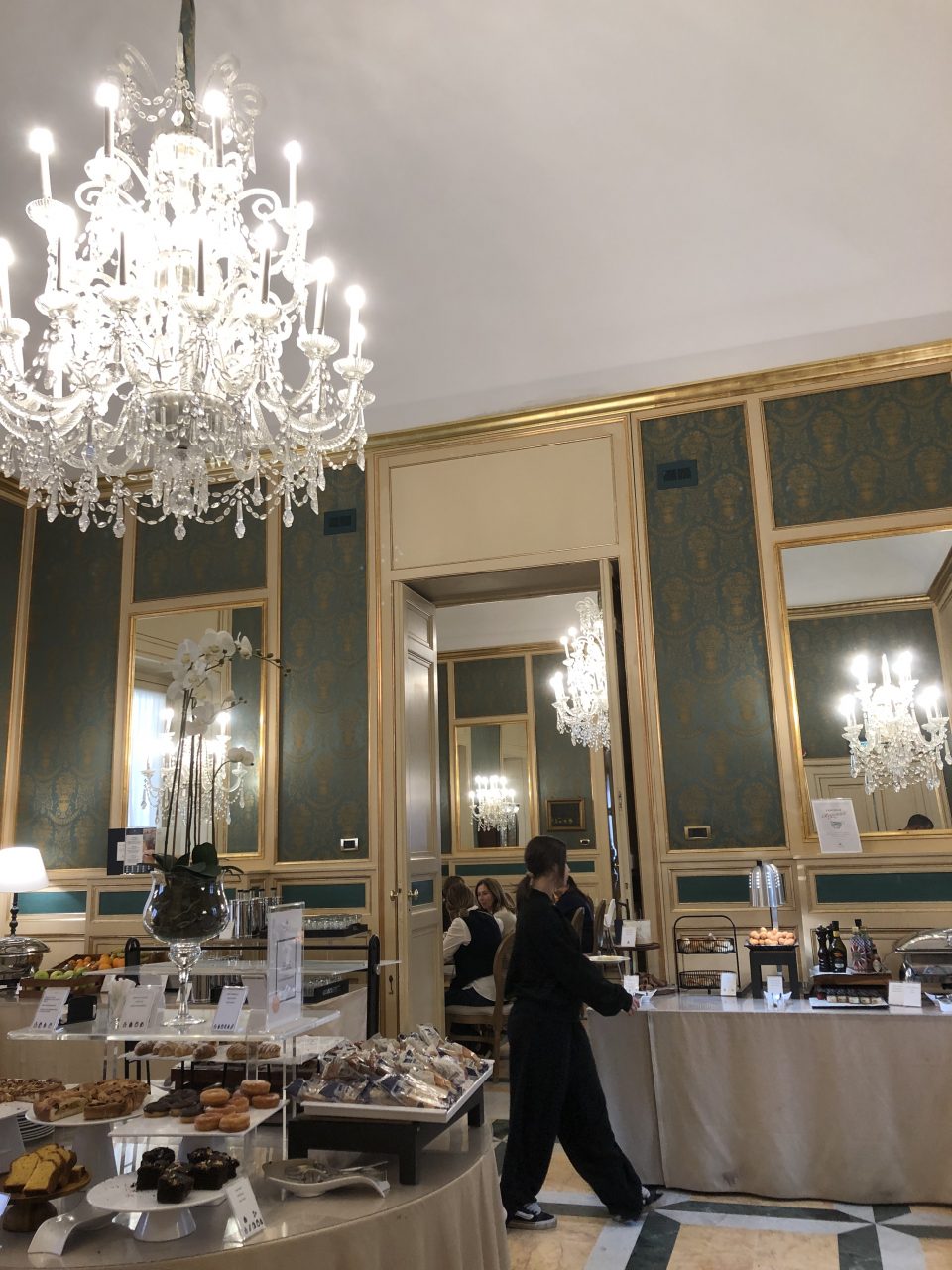
One of the best ways to experience Palermo is simply to wander. Hidden courtyards, colourful markets, and stunning architecture appear unexpectedly, turning an ordinary walk into a journey through time.
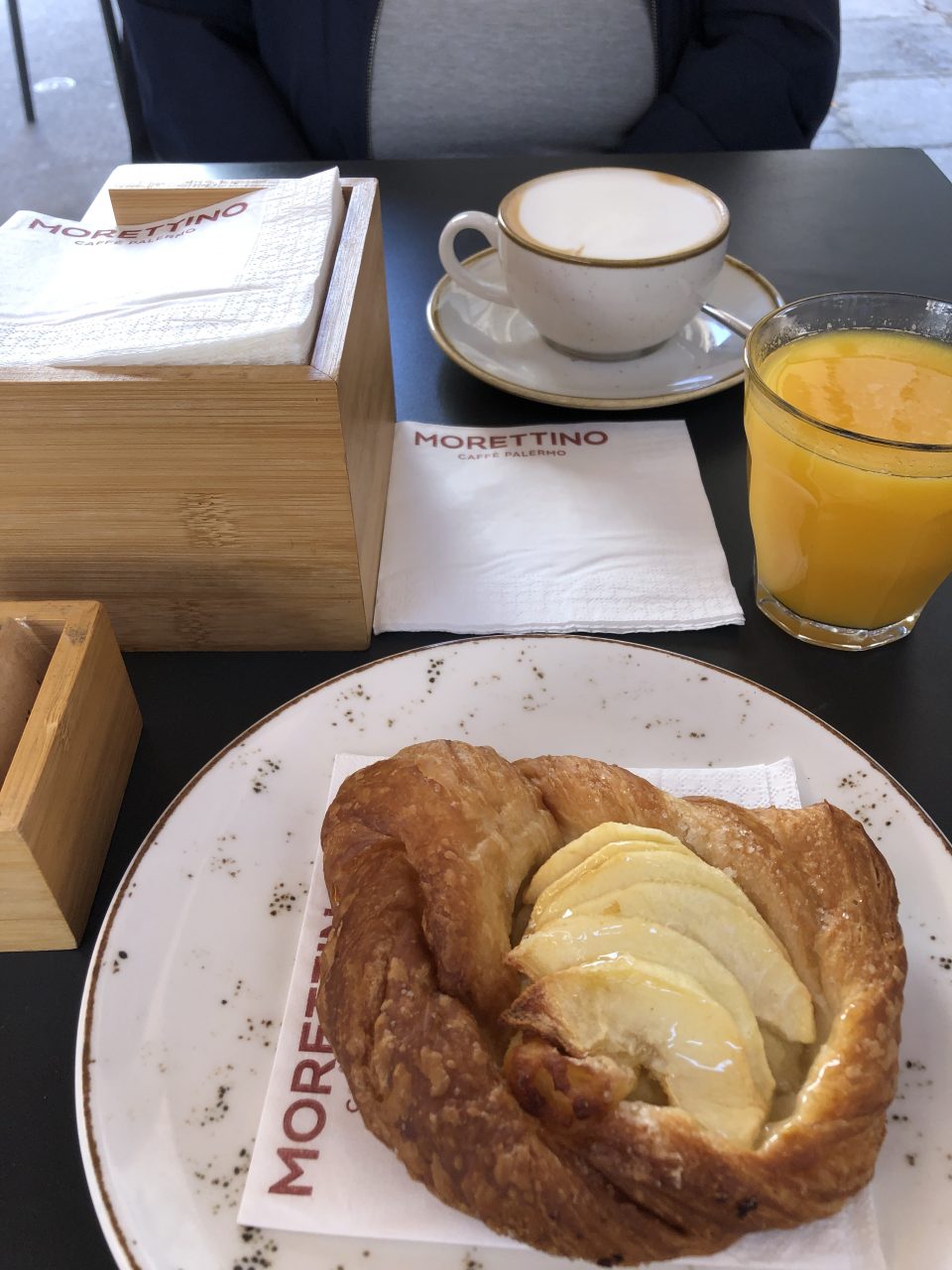
The Heart of Palermo: Quattro Canti
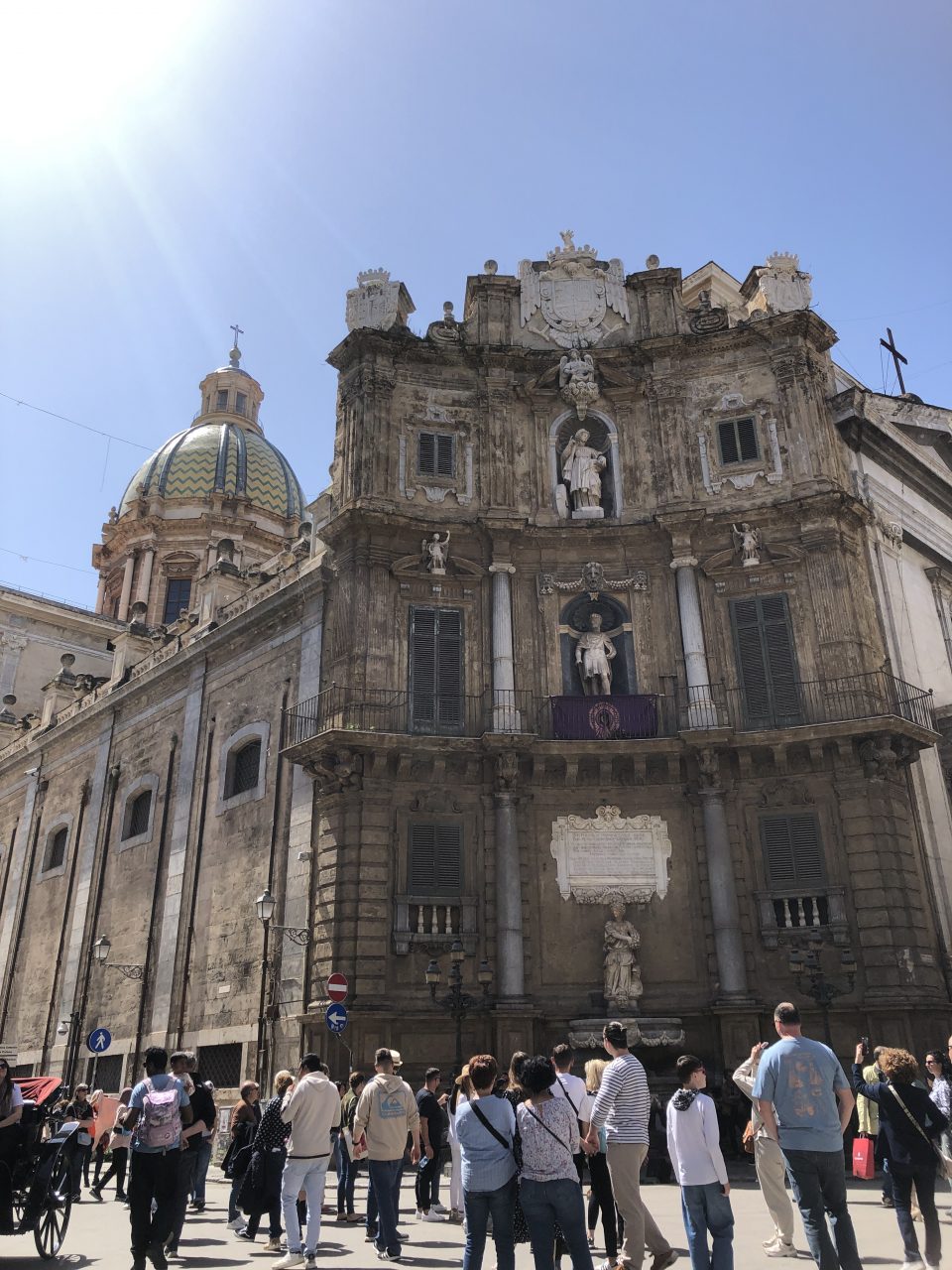
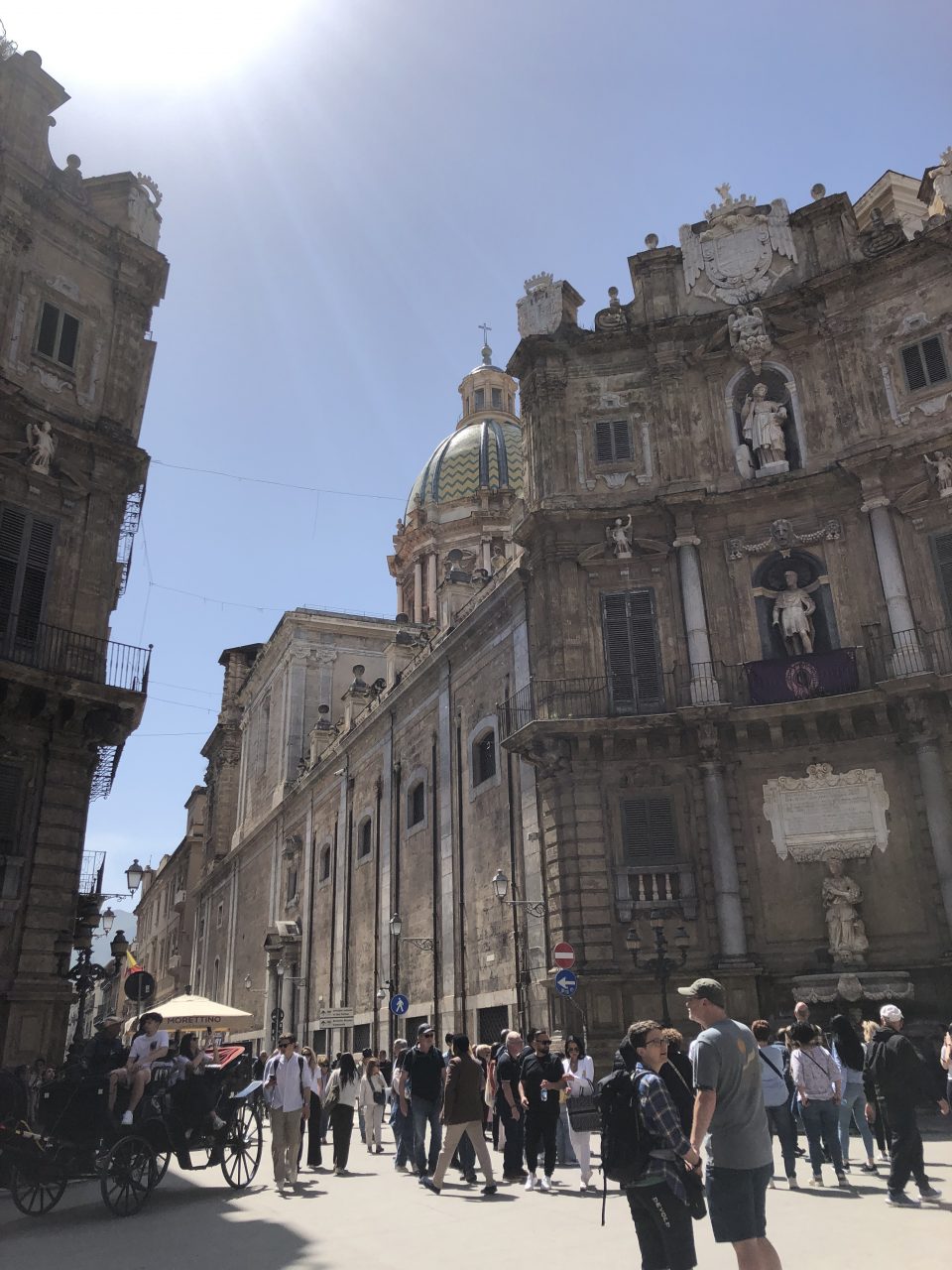
No exploration of Palermo is complete without a visit to Quattro Canti, the city’s most famous square and one of its most photographed landmarks. Officially known as Piazza Vigliena, this elegant Baroque intersection marks the meeting point of Palermo’s two historic main streets, Via Maqueda and Corso Vittorio Emanuele.
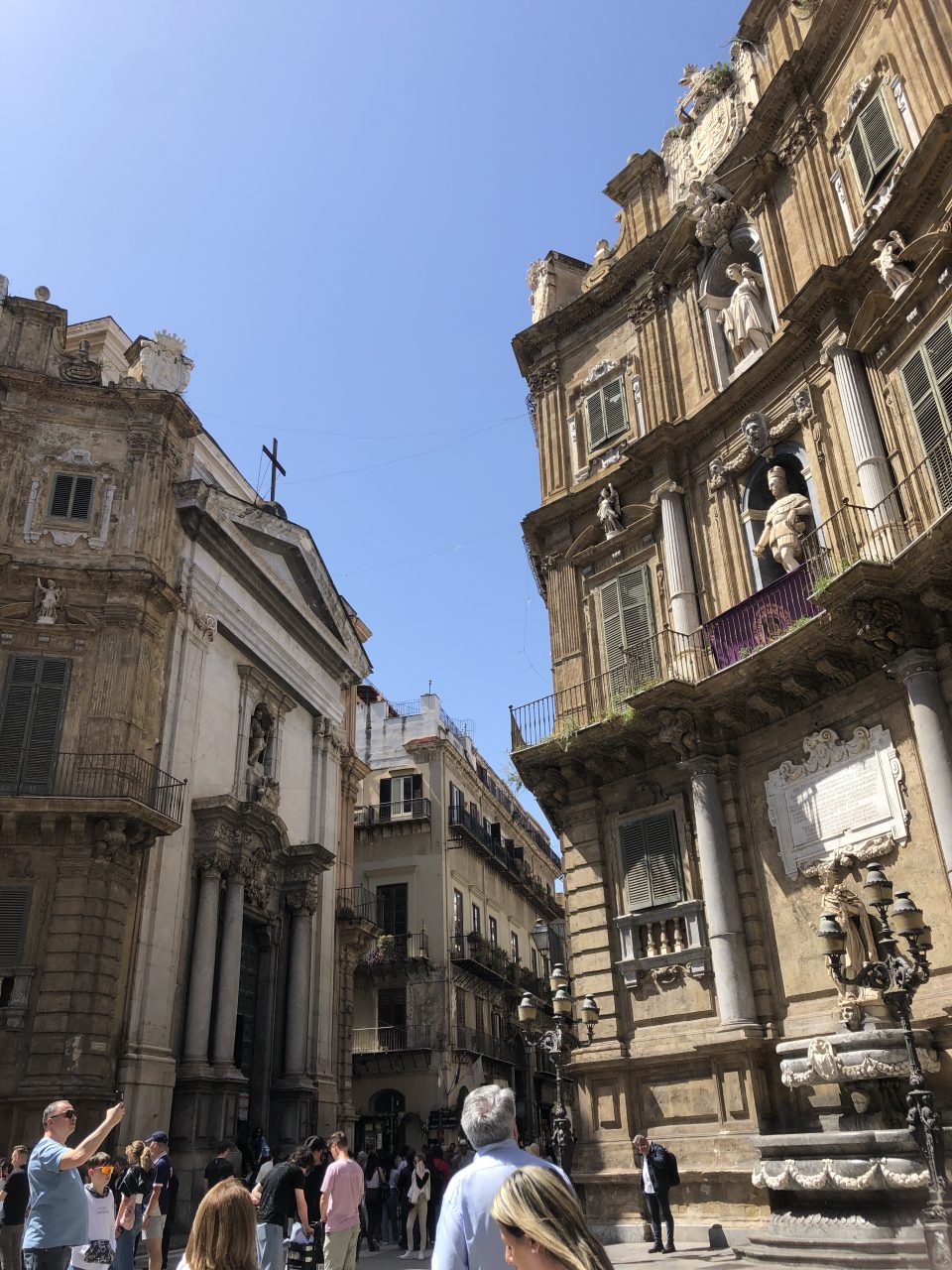
Built in the early 17th century, Quattro Canti is renowned for its four symmetrical façades, each adorned with fountains, statues, and ornate architectural details representing the seasons, the Spanish kings of Sicily, and Palermo’s patron saints. Throughout the day, sunlight moves across the square, illuminating each corner in turn and creating a captivating display of light and shadow.
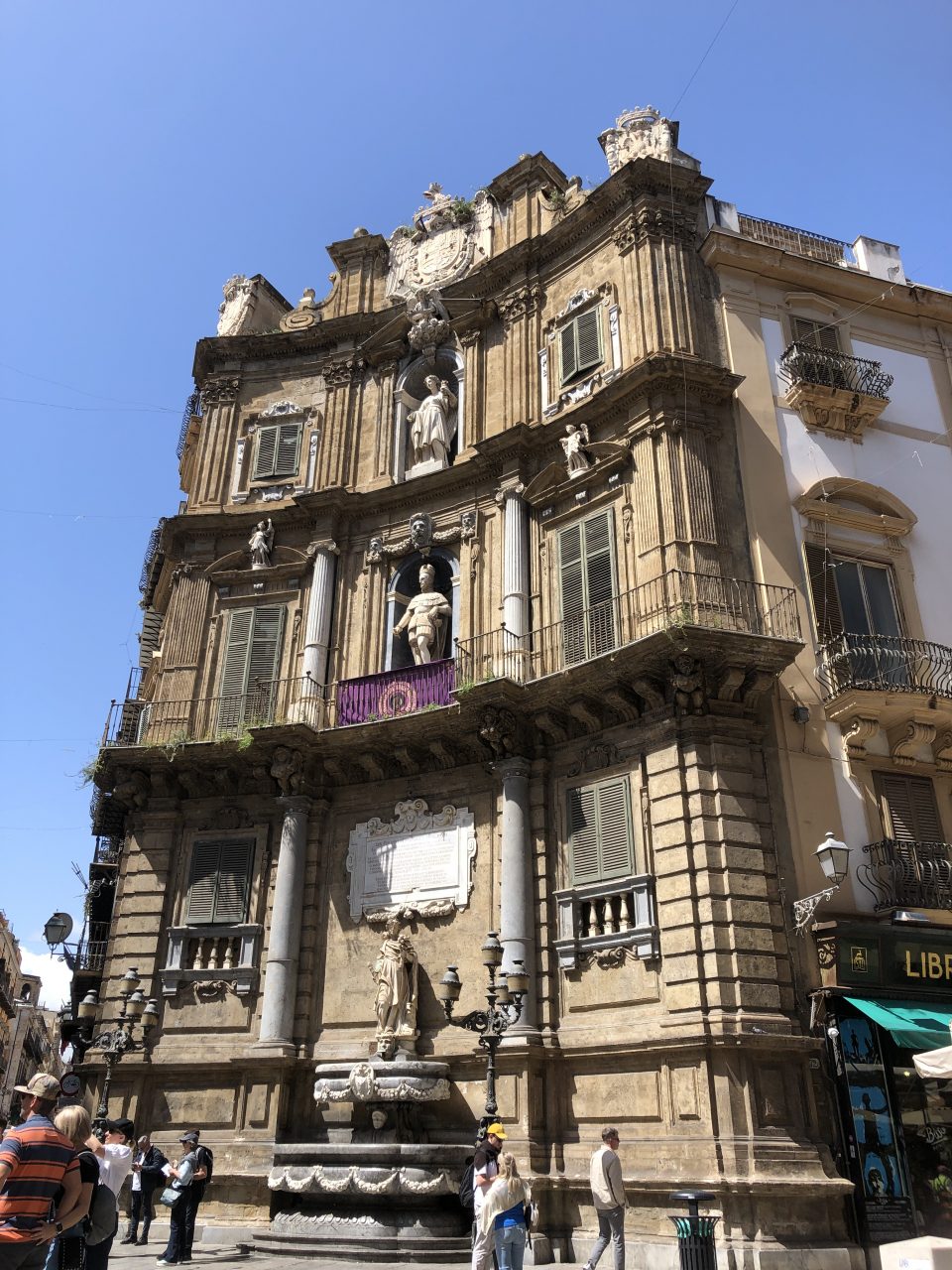
Surrounded by bustling cafés, historic churches, and lively streets, Quattro Canti serves as the perfect starting point for discovering the rich cultural heritage and vibrant atmosphere that make Palermo so unforgettable.
The Timeless Beauty of the Church of San Cataldo
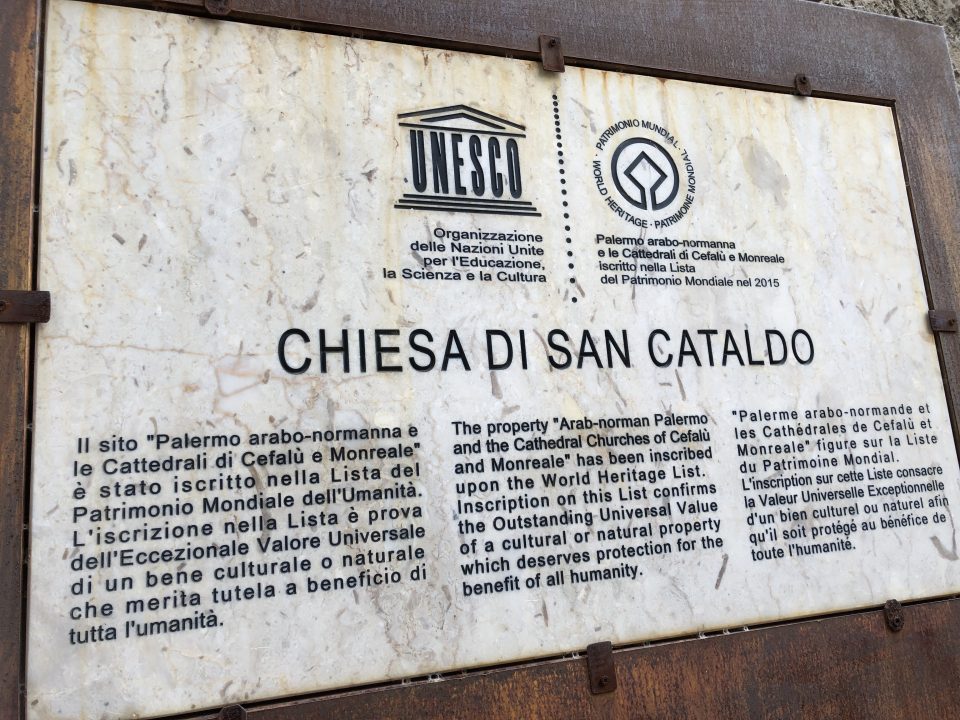
Among Palermo’s architectural treasures, the Church of San Cataldo stands out for its striking simplicity and unique design. Easily recognised by its three distinctive red domes, the church is one of the finest examples of Arab-Norman architecture in Sicily.
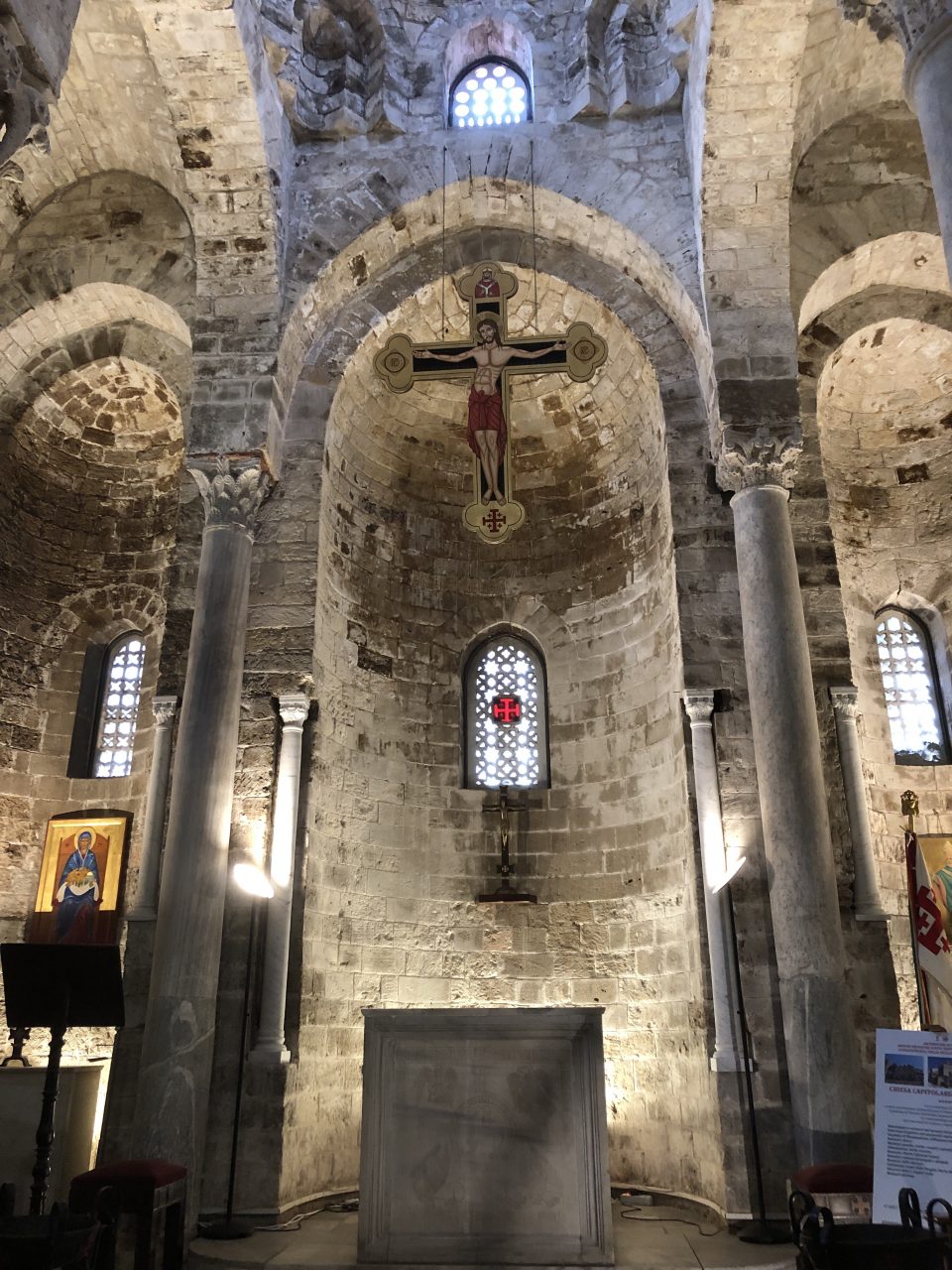
Built in the 12th century, San Cataldo offers a peaceful contrast to the lively streets outside. Its interior is remarkably understated, with clean lines and minimal decoration that draw attention to the building’s elegant structure. As sunlight filters through the windows, the stone walls take on a warm glow, creating a serene atmosphere that encourages quiet reflection.
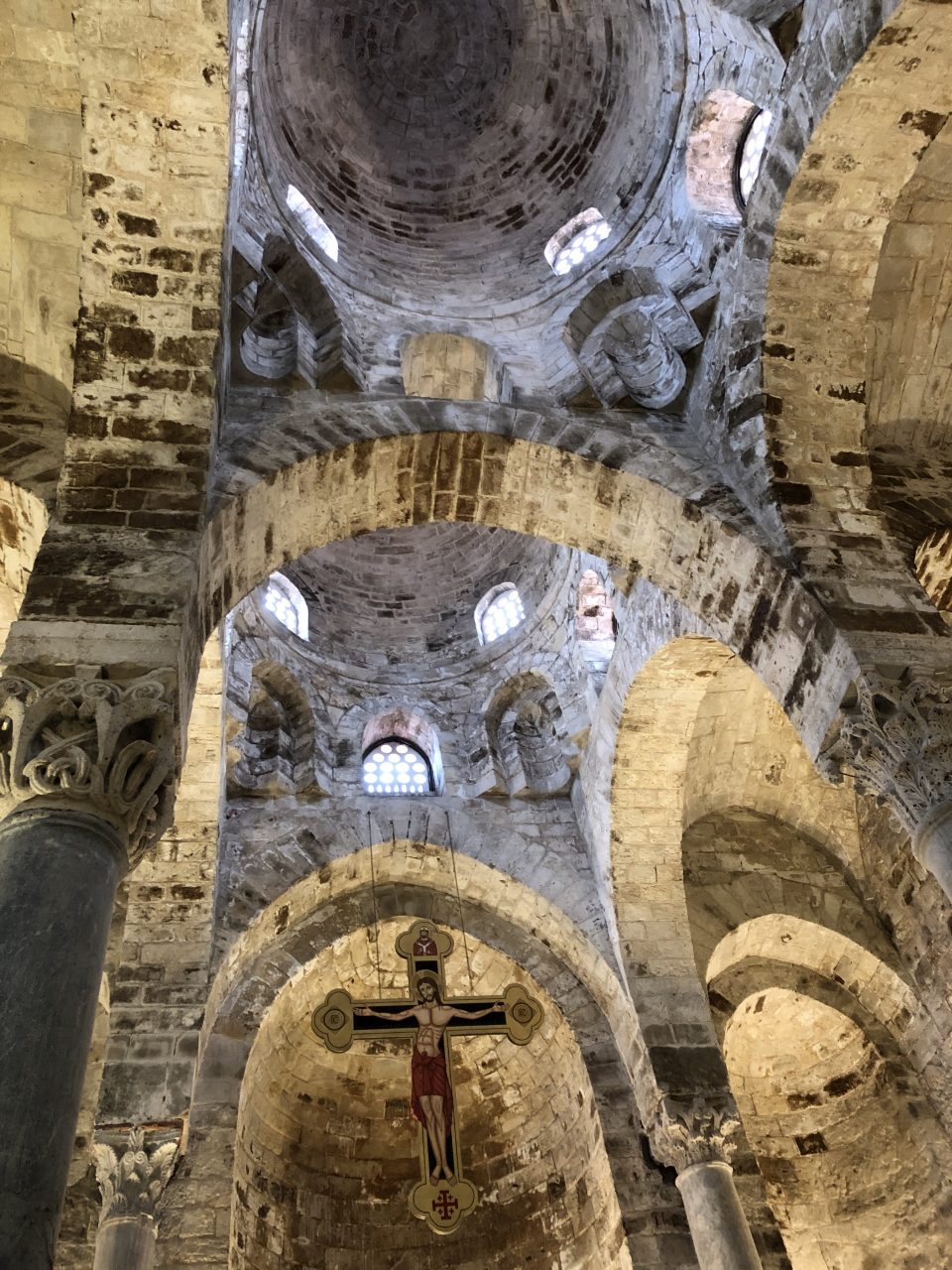
Standing in Piazza Bellini, surrounded by neighbouring historic buildings, the Church of San Cataldo provides a fascinating glimpse into the multicultural influences that helped shape Palermo’s identity.
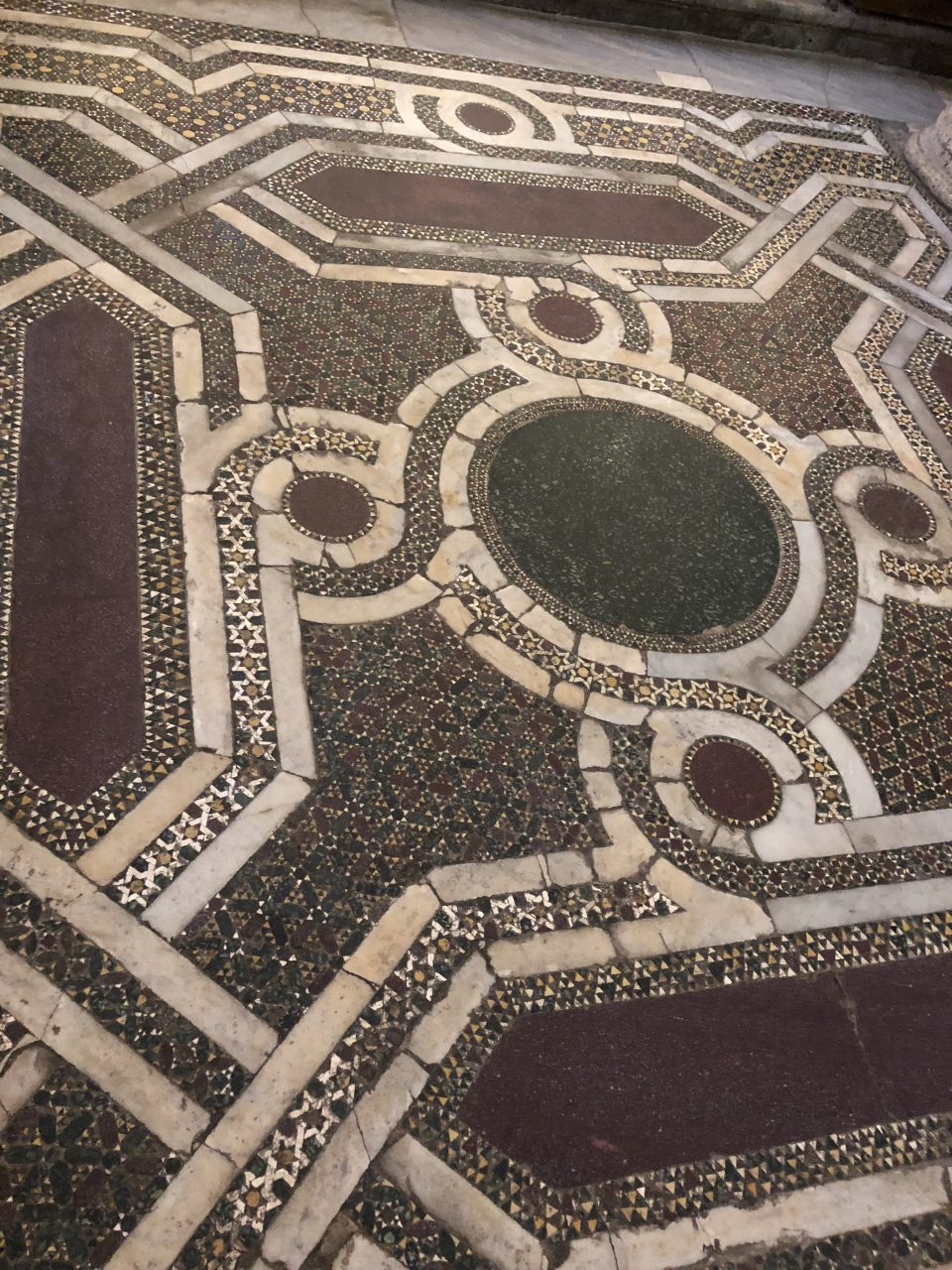
Discovering the Magnificence of Palermo Cathedral
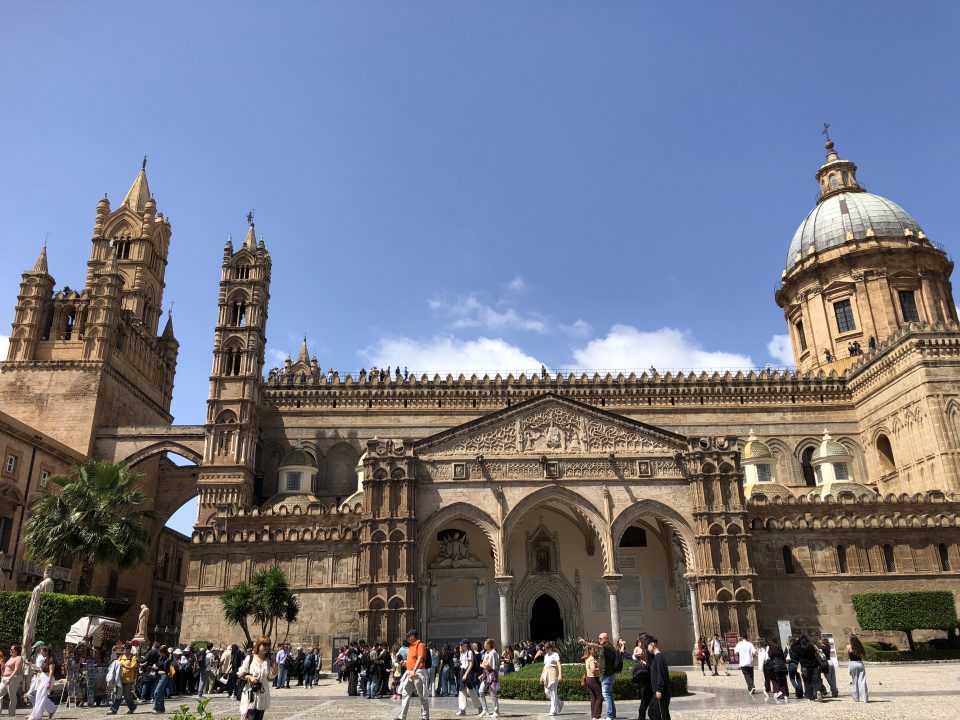
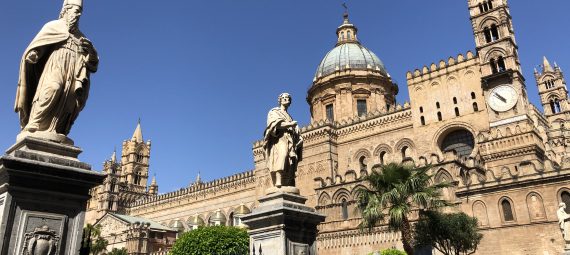
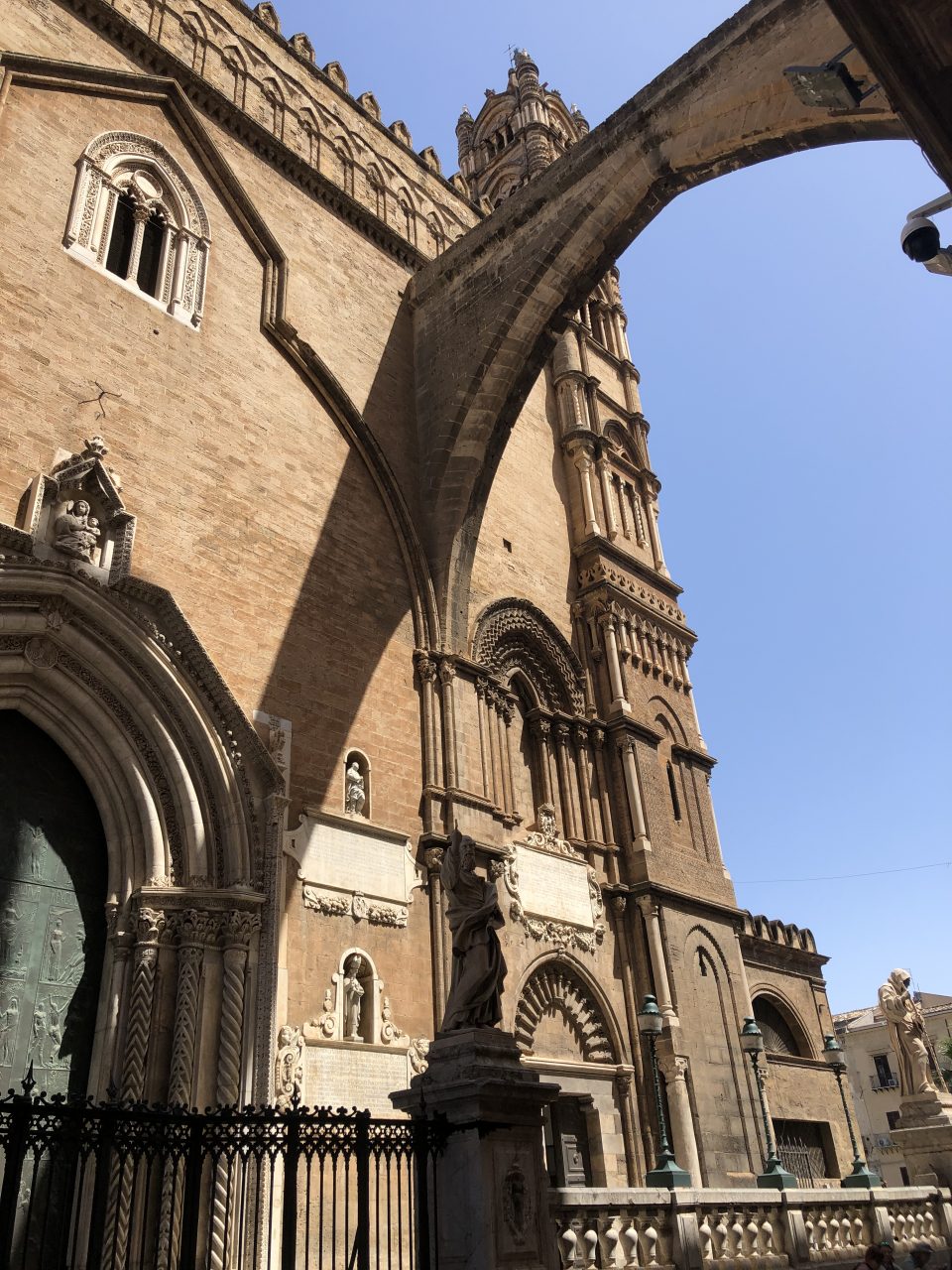
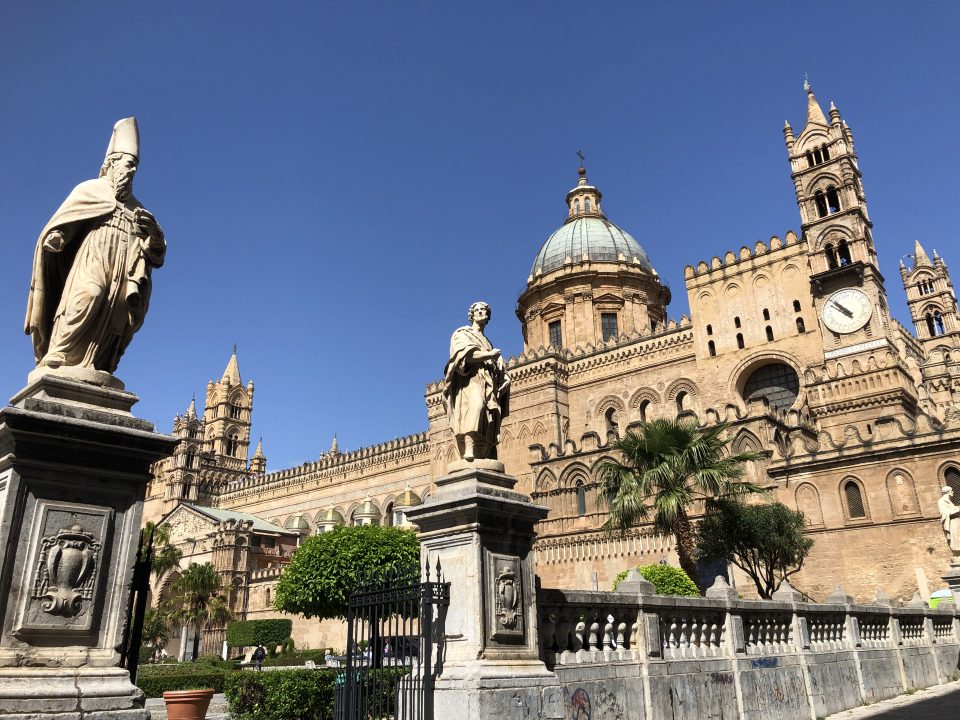
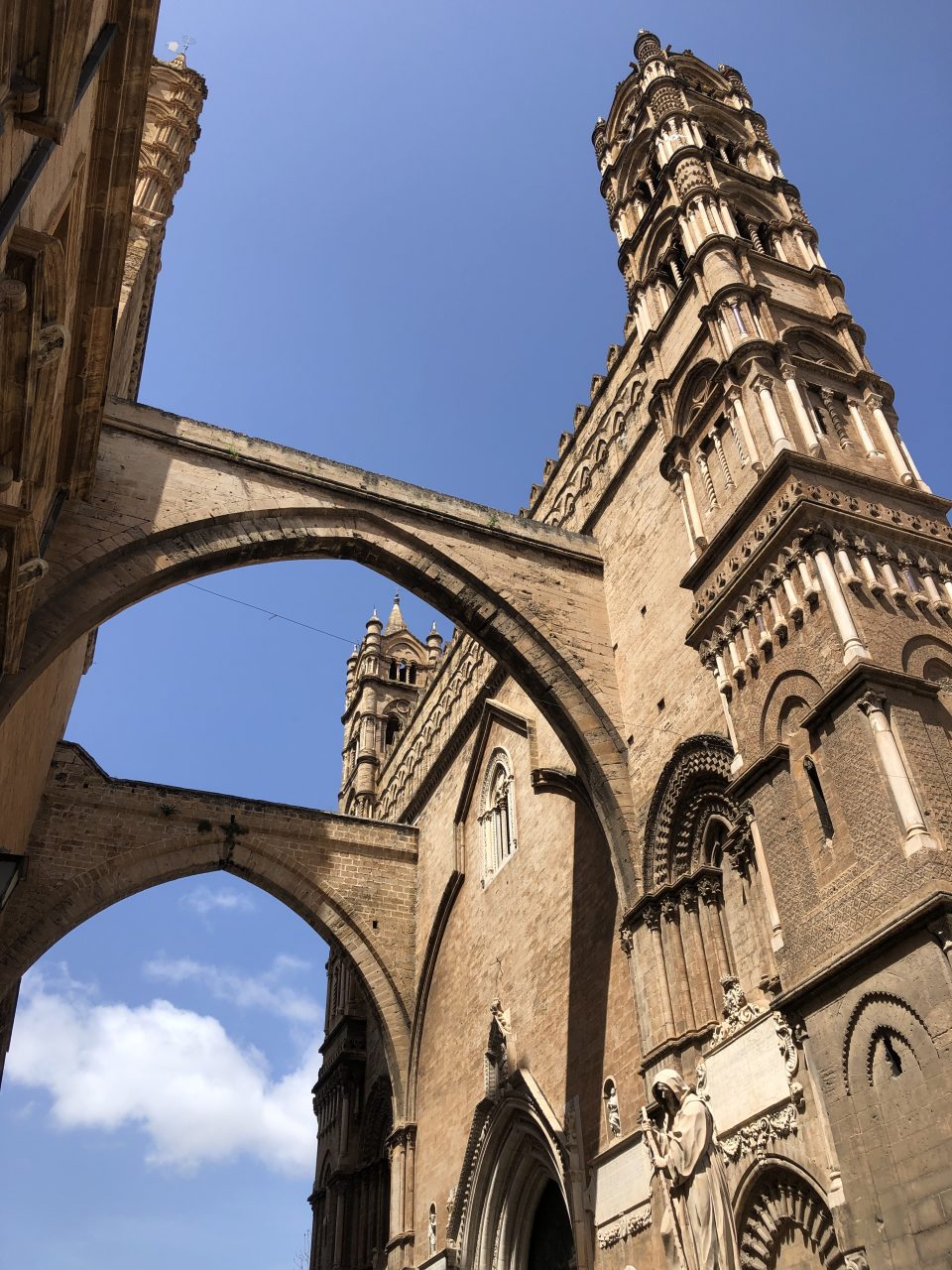
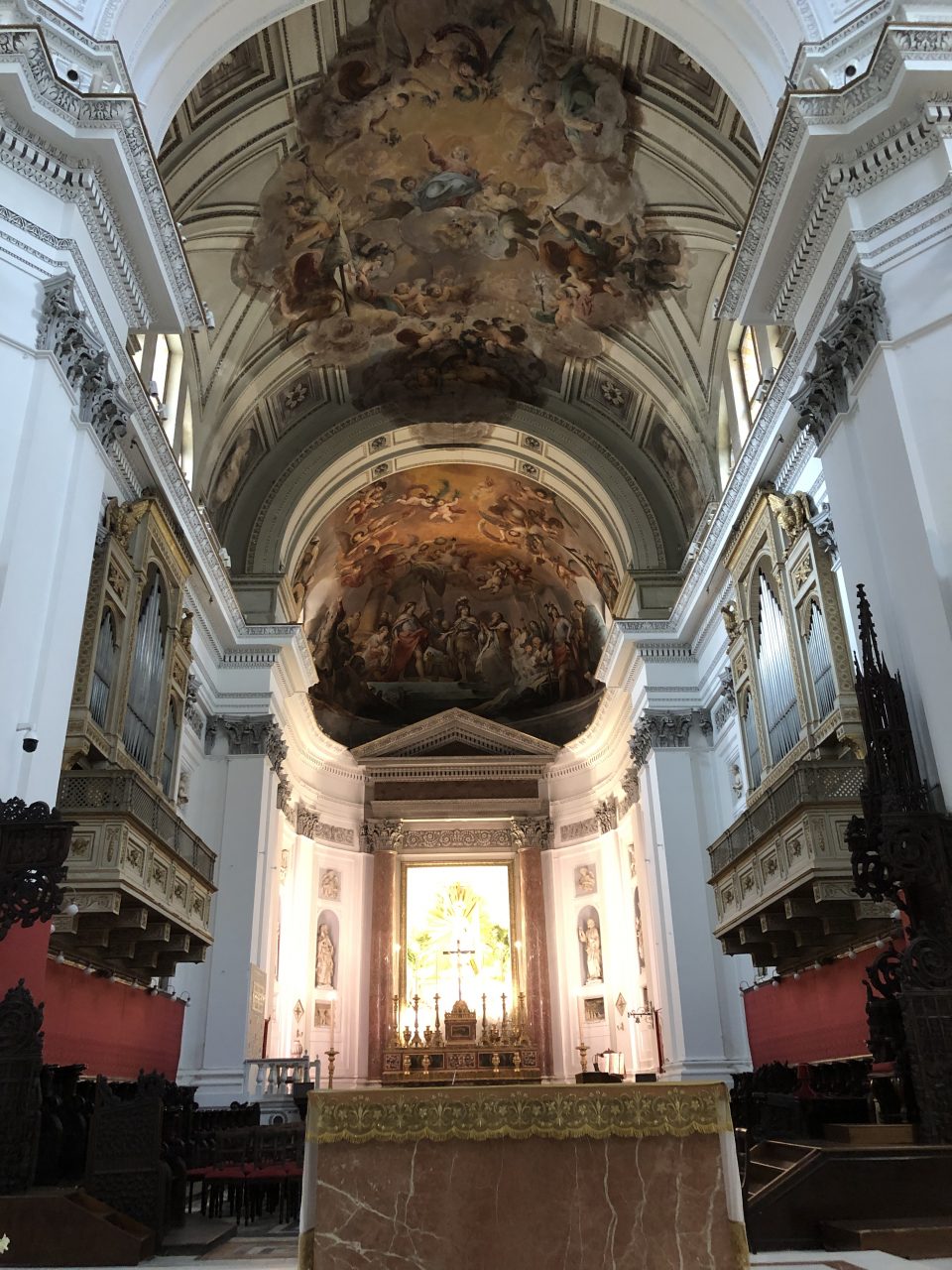
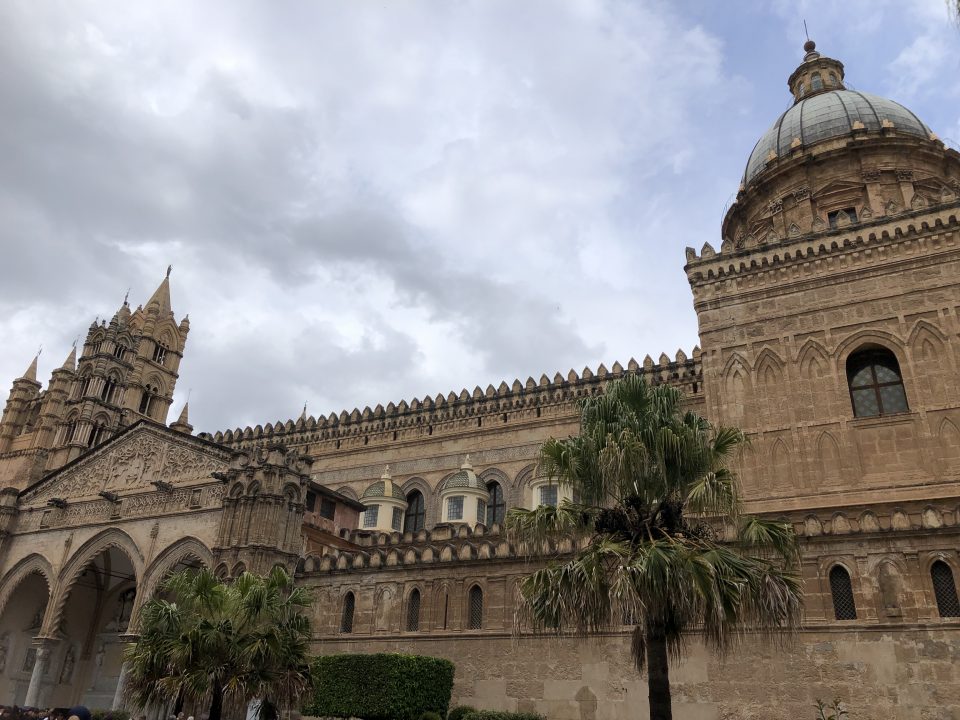
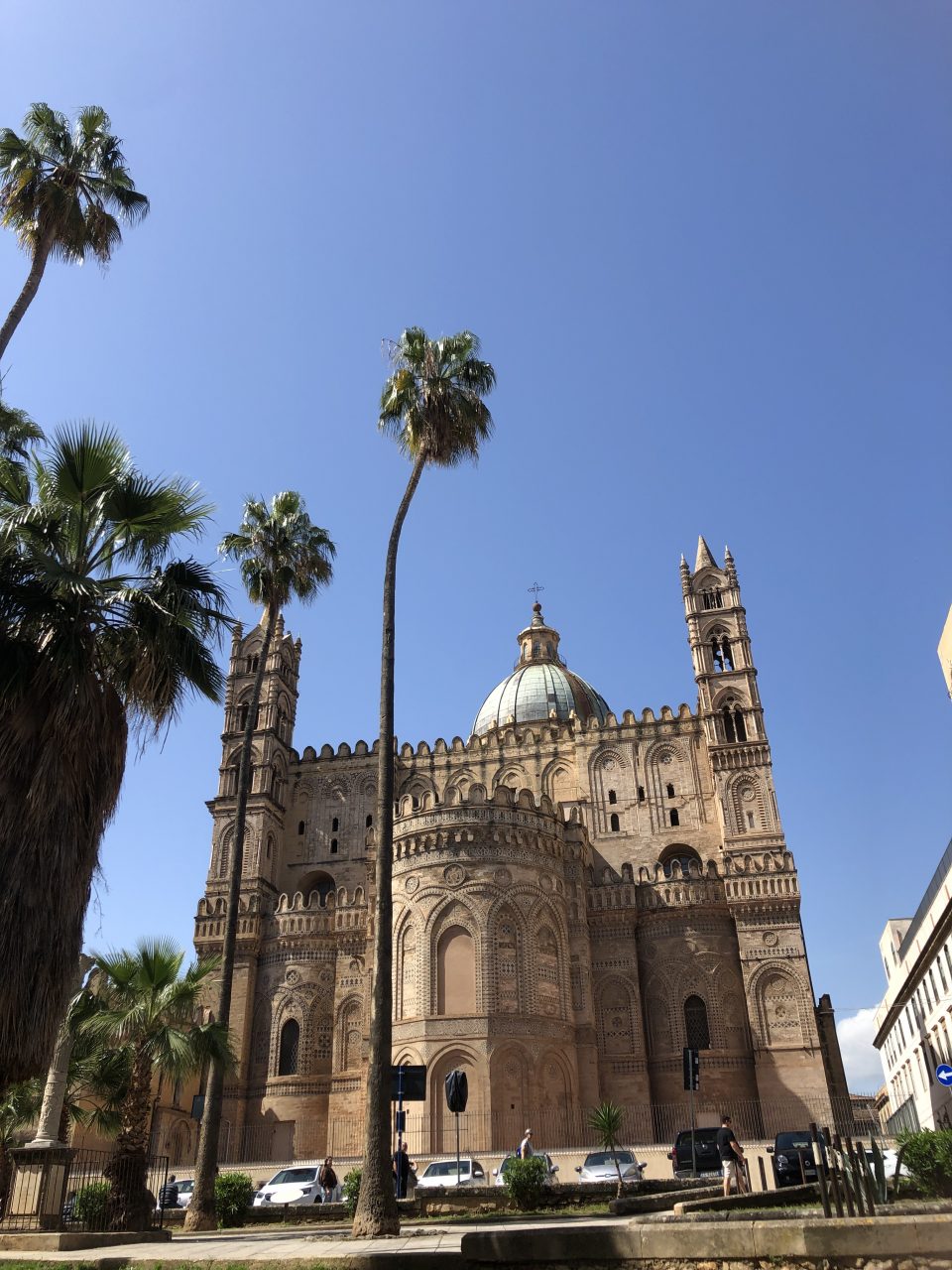
A short walk away, visitors encounter one of the city’s most iconic landmarks: Palermo Cathedral. This impressive structure tells the story of Sicily’s complex history through its architecture. Over the centuries, the cathedral has evolved through multiple styles, incorporating Norman, Gothic, Renaissance, and Neoclassical elements.
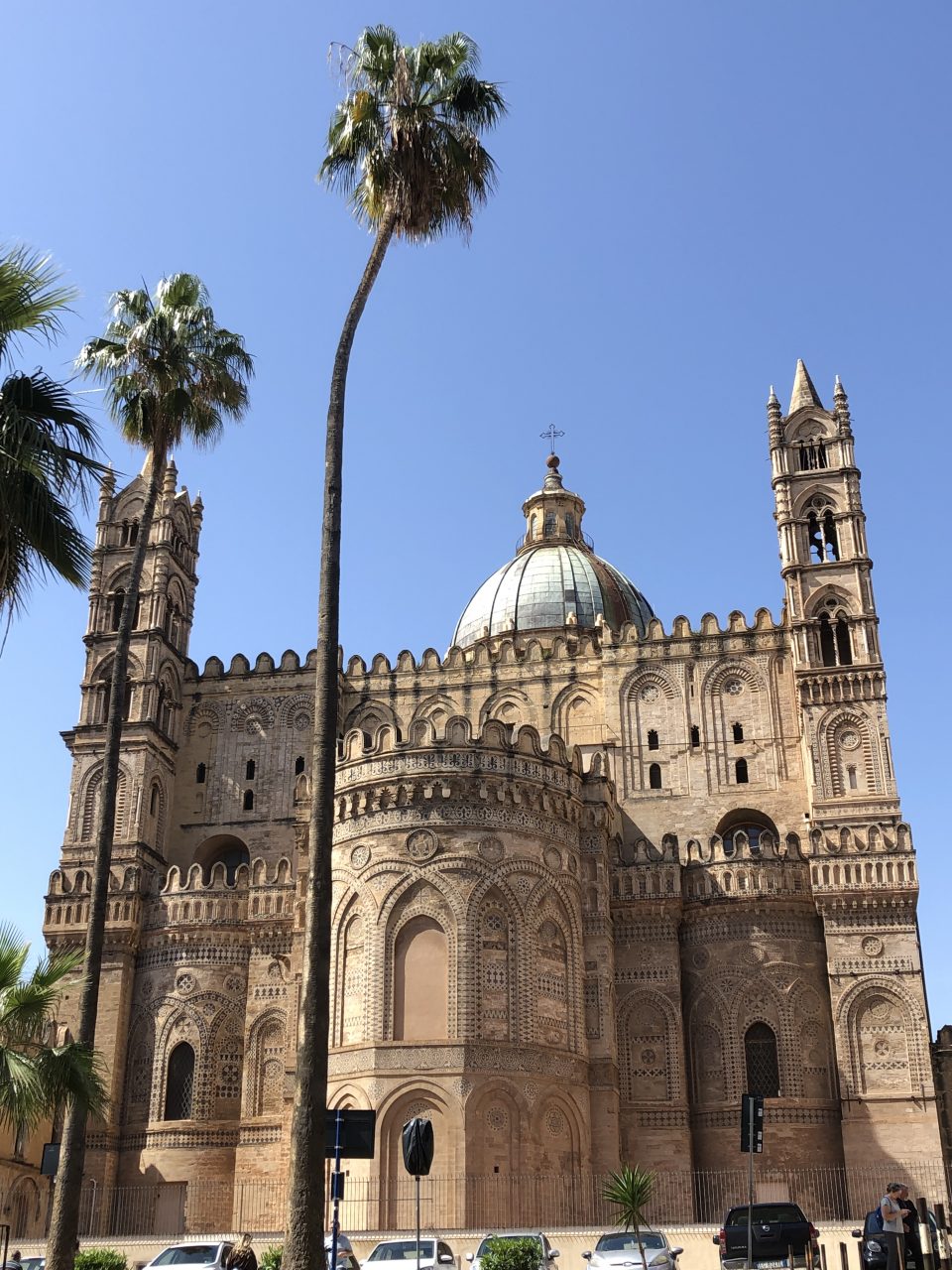
The cathedral’s exterior is breathtaking, with intricate stonework, elegant arches, and towering facades that command attention from every angle. Yet it is the rooftop experience that truly sets Palermo Cathedral apart. Climbing to the top rewards visitors with panoramic views of the city, stretching from the historic centre to the sparkling waters of the Mediterranean.
The Royal Tombs of Palermo Cathedral
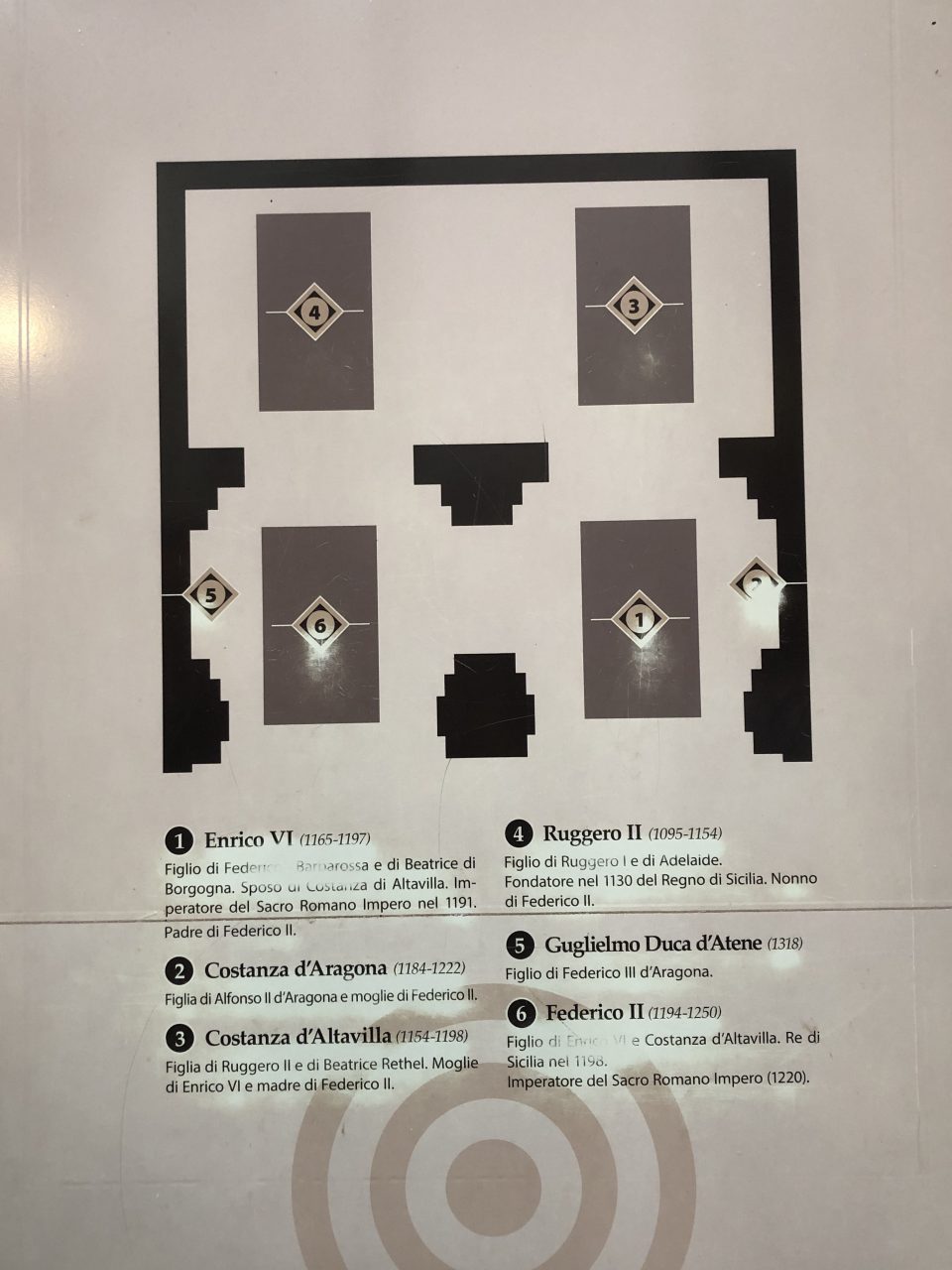
One of the most fascinating treasures inside Palermo Cathedral is its collection of royal tombs, which reflect Sicily’s importance during the Norman period. Among the most notable is the tomb of Roger II, the first King of Sicily, whose reign in the 12th century helped establish a powerful and culturally diverse kingdom. Visitors can also see the tombs of Emperor Henry VI and Empress Constance of Sicily, whose dynastic legacy shaped the history of both Sicily and the Holy Roman Empire. Crafted from richly decorated porphyry stone, these monumental sarcophagi stand as masterpieces of medieval funerary art.
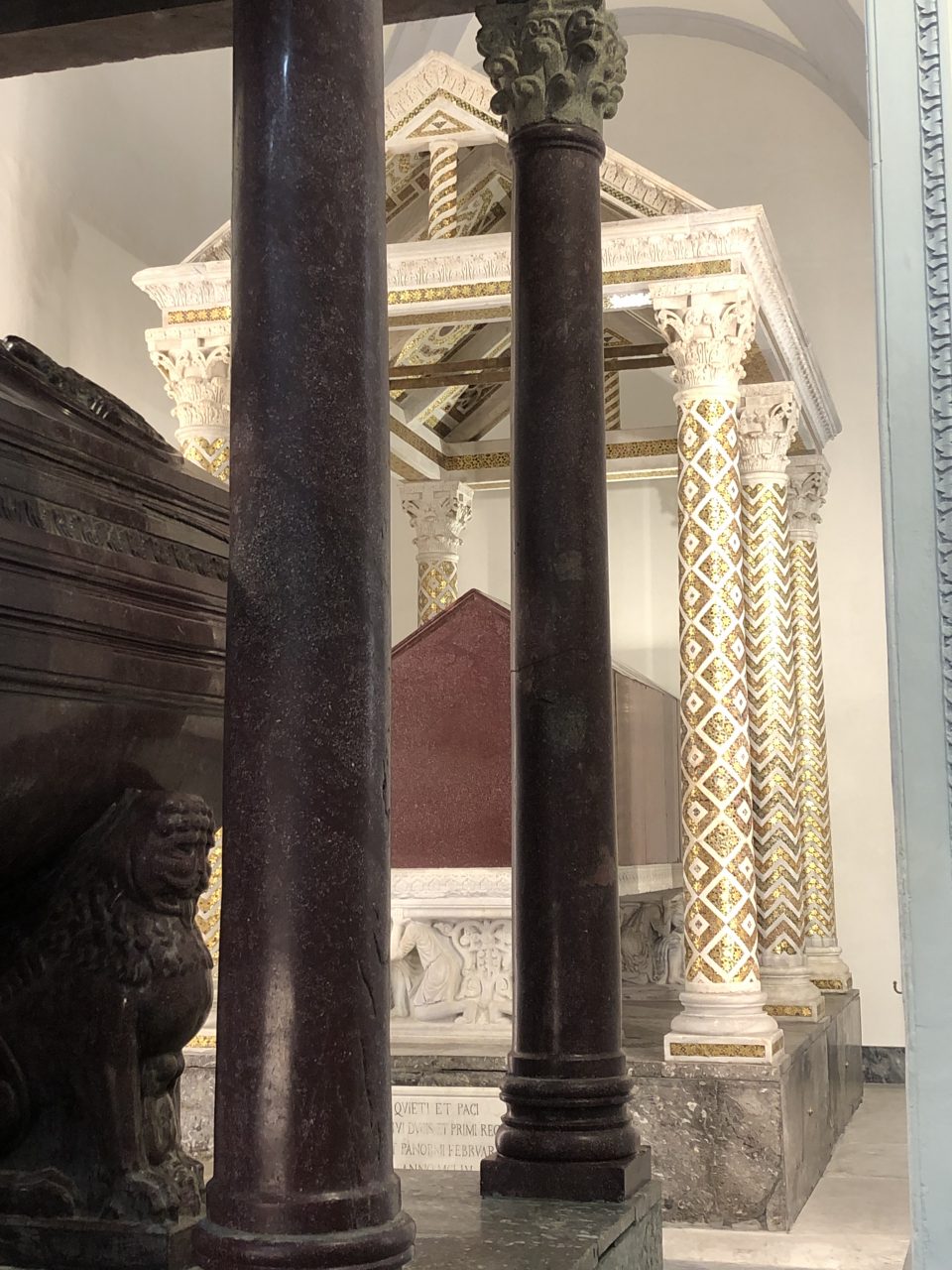
The most impressive tomb is that of Frederick II, one of the most influential rulers of the Middle Ages. Often referred to as the “Wonder of the World” for his intellectual curiosity and political achievements, Frederick transformed Sicily into a centre of culture, science, and learning. His magnificent red porphyry sarcophagus attracts visitors from around the globe, offering a tangible connection to a remarkable period in European history. As you walk among these royal resting places, it is easy to appreciate why Palermo Cathedral is not only a place of worship but also one of Sicily’s most important historical monuments.
The Chapel of Saint Rosalia at Palermo Cathedral
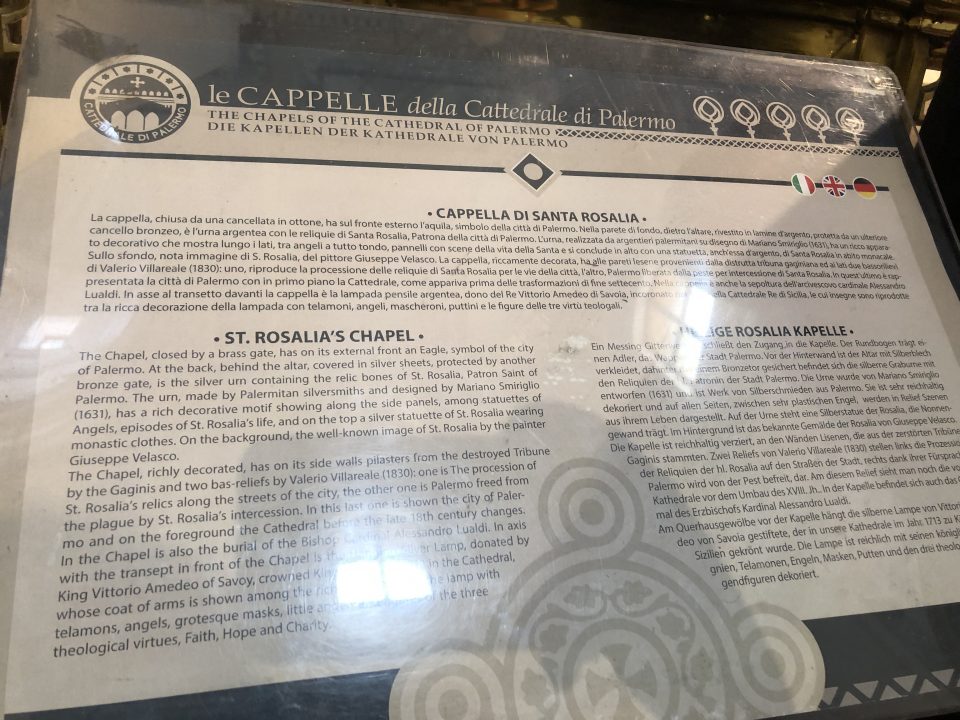
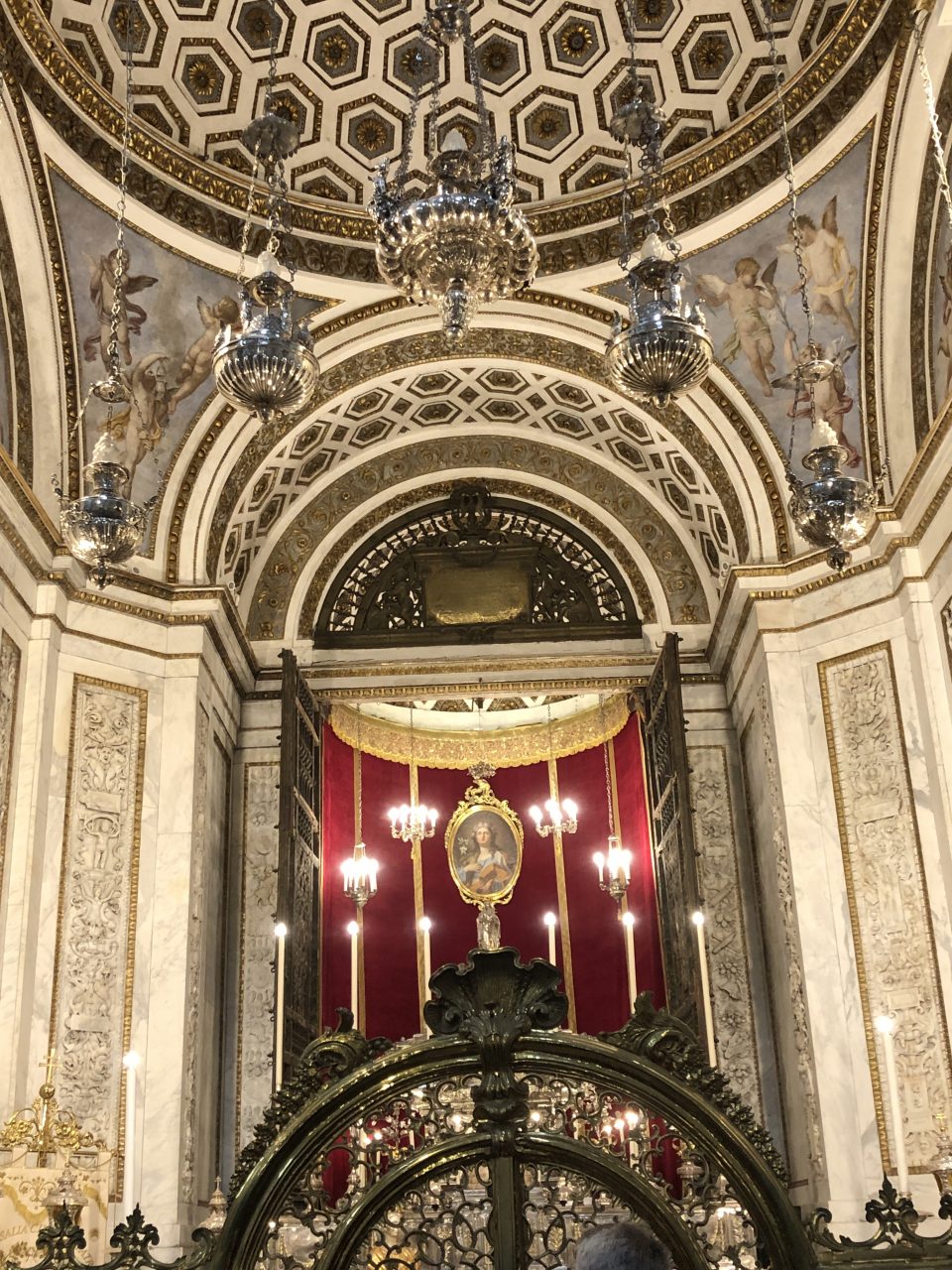
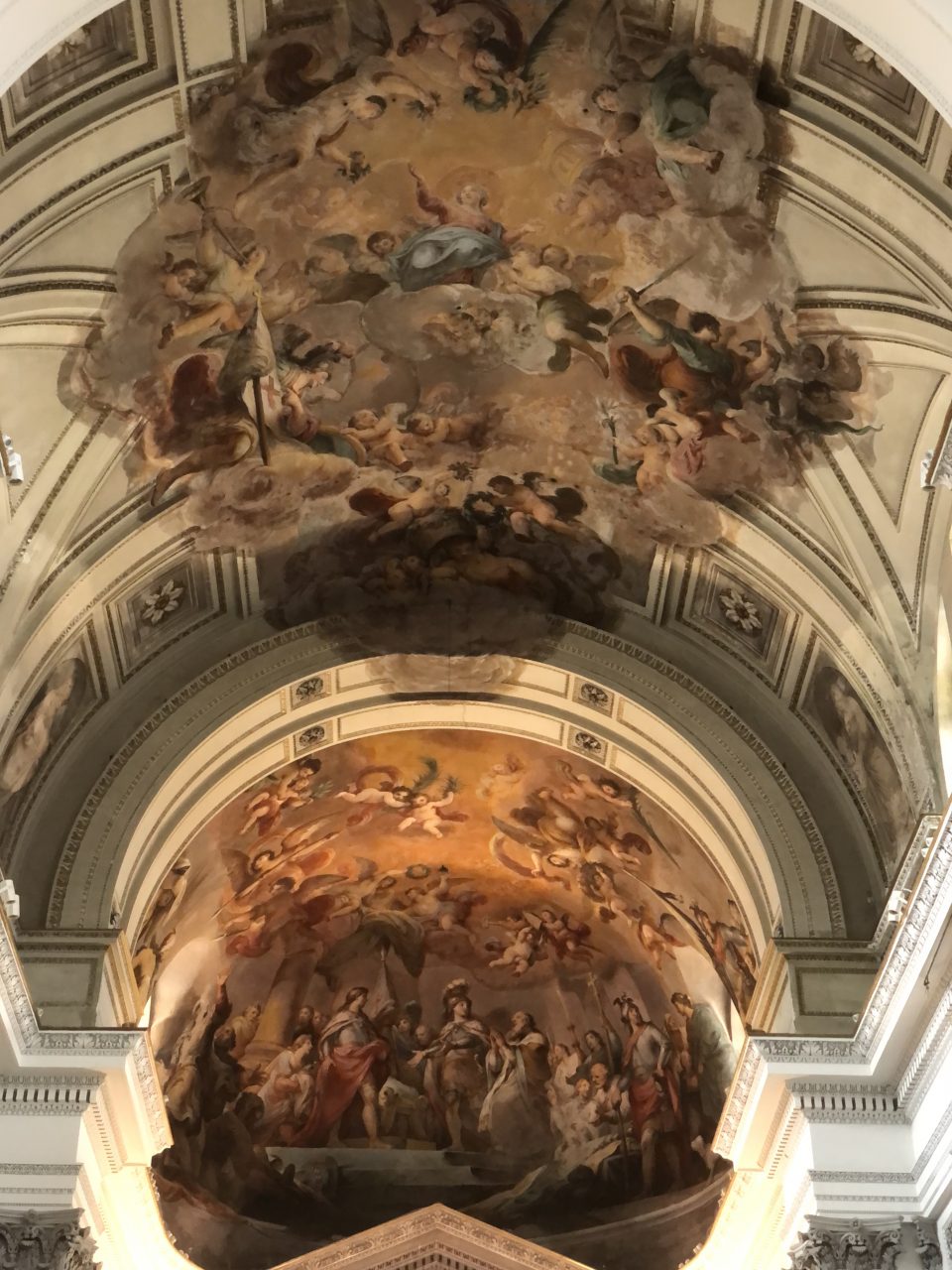
One of the most revered spaces within Palermo Cathedral is the Chapel of Saint Rosalia, dedicated to the patron saint of Palermo.
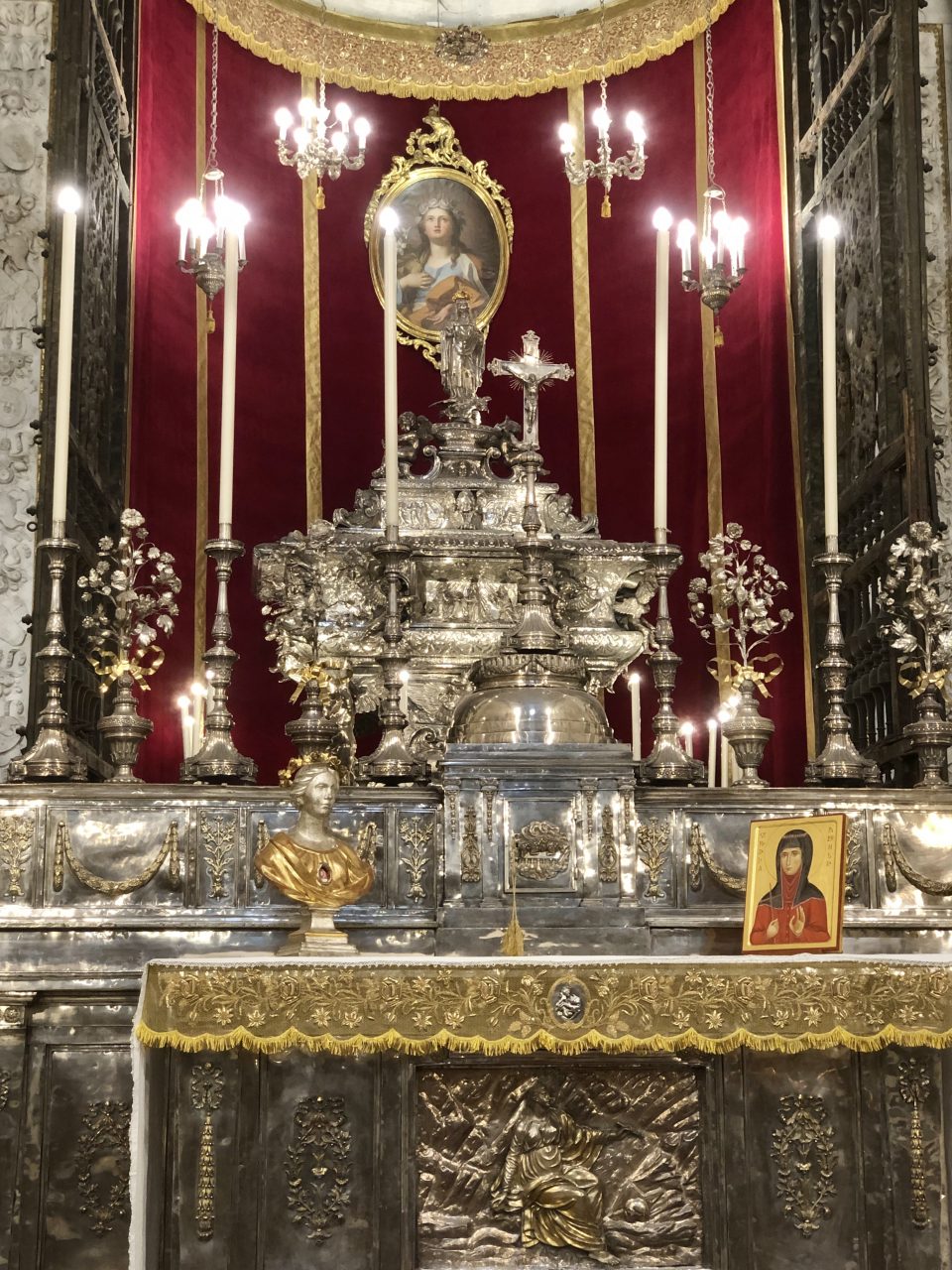
Richly decorated with marble, silver, and intricate architectural details, the chapel houses the treasured relics of Saint Rosalia, whose remains were discovered on nearby Mount Pellegrino in 1624. According to local tradition, her intervention helped end a devastating plague that had swept through the city, and she has been honoured by Palermitans ever since.
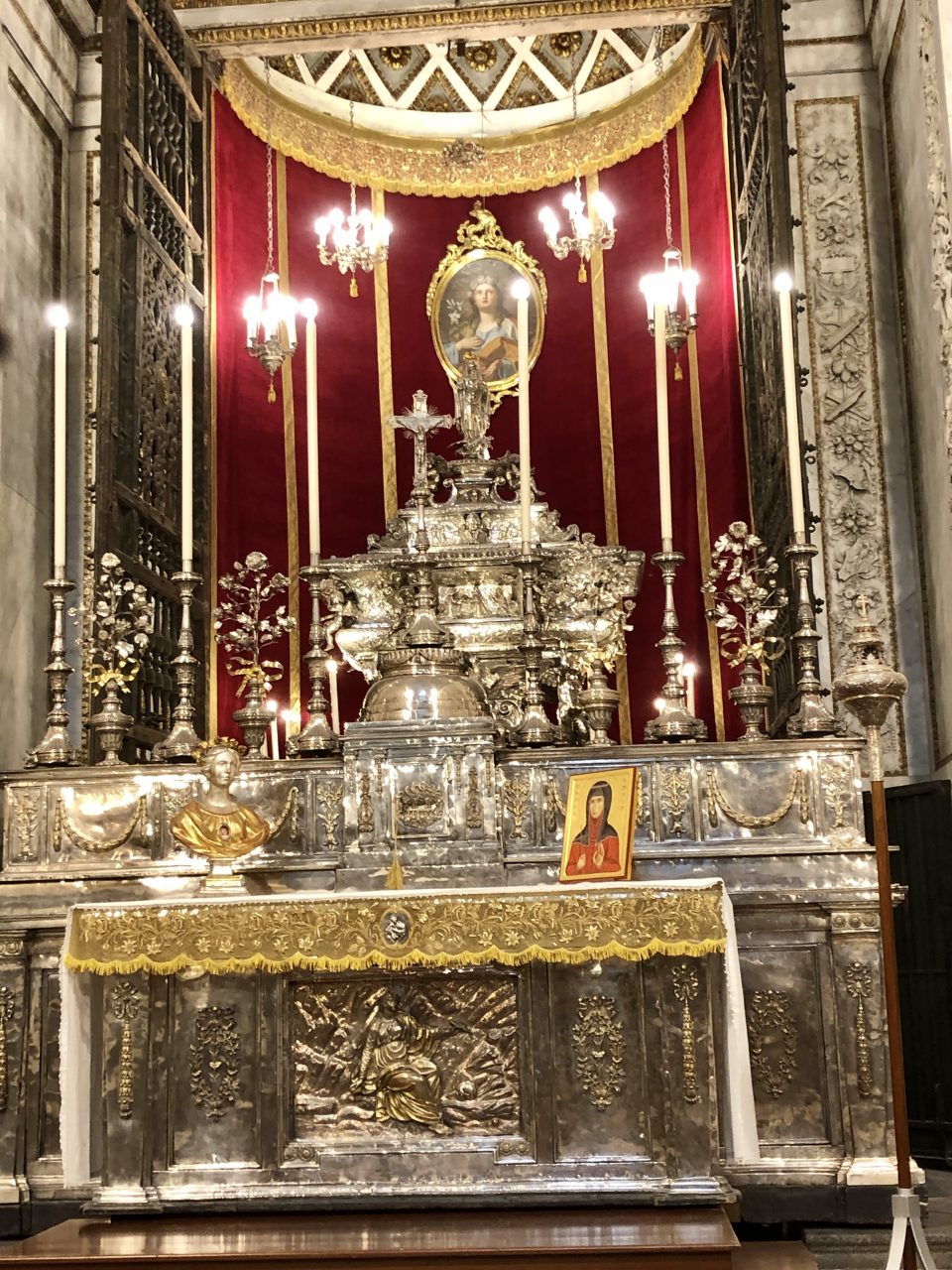
At the centre of the chapel stands an elaborate silver shrine containing her relics, attracting pilgrims and visitors from around the world. The atmosphere is both peaceful and deeply spiritual, offering a striking contrast to the bustling streets outside. Even for those with no religious connection, the chapel provides a fascinating insight into Palermo’s history, faith, and enduring cultural traditions.
A City Beyond Its Monuments
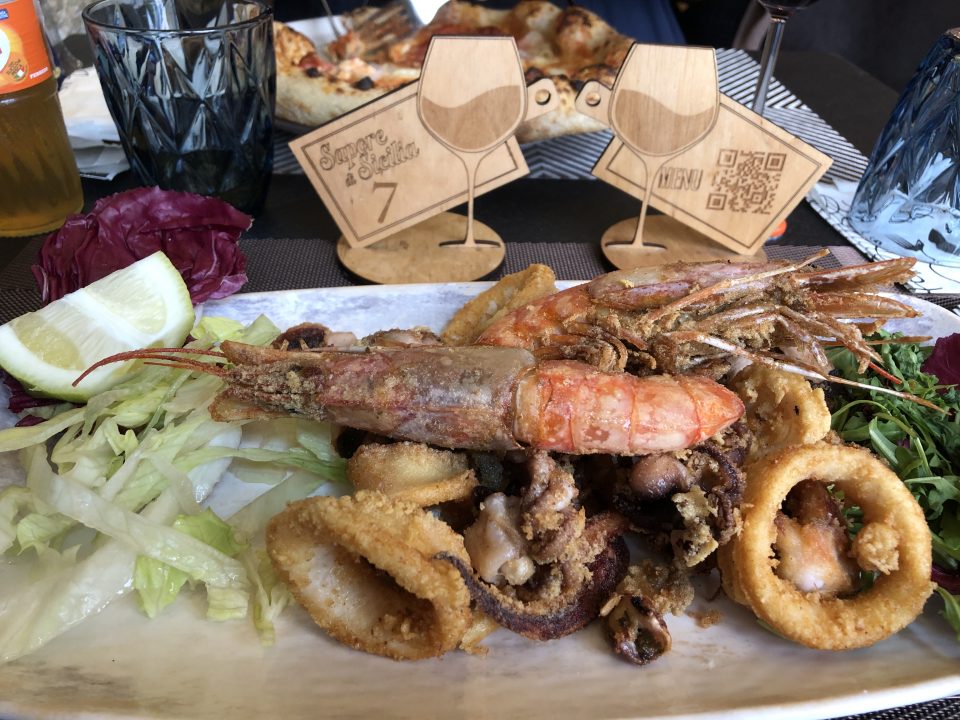
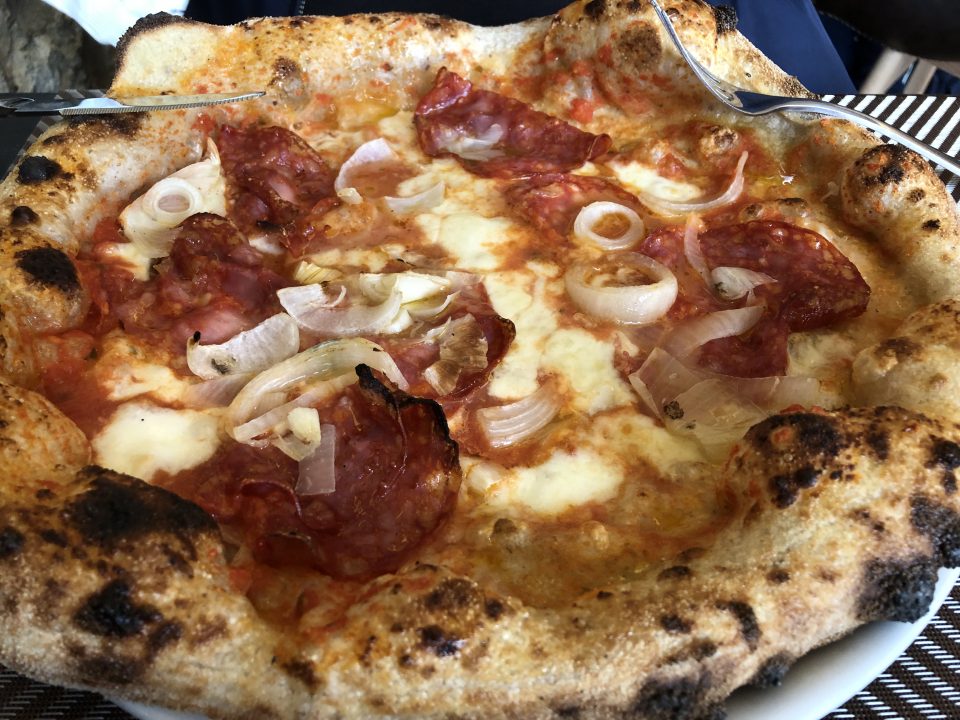
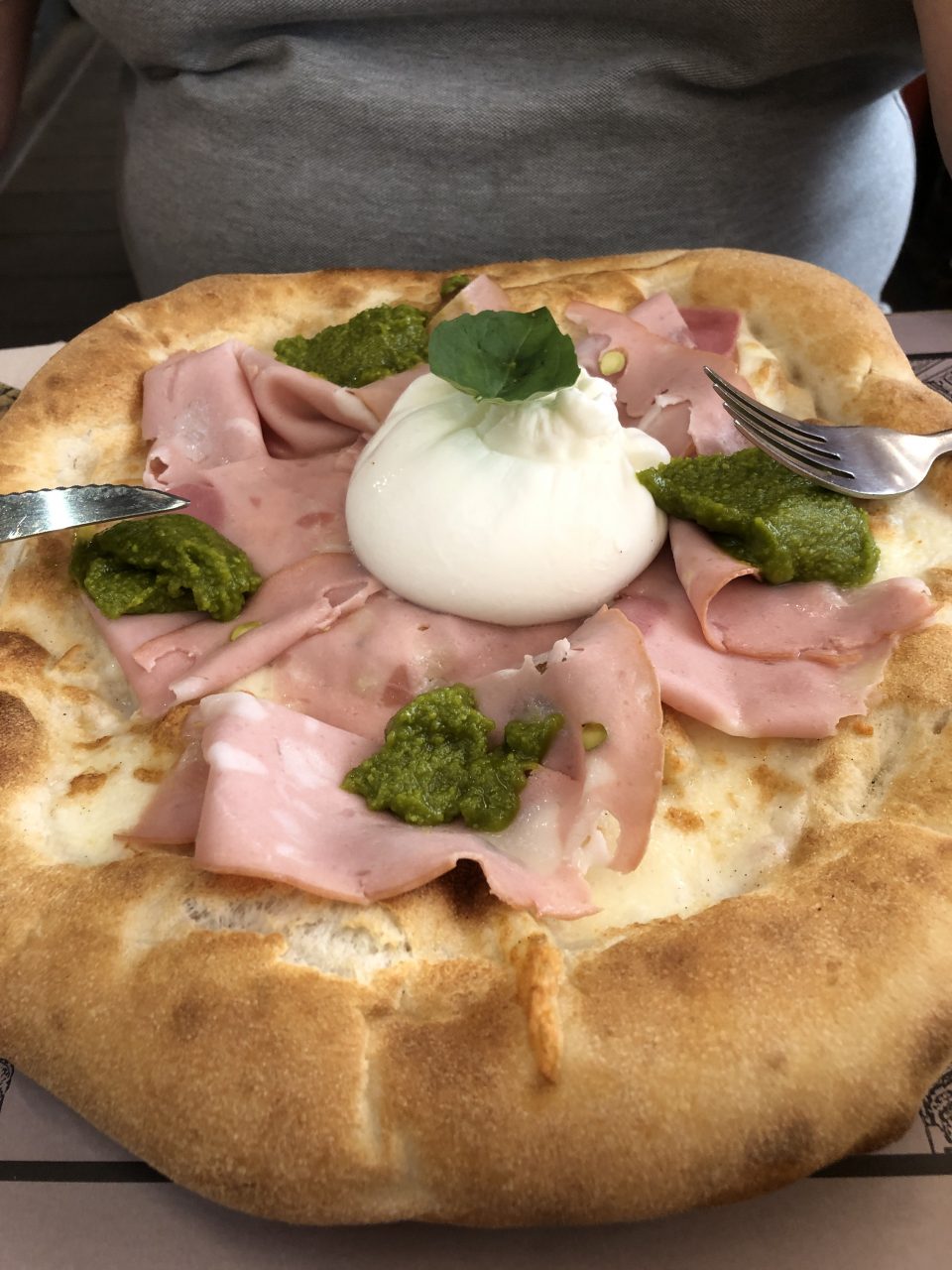
While Palermo’s churches and historic buildings are remarkable, the city’s true charm lies in its everyday life. Spend an afternoon exploring the lively Ballarò Market, where vendors call out to passers-by and local delicacies tempt every visitor. Sample Sicilian street food, from crispy panelle to sweet cannoli, and discover why Palermo has become a favourite destination for food lovers.
As evening falls, the city’s piazzas come alive with locals gathering for conversation, music, and aperitivi. The golden light reflecting off ancient buildings creates a magical atmosphere that feels distinctly Sicilian.
A Sweet Taste of Sicily
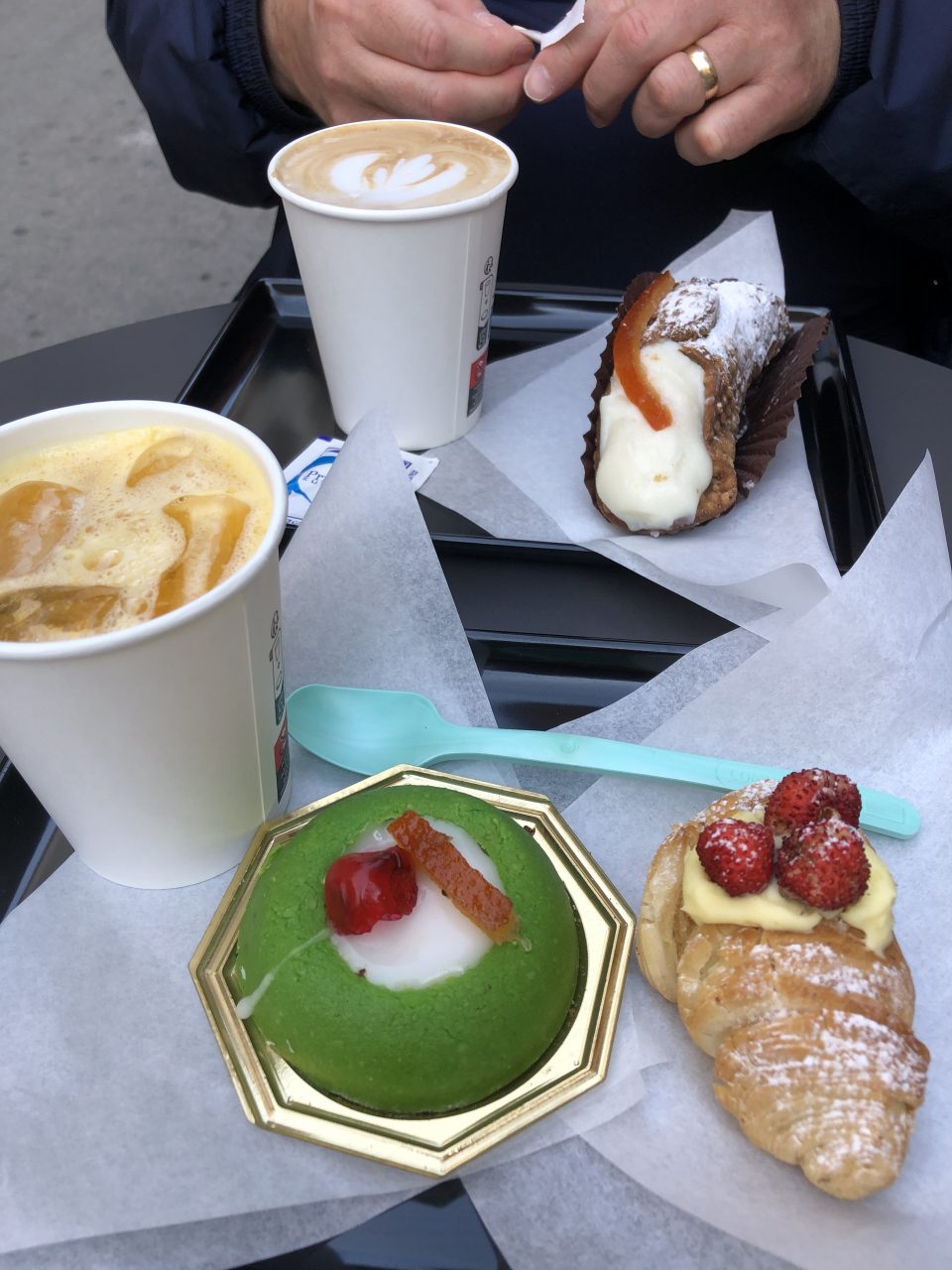
No visit to Palermo would be complete without experiencing its extraordinary food scene. The city is famous for its vibrant street food, but those with a sweet tooth will find just as much to enjoy. One of Sicily’s most iconic desserts is the cannolo, a crisp pastry shell filled with sweet ricotta cream and often topped with pistachios, chocolate chips, or candied fruit.
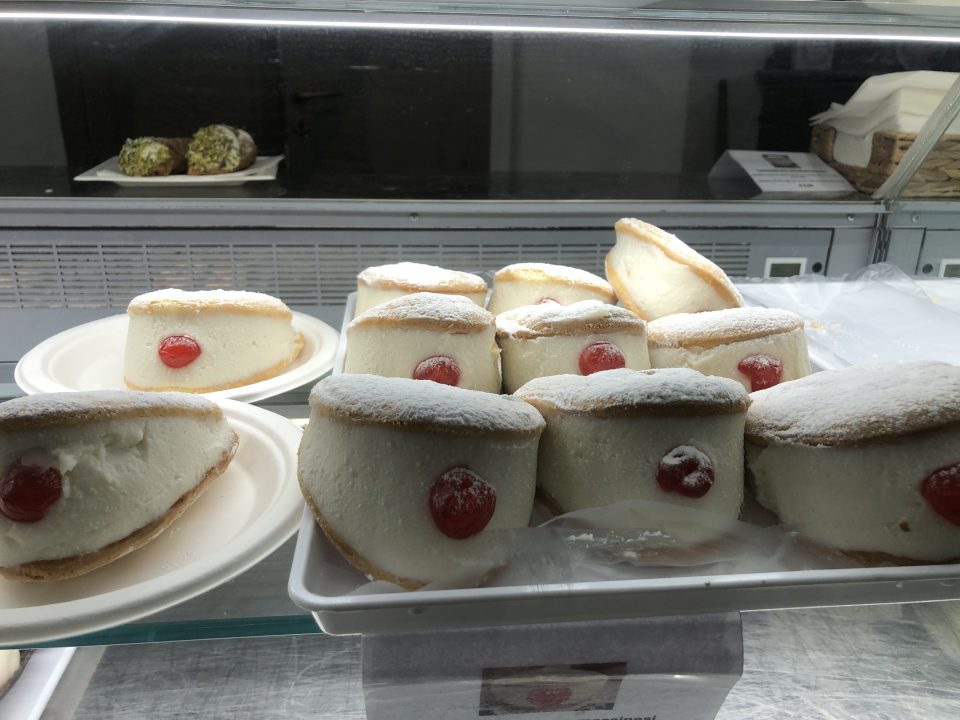
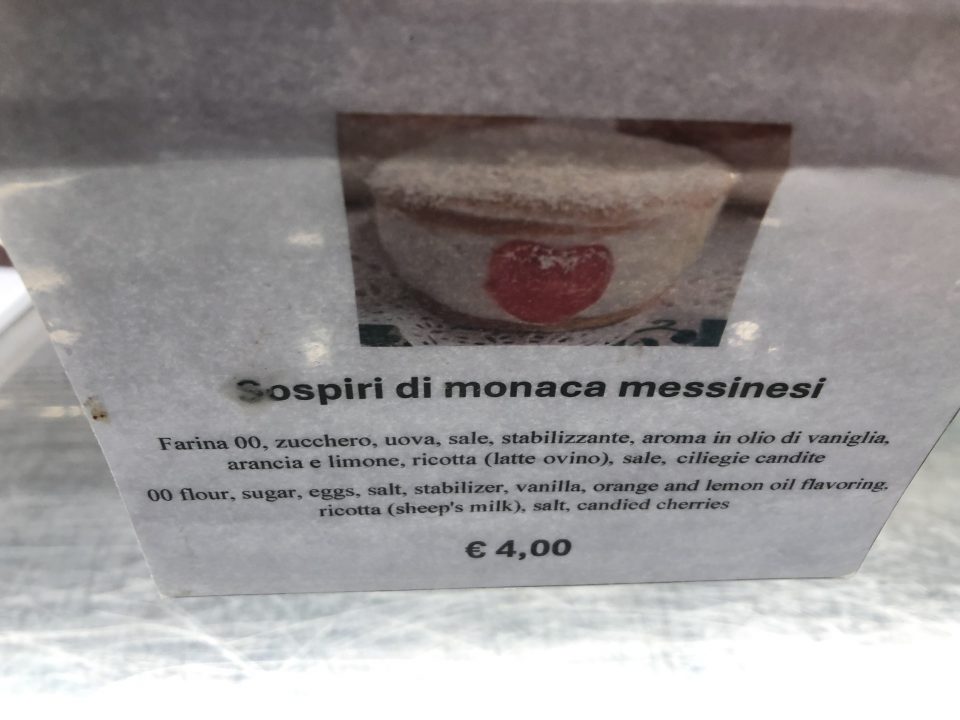
Equally tempting is cassata siciliana, a colourful sponge cake layered with ricotta, marzipan, and candied fruit, reflecting the Arab influences that have shaped Sicilian cuisine for centuries. Whether enjoyed in a historic café overlooking a bustling piazza or picked up from a family-run bakery tucked away in a narrow street, these traditional treats offer a delicious insight into Palermo’s rich cultural heritage.
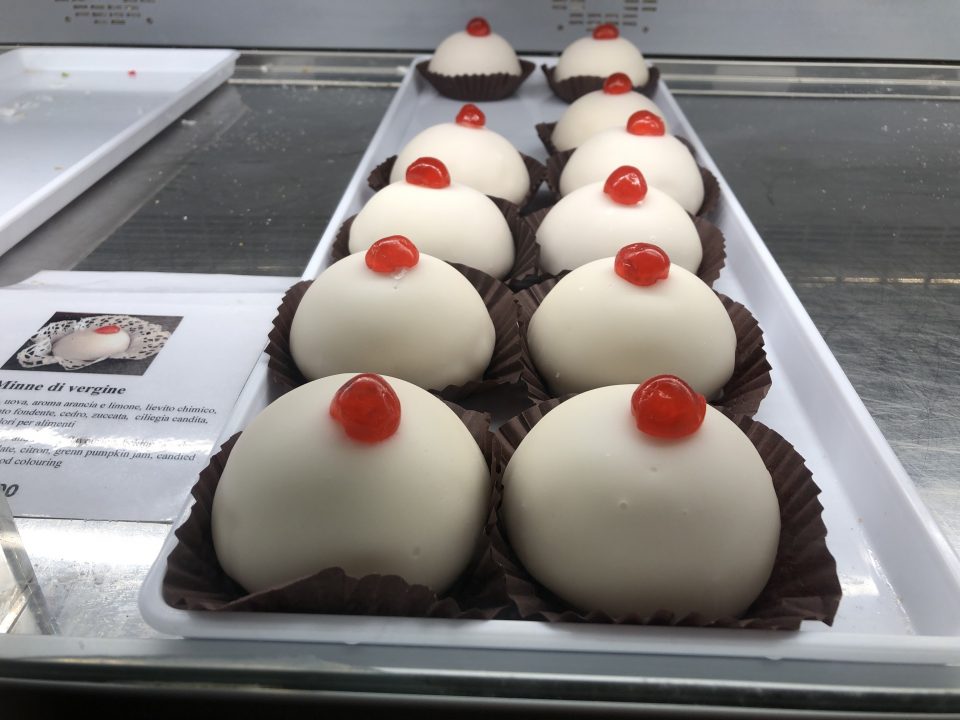
Pair them with a strong Sicilian espresso, and you’ll discover why food is such an essential part of life in this captivating city.
A Sweet Tradition at I Segreti del Chiostro
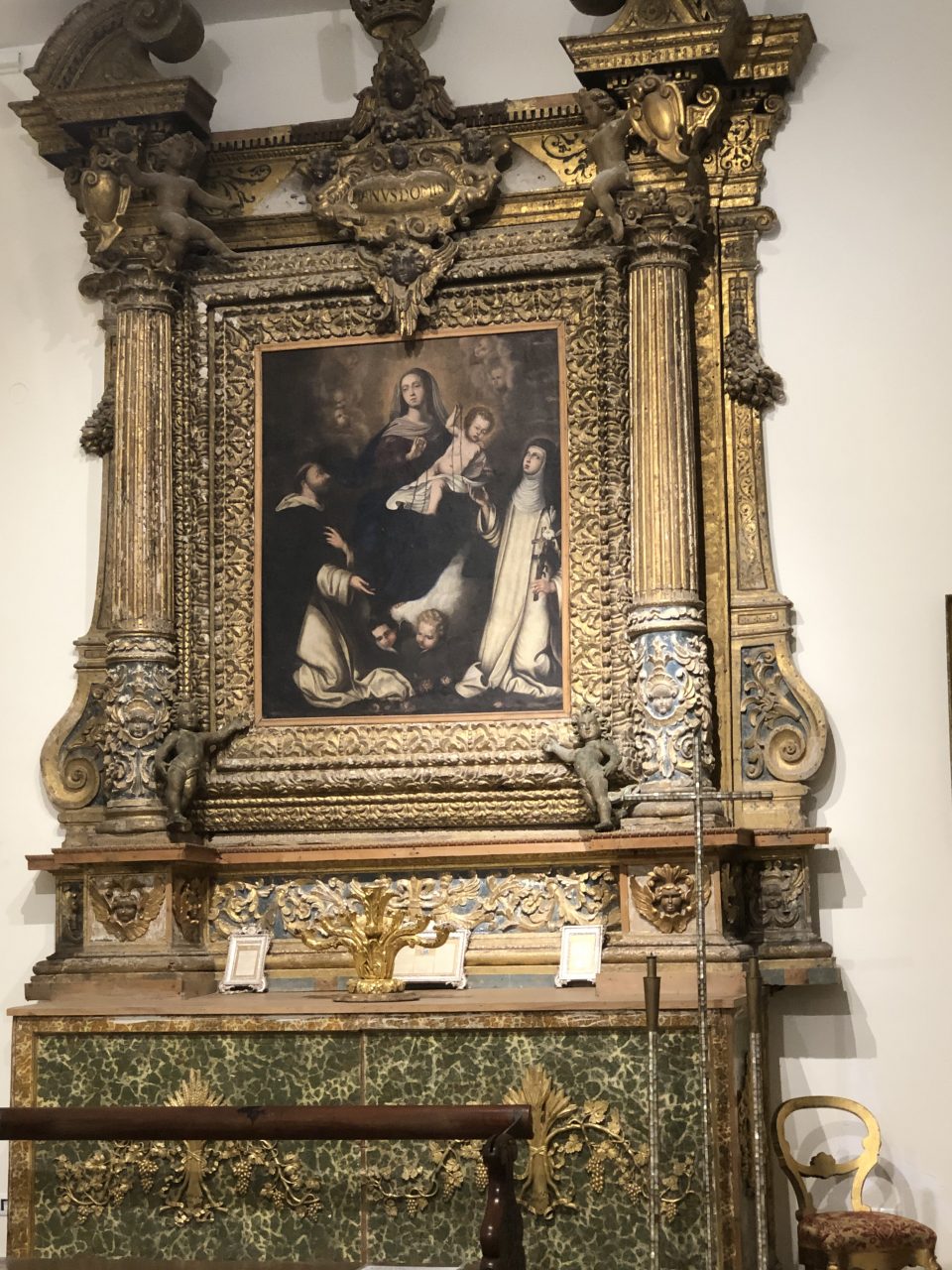
Tucked away within the beautiful Monastery of Santa Caterina d’Alessandria, I Segreti del Chiostro is one of Palermo’s most charming places to experience traditional Sicilian desserts. The café takes its inspiration from the recipes once prepared by cloistered nuns, many of which have been carefully preserved for generations.
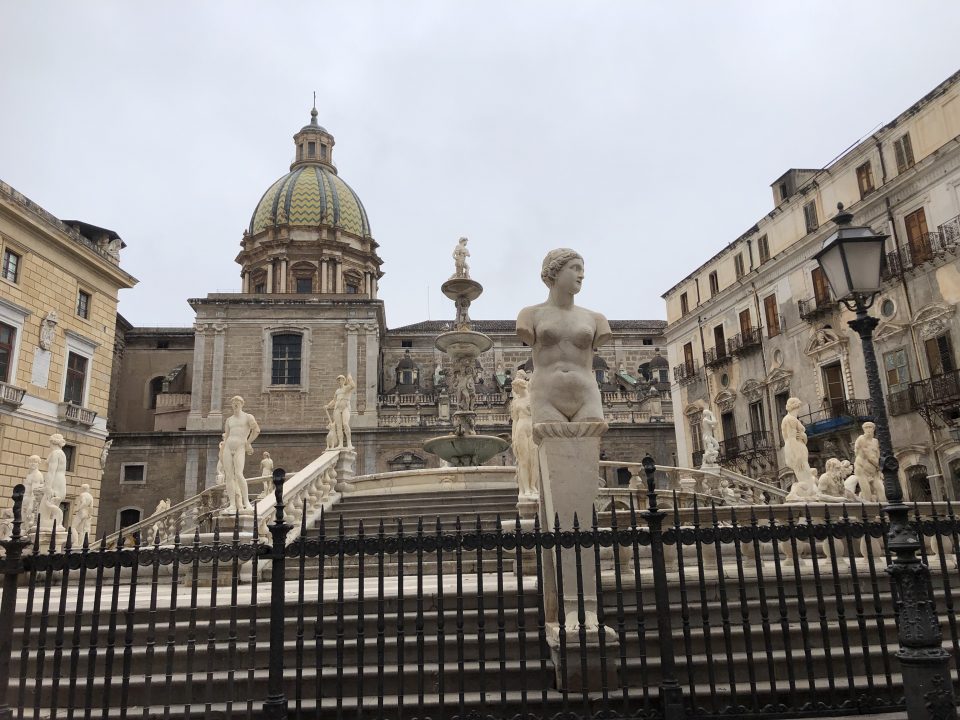
Surrounded by elegant monastery architecture and peaceful courtyards, visitors can enjoy delicacies such as freshly filled cannoli, cassata, almond pastries, and colourful marzipan fruits. The atmosphere feels worlds away from Palermo’s busy streets, offering a tranquil setting in which to savour the flavours of Sicily.
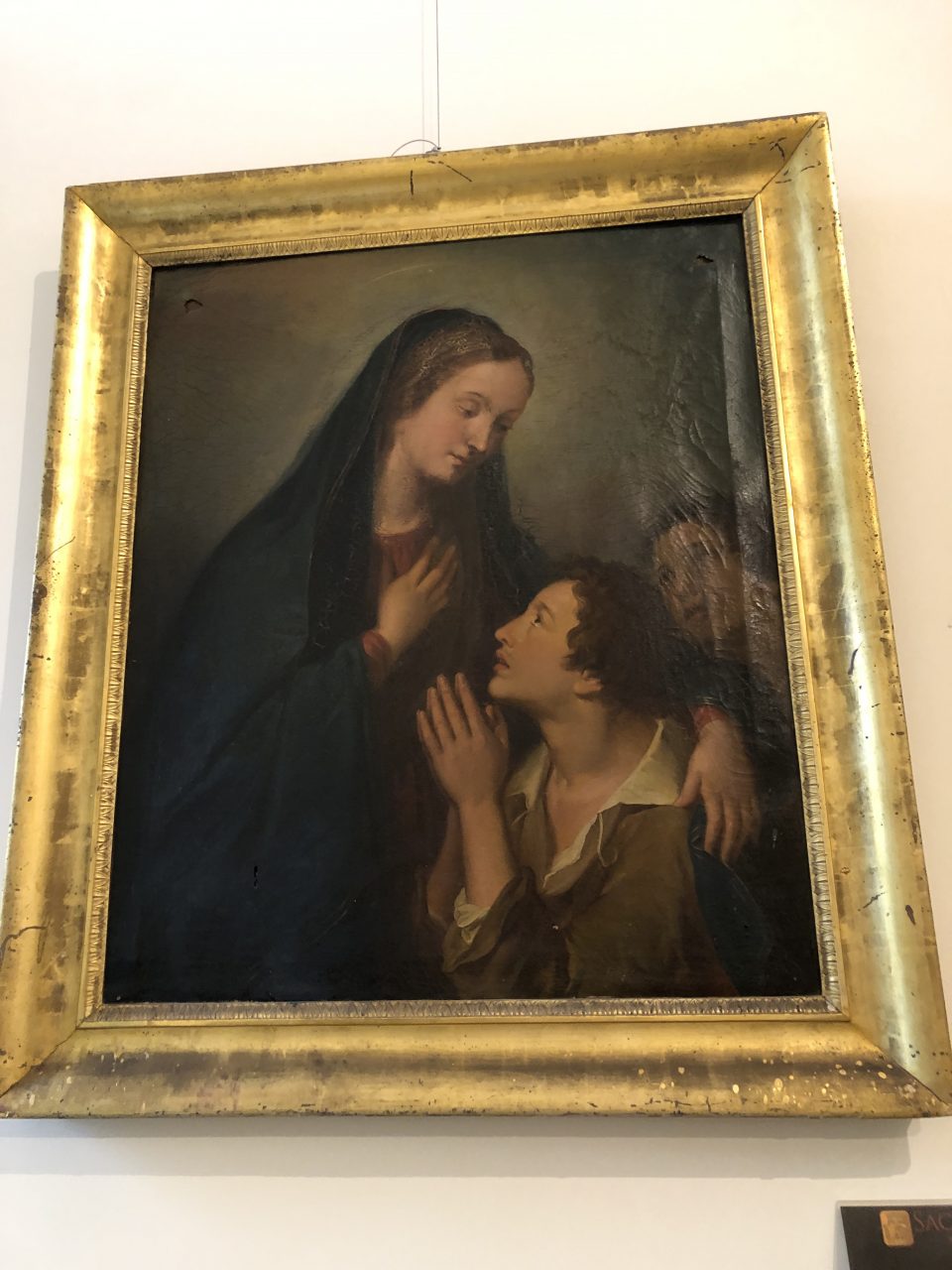
Whether you’re stopping for a coffee and a pastry after visiting nearby Quattro Canti or seeking an authentic taste of Palermo’s culinary heritage, I Segreti del Chiostro is a memorable destination for any food lover.
Why Palermo Should Be on Your Travel List
Palermo is a city that rewards curiosity. Its layers of history, diverse cultures, remarkable architecture, and unforgettable cuisine make every visit feel like an adventure. Whether you’re admiring the red domes of the Church of San Cataldo, taking in the sweeping views from Palermo Cathedral, or simply enjoying a coffee in a sunlit square, you’ll find yourself enchanted by the city’s unique character.
For travellers seeking a destination rich in history, culture, and authenticity, Palermo is not just a stop in Sicily, it is a highlight of the journey.
A Stylish Stay at Eurostars Centrale Palace Hotel
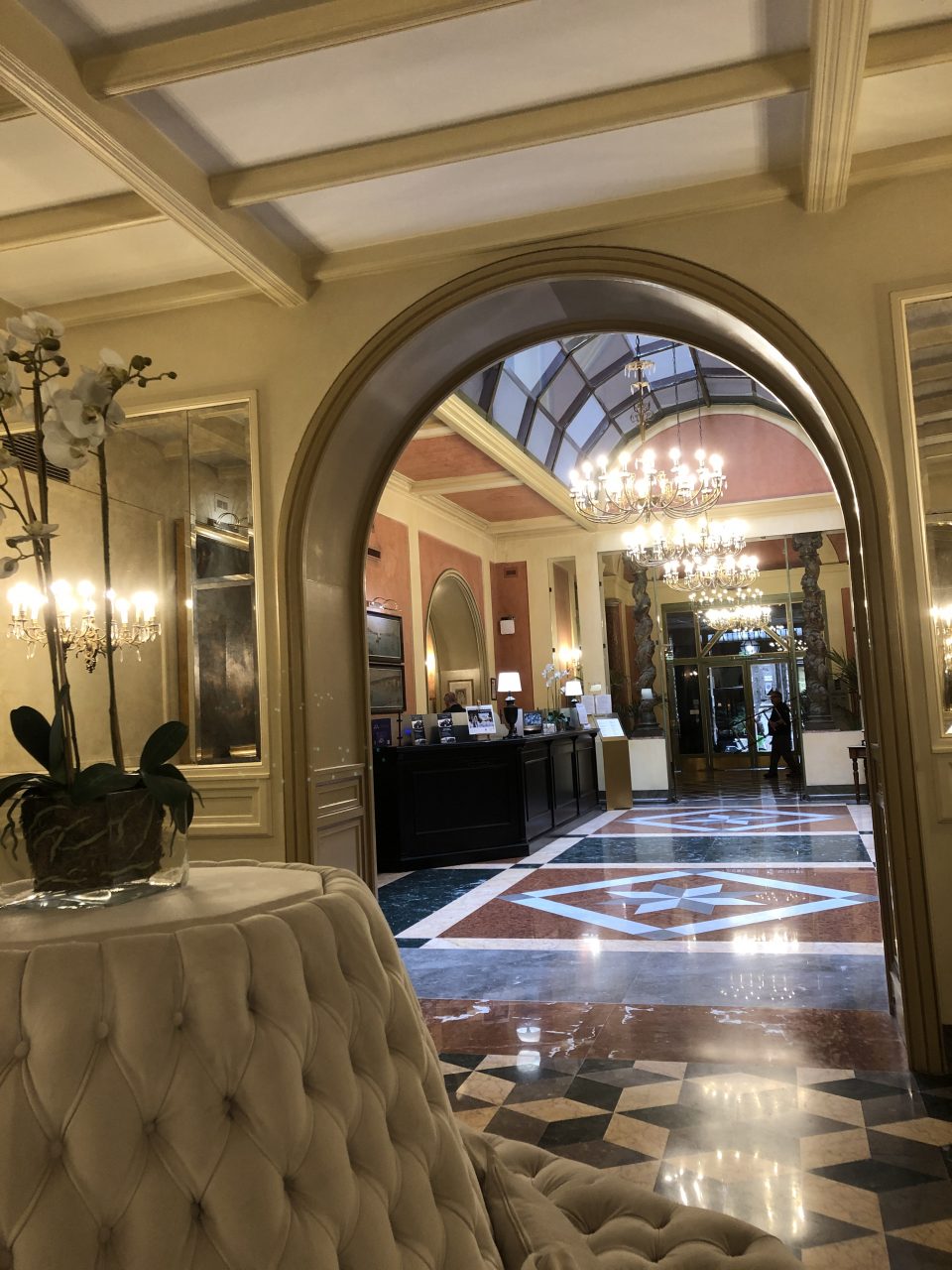
Located in the heart of Palermo’s historic centre, the Eurostars Centrale Palace Hotel offers visitors the unique opportunity to stay in a beautifully restored 18th-century palace while exploring the city’s most famous attractions. Situated on the lively Via Maqueda, the hotel places guests within easy walking distance of landmarks such as Quattro Canti, Palermo Cathedral, the Church of San Cataldo, and the bustling markets that define the city’s vibrant character. Its elegant blend of historic architecture and modern comforts makes it an ideal base for discovering the rich cultural heritage of Sicily’s capital.
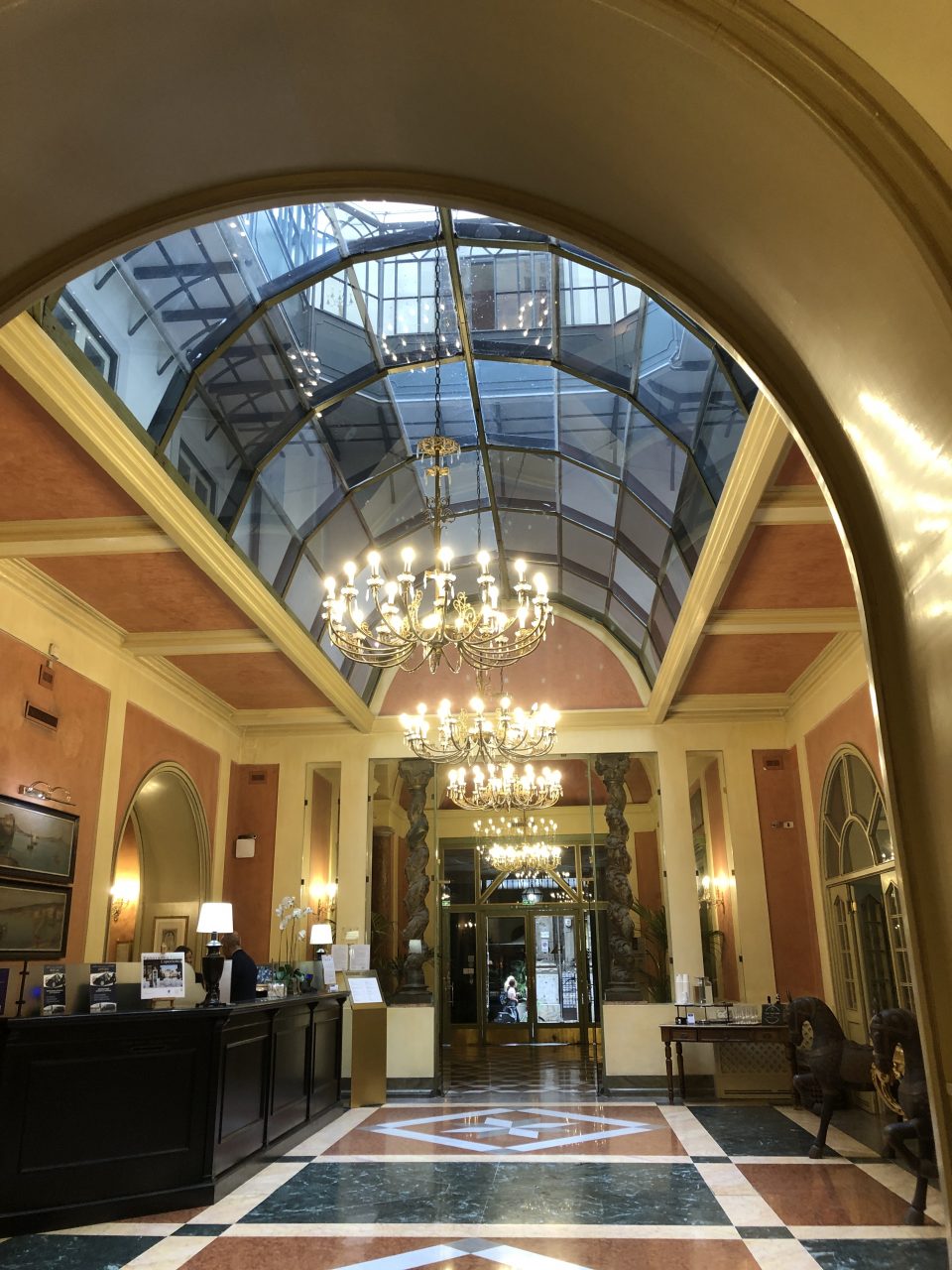
Inside, grand marble staircases, high ceilings, and period details reflect the building’s noble past, while the spacious rooms provide a comfortable retreat after a day of sightseeing. One of the hotel’s highlights is its rooftop restaurant and terrace, where guests can enjoy breakfast or evening drinks while taking in panoramic views of Palermo’s rooftops, church domes, and distant mountains.
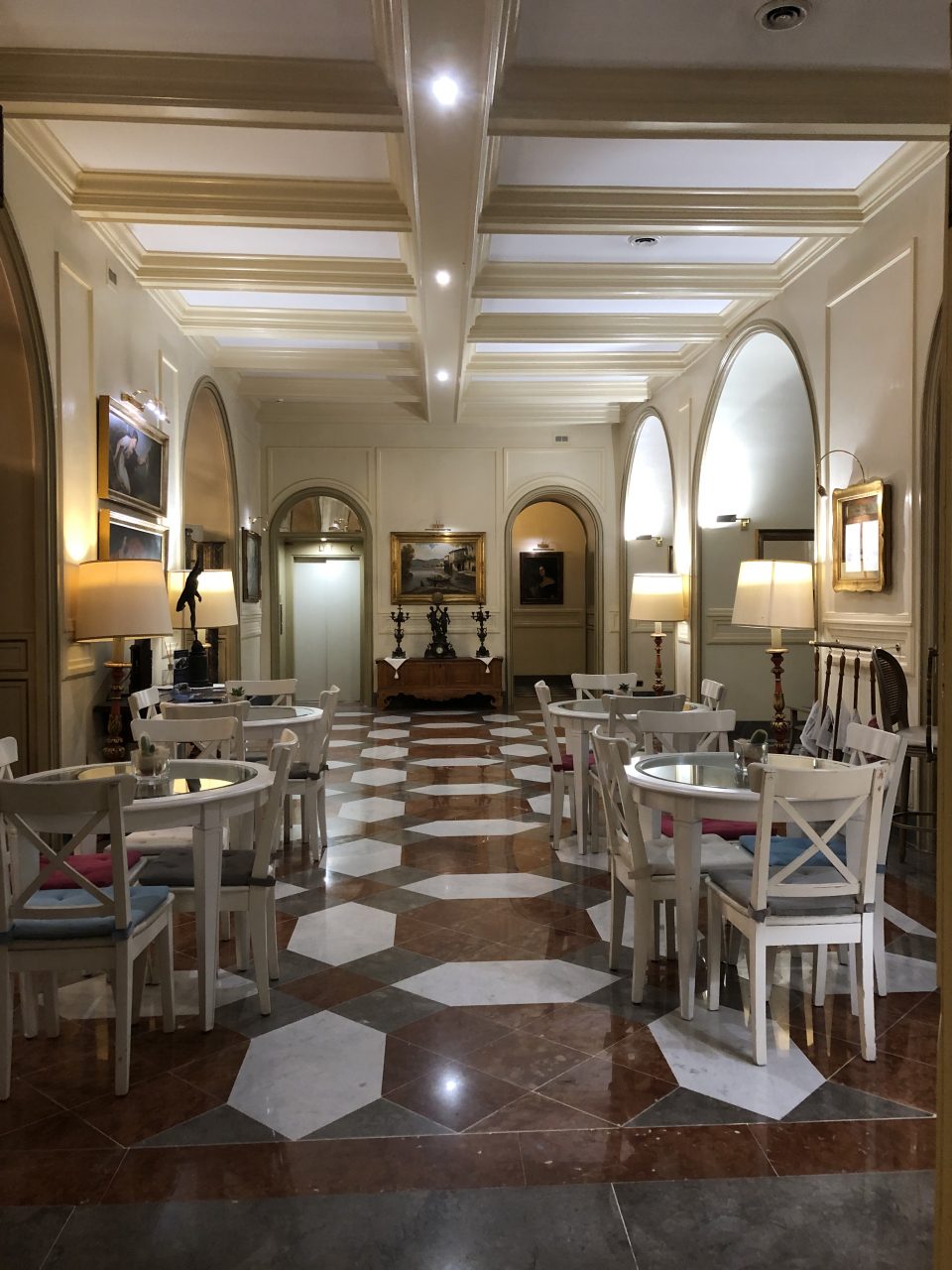
Whether you’re visiting Palermo for its remarkable history, world-famous cuisine, or vibrant street life, the Eurostars Centrale Palace Hotel offers a memorable stay in the very centre of the action.
A Culinary Journey Through Palermo
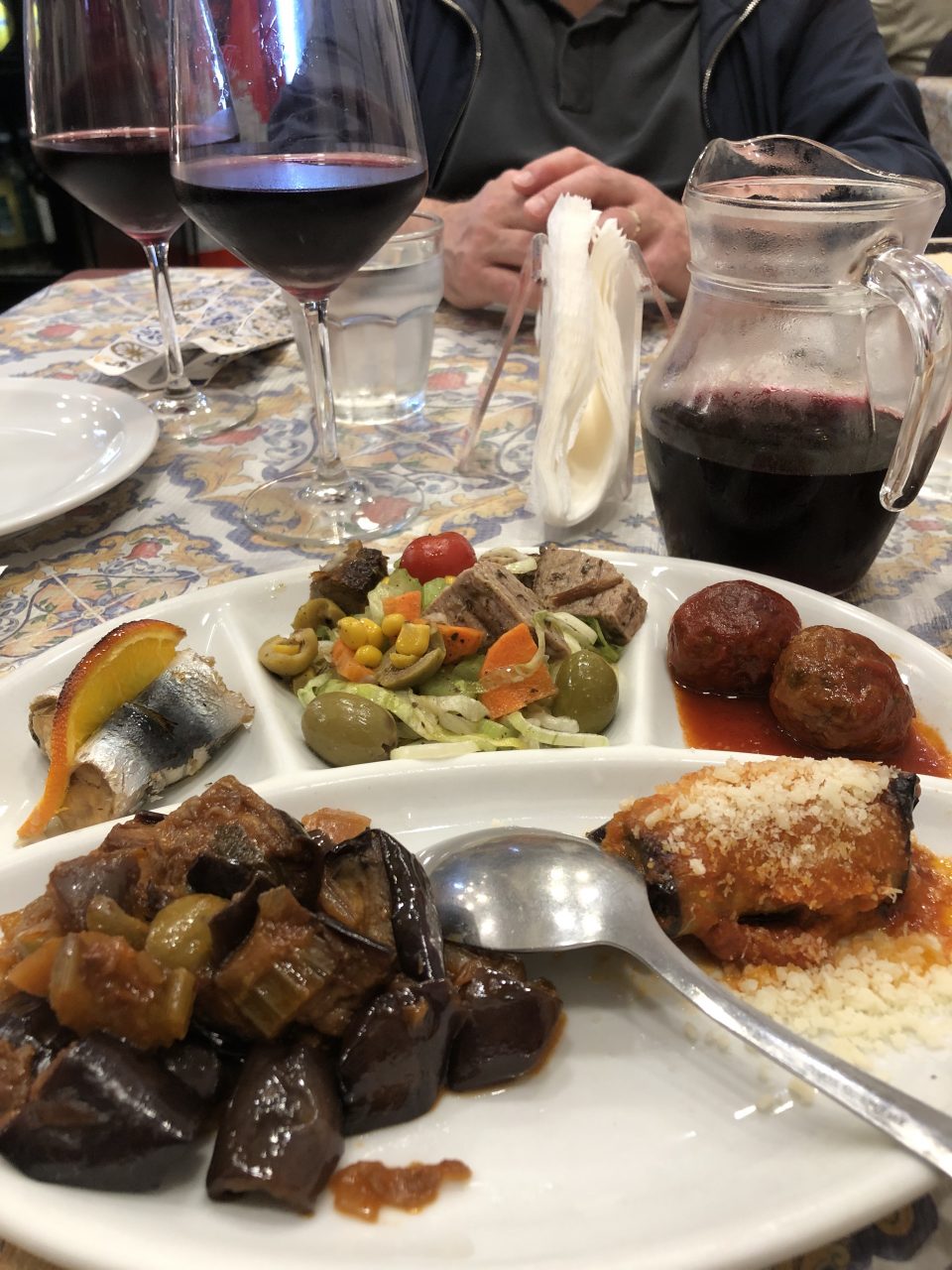
Food is at the heart of Palermo’s culture, and exploring the city often feels like embarking on a culinary adventure. Influenced by Arab, Norman, Spanish, and Italian traditions, Palermo’s cuisine reflects centuries of cultural exchange. The city’s markets, cafés, and trattorias are filled with the aromas of fresh seafood, herbs, citrus fruits, and locally produced cheeses. Whether dining in a bustling piazza or a family-run restaurant tucked away in a historic alley, every meal tells a story of Sicily’s rich heritage and passion for fresh ingredients.
Discovering Palermo’s Famous Pasta Dishes
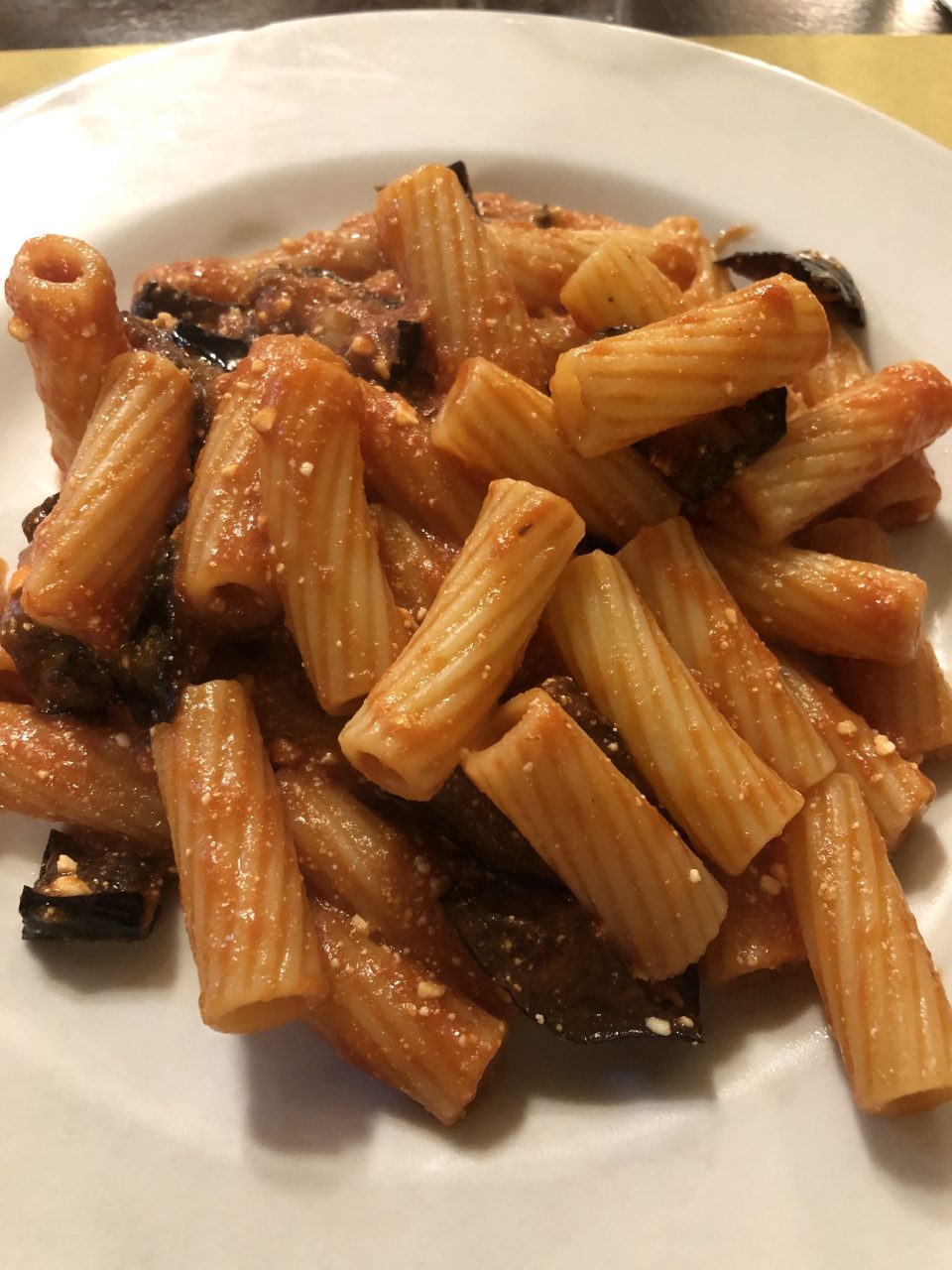
Pasta plays a central role in Sicilian cooking, and Palermo offers some of the island’s most distinctive recipes. One of the most famous is Pasta con le Sarde, a traditional dish made with fresh sardines, wild fennel, pine nuts, raisins, and saffron. The combination of savoury and sweet flavours reflects the Arab influences that continue to shape Sicilian cuisine today. Another local favourite is Anelletti al Forno, a baked pasta dish featuring small ring-shaped pasta layered with meat sauce, peas, cheese, and breadcrumbs. Rich, comforting, and full of flavour, it is often prepared for family gatherings and special occasions.
Authentic Flavours Around Every Corner
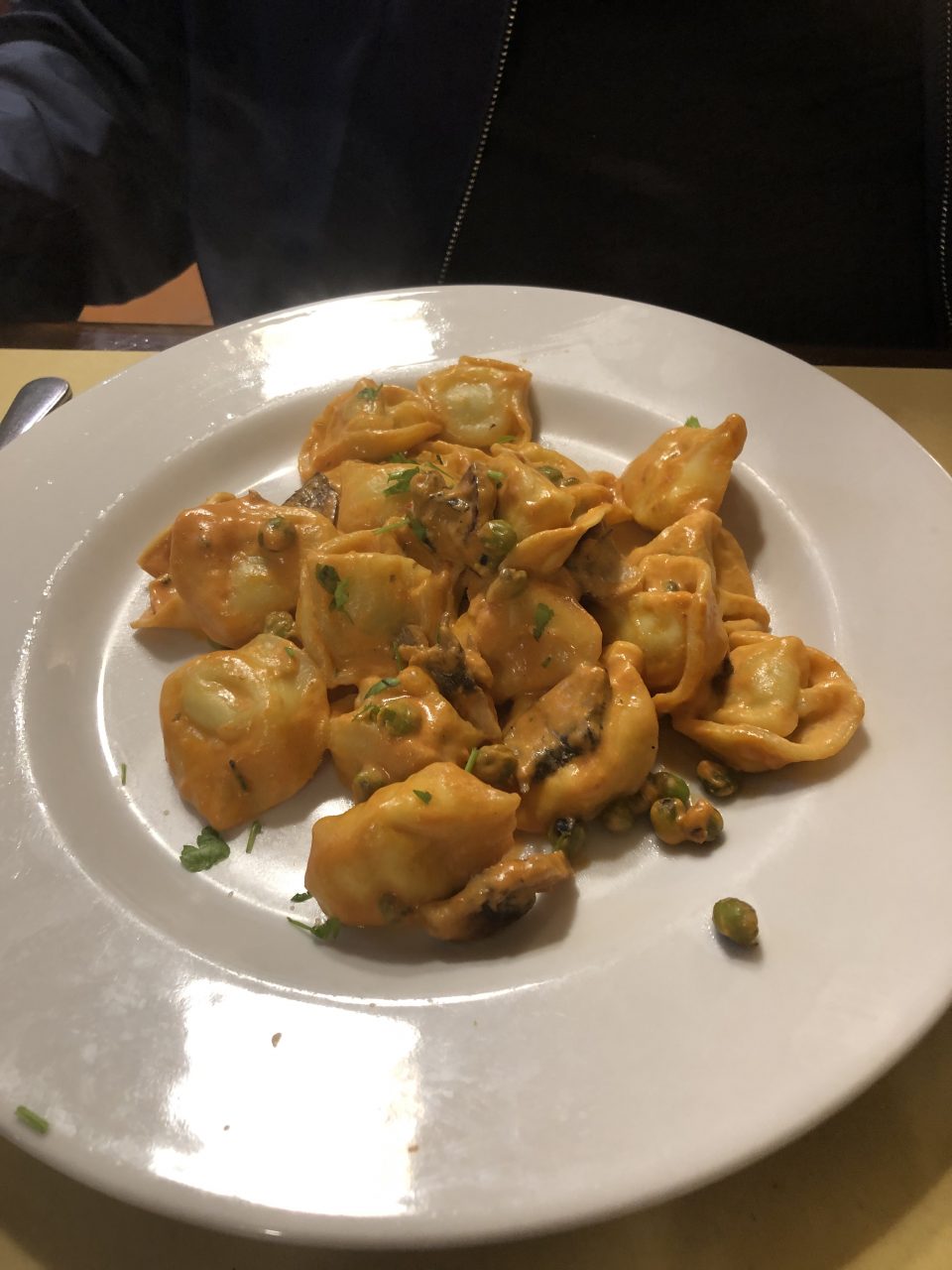
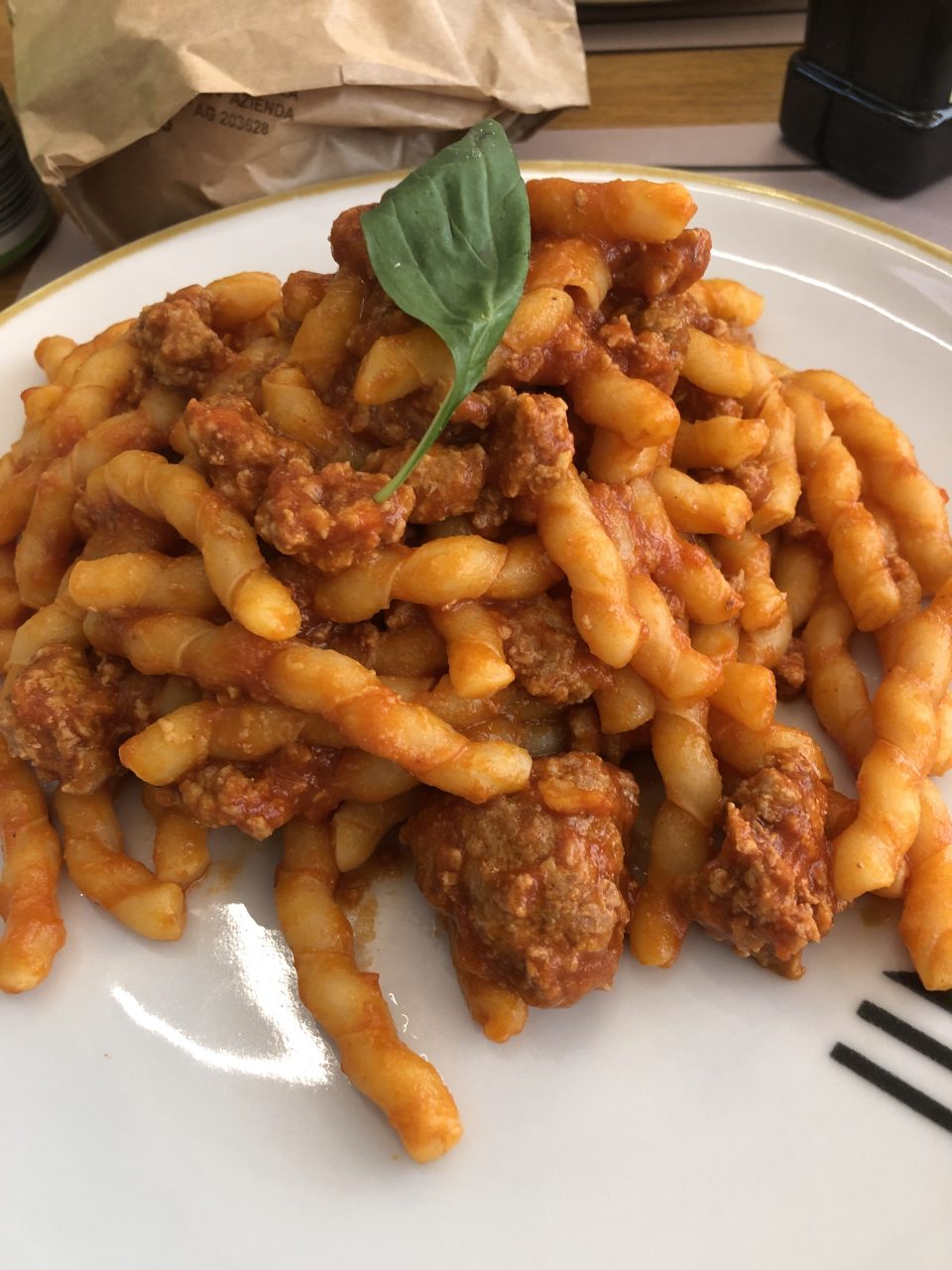
One of the pleasures of visiting Palermo is discovering authentic local restaurants where recipes have been passed down through generations. Many trattorias serve freshly made pasta using seasonal ingredients sourced from nearby farms and coastal waters. Pairing a plate of pasta with a glass of Sicilian wine creates the perfect dining experience after a day spent exploring landmarks such as Palermo Cathedral, Quattro Canti, and the Church of San Cataldo. From elegant restaurant dining to simple neighbourhood eateries, Palermo offers unforgettable flavours that make the city as much a destination for food lovers as it is for history enthusiasts.
Don’t forget to go deeper into Palermo’s Byzantine mosaics in the Martorana Church and in the Palatine Chapel. It is worth exploring these magnificent Byzantine mosaics.
 Users Today : 24
 Users This Month : 720
 Users This Year : 28508
 Total Users : 53809
 Views This Year : 34820
 Total views : 69998
 Who's Online : 0