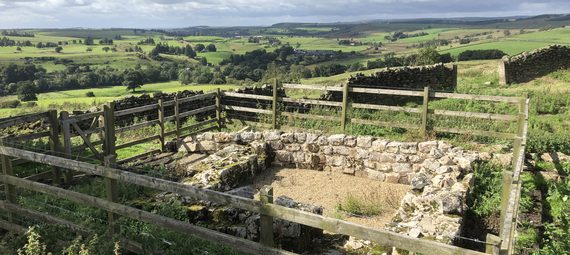
Hidden beneath the windswept fields of Northumberland lies one of the greatest untold stories of Roman Britain. While thousands of visitors flock to nearby Vindolanda, the ancient fort of Magna, also known as Magnis or Carvoran, quietly guards its secrets beneath the earth, waiting to be uncovered.
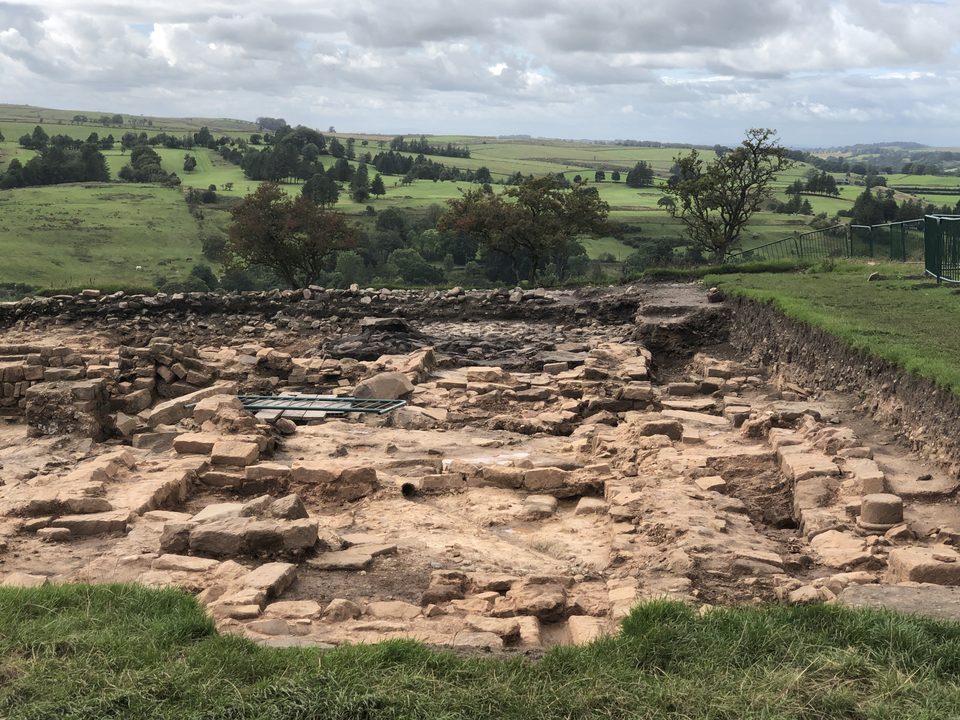
Long before Emperor Hadrian ordered the construction of his famous wall in AD 122, Roman soldiers had already established a stronghold here. Built around AD 80-85 along the important Stanegate frontier road, Magna stood at a crucial crossroads where major Roman routes converged. From its commanding position on the edge of the dramatic Whin Sill escarpment, soldiers could watch the landscape for miles in every direction, spotting approaching traders, allies, or enemies long before they arrived.
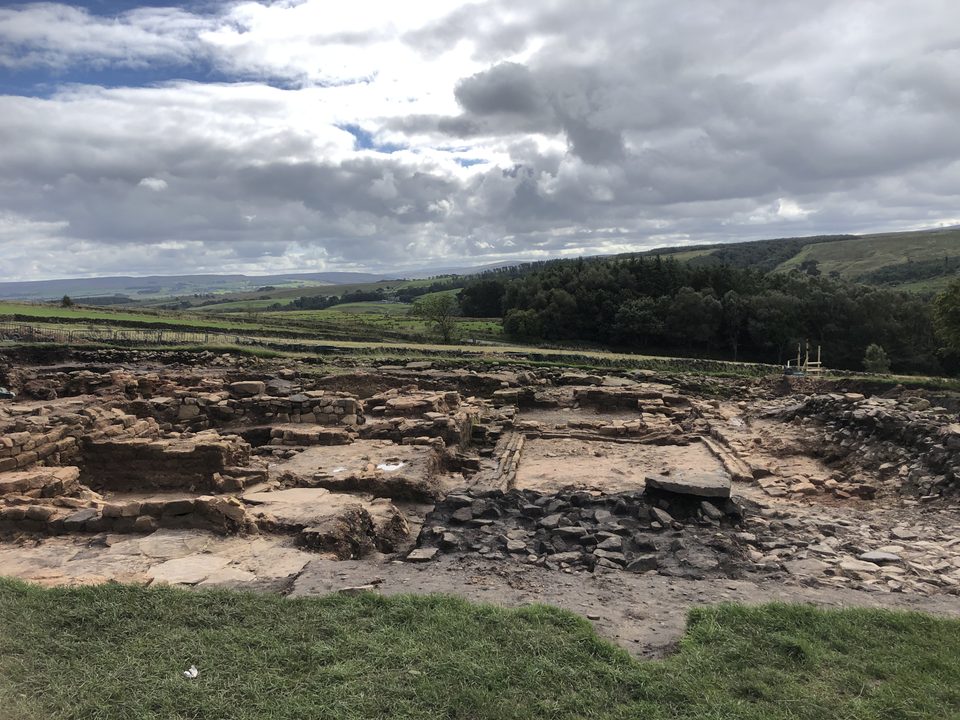
But Magna was far more than a military outpost. It was a vibrant frontier community where cultures from across the vast Roman Empire met and mixed. Among the troops stationed here were the renowned Syrian archers, recruited from lands thousands of miles away in the eastern provinces. Imagine soldiers from the sun-baked deserts of Syria standing guard amid the misty hills of northern Britain, speaking different languages and bringing their own customs, beliefs, and traditions to the edge of the known world.
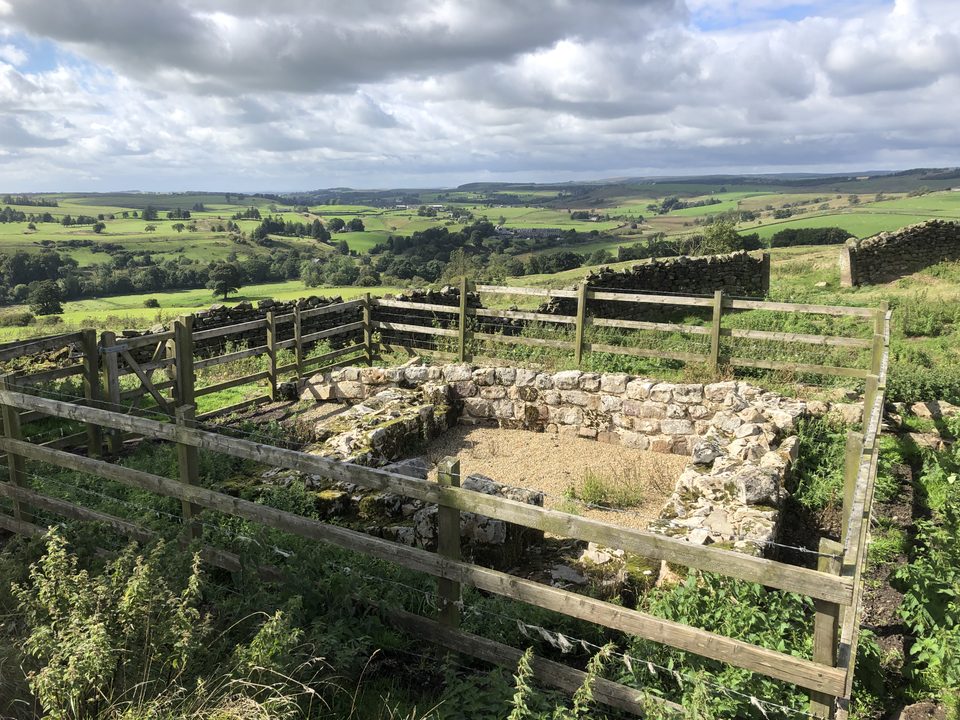
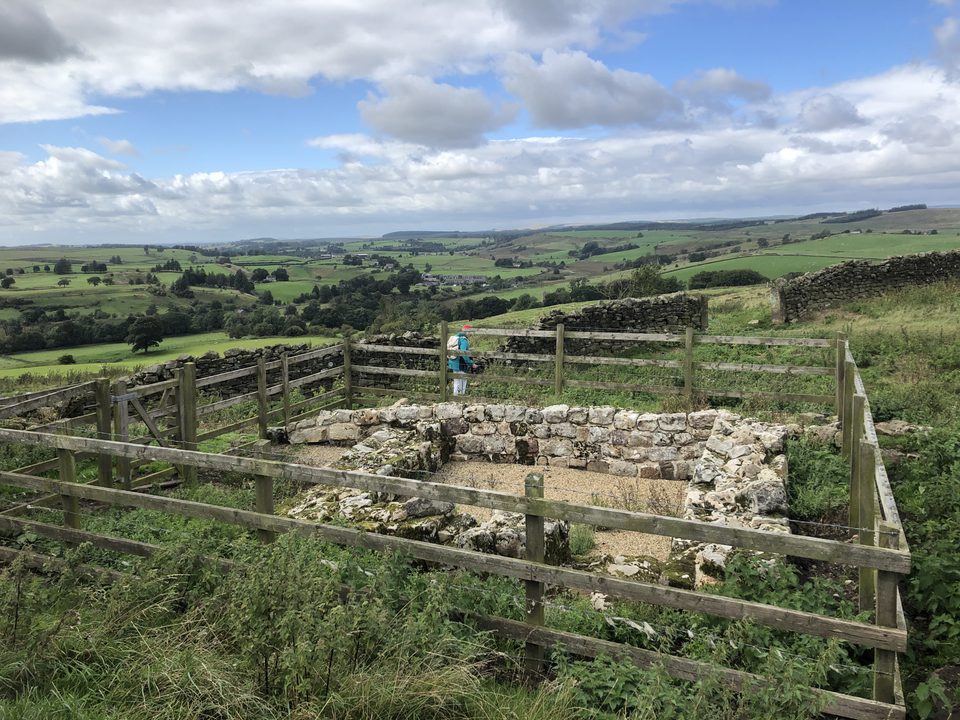
Beyond the fort’s walls stretched a bustling civilian settlement filled with merchants, craftsmen, taverns, and travellers. The constant flow of people along the Maiden Way and Stanegate roads transformed Magna into a thriving hub of commerce. Traders arriving from distant corners of Britain would have found food, shelter, and companionship here, creating a lively frontier town that may have been larger than many settlements surrounding other forts on Hadrian’s Wall.
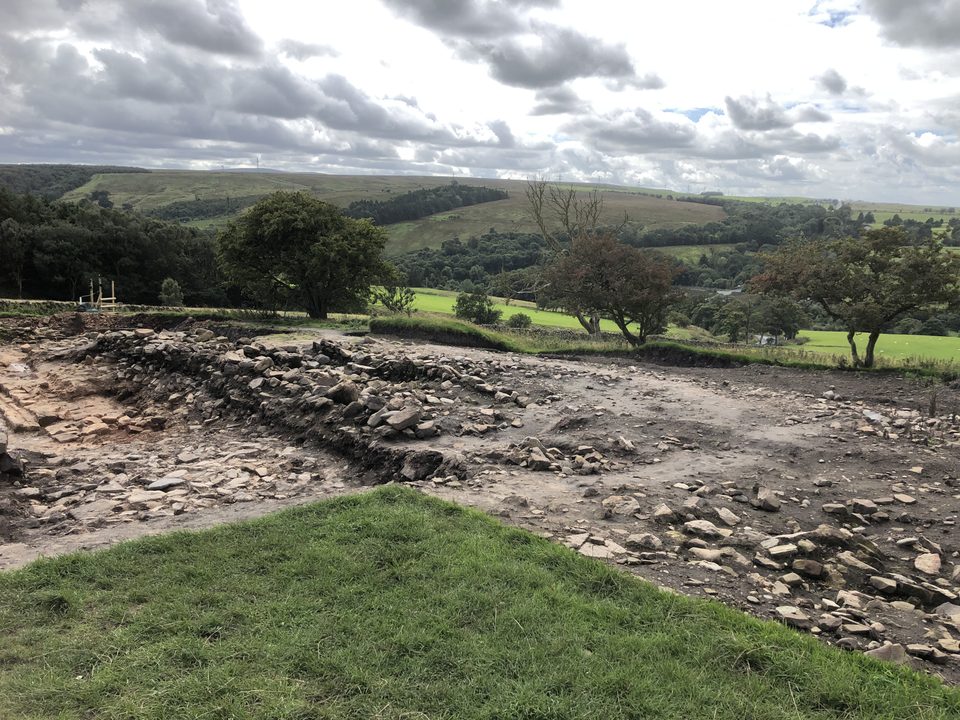
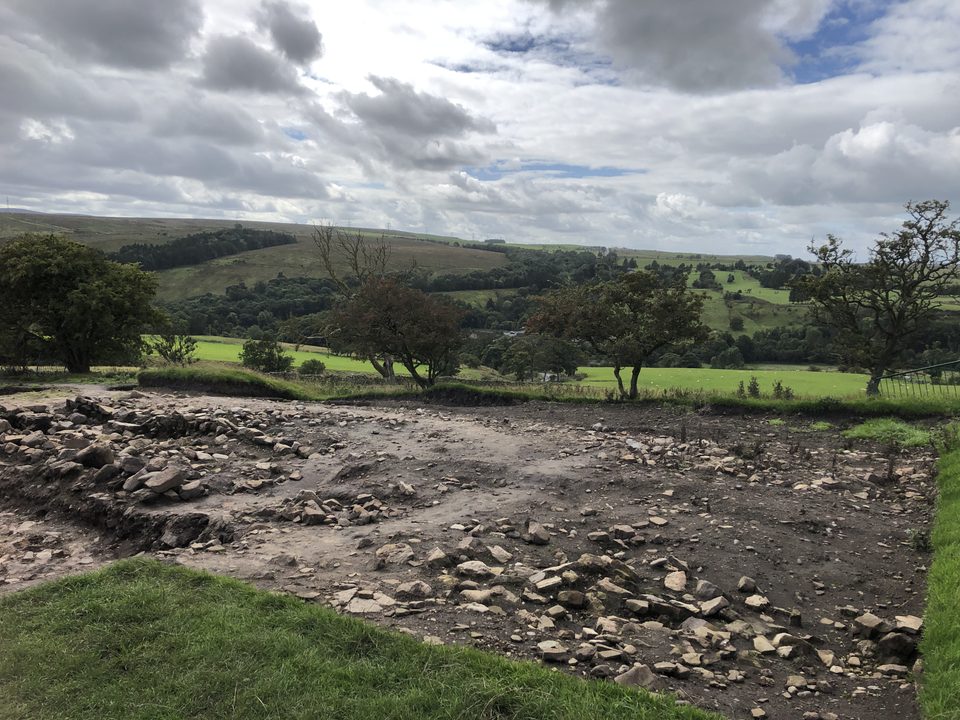
What makes Magna especially fascinating today is how much remains hidden beneath the ground. Unlike many Roman sites that have been extensively excavated, large parts of Magna remain unexplored. Archaeologists believe its waterlogged soils preserve extraordinary organic materials that rarely survive elsewhere, including wood, leather, textiles, and other everyday objects that can reveal intimate details of life nearly 2,000 years ago.
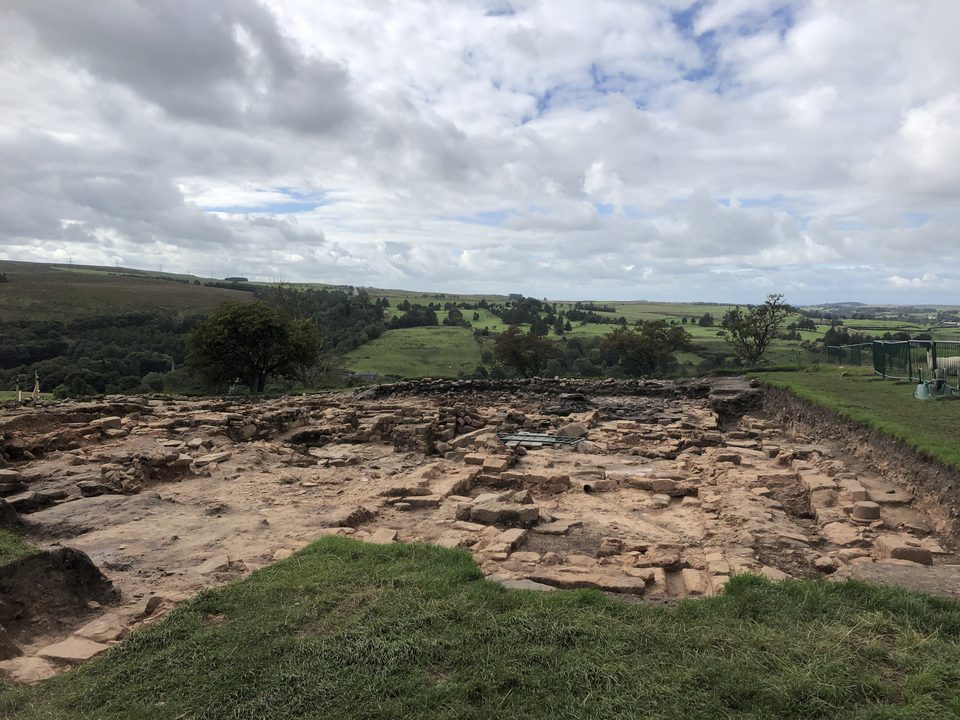
Recent excavations have already produced remarkable discoveries. Archaeologists have uncovered ancient Roman shoes, a rare terracotta head, and even a stone-lined grave containing human remains. Each find offers a tantalising glimpse into the lives of the people who lived, worked, traded, and died at this frontier outpost of the Roman Empire.
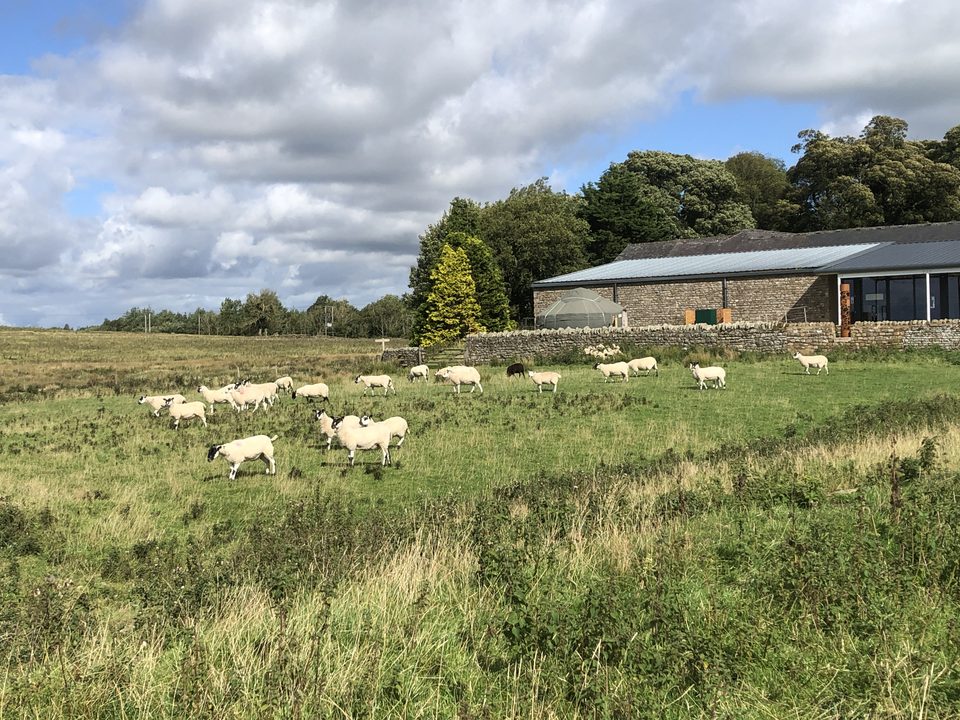
Today, Magna stands at the centre of one of the most exciting archaeological projects in Britain. As climate change threatens the preservation of its buried treasures, researchers race to uncover and protect the site’s fragile archaeology before it is lost forever. With every excavation season, the forgotten fortress reveals a little more of its story, transforming Magna from one of Hadrian’s Wall’s least-known forts into one of its most intriguing.
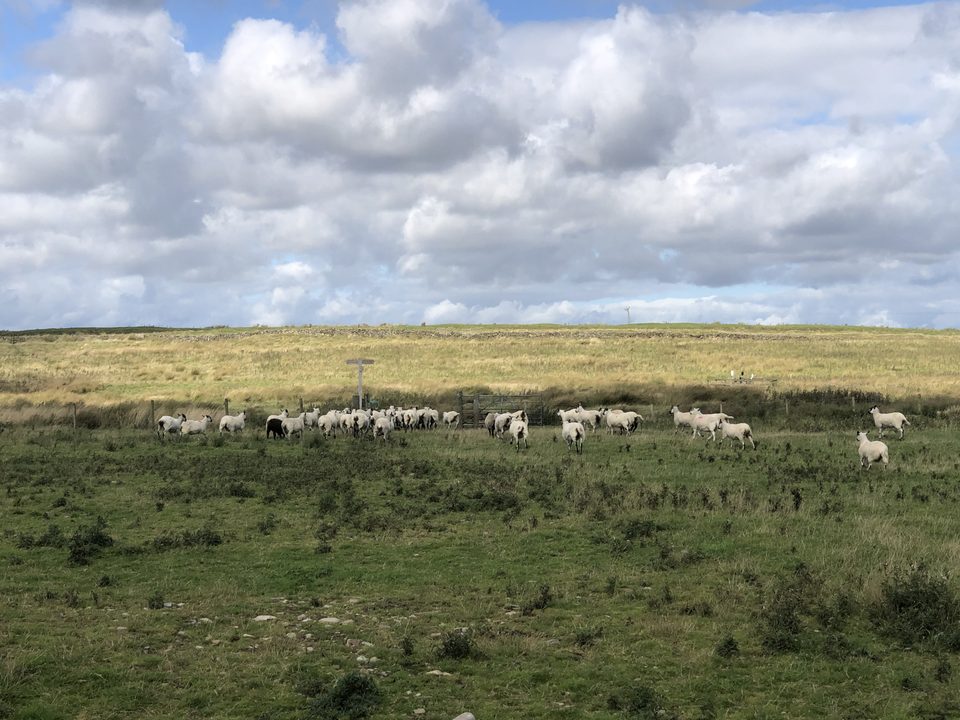
Magna is a place where history still sleeps beneath the soil, where every spadeful of earth has the potential to uncover a lost chapter of Roman Britain. For archaeologists and visitors alike, it remains a frontier of discovery, a hidden fortress whose greatest secrets may still lie waiting underground.

Text sources: [heritagefund.org.uk], [vindolanda.com], [romanarmymuseum.com]
Photos courtesy of Maria Bristoll
 Users Today : 29
 Users This Month : 568
 Users This Year : 28356
 Total Users : 53657
 Views This Year : 34572
 Total views : 69750
 Who's Online : 0