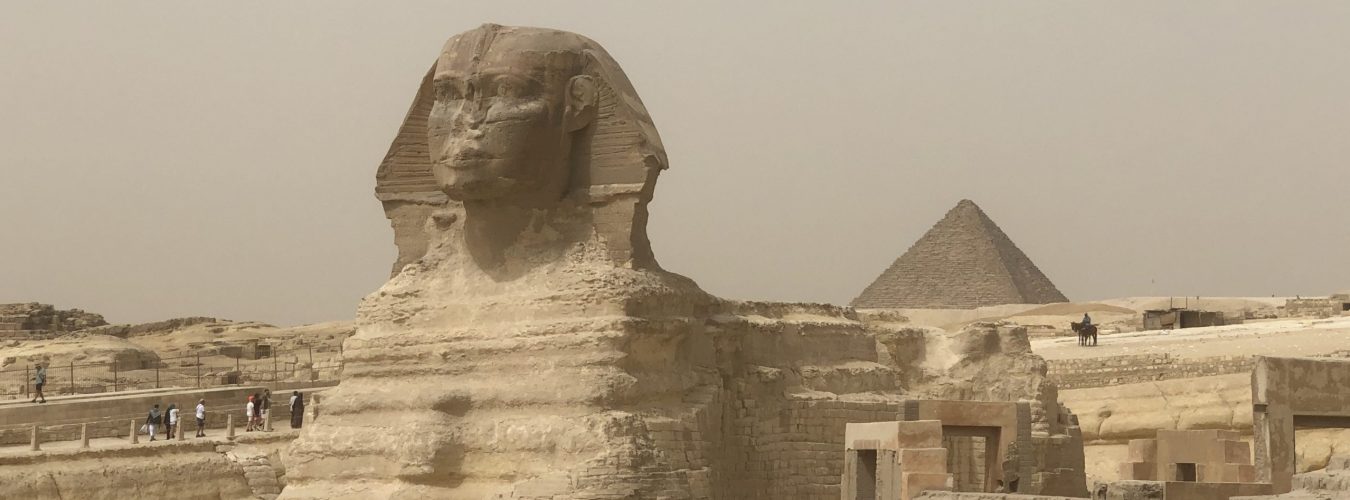
Imagine inheriting one of the greatest kingdoms on Earth, only to discover that its glory is already beginning to fade. That was the challenge facing Ramesses IV, the third pharaoh of Egypt’s Twentieth Dynasty, who ruled from approximately 1155 to 1149 BC. He was the son of Ramesses III, one of Egypt’s last great warrior kings, and inherited a kingdom struggling with economic troubles, corruption, and political unrest.
A Prince Marked for Destiny
Ramesses was not originally destined to become king. He became crown prince only after the death of his elder brother, Amenherkhepshef. From a young age, he was trained in government, military affairs, and religious duties, preparing him for the immense responsibility of ruling Egypt.
His rise to power came during a dramatic period. His father’s reign ended amid the infamous Harem Conspiracy, a palace plot involving royal family members and court officials who sought to overthrow the king. Although the conspiracy failed, it left Egypt politically shaken. Ramesses IV ascended the throne determined to restore stability and strength.
The Builder King
Unlike his warrior father, Ramesses IV believed that magnificent construction projects could revive Egypt’s fortunes. Soon after becoming king, he launched ambitious building programs across the country. He expanded temples, completed parts of the Karnak Temple Complex, and planned enormous monuments designed to remind his people of Egypt’s former greatness.
One of his most remarkable achievements was organizing massive expeditions to Wadi Hammamat, a desert quarry famous for its valuable stone. One expedition reportedly involved more than 8,000 people, including thousands of soldiers, workers, and craftsmen. Such operations were among the largest ever recorded in ancient Egypt.
Racing Against Time
Yet Ramesses IV faced a problem no king could conquer: time.
Egypt’s wealth was declining, government officials were gaining too much power, and the influence of powerful priests was growing. Despite his energy and ambition, many of his grand building projects remained unfinished. His reign lasted only about six and a half years, far too short to reverse the empire’s gradual decline.
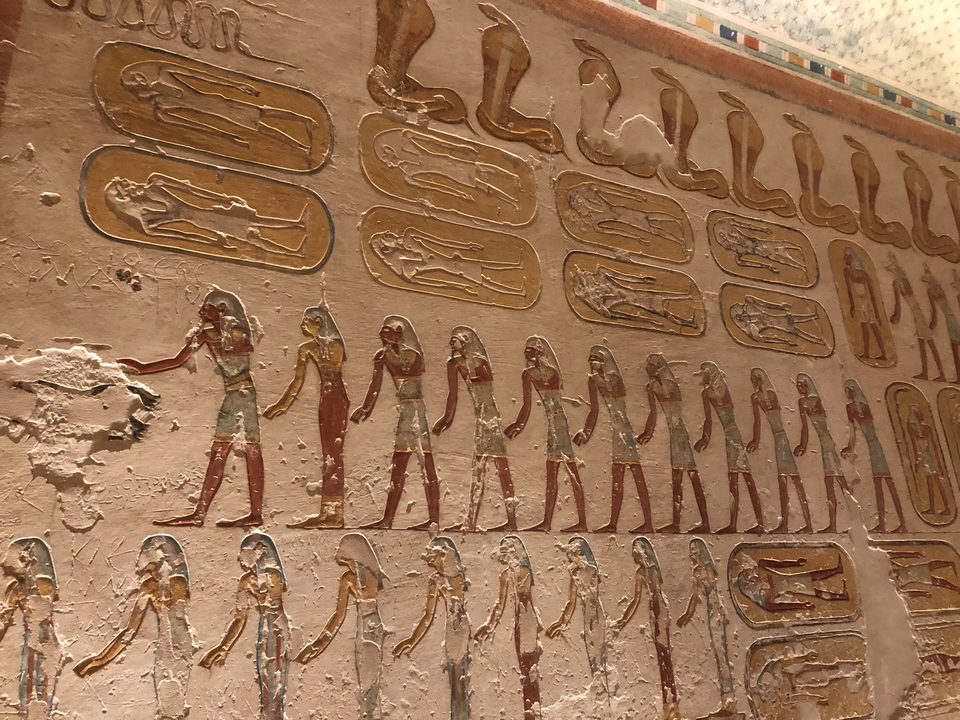
Historians often see him as a ruler caught between two worlds: the magnificent age of empire that his ancestors built and the slow unraveling that would follow. He fought against decline not with armies, but with vision, construction, and determination.
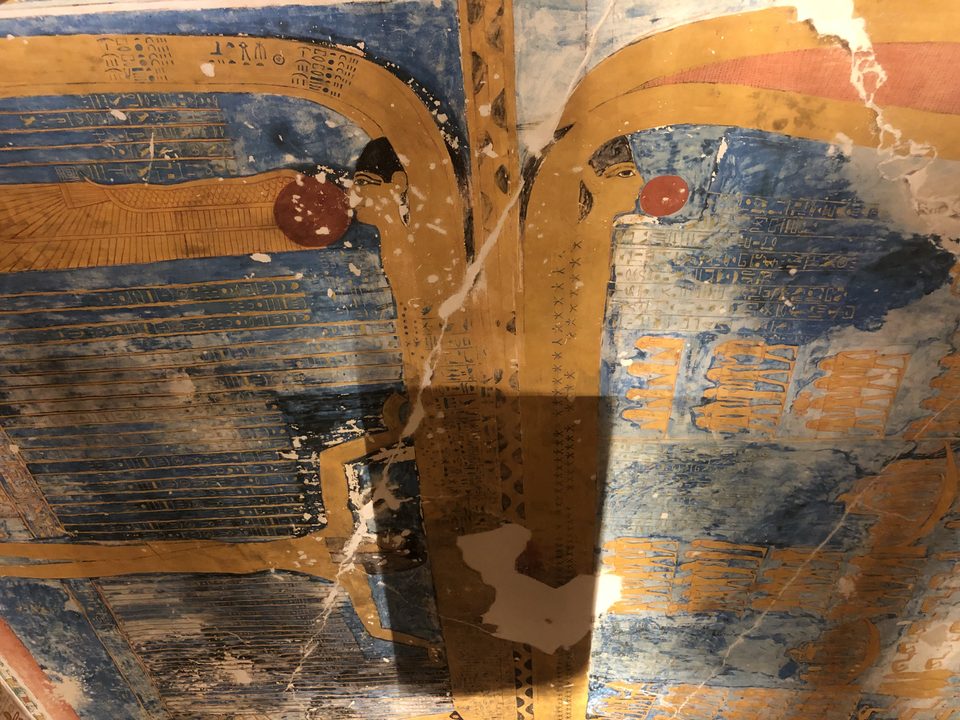
The Tomb That Tells His Story
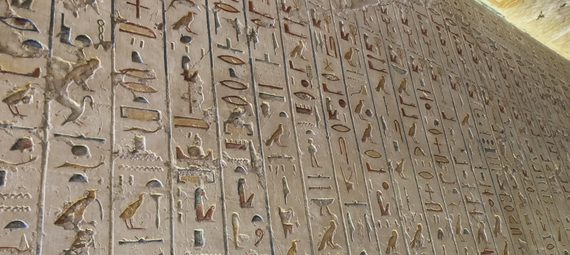
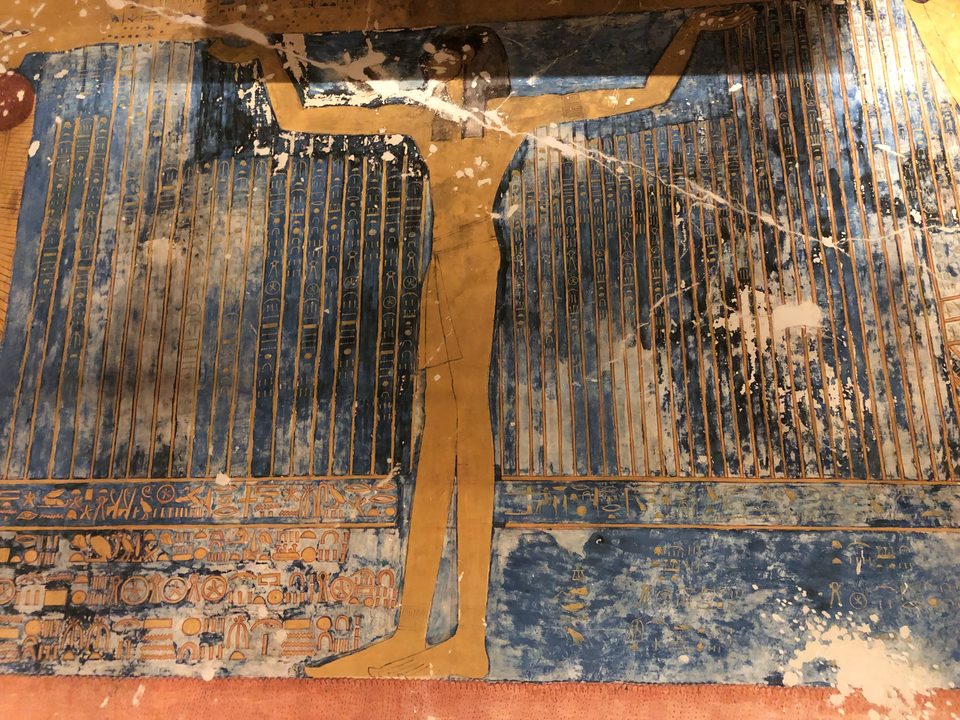
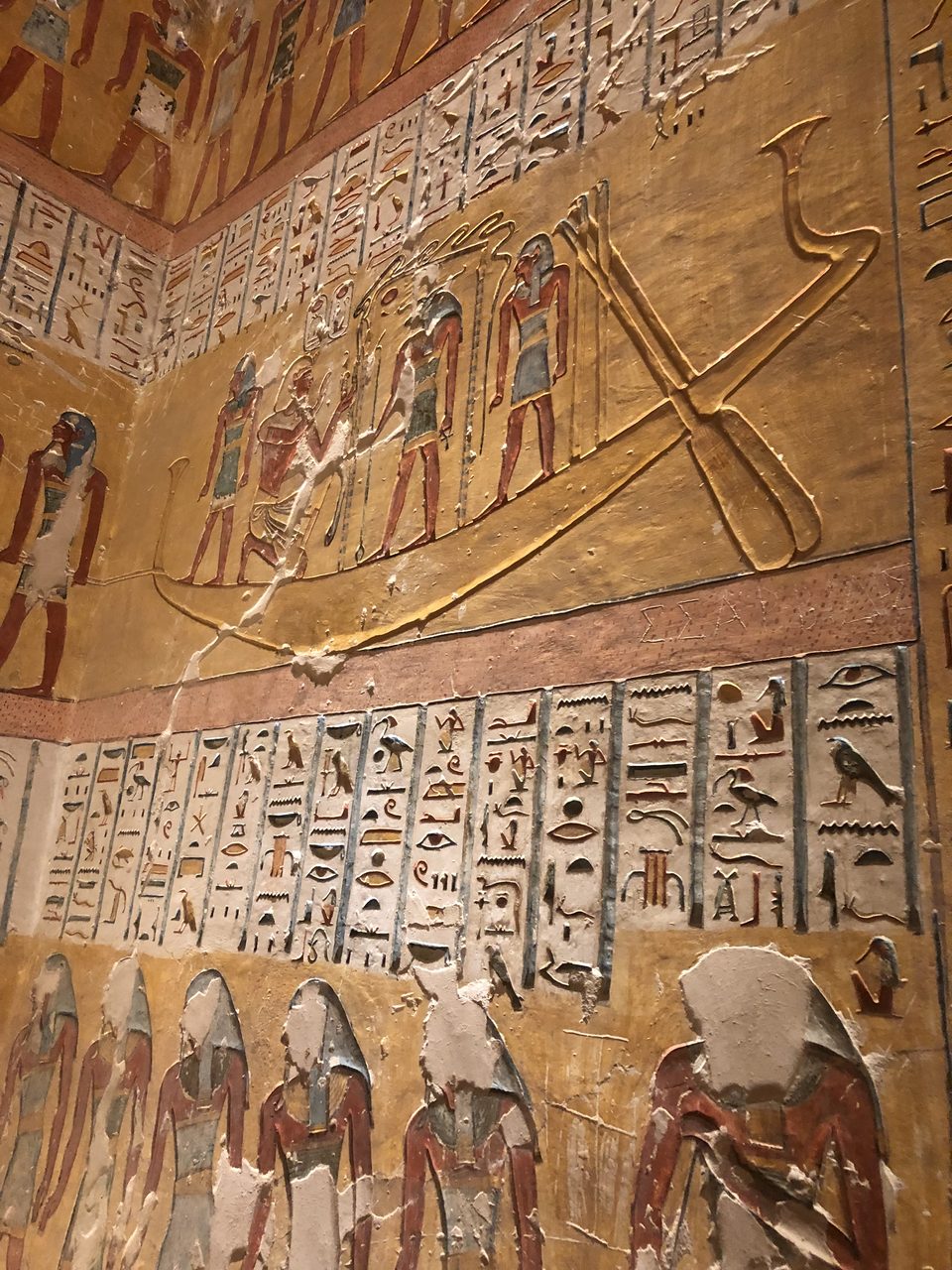
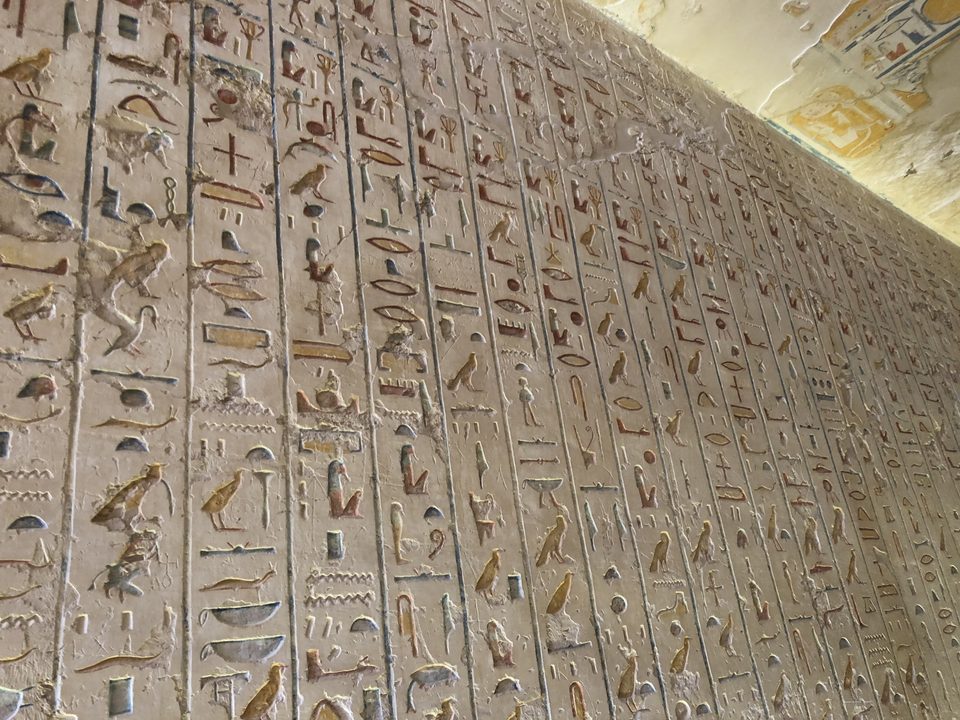
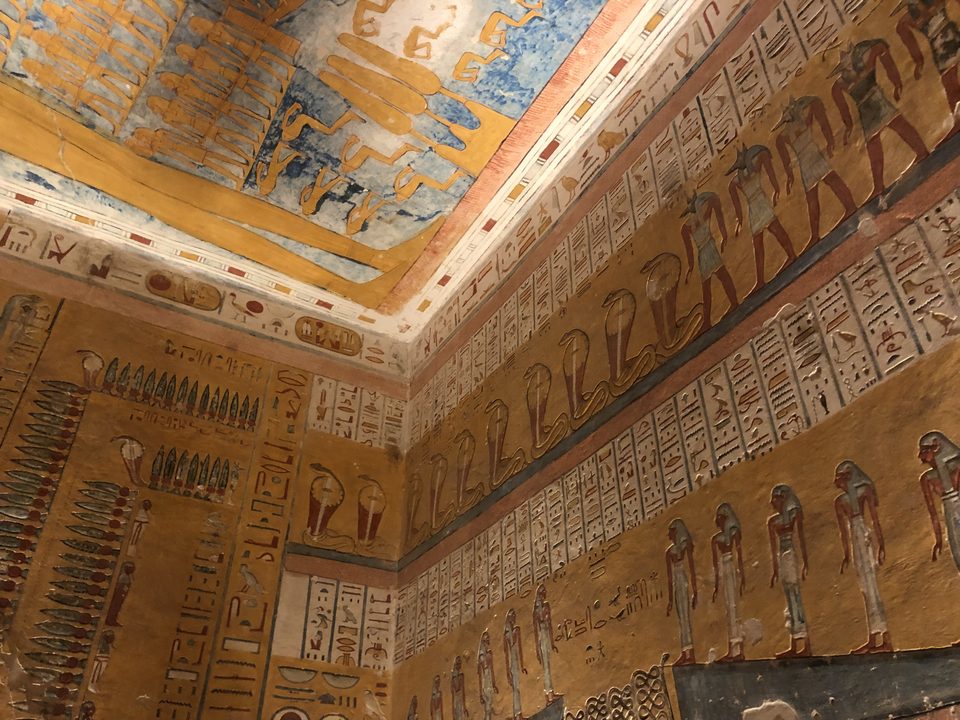
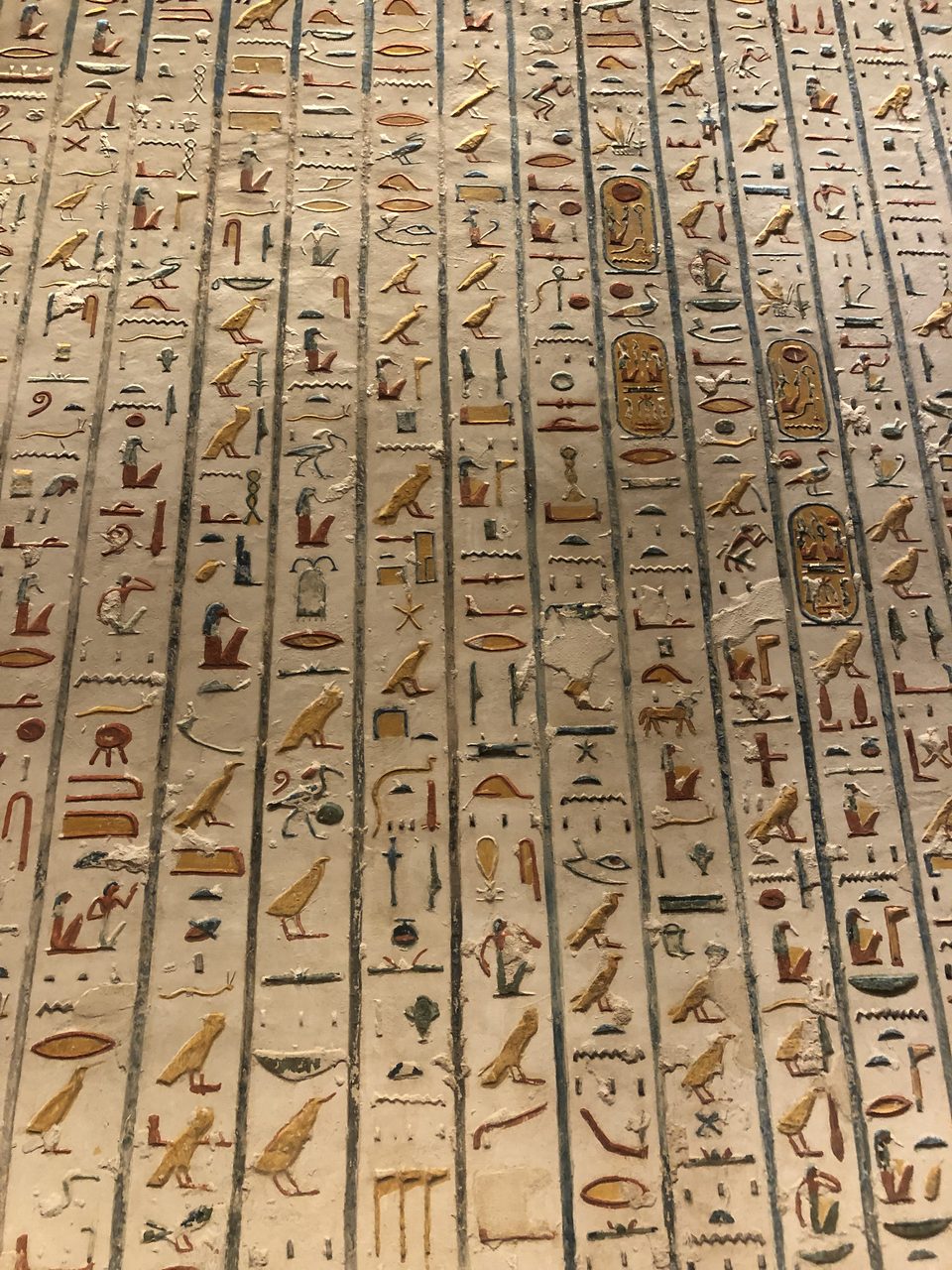
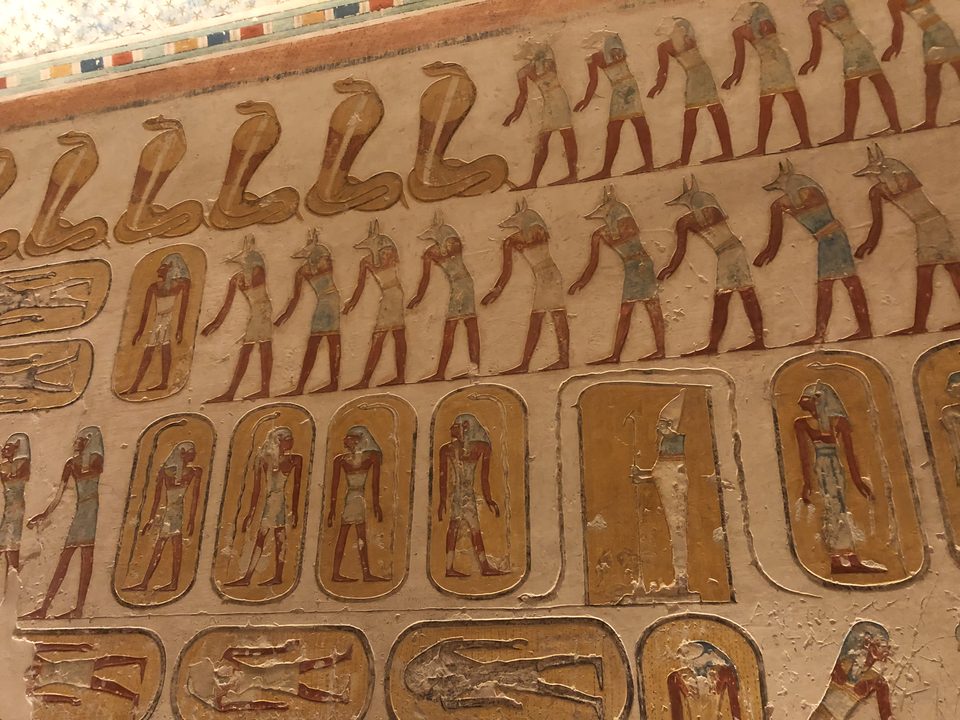
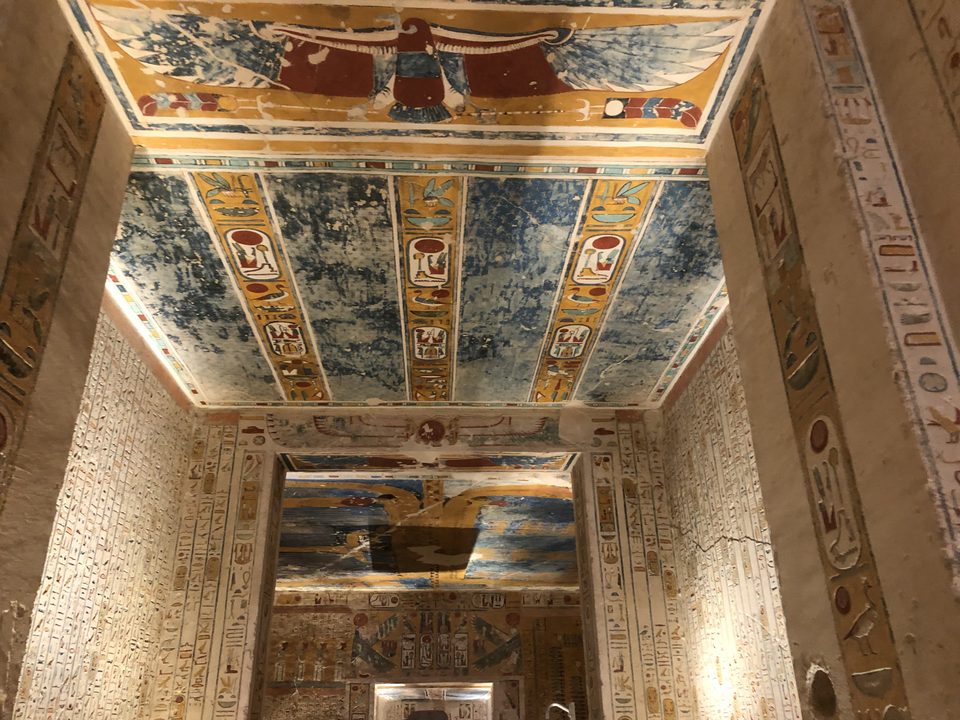
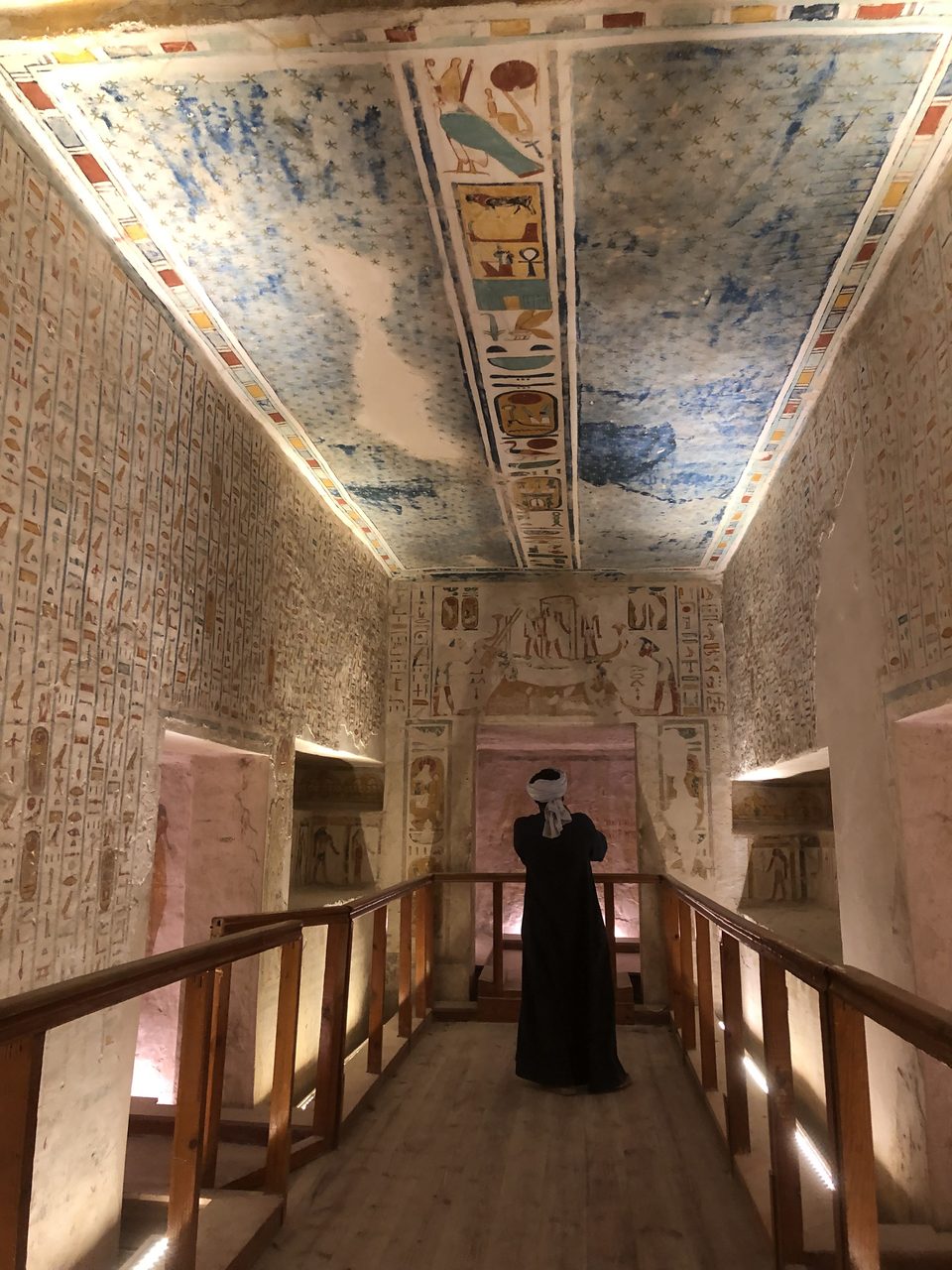
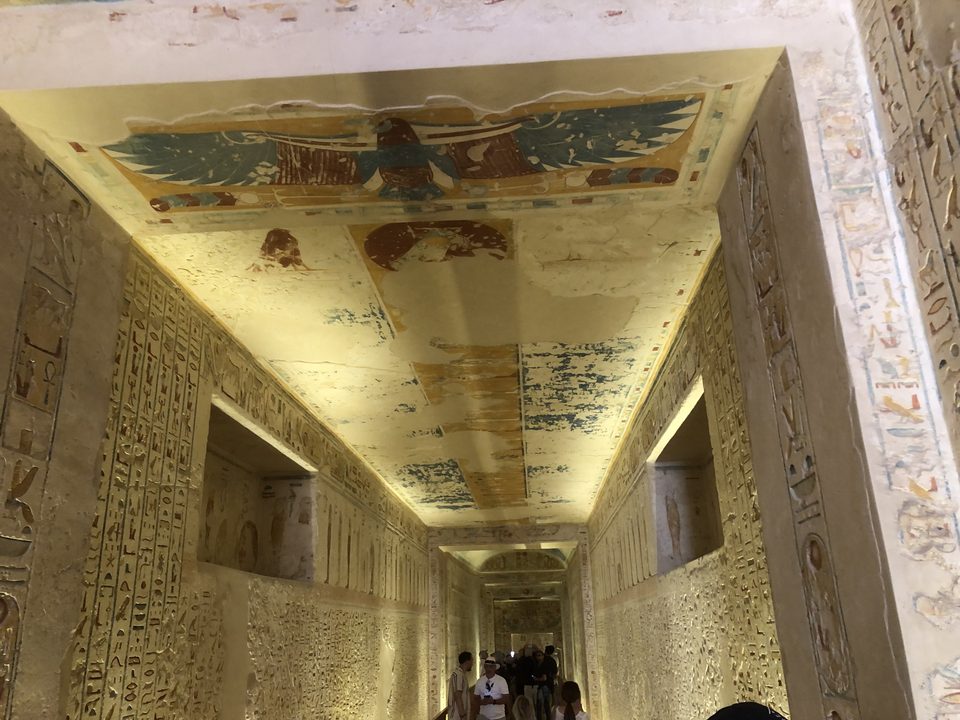
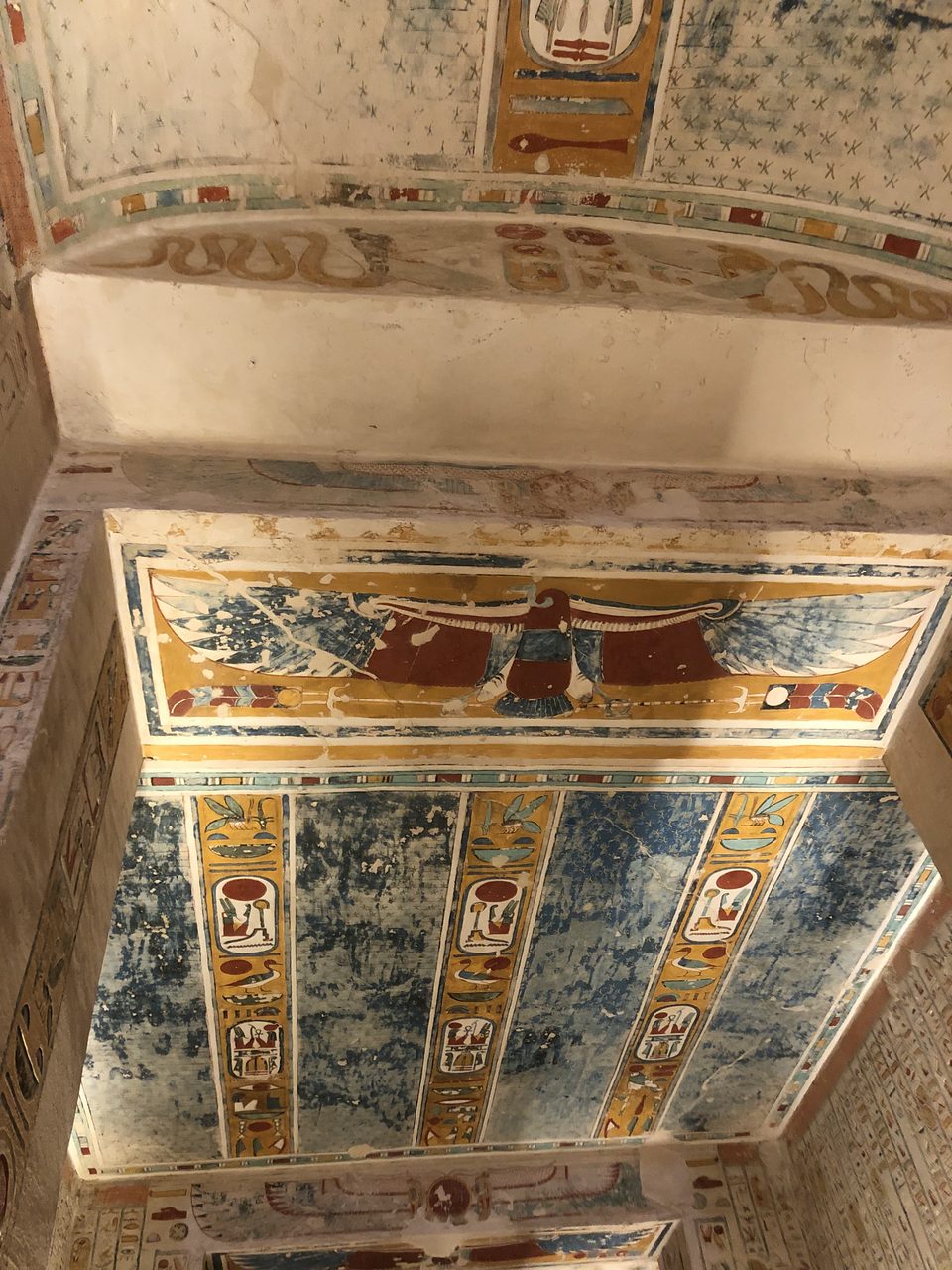
Today, Ramesses IV is perhaps best known for his tomb, KV2 in the Valley of the Kings. Unlike many royal tombs damaged over the centuries, KV2 remains relatively well preserved.
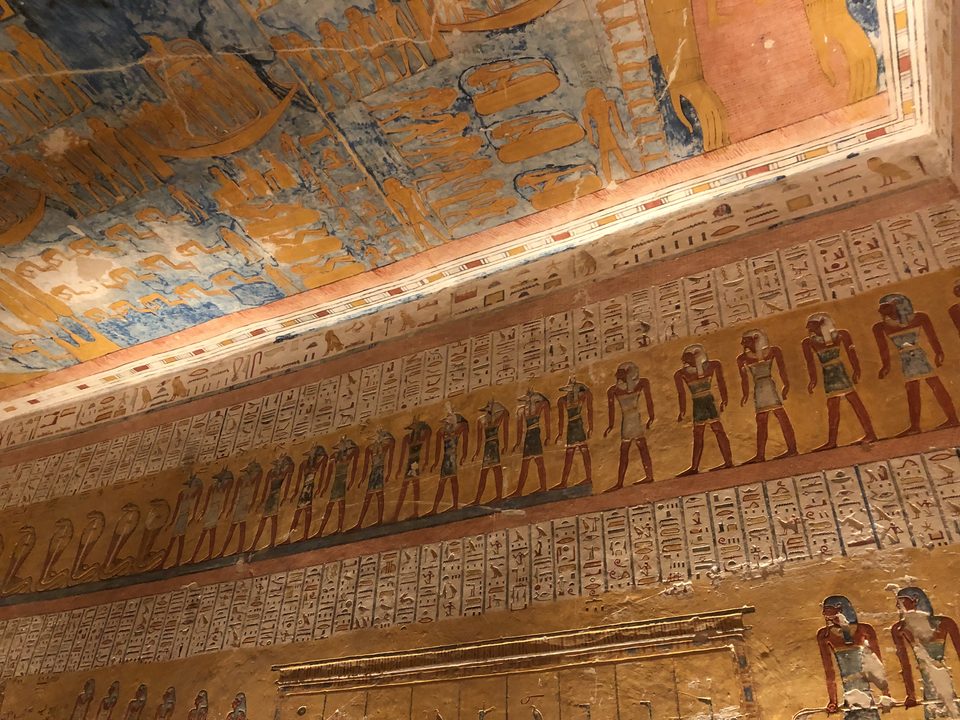
Its walls are covered with colorful religious texts and artwork designed to guide the king through the afterlife. Walking through its corridors today, visitors can still sense the ambition of a pharaoh who dreamed of restoring Egypt’s greatness.
Legacy
Ramesses IV was not Egypt’s most powerful pharaoh, nor its most famous. Yet his story is one of determination in the face of decline. He inherited a troubled kingdom, launched some of the largest construction and quarrying projects of his era, and worked tirelessly to revive Egypt’s fortunes.
Though he ultimately ran out of time, his efforts left behind monuments, inscriptions, and a fascinating legacy of a king striving to hold back the tide of history.
In many ways, Ramesses IV was Egypt’s last great optimist: a ruler who believed that even a fading empire could rise again.
Source texts: Wikipedia, britannica.com, historyegypt.org, exploreluxor.org
Photos by Maria Bristoll (please quote the website https://mariabristoll.com/)
 Users Today : 34
 Users This Month : 1391
 Users This Year : 27526
 Total Users : 52827
 Views This Year : 33467
 Total views : 68645
 Who's Online : 0