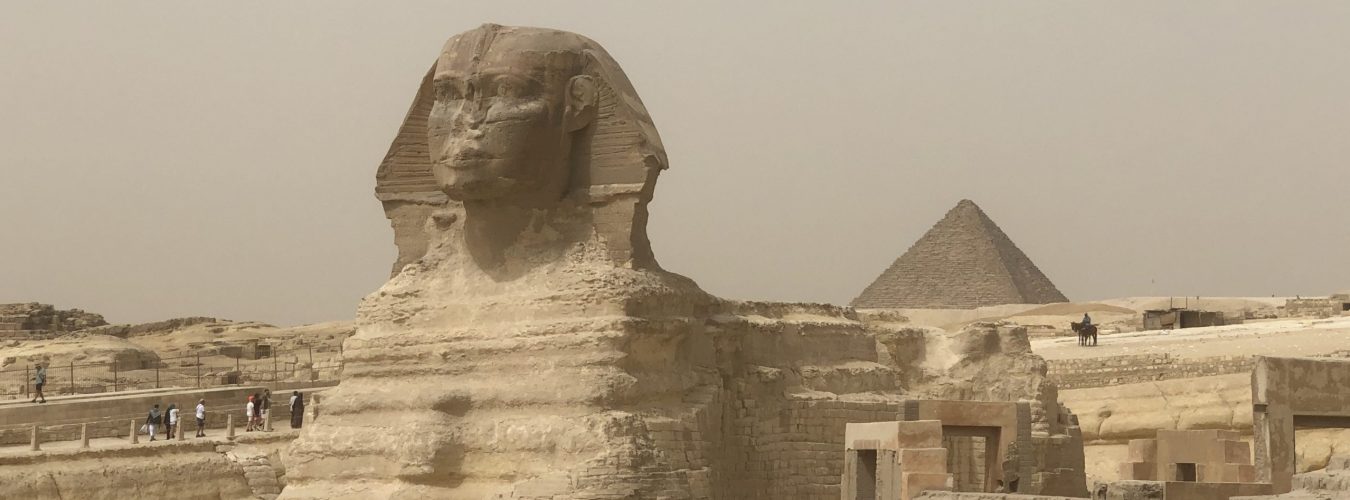
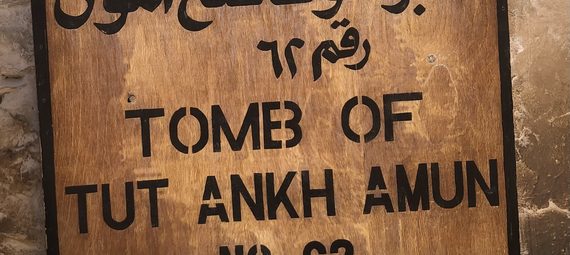
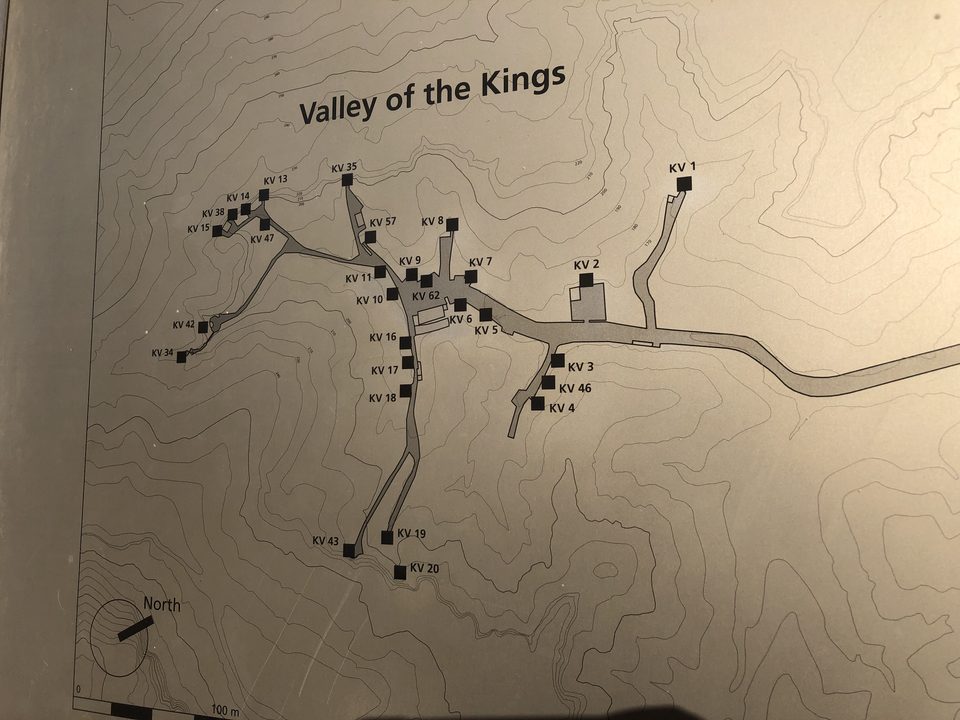
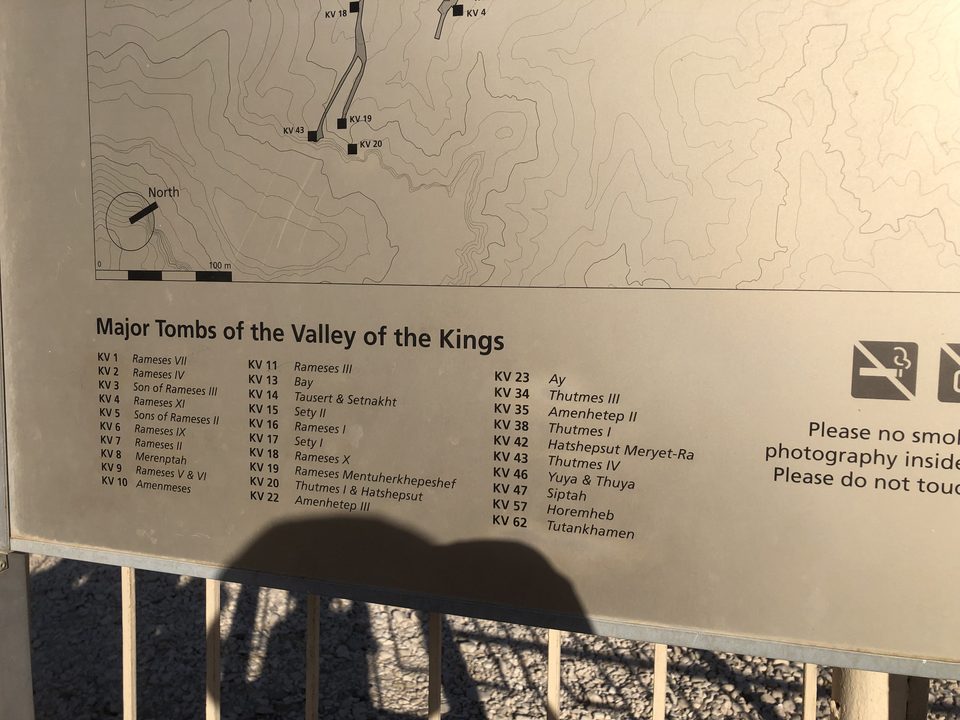
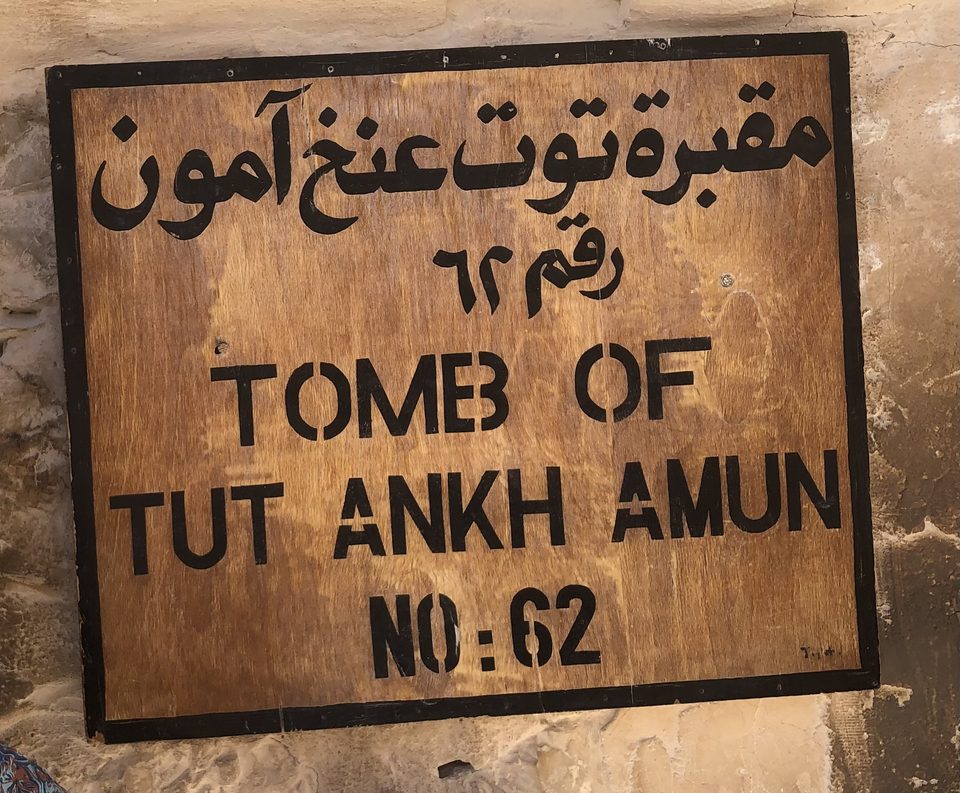
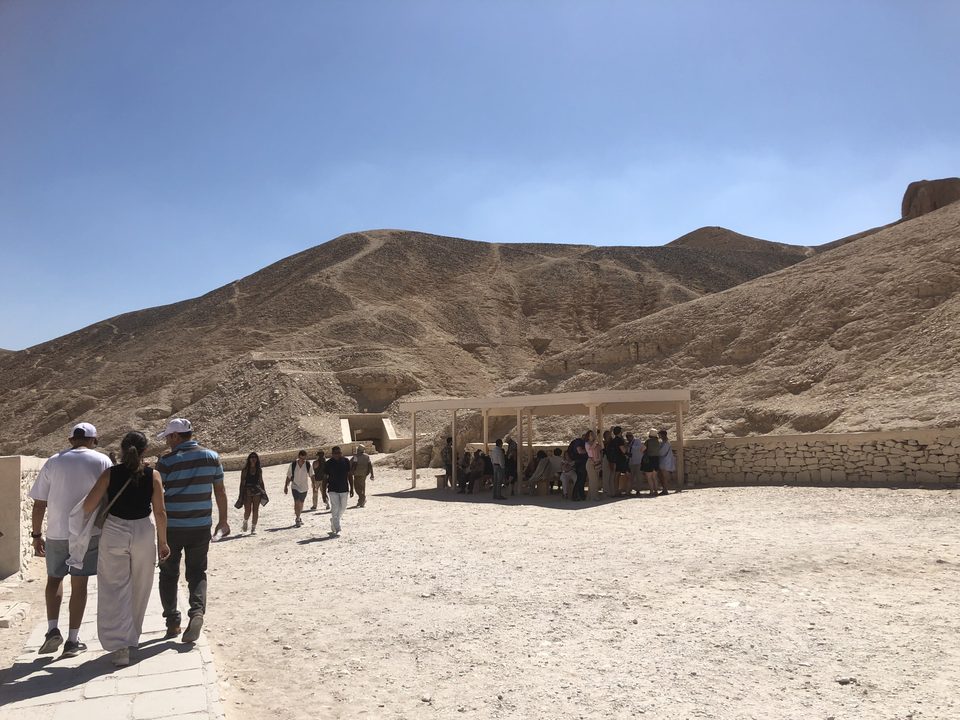
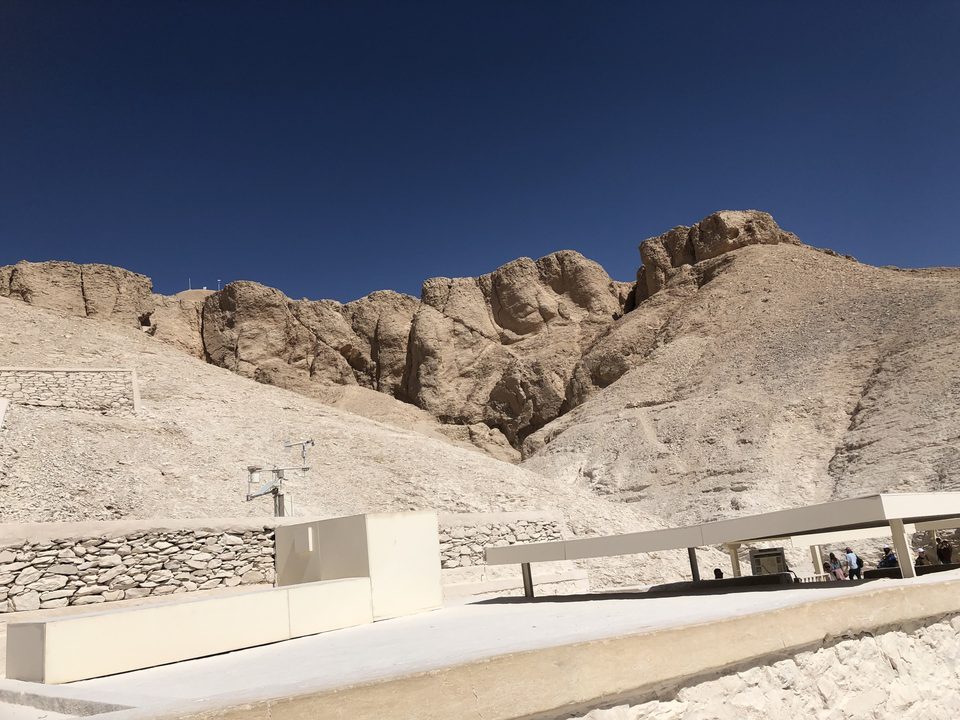
Hidden beneath the golden sands of the Valley of the Kings lies one of the most famous tombs ever discovered: the Tomb of Tutankhamun, known as KV62. Although Tutankhamun was a relatively minor pharaoh who ruled Egypt for only a short time, his tomb became the greatest archaeological treasure ever found, offering an extraordinary glimpse into the wealth, beliefs, and daily life of ancient Egypt.
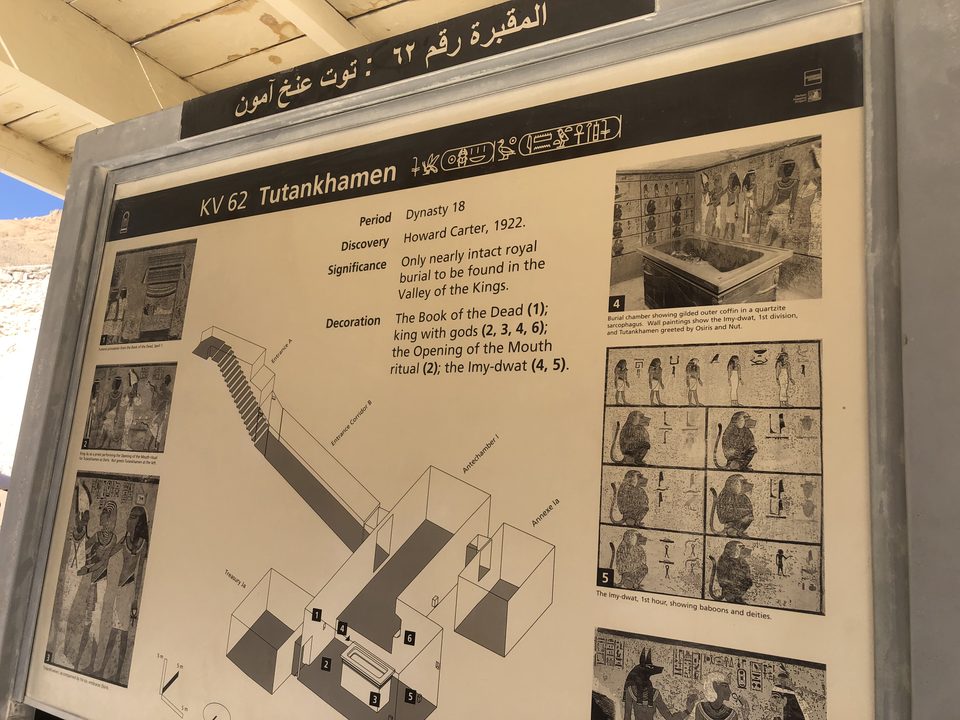
A Boy King’s Final Resting Place
Tutankhamun became pharaoh around the age of nine during Egypt’s 18th Dynasty and ruled from approximately 1332 to 1323 BCE. His reign was brief, and he died suddenly at about eighteen or nineteen years old. Because of his unexpected death, historians believe that his tomb was originally intended for someone else and had to be adapted quickly for the young king’s burial.
Unlike the vast and elaborate tombs of powerful rulers such as Ramesses II or Seti I, Tutankhamun’s tomb is relatively small. Yet what it lacked in size, it more than made up for in riches. The tomb was packed with thousands of precious objects intended to accompany the king into the afterlife.
Lost for More Than 3,000 Years
After Tutankhamun’s burial, the entrance to the tomb was gradually buried beneath rubble and debris from later construction in the Valley of the Kings. Over time, its location was forgotten.
For more than three millennia, grave robbers plundered many royal tombs, stripping them of their treasures. Remarkably, Tutankhamun’s tomb escaped largely untouched. Although there is evidence that ancient thieves entered the tomb shortly after the burial, they stole only a small number of items before it was resealed.
This stroke of luck preserved an unparalleled snapshot of ancient Egyptian royal life.
Howard Carter’s Astonishing Discovery
On 4 November 1922, British archaeologist Howard Carter discovered the first steps leading to the hidden tomb. Sponsored by Lord Carnarvon, Carter had spent years searching the Valley of the Kings, convinced that Tutankhamun’s burial place remained undiscovered.
When Carter finally peered through a small hole into the tomb, Carnarvon famously asked if he could see anything.
Carter replied:
“Yes, wonderful things.”
The discovery captivated the world and became one of the most celebrated archaeological finds in history.
The Golden Treasures
More than 5,000 artefacts were recovered from the tomb. These treasures included:
- Golden shrines and coffins
- Elaborately decorated chariots
- Thrones and ceremonial furniture
- Jewellery made of gold and precious stones
- Weapons, bows, and hunting equipment
- Clothing, sandals, and everyday objects
- Food and wine prepared for the afterlife
The most iconic object was Tutankhamun’s golden funerary mask. Weighing over 10 kilograms of solid gold and inlaid with lapis lazuli and coloured glass, the mask has become a symbol of ancient Egypt itself.
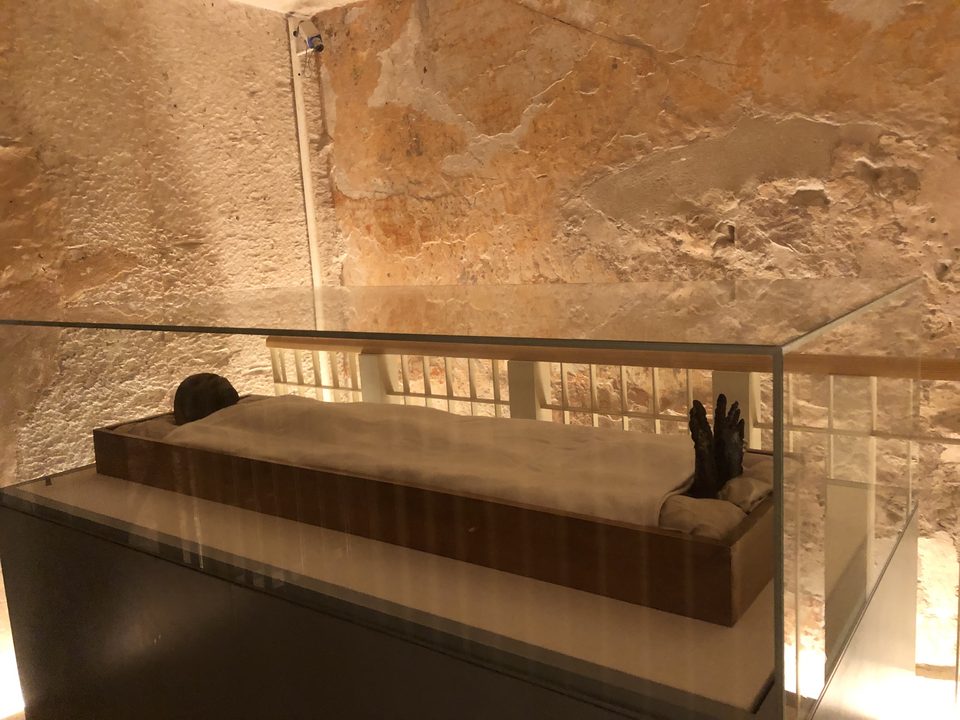
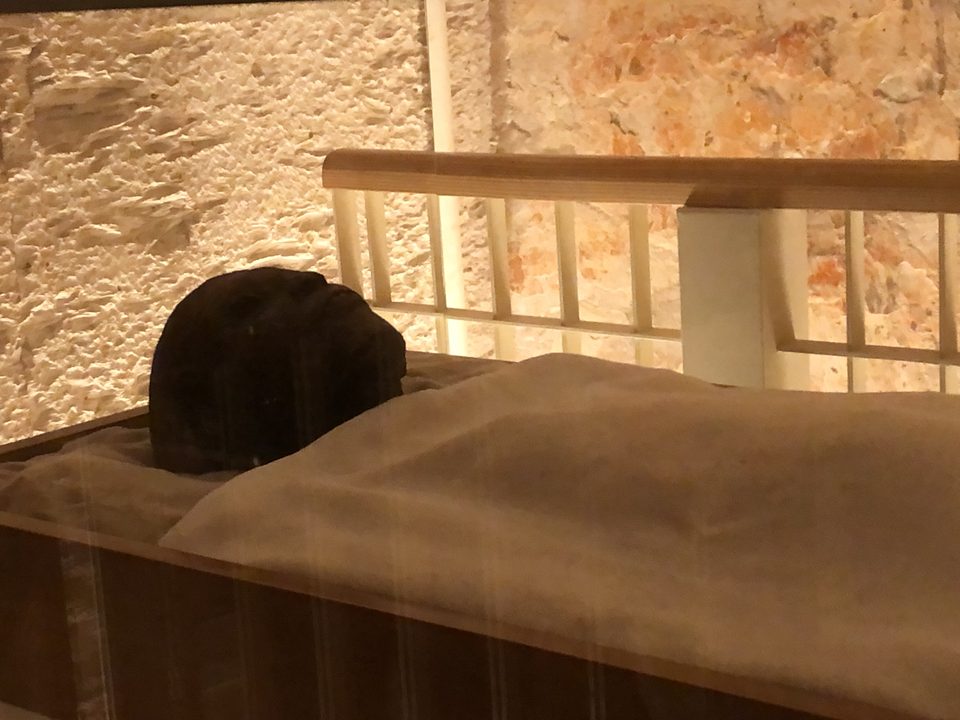
Inside a series of nested shrines and coffins lay the king’s mummified body, protected by incredible craftsmanship and religious symbolism.
The Tomb’s Decorations
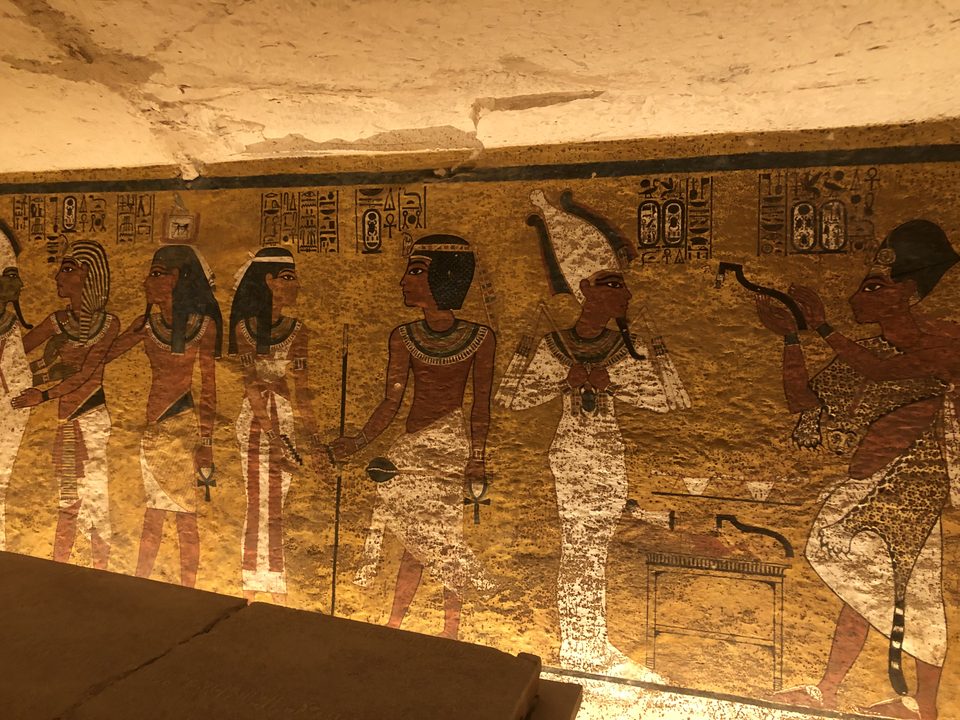
The burial chamber is the only room in the tomb decorated with wall paintings. The scenes depict key moments in the king’s journey to the afterlife.
The paintings show:
- Tutankhamun being welcomed by the gods.
- Rituals performed during his funeral.
- His successor, Ay, carrying out the Opening of the Mouth ceremony.
- The king embracing Osiris, ruler of the underworld.
Although simpler than the decorations found in larger royal tombs, these paintings possess a striking beauty and provide valuable insight into Egyptian religious beliefs.
The Mystery of Tutankhamun’s Death
The young pharaoh’s death remains one of Egyptology’s greatest mysteries. Over the years, theories have suggested murder, an accident, or disease.
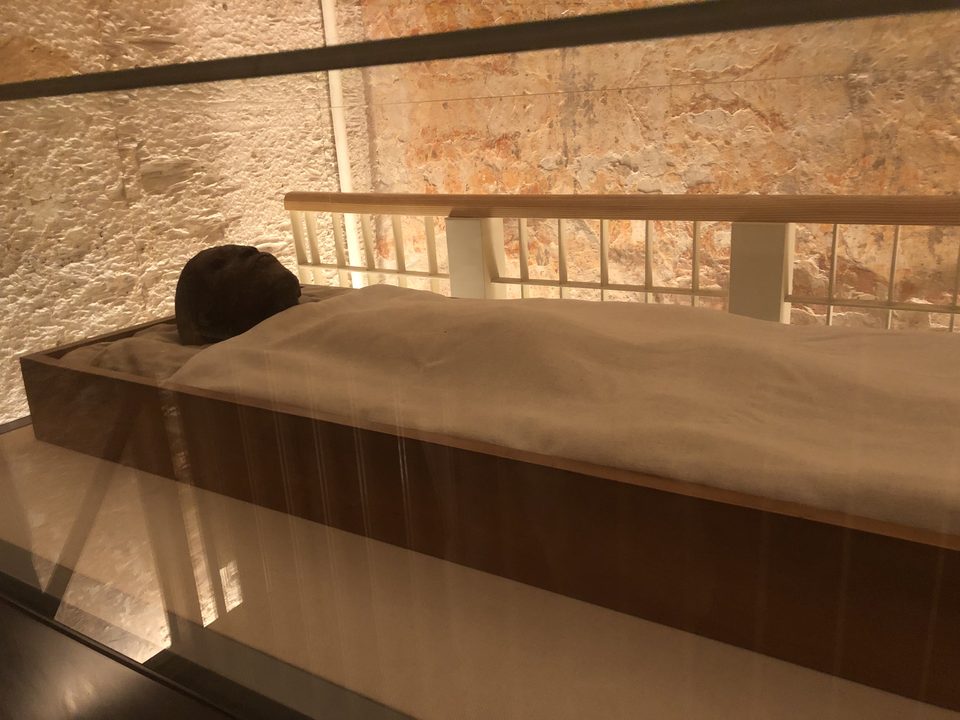
Modern scientific studies of his mummy indicate that Tutankhamun may have suffered from several health problems, including a clubfoot and malaria. While no single cause of death has been definitively proven, many experts believe a combination of illness and injury may have contributed to his early death.
The Curse of the Pharaoh
Following the discovery, newspapers sensationalised stories of a “curse” that would strike anyone who disturbed the king’s tomb. When Lord Carnarvon died a few months after the opening of the tomb, rumours spread rapidly around the world.
However, there is no evidence that a supernatural curse existed. Most people involved in the excavation lived long lives, including Howard Carter himself, who died nearly seventeen years after the discovery.
A Window into Ancient Egypt
The importance of Tutankhamun’s tomb cannot be overstated. Because it was found almost intact, archaeologists gained a unique opportunity to study the material culture of ancient Egypt in extraordinary detail.
The tomb revealed not only the splendour of royal life but also the religious beliefs surrounding death and the afterlife. Every object, from magnificent gold treasures to simple sandals and toys, tells the story of a civilization obsessed with eternity.
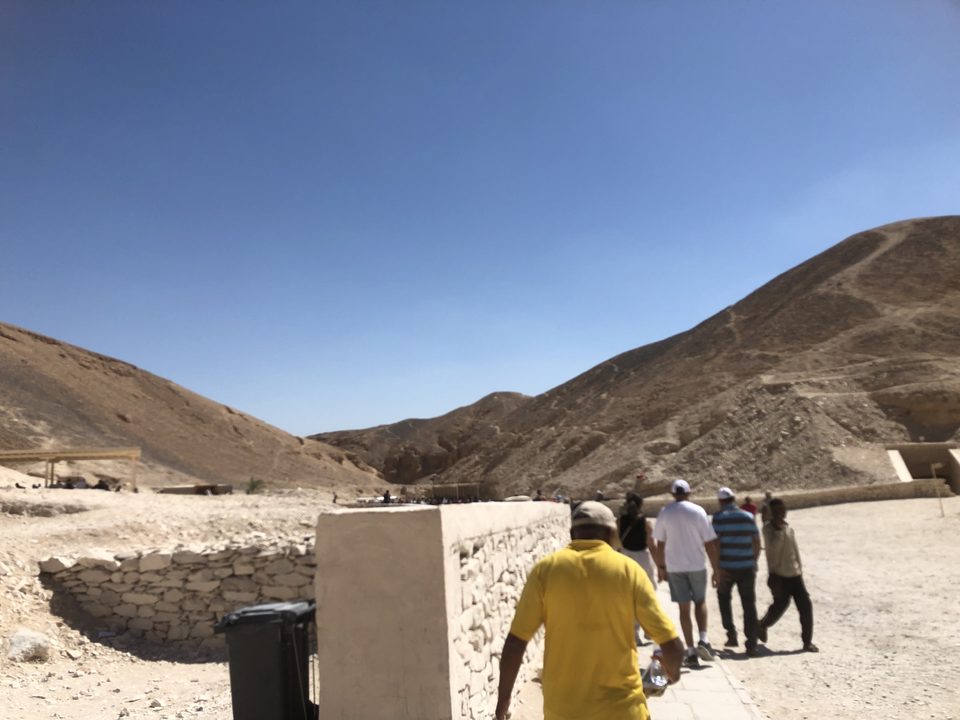
Today, the Tomb of Tutankhamun remains one of the world’s most fascinating archaeological sites. More than a century after its discovery, the treasures of the boy king continue to inspire wonder, reminding us that sometimes the greatest discoveries are hidden just beneath the sands of time.
The Tomb of Merneptah (KV8)
The Tomb of Merneptah (KV8) is located in the Valley of the Kings near Luxor and served as the final resting place of Pharaoh Merneptah, the son and successor of Ramesses II. Built during the 19th Dynasty, it is one of the largest royal tombs in the valley, featuring long corridors and a vast burial chamber.
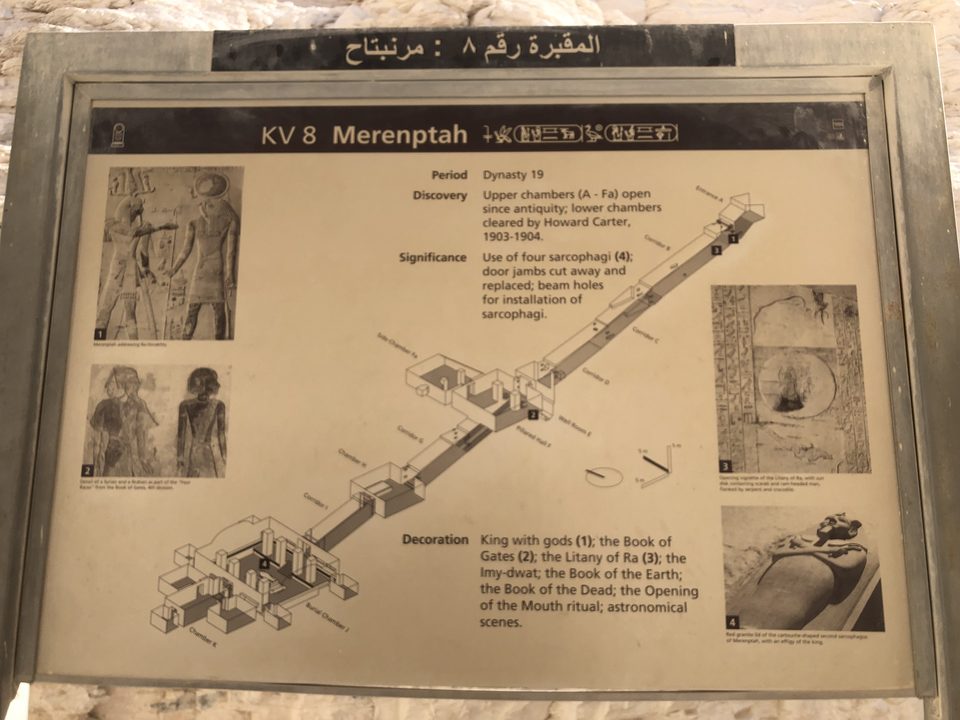
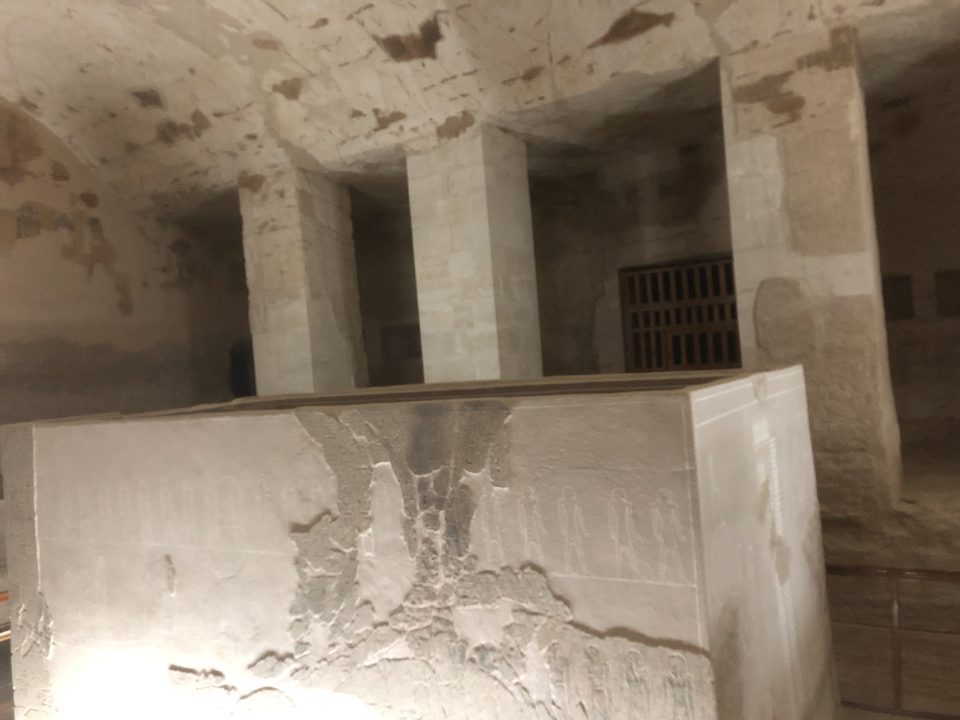
The tomb is particularly famous for its enormous stone sarcophagi. Merneptah was buried within a series of nested stone coffins, some so large that parts of the tomb had to be widened to accommodate them. Fragments of these impressive sarcophagi can still be seen today.
The walls of KV8 are decorated with scenes and texts from ancient Egyptian funerary books, including the Book of Gates and the Amduat. These sacred texts were intended to guide the king safely through the underworld and help him achieve eternal life alongside the gods.
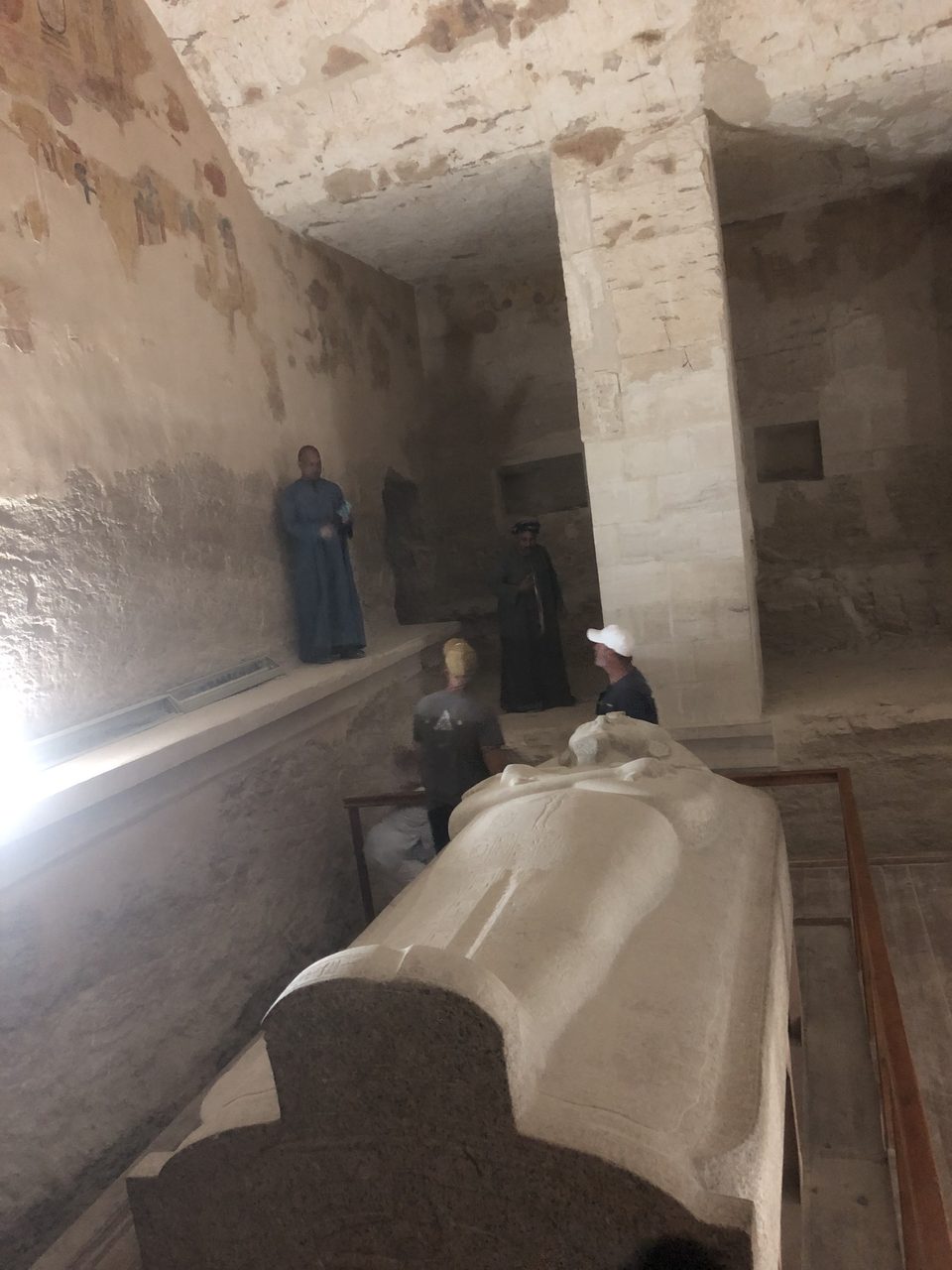
Although the tomb was damaged by floods and robbed in antiquity, it remains an important monument of the Ramesside period. Merneptah’s mummy was later moved for protection and was eventually discovered in the royal cache at Deir el-Bahari, providing Egyptologists with valuable insights into one of Egypt’s last great warrior kings.
 Users Today : 30
 Users This Month : 569
 Users This Year : 28357
 Total Users : 53658
 Views This Year : 34574
 Total views : 69752
 Who's Online : 0