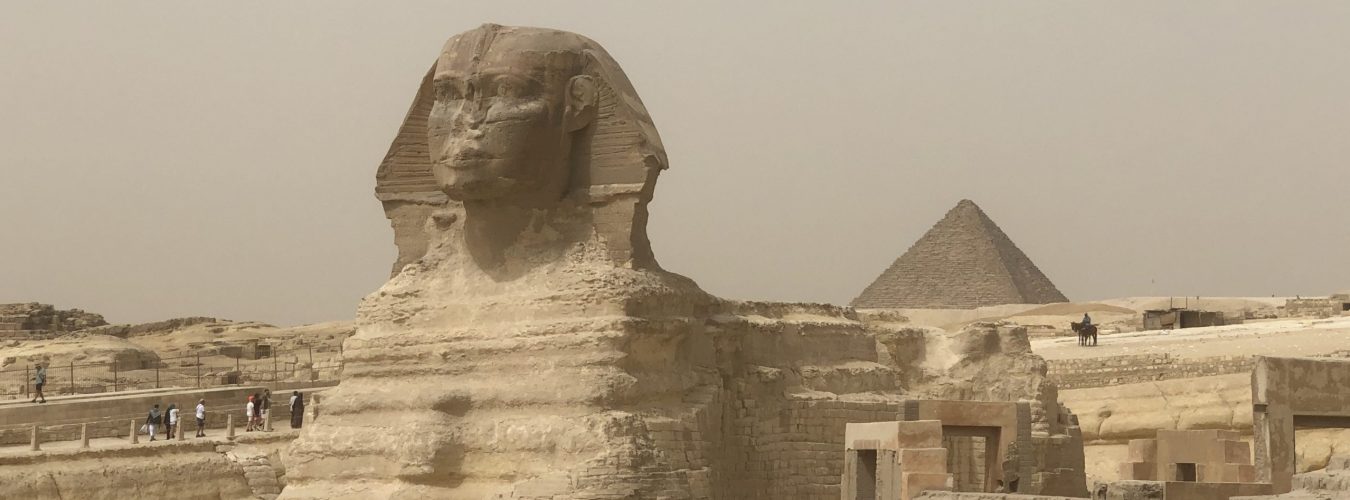
Ramesses IX was the eighth pharaoh of Egypt’s Twentieth Dynasty, ruling for approximately 19 years (c. 1128-1110 BCE) during the final stages of the New Kingdom. He was one of the longest-reigning kings of his dynasty and is believed to have been a grandson of the famous Ramesses III.
When Ramesses IX came to the throne, Egypt was no longer the powerful empire it had once been. The country faced economic hardship, corruption, and growing political instability. Despite these challenges, he worked to preserve Egypt’s traditions and maintain royal authority.
One of the most remarkable aspects of his reign was the investigation of widespread tomb robberies in the Valley of the Kings. As poverty increased and government control weakened, many royal tombs were plundered. Official records, including the famous Abbott Papyrus, describe investigations, trials, and attempts to bring the thieves to justice. These documents provide historians with valuable insight into life in ancient Egypt during a period of decline.
While political power was weakening, the High Priests of Amun in Thebes were becoming increasingly influential. Ramesses IX often had to share authority with powerful religious leaders, reflecting the gradual shift of power away from the pharaoh.
Despite the difficulties, Ramesses IX sponsored temple works and continued religious ceremonies, particularly at Karnak, helping to preserve Egypt’s cultural and spiritual traditions.
The Tomb of Ramesses IX (KV6)
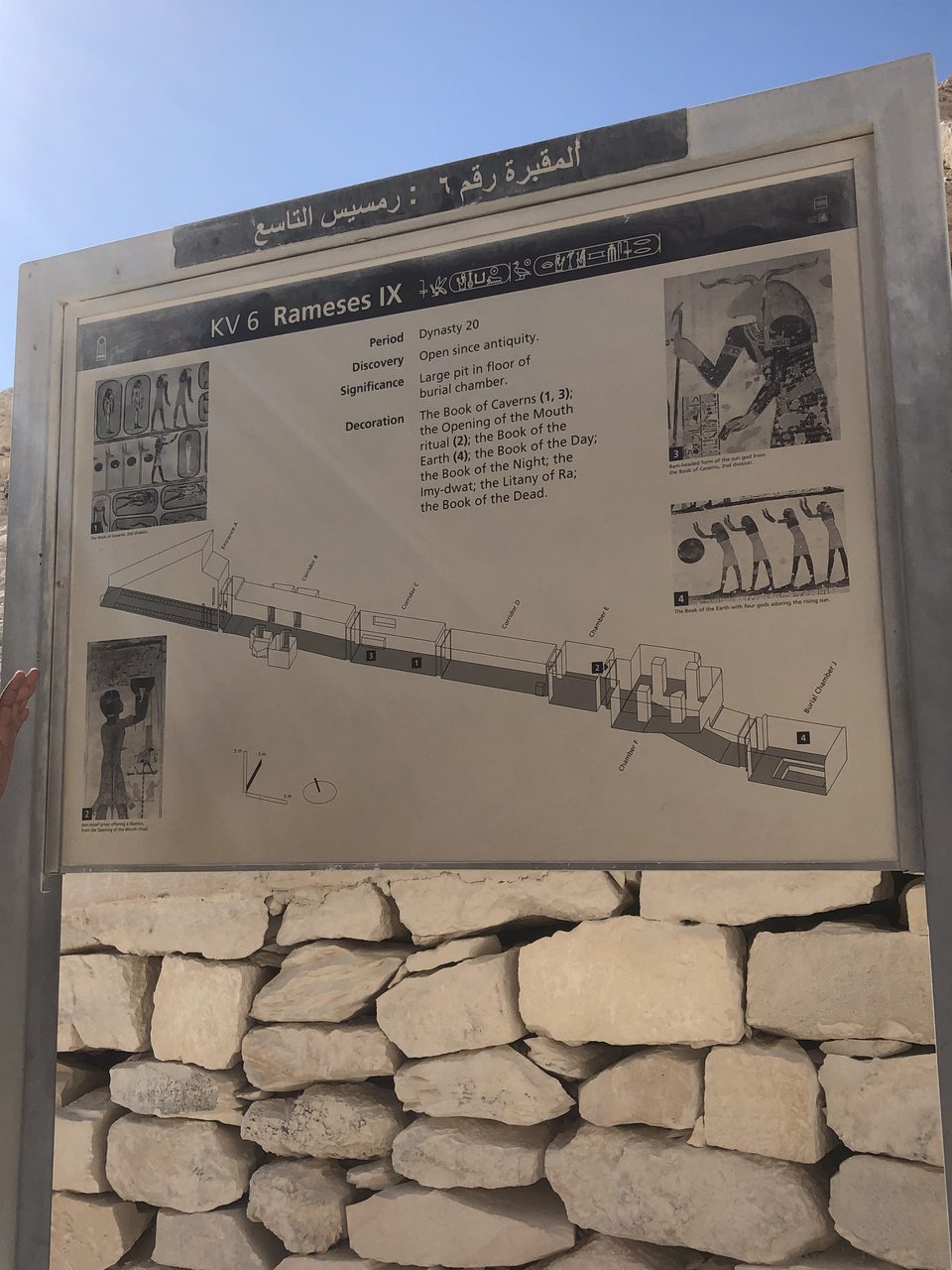
The tomb of Ramesses IX, known as KV6, is located in the Valley of the Kings on the west bank of the Nile near modern-day Luxor. It is one of the most accessible and frequently visited royal tombs in Egypt, situated close to the entrance of the valley.
Construction and Design
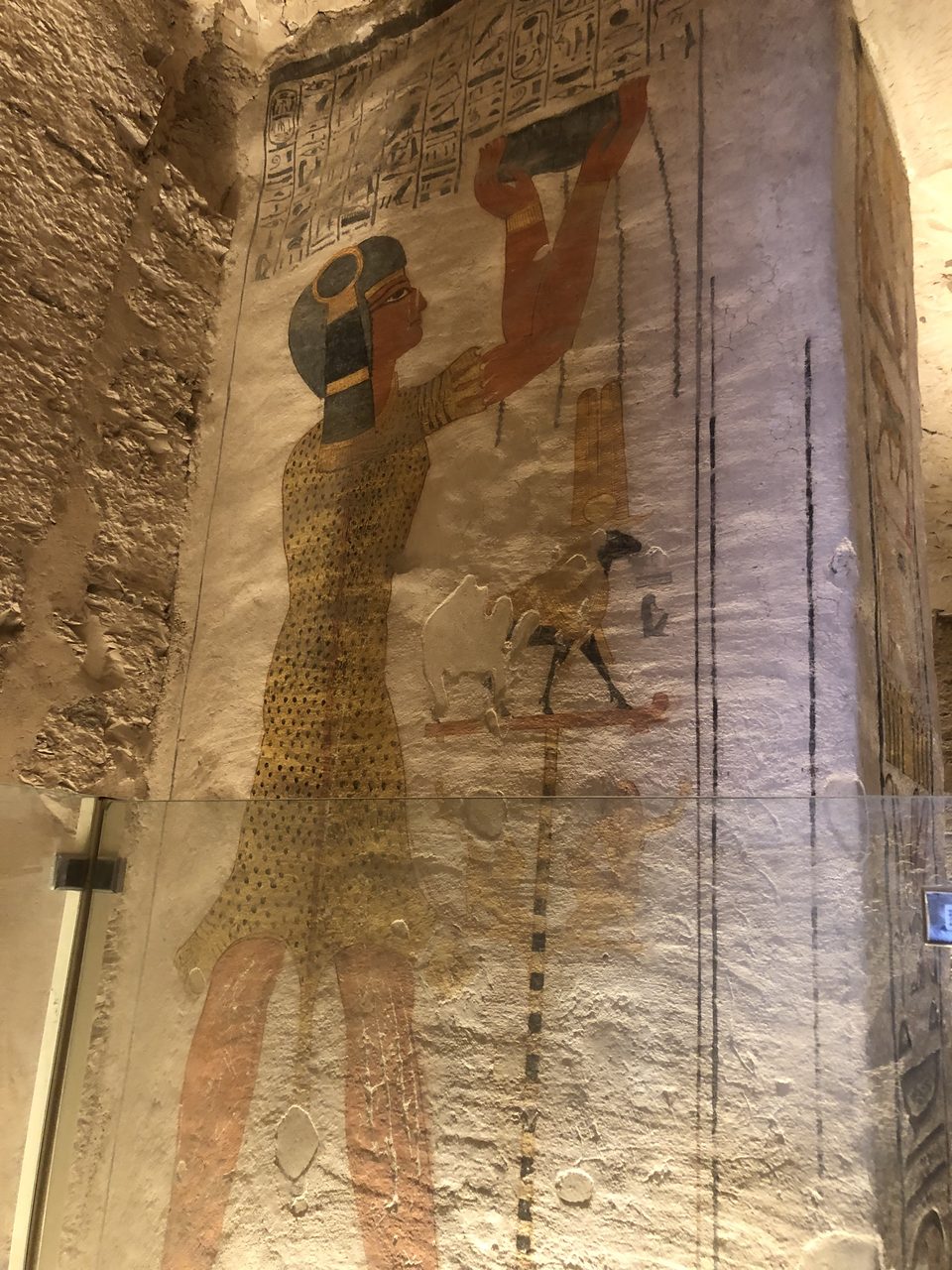
KV6 was built during the reign of Ramesses IX and follows the general architectural style of the later Ramesside tombs. The tomb consists of a long descending corridor leading to a burial chamber, with walls richly decorated with religious texts and scenes intended to guide the king through the afterlife.
Archaeological evidence suggests that the tomb may not have been fully completed when the king died. Near the entrance, the walls are decorated with finely carved reliefs, but deeper inside, many scenes are painted rather than carved, indicating that work was hurried to finish the tomb before the pharaoh’s burial.
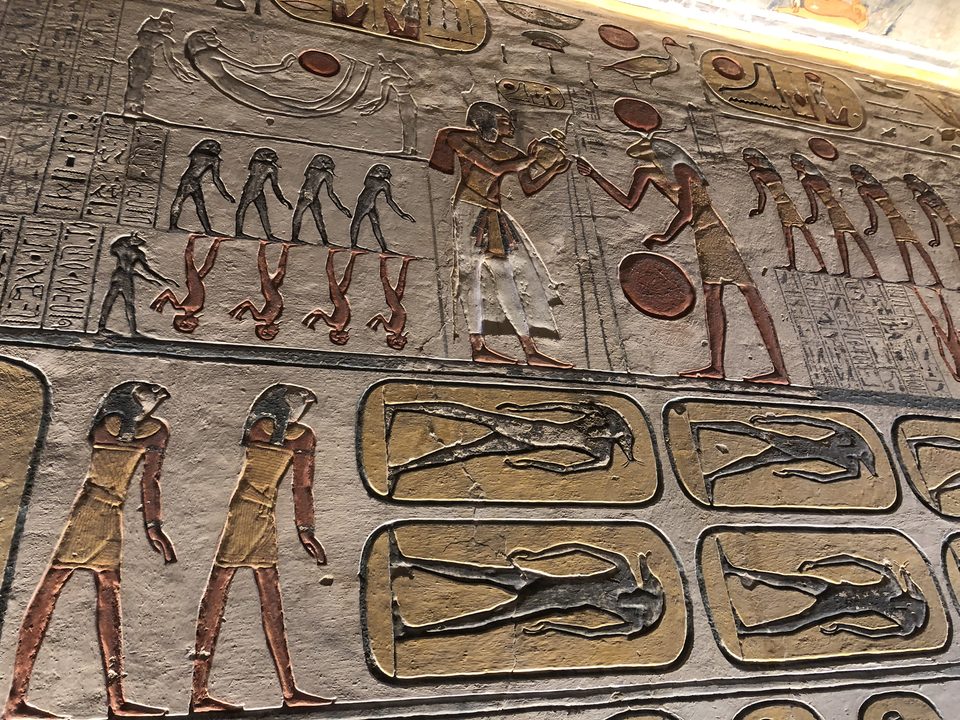
Decorations
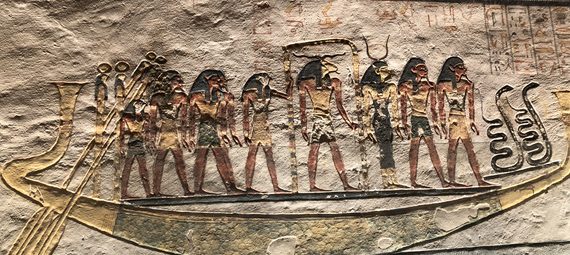
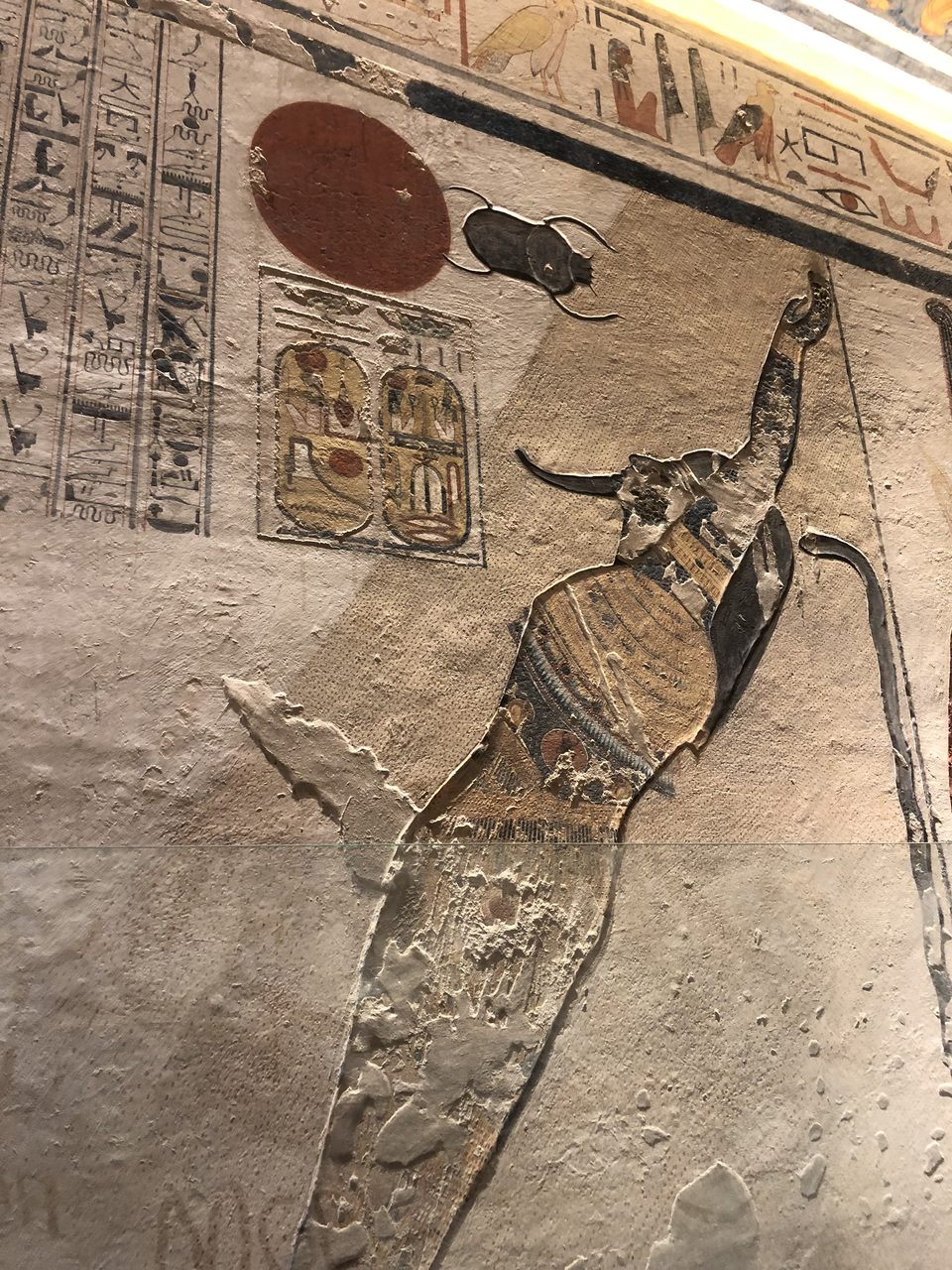
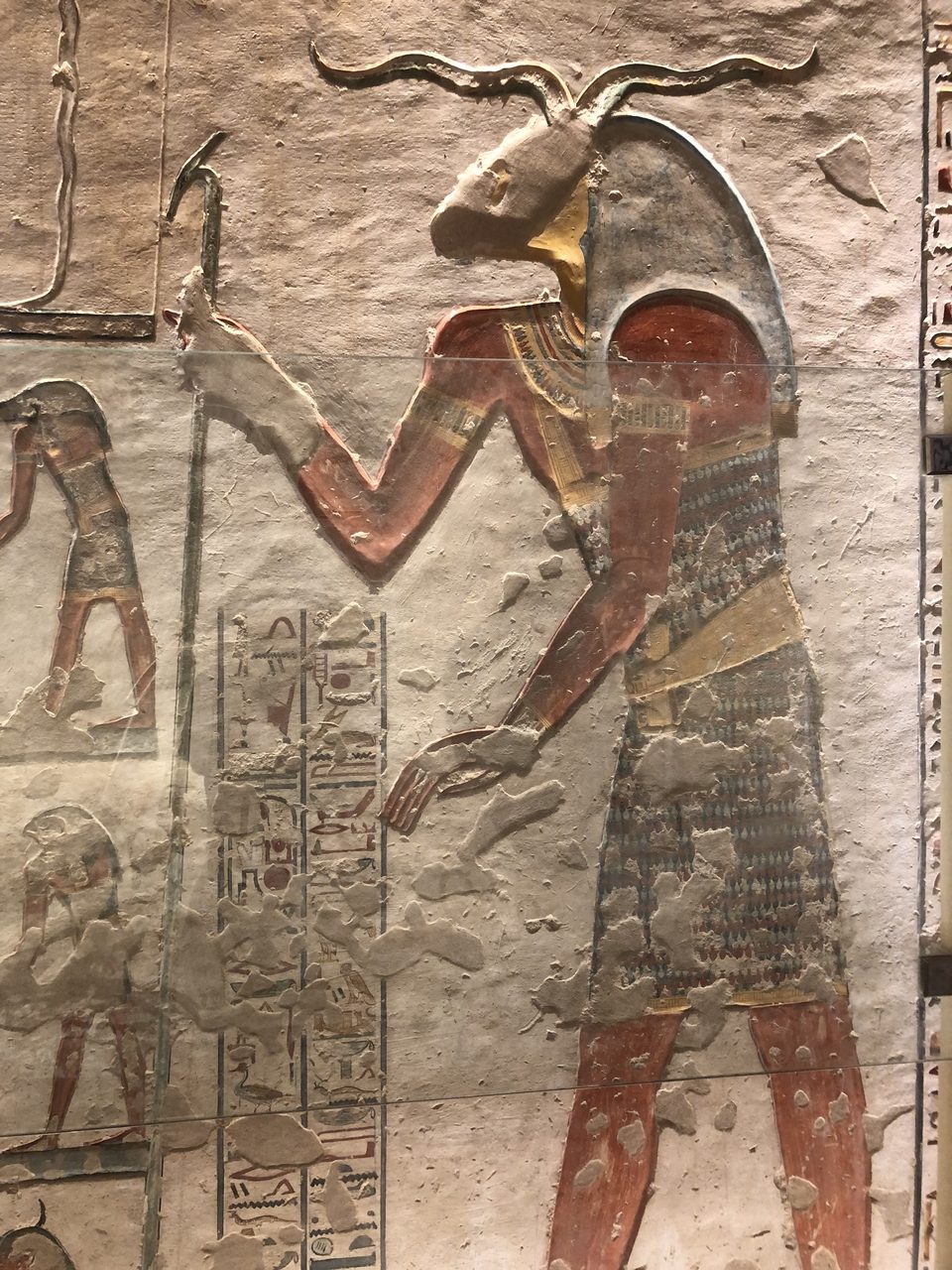
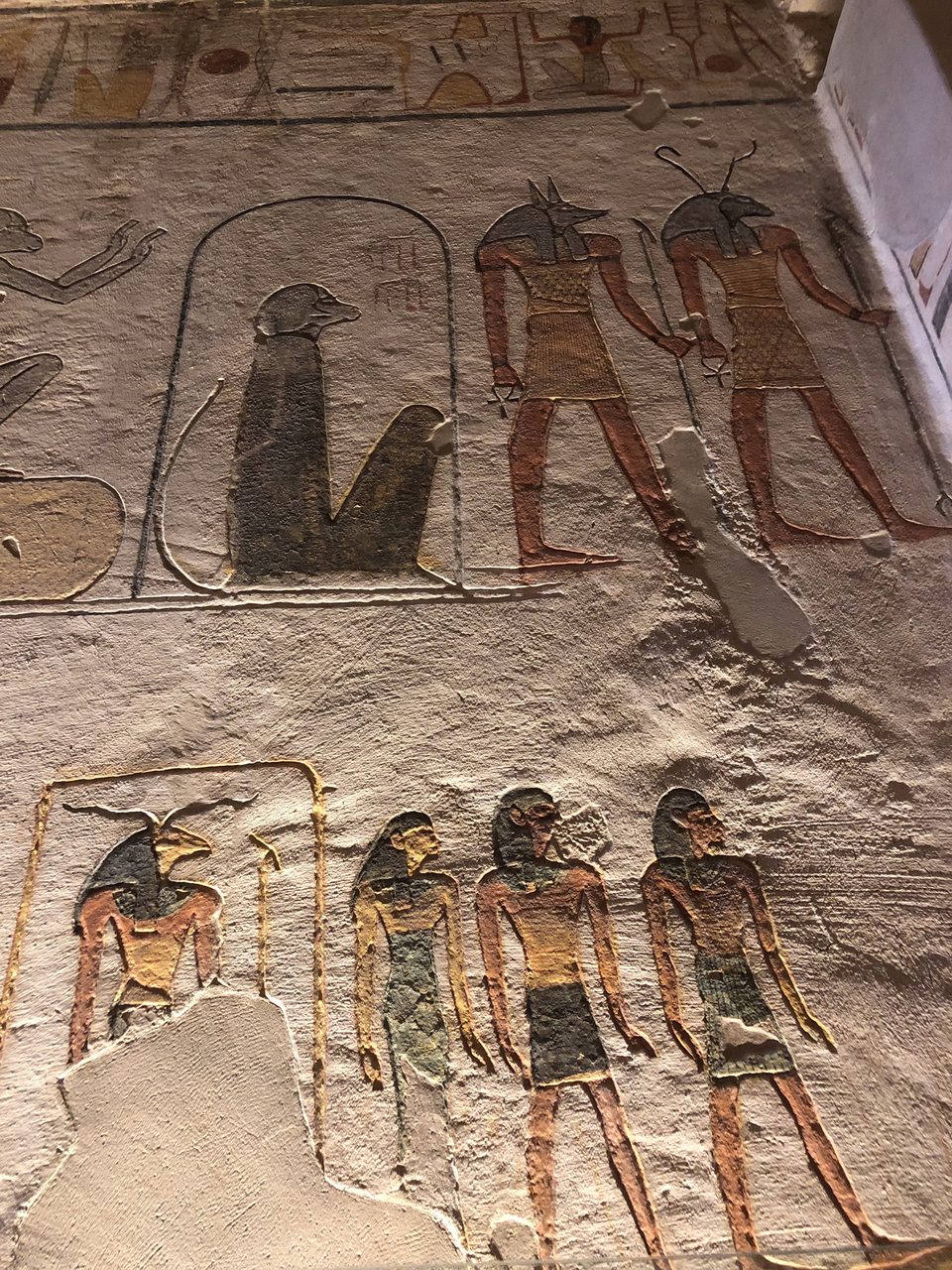
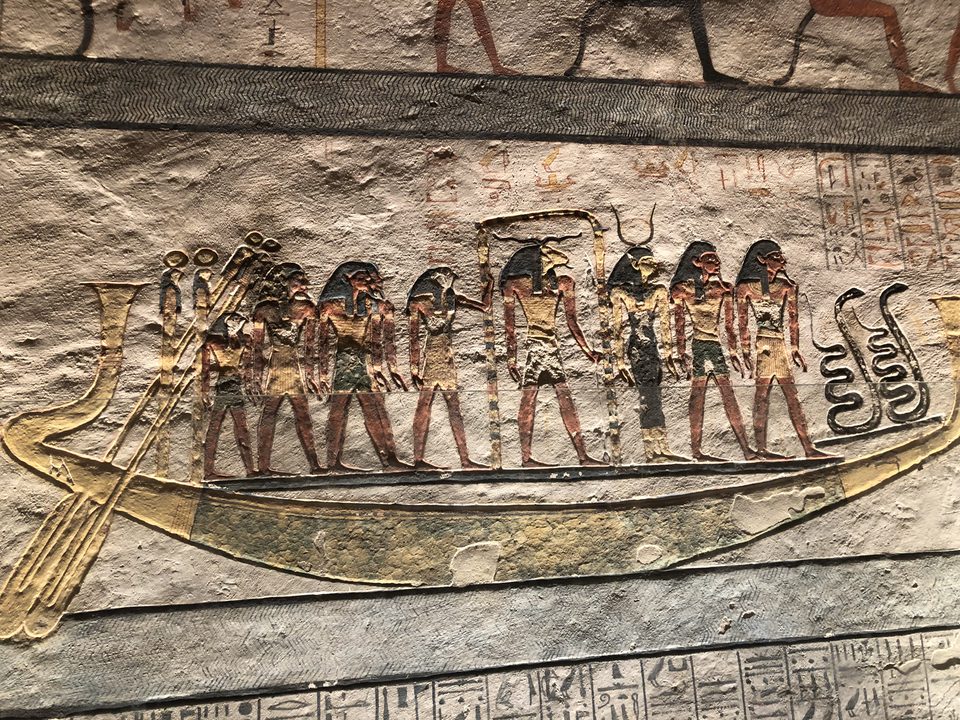
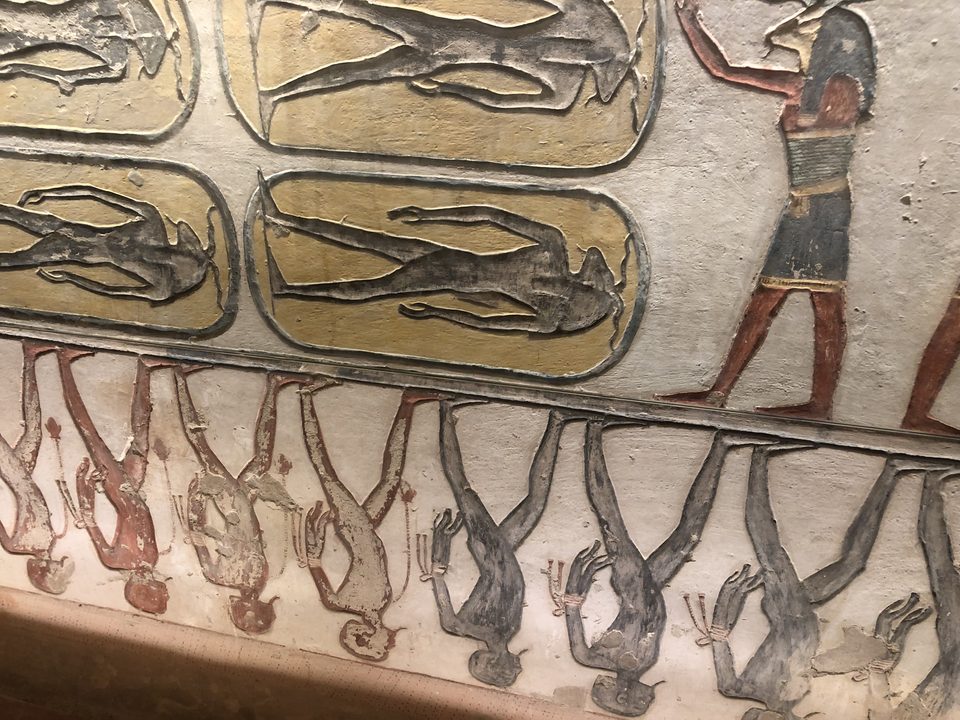
The tomb is famous for its vivid religious imagery. Its walls contain scenes from several ancient Egyptian funerary texts, including the Book of Gates, the Book of Caverns, and the Book of the Night, which describe the sun god’s nightly journey through the underworld and the triumph of rebirth over darkness.
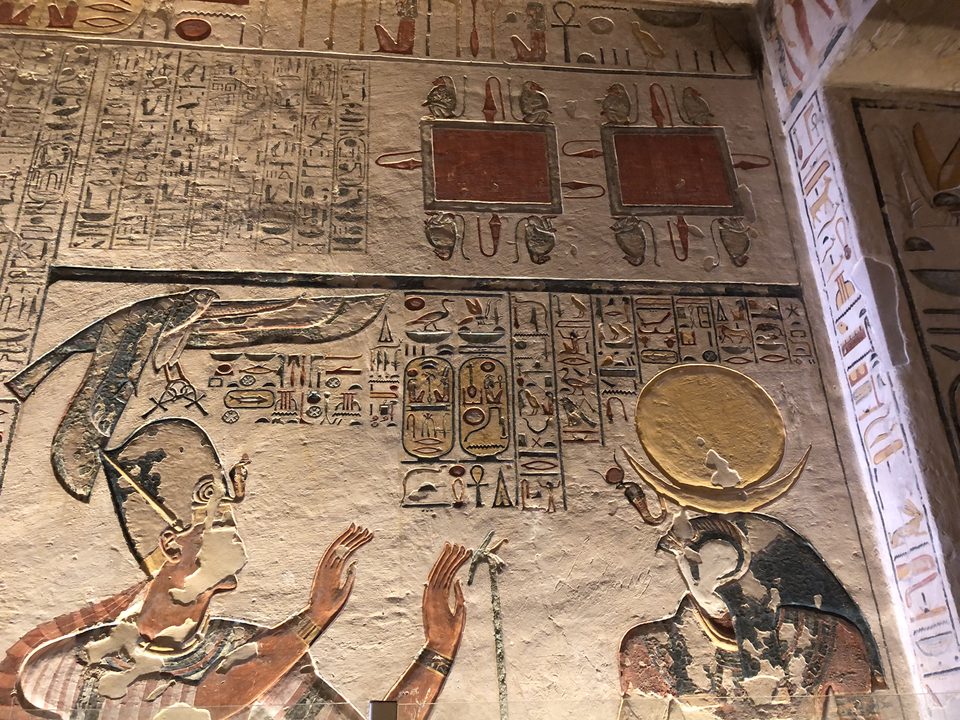
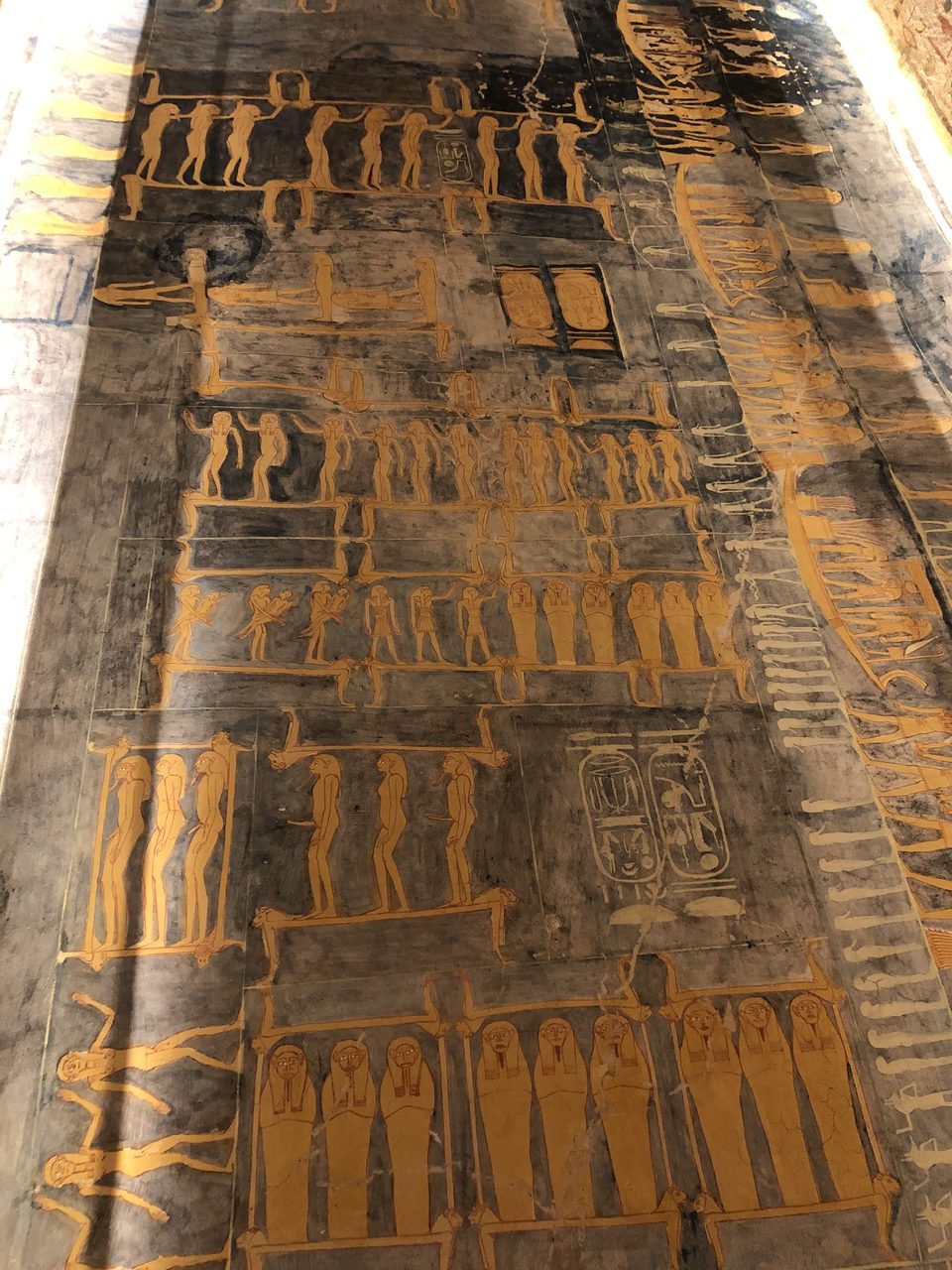
The burial chamber is particularly striking, featuring yellow inscriptions and figures painted against a dark background, creating a dramatic representation of the night sky and the king’s journey into eternity.
Legacy
Although Ramesses IX was not a great conqueror like Ramesses II, his reign is important because it reveals the problems Egypt faced as the New Kingdom neared its end.
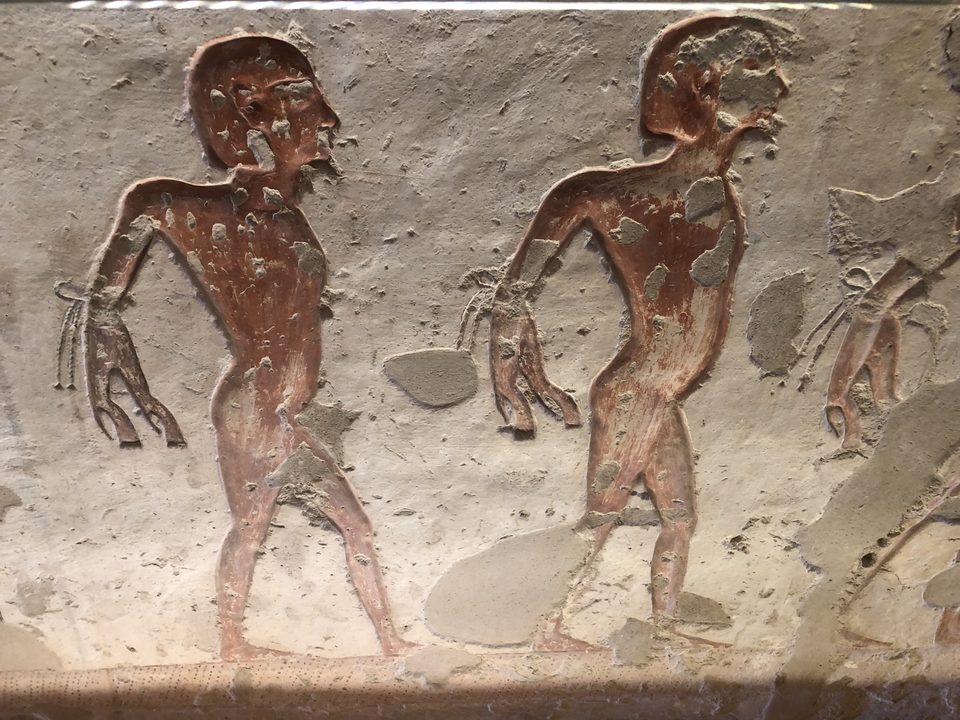
Through surviving papyri, inscriptions, and his tomb, historians can glimpse a fascinating era when a once-mighty empire struggled to maintain its former glory.
In many ways, Ramesses IX was a king trying to hold together a fading empire, preserving ancient traditions as the power of the pharaoh slowly slipped away.
Text sources: historyegypt.org, britannica.com, Egyptian P…amesses IX, egyptunitedtours.com, en.wikipedia.org
Photos by Maria Bristoll.
 Users Today : 34
 Users This Month : 1391
 Users This Year : 27526
 Total Users : 52827
 Views This Year : 33467
 Total views : 68645
 Who's Online : 0