Beneath the windswept landscapes of Northumberland lies a place where the voices of the ancient world still whisper from the earth. Vindolanda Roman Fort is not merely a ruined military outpost, but a window into a lost world, revealing the lives, hopes, fears, and daily routines of the people who lived on the very edge of the Roman Empire nearly 2,000 years ago. Every stone, pathway, and artefact tells a story, making Vindolanda one of the most fascinating archaeological sites in Britain.
Long before Hadrian’s Wall stretched across northern England, Roman soldiers marched into this rugged frontier and established Vindolanda around AD 85. Here, at the empire’s remote northern boundary, troops faced harsh winters, challenging terrain, and the constant uncertainty of life far from Rome.
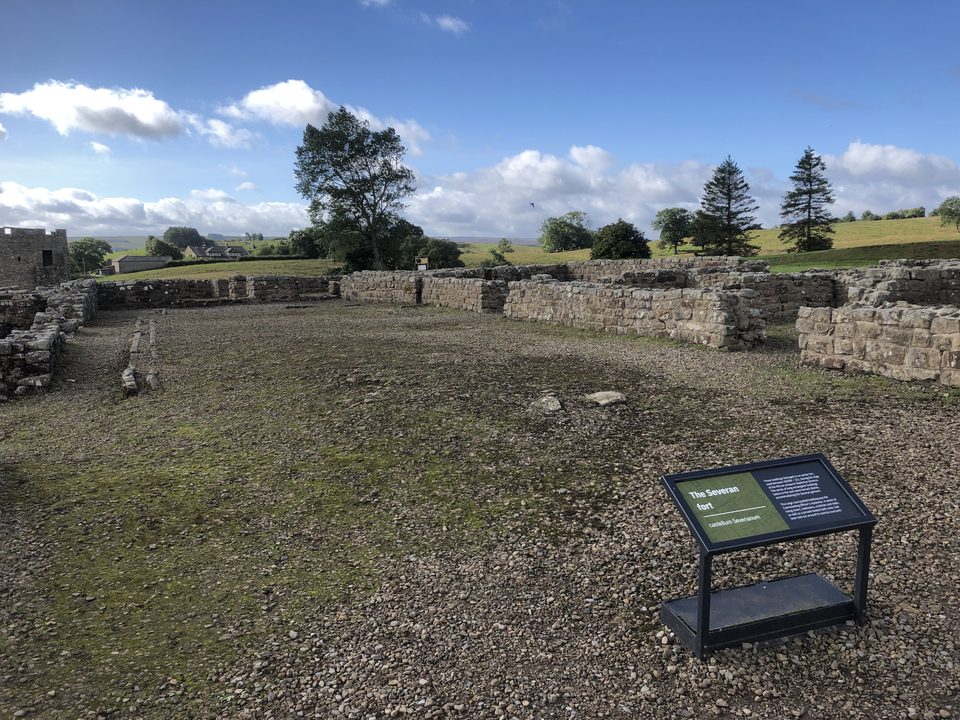
Yet Vindolanda grew into a thriving community, complete with barracks, bathhouses, temples, workshops, and family homes. Soldiers lived alongside merchants, craftsmen, women, and children, creating a vibrant settlement that bustled with activity.
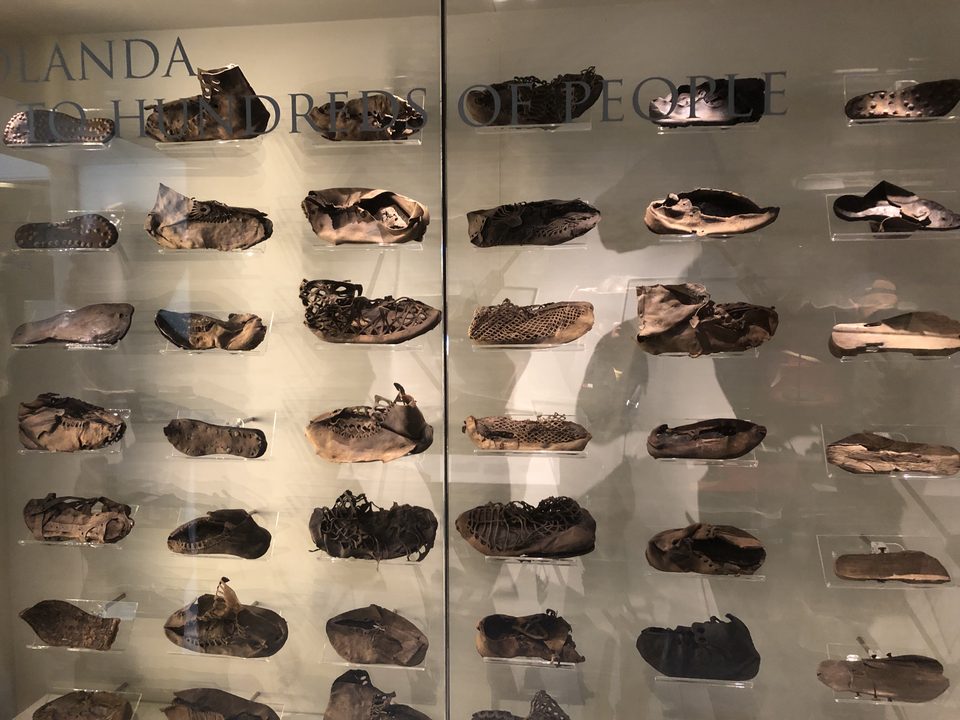
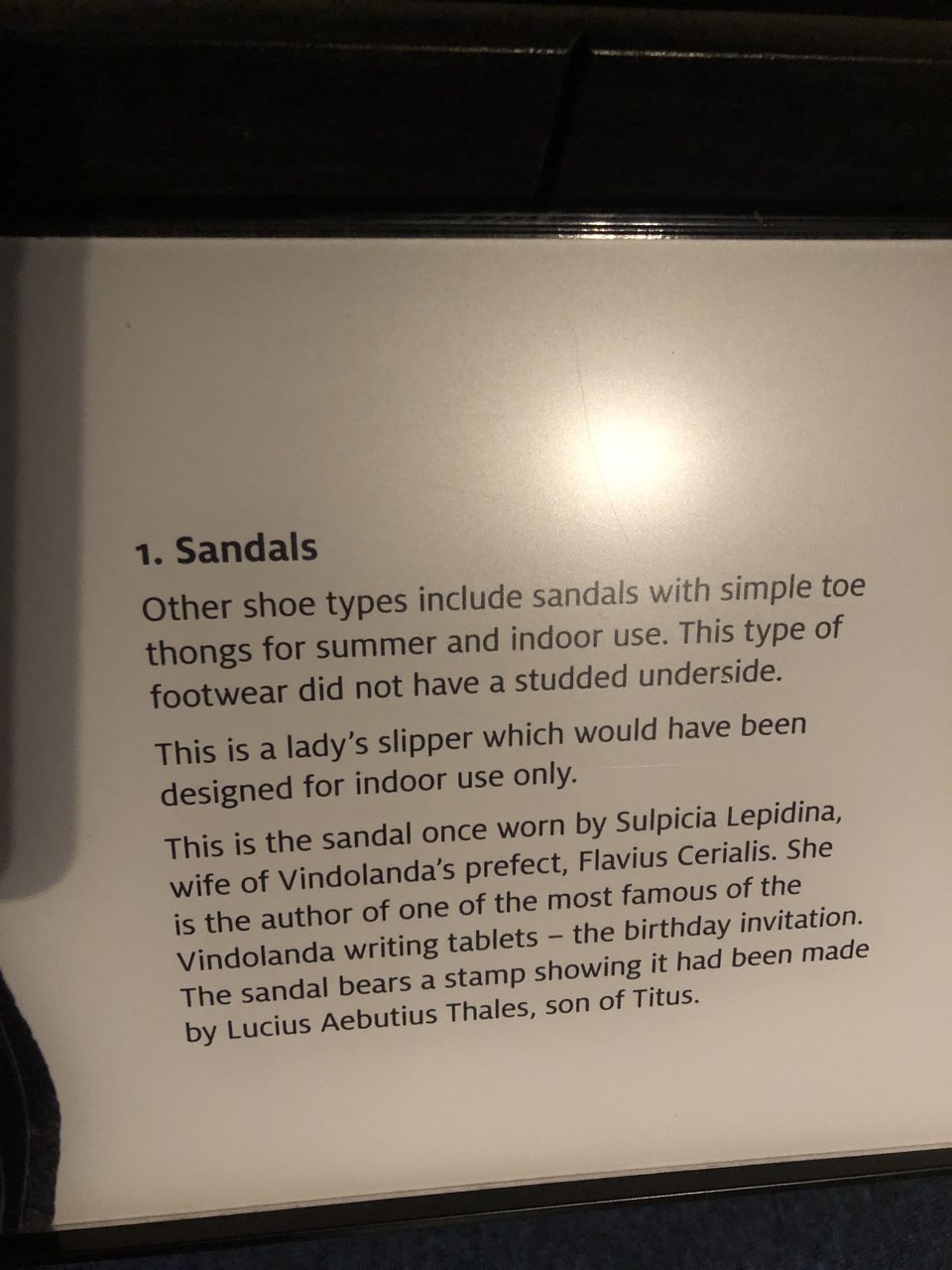
What makes Vindolanda truly extraordinary is what lies beneath its surface. Unlike many archaeological sites, the fort’s unique soil conditions have preserved astonishing treasures that should have vanished centuries ago. Archaeologists have uncovered thousands of remarkably intact artefacts, including leather shoes, clothing, weapons, wooden toys, writing tablets, and personal belongings. These discoveries bring the ancient world to life in remarkable detail, allowing us to see not just how the Romans fought, but how they lived.
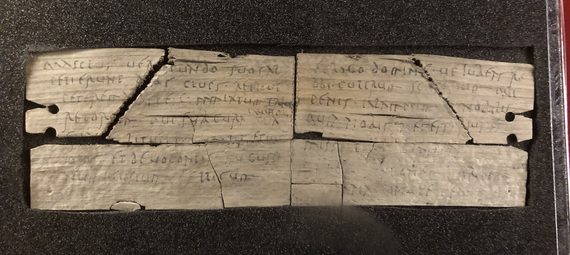
Among the most captivating finds are the famous Vindolanda Tablets. Written on thin pieces of wood, these ancient letters reveal intimate glimpses into everyday life. One tablet contains an invitation to a birthday party, making it one of the oldest surviving examples of a handwritten letter by a woman in Britain. Others record military reports, shopping lists, requests for supplies, and personal correspondence. Reading these messages feels almost like eavesdropping on conversations frozen in time, connecting modern visitors directly with people who lived nearly two millennia ago.
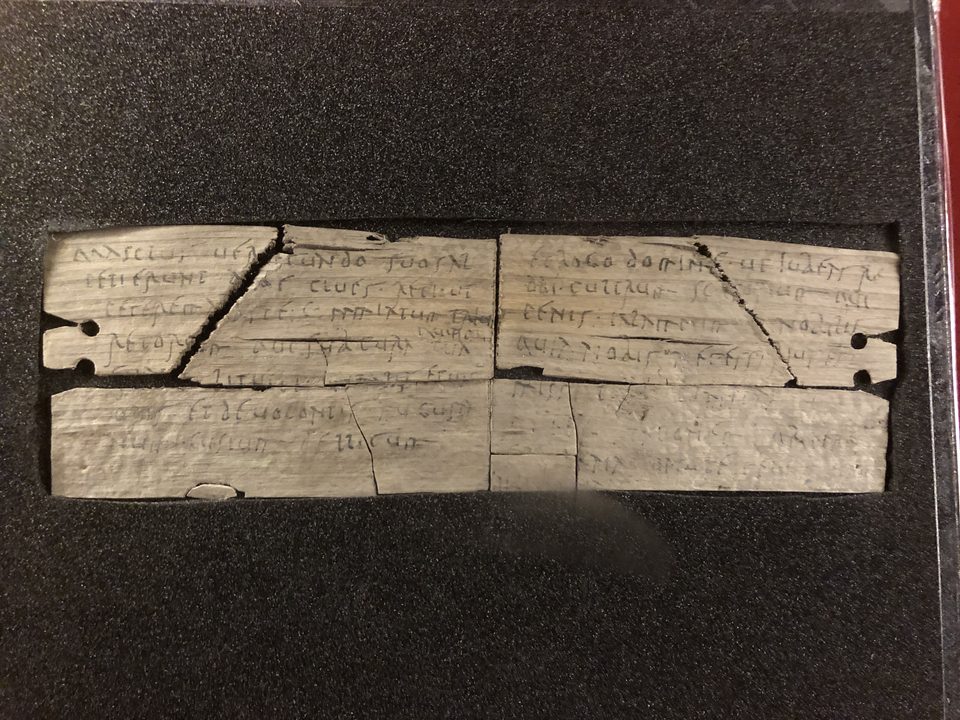
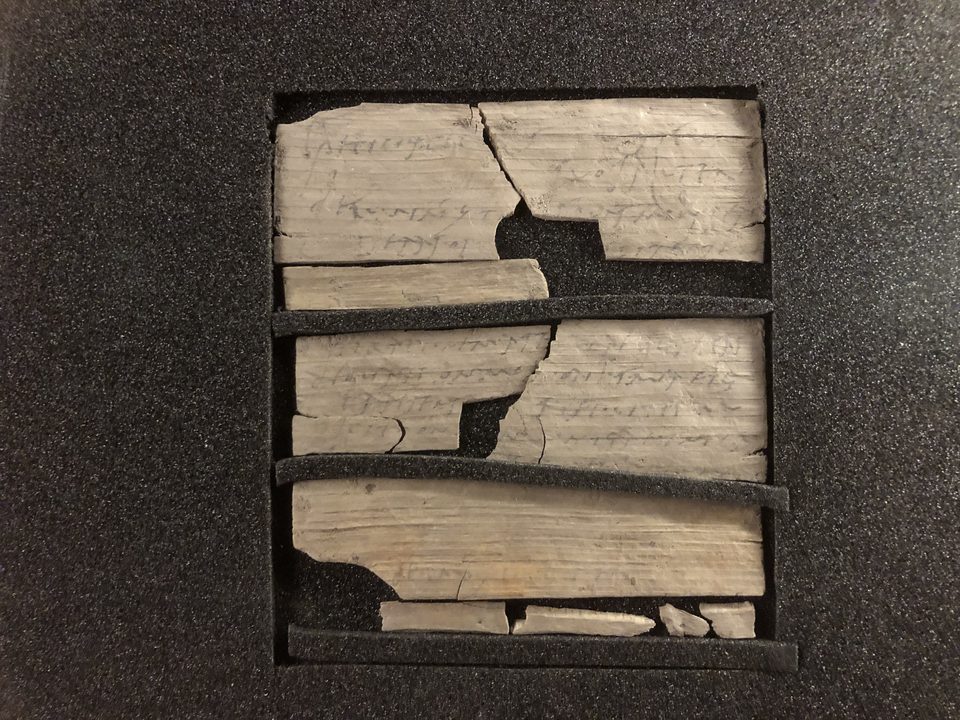
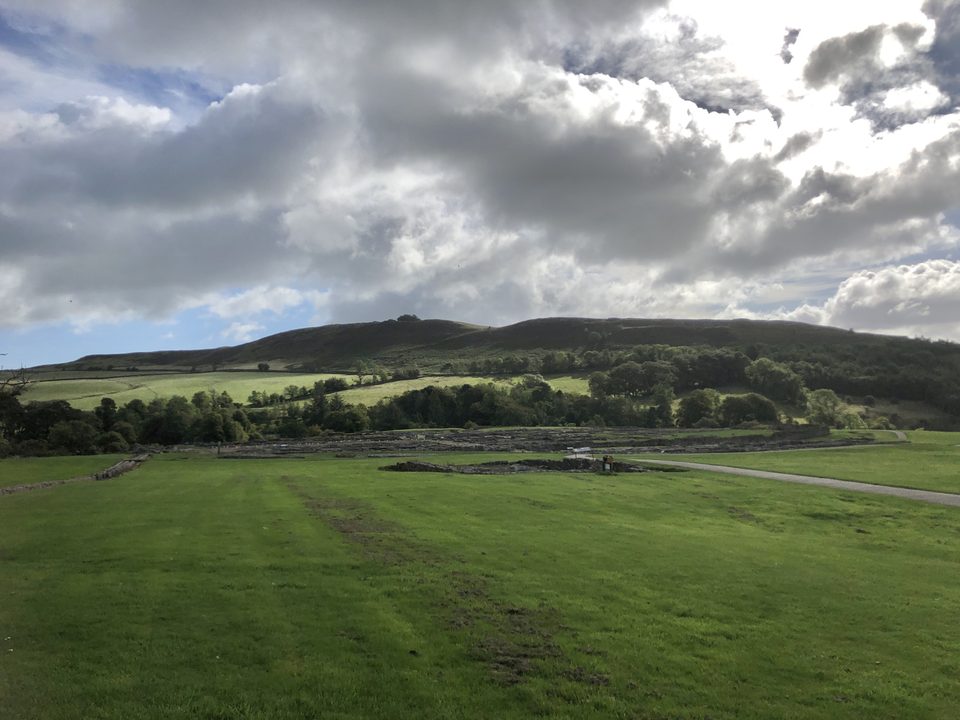
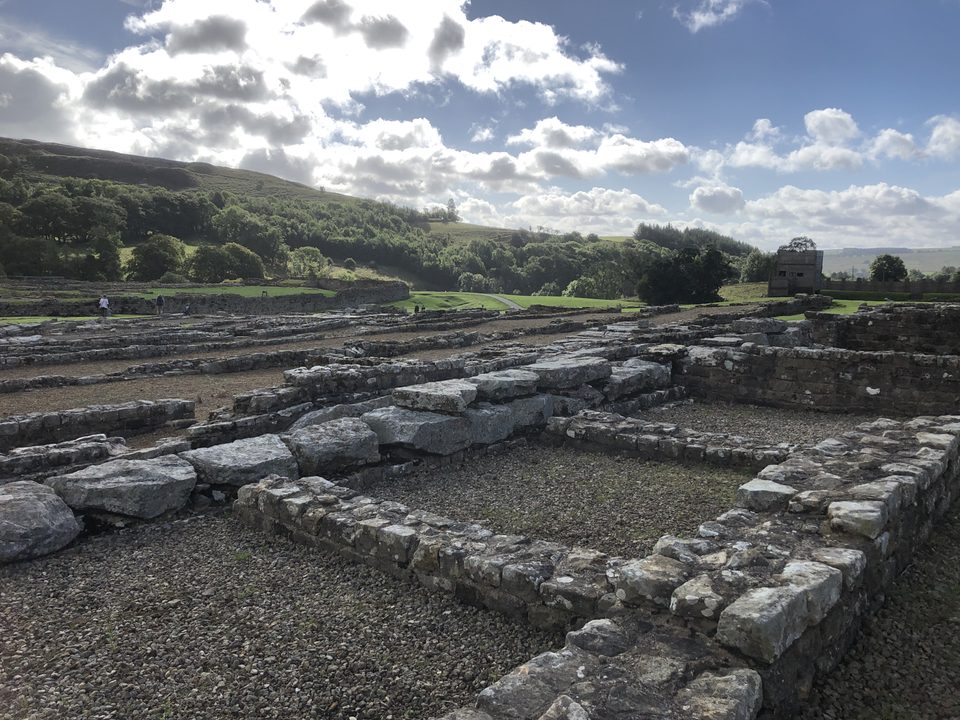
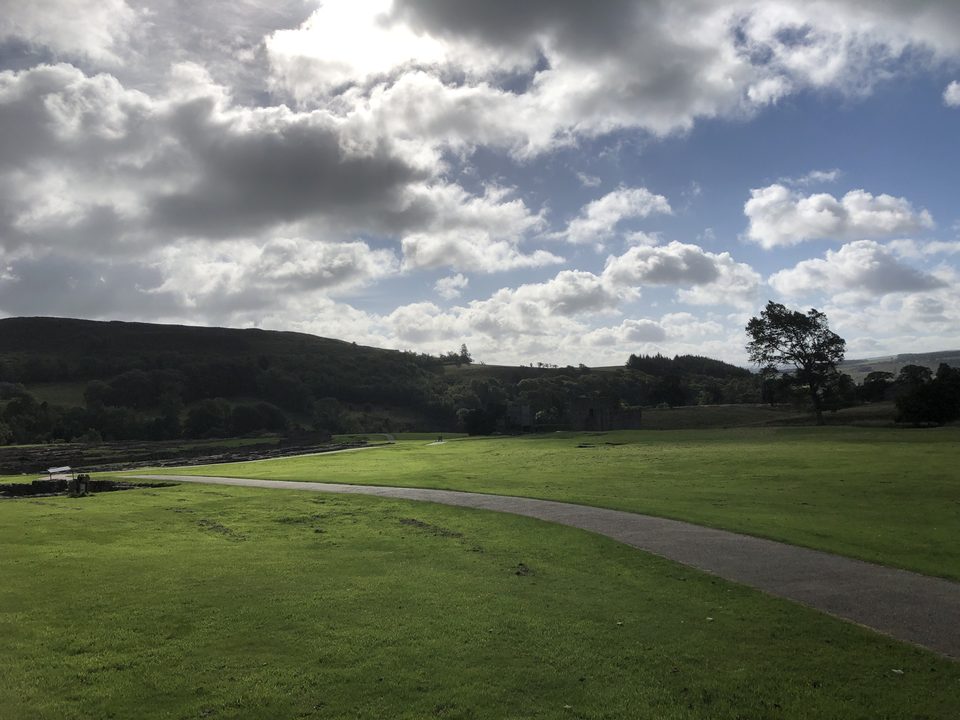
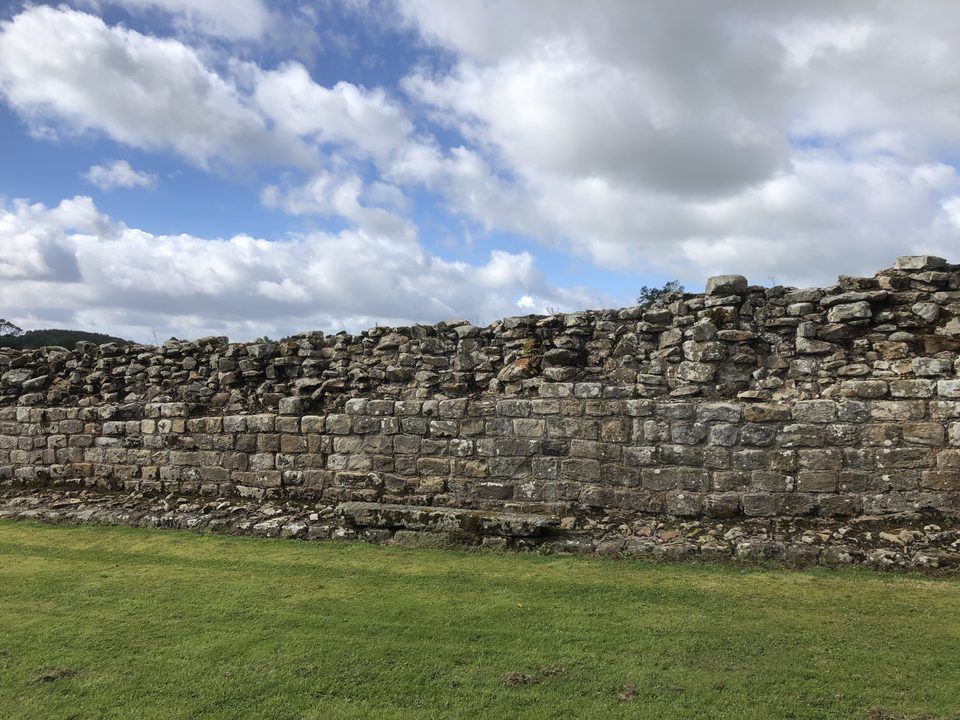
Walking through Vindolanda today is an immersive experience. Ancient streets emerge from the ground, tracing the footsteps of generations of Roman soldiers and civilians. Visitors can explore the foundations of homes, peer into the remains of bathhouses warmed by sophisticated heating systems, and imagine the sounds of daily life echoing through the settlement. The surrounding landscape, dotted with rolling hills and open skies, adds to the atmosphere, making it easy to picture the challenges and beauty experienced by those who once called this frontier home.
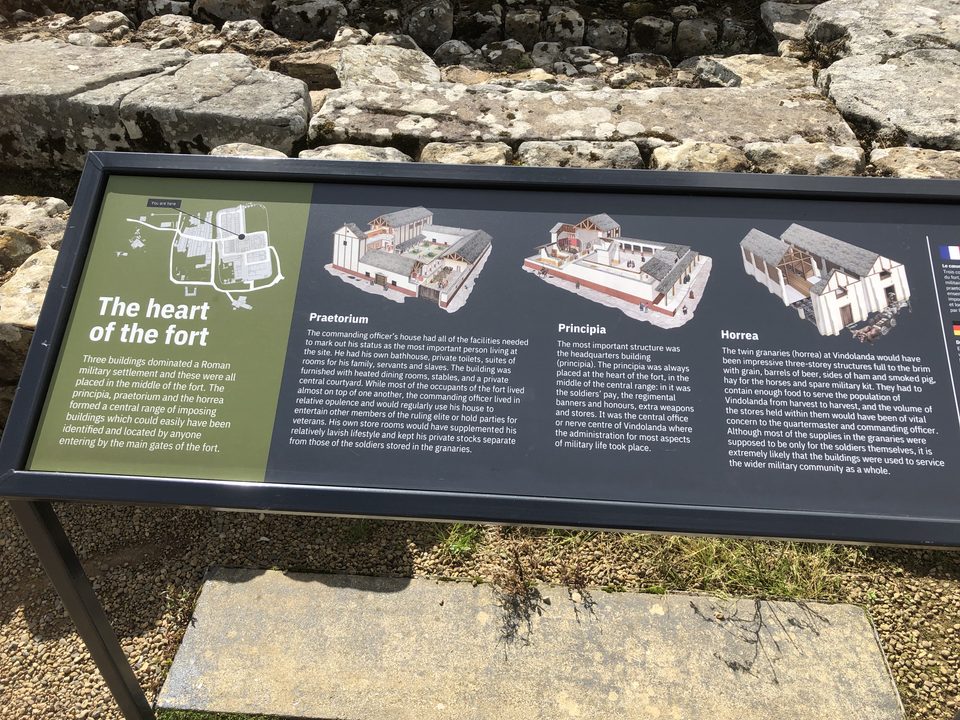
The nearby museum enhances the experience with an extraordinary collection of artefacts. Rows of worn leather sandals remind visitors that real people walked these roads. Delicate jewellery, military equipment, children’s toys, and beautifully preserved wooden objects offer a deeply personal connection to the past. Each artefact tells its own story, transforming history from distant events into the lives of ordinary individuals.
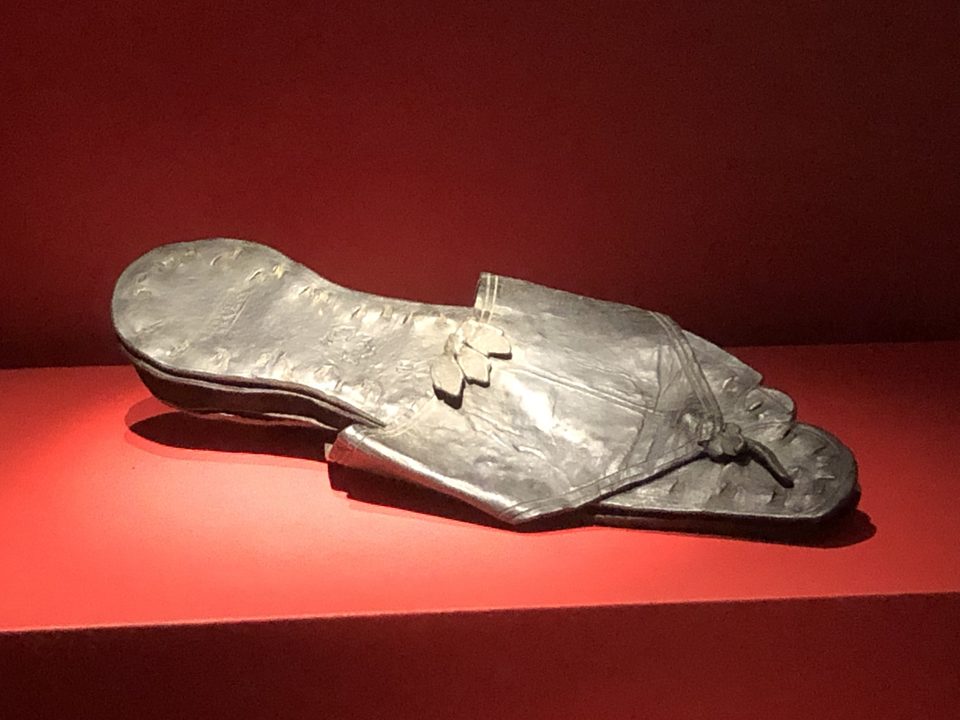
Perhaps the greatest mystery of Vindolanda is that it continues to give up its secrets. Archaeologists are still excavating the site, and almost every digging season uncovers new discoveries. Hidden beneath layers of earth are stories that have remained untouched since the days of Roman Britain, waiting to be revealed. This sense of ongoing discovery means that Vindolanda is not simply a historical monument, but a living archaeological adventure.
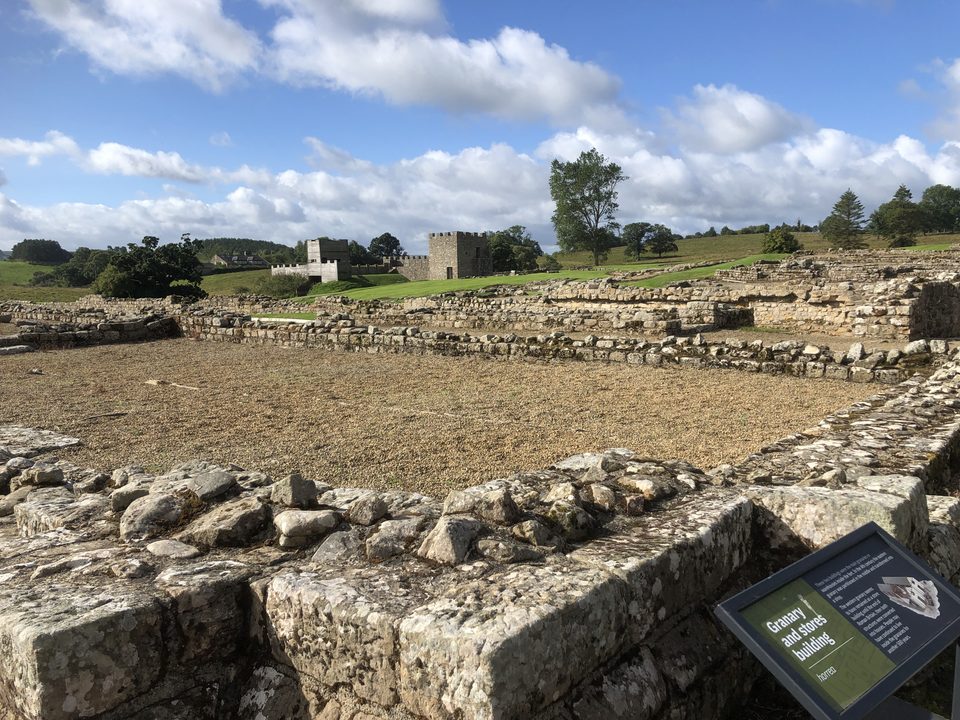
For visitors, standing amid the ruins of Vindolanda is like stepping through a doorway in time. It is a place where history feels tangible, where ancient voices emerge from the soil, and where the distant Roman Empire suddenly seems astonishingly close. Few places in Britain offer such a powerful and intimate journey into the past, making Vindolanda one of Northumberland’s most intriguing and unforgettable treasures.
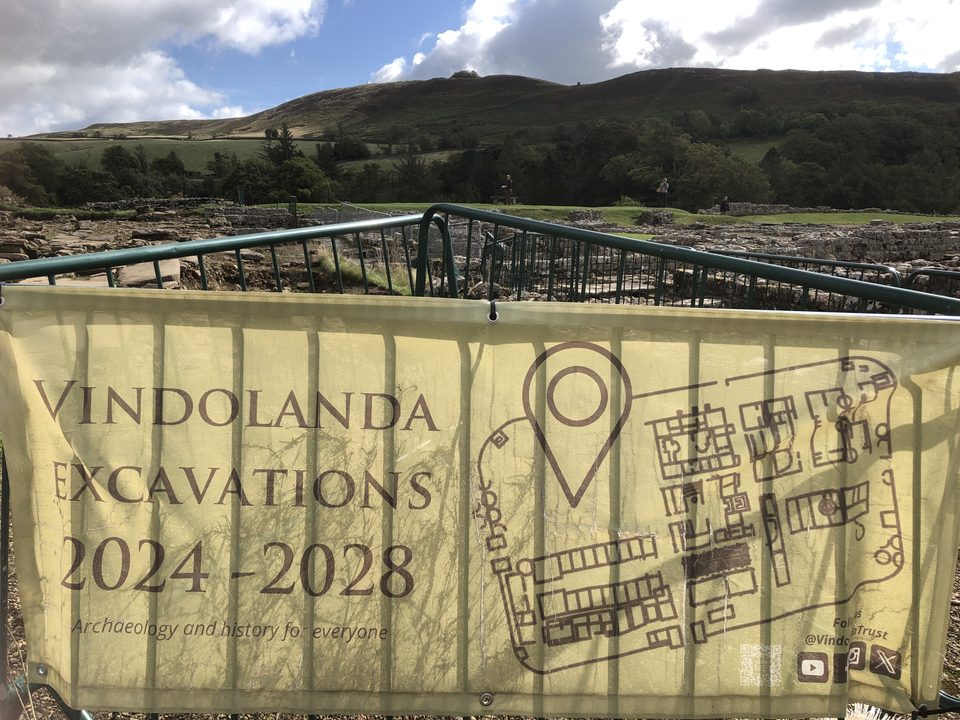
What makes Vindolanda particularly fascinating is that excavation work is still ongoing. Professional archaeologists and volunteers from around the world continue to investigate unexplored areas of the site every year. Modern techniques, combined with traditional excavation methods, allow researchers to uncover new evidence while carefully preserving the fragile remains. Each season adds another chapter to the story of the fort, often producing unexpected discoveries that challenge previous assumptions about Roman Britain.
Visitors today can watch archaeologists at work during excavation seasons, providing a rare opportunity to witness history being uncovered in real time. Standing beside an active dig, it is possible to see artefacts emerge from the soil exactly where they were abandoned centuries ago. Few historical sites offer such a direct connection between the past and the present.
The Vindolanda excavations have done more than reveal the remains of a Roman fort; they have uncovered the lives of real people. Through letters, shoes, tools, and personal belongings, the site tells stories of soldiers missing home, families building lives on a distant frontier, and communities thriving at the edge of the Roman world. As archaeologists continue their work, Vindolanda remains a place of discovery, where the buried past still has many secrets waiting to be revealed.
 Users Today : 39
 Users This Month : 1453
 Users This Year : 27588
 Total Users : 52889
 Views This Year : 33573
 Total views : 68751
 Who's Online : 0