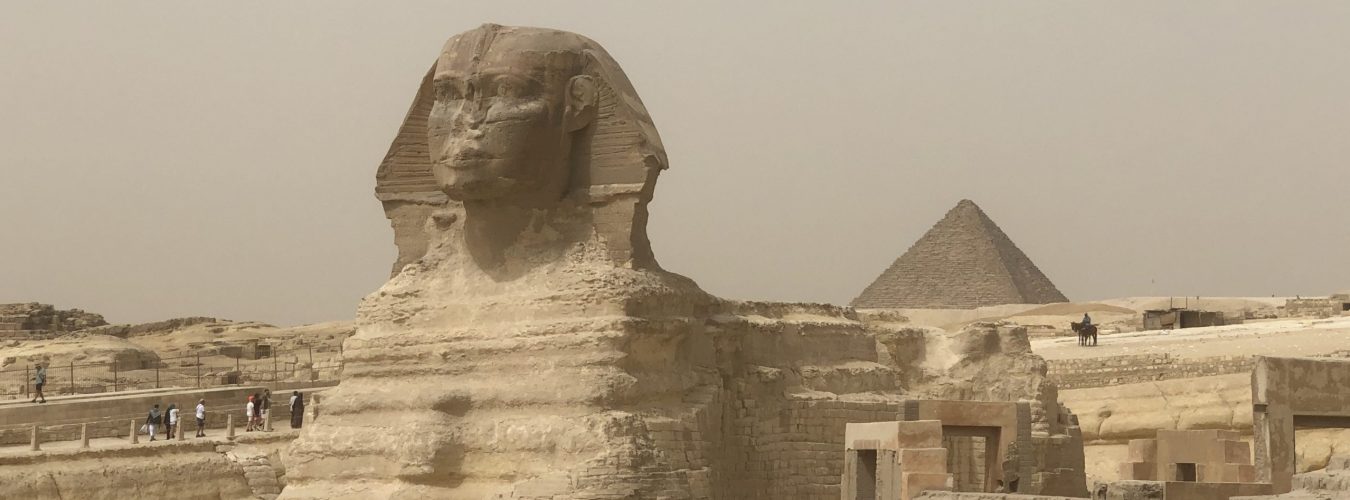
Rising gracefully from the waters near Aswan, the Temples of Philae is one of the most beautiful and historically significant monuments in Egypt.
Dedicated to the goddess Isis, the temples became one of the principal centres of her worship during the Ptolemaic and Roman periods.
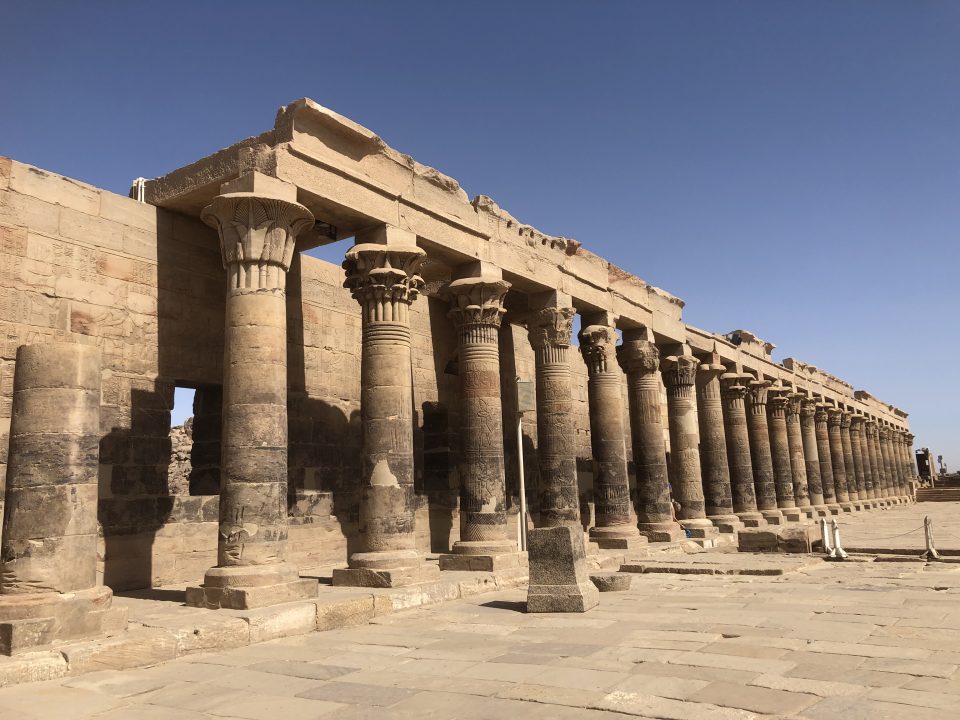
Today, its elegant columns, detailed reliefs, and remarkable survival story make it one of the country’s most visited archaeological sites.
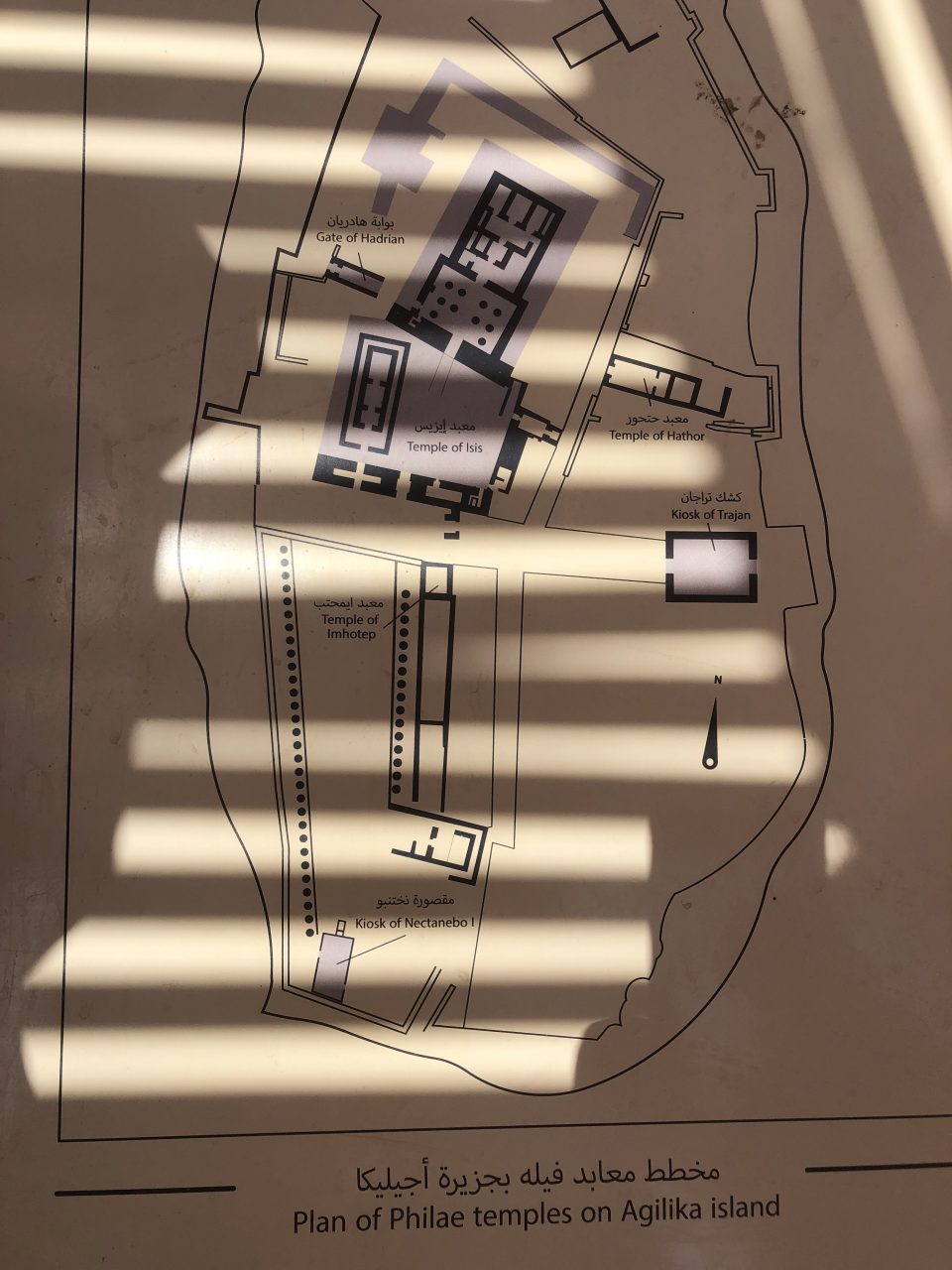
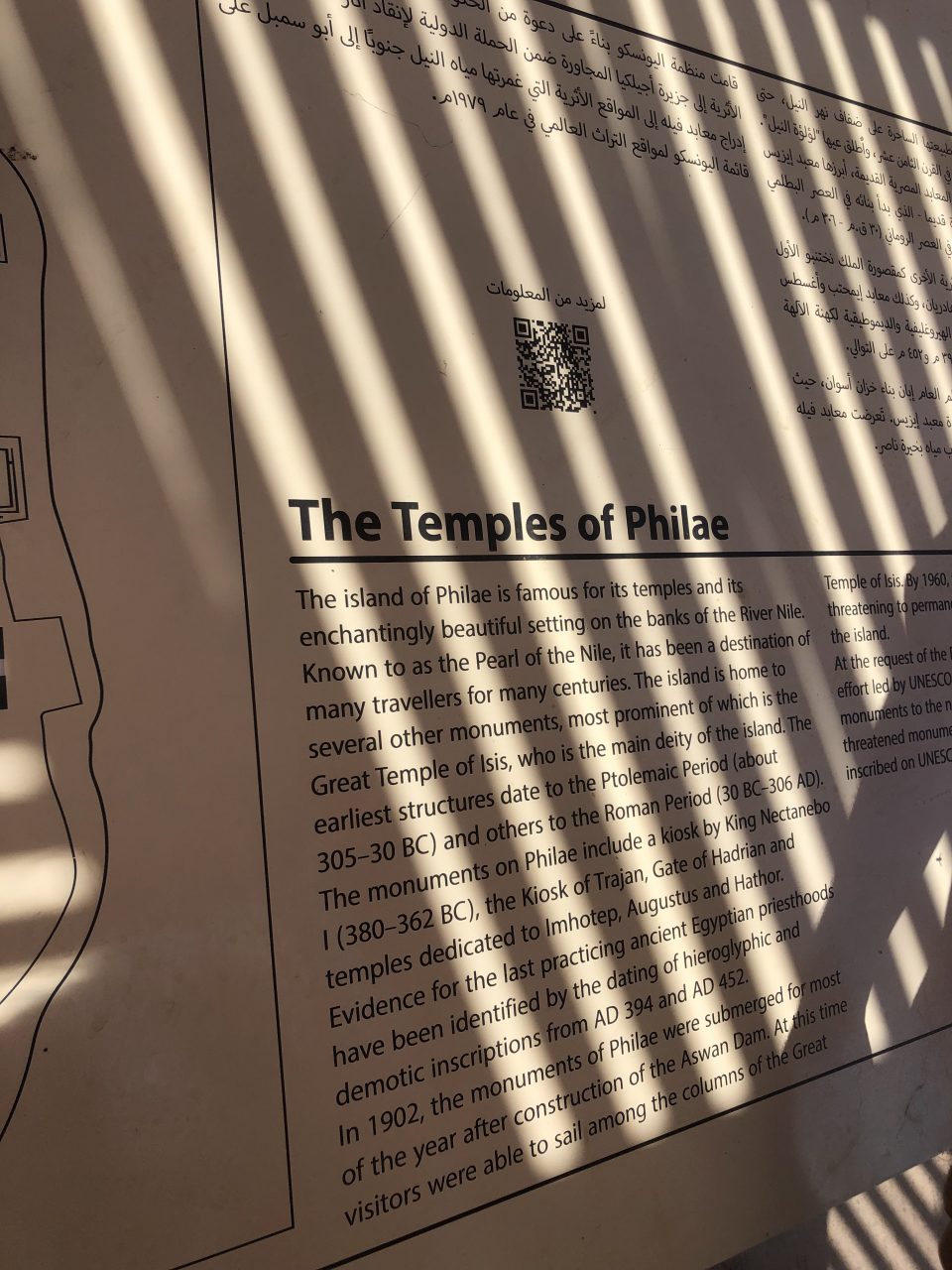
The sacred island of Philae had religious importance long before the temple complex was built. Ancient Egyptians regarded the island as a holy place associated with the myth of Osiris, the god of the afterlife. According to tradition, a sacred relic of Osiris was buried nearby, making the island an important destination for pilgrims seeking the blessings of Isis and her divine family.
Construction of the temple began during the reign of Ptolemy II Philadelphus (285-246 BCE), although later rulers continued to expand the complex for several centuries. The Ptolemies, who were of Greek origin, adopted Egyptian religious traditions to strengthen their legitimacy, and Philae became a powerful symbol of this cultural fusion.
The temple was primarily dedicated to Isis, one of the most beloved deities in Egyptian religion. She was revered as a goddess of motherhood, magic, healing, and protection. Her cult spread far beyond Egypt, reaching Greece, Rome, and even parts of Western Europe. As a result, Philae became an international pilgrimage centre where worshippers travelled from across the Mediterranean world.
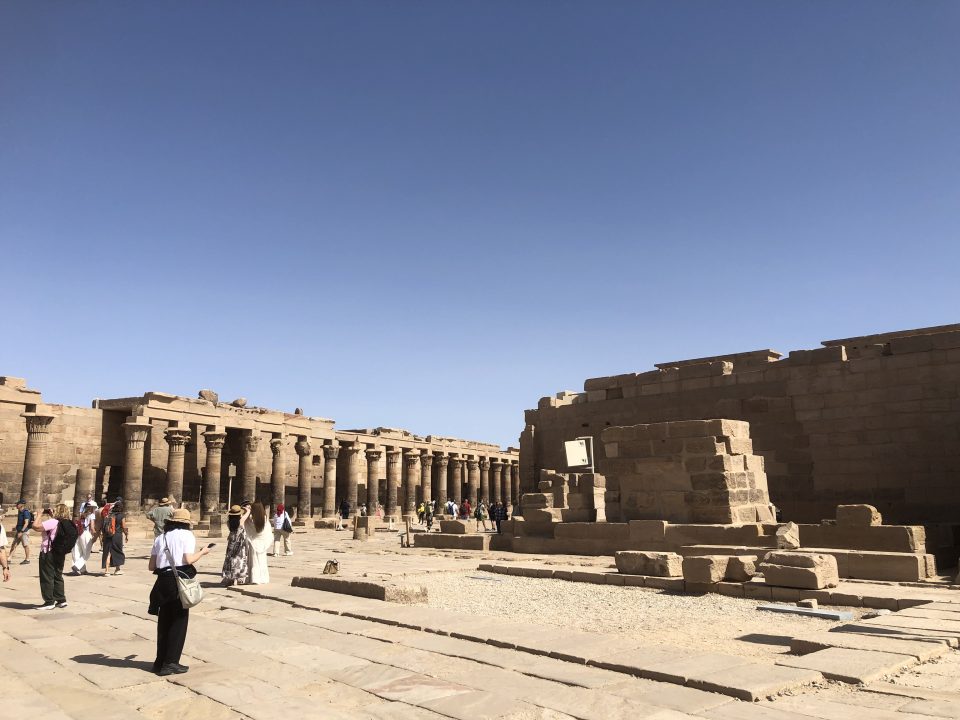
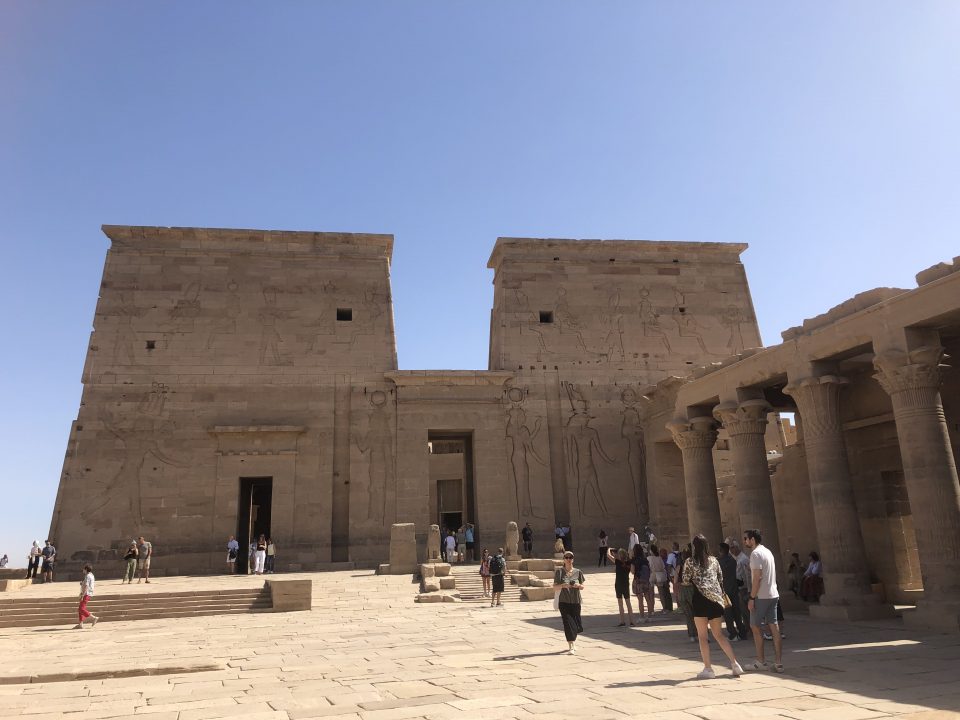
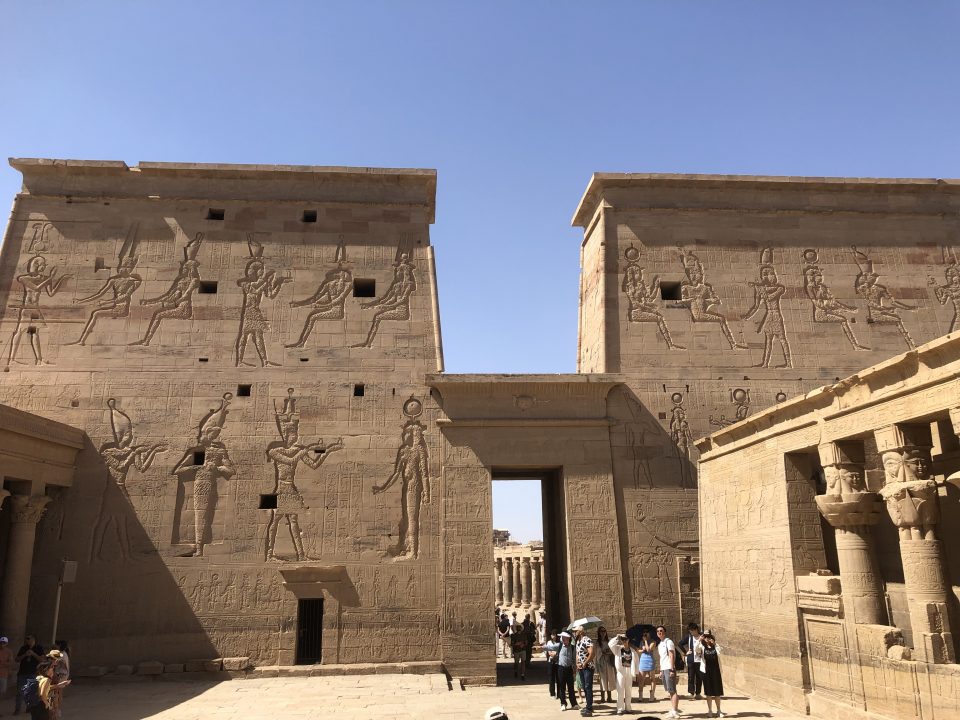
Among the most impressive structures within the complex is the First Pylon, a monumental gateway decorated with scenes of Ptolemaic rulers making offerings to Isis, Horus, and Osiris. The reliefs follow traditional Egyptian artistic conventions, despite being commissioned by Greek-speaking rulers, demonstrating the enduring strength of Egyptian culture.
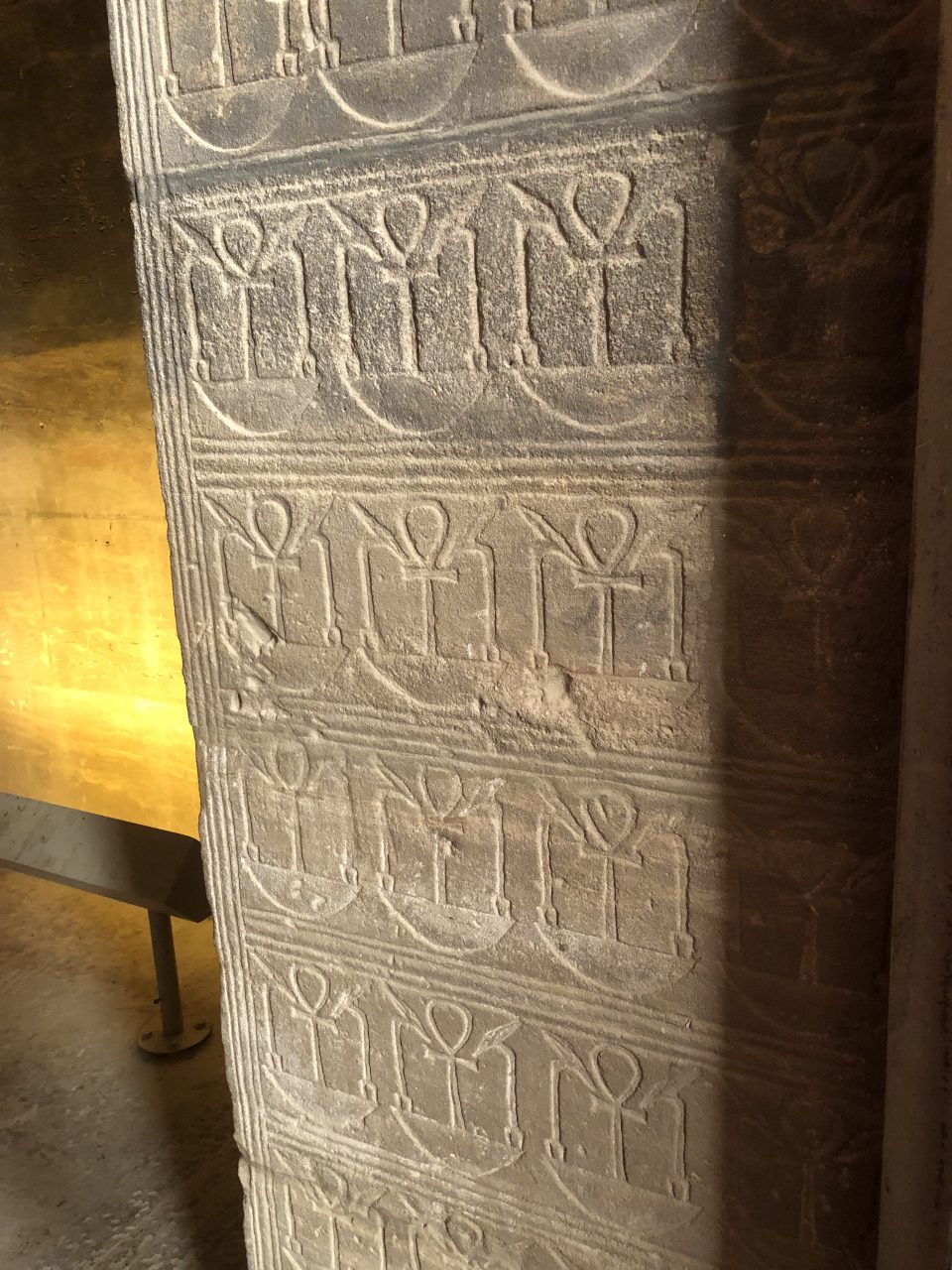
One of the most fascinating historical facts about Philae is that it remained an active centre of ancient Egyptian religion long after many other temples had closed. Even after Egypt became part of the Roman Empire and Christianity spread throughout the country, worship of Isis continued at Philae. It was among the last strongholds of the ancient Egyptian faith.
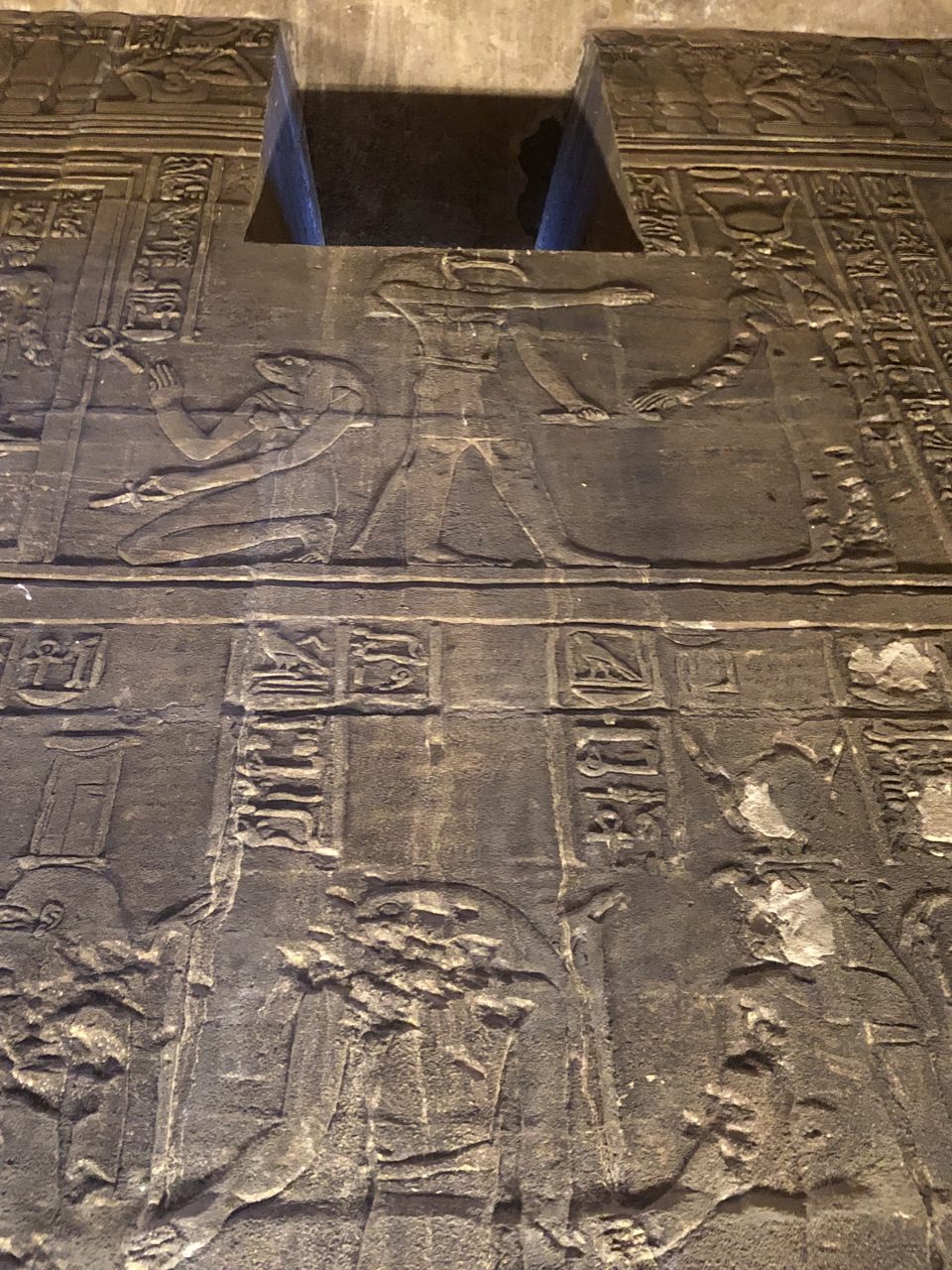
Evidence of this transition can still be seen today. During the Christian era, some sections of the temple were converted into churches, and certain carvings depicting ancient gods were deliberately damaged or altered. These changes provide valuable insight into the religious transformation of Egypt during Late Antiquity.
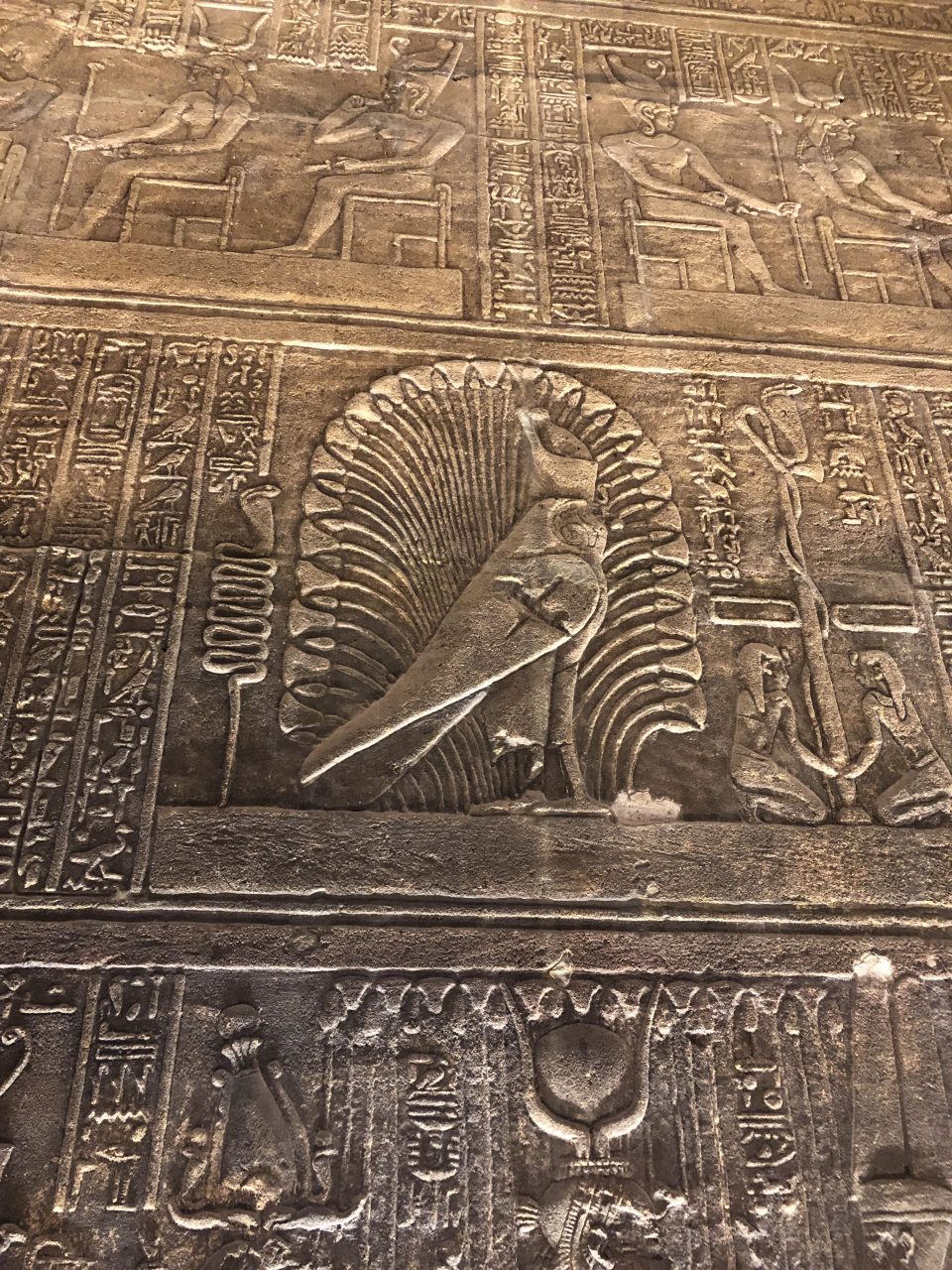
Philae is also famous for its inscriptions. One of the last known examples of hieroglyphic writing was carved here in 394 CE, while one of the final demotic inscriptions dates to 452 CE. These inscriptions mark the closing chapters of a writing system that had been used in Egypt for more than three thousand years.

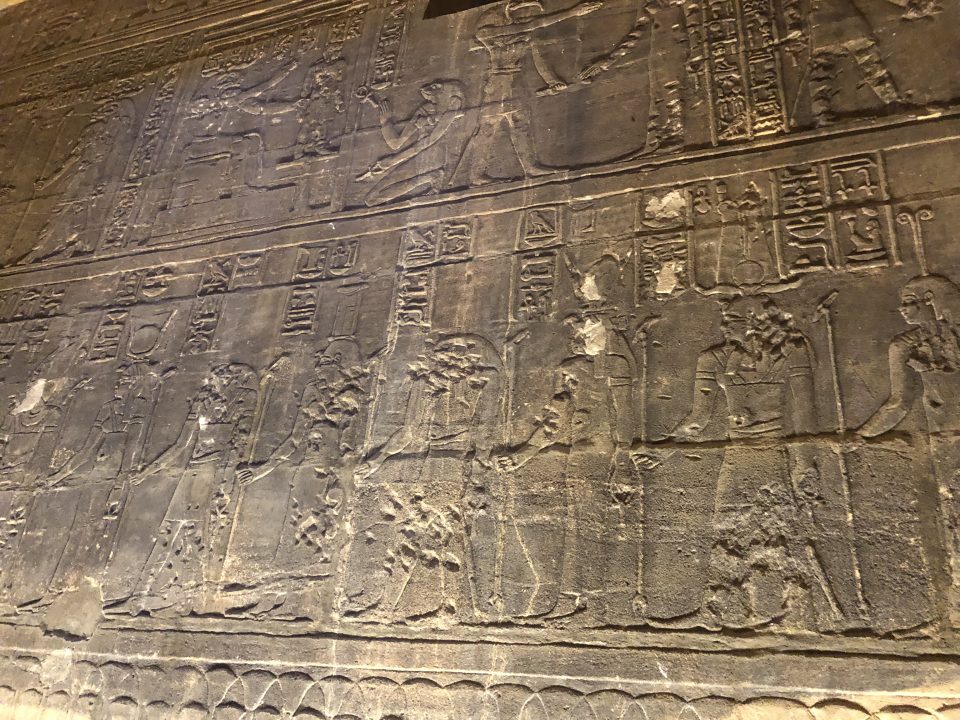
The Inner Sanctuary of the Temple of Philae
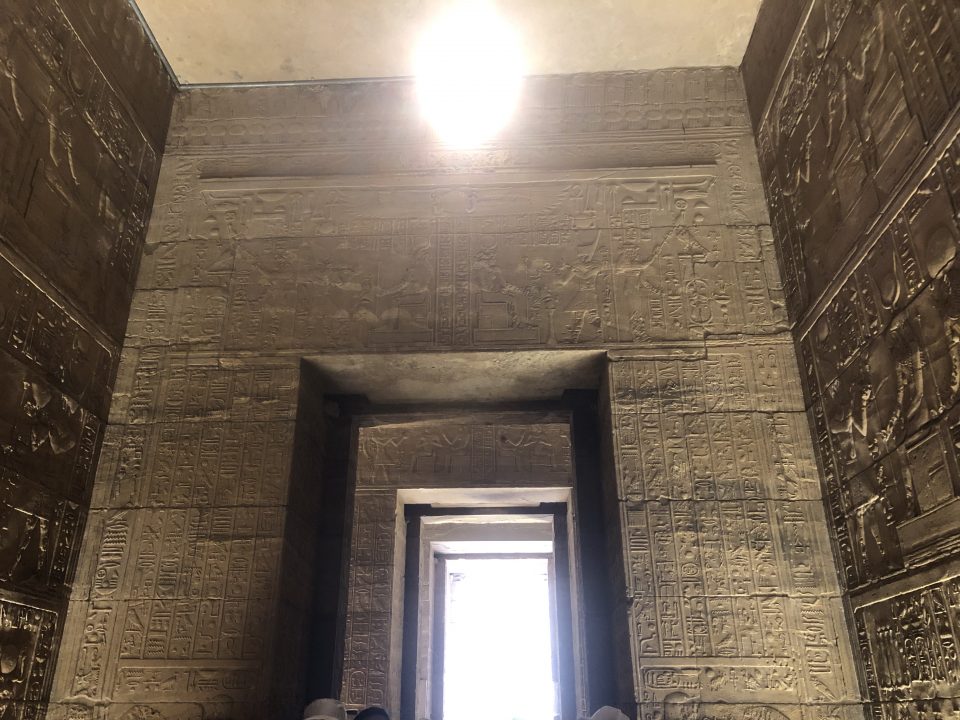
At the heart of the Temple of Philae lies the Inner Sanctuary, the most sacred area of the temple and the spiritual centre of the cult of Isis. Accessible only to high priests and select temple officials, this chamber housed the sacred barque, a ceremonial boat that carried the statue of the goddess during important religious festivals. The sanctuary was considered the dwelling place of Isis on earth, where daily rituals, prayers, and offerings were performed to honour the goddess and maintain divine order.
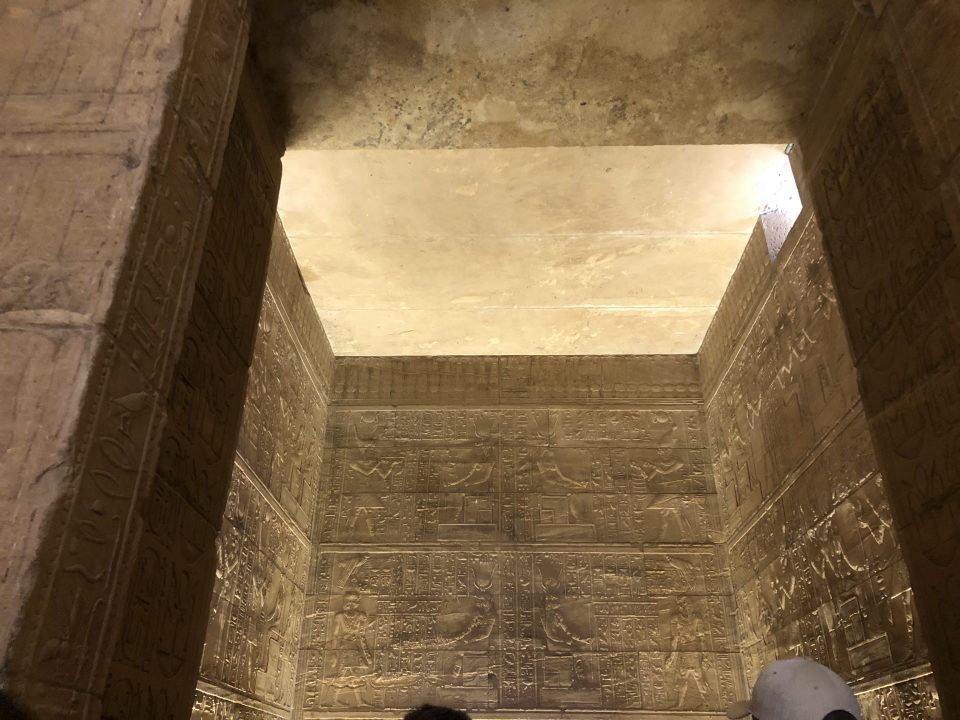
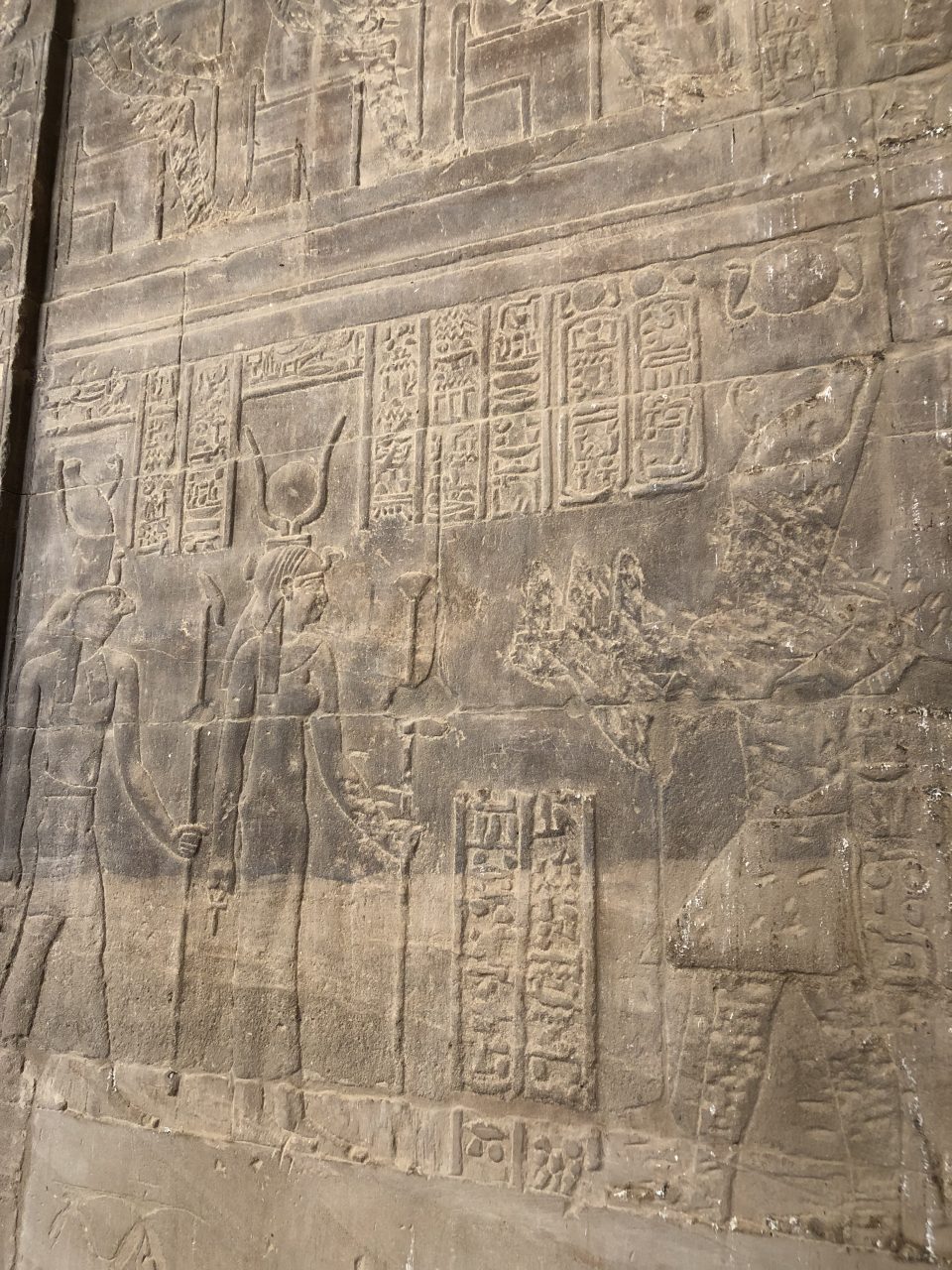
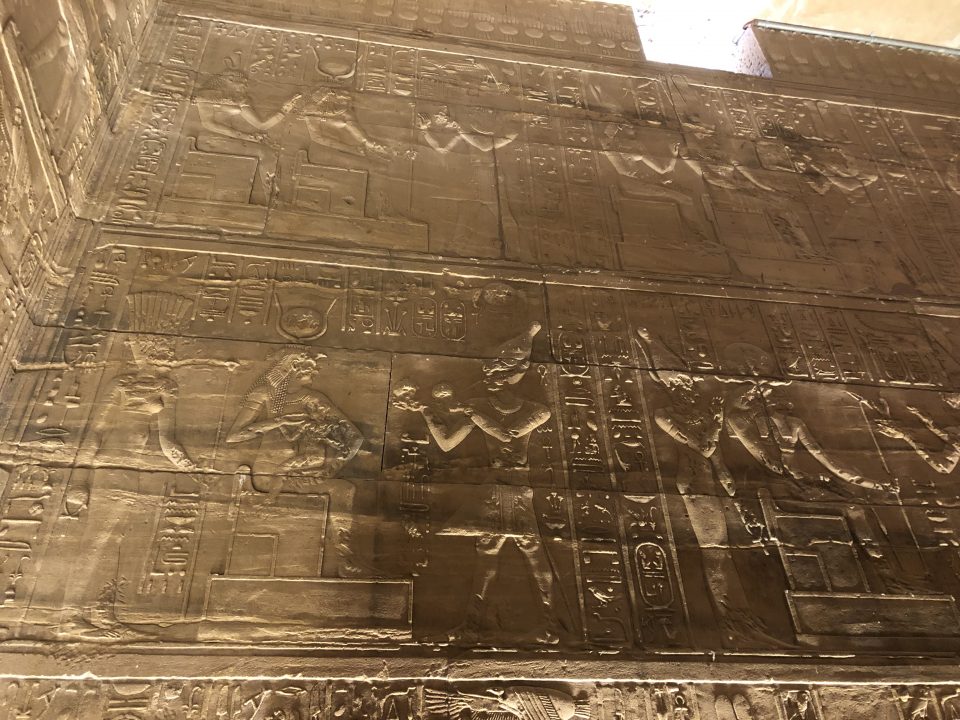
The walls of the sanctuary are adorned with intricate reliefs depicting the Ptolemaic pharaohs presenting offerings to Isis, Osiris, and Horus.
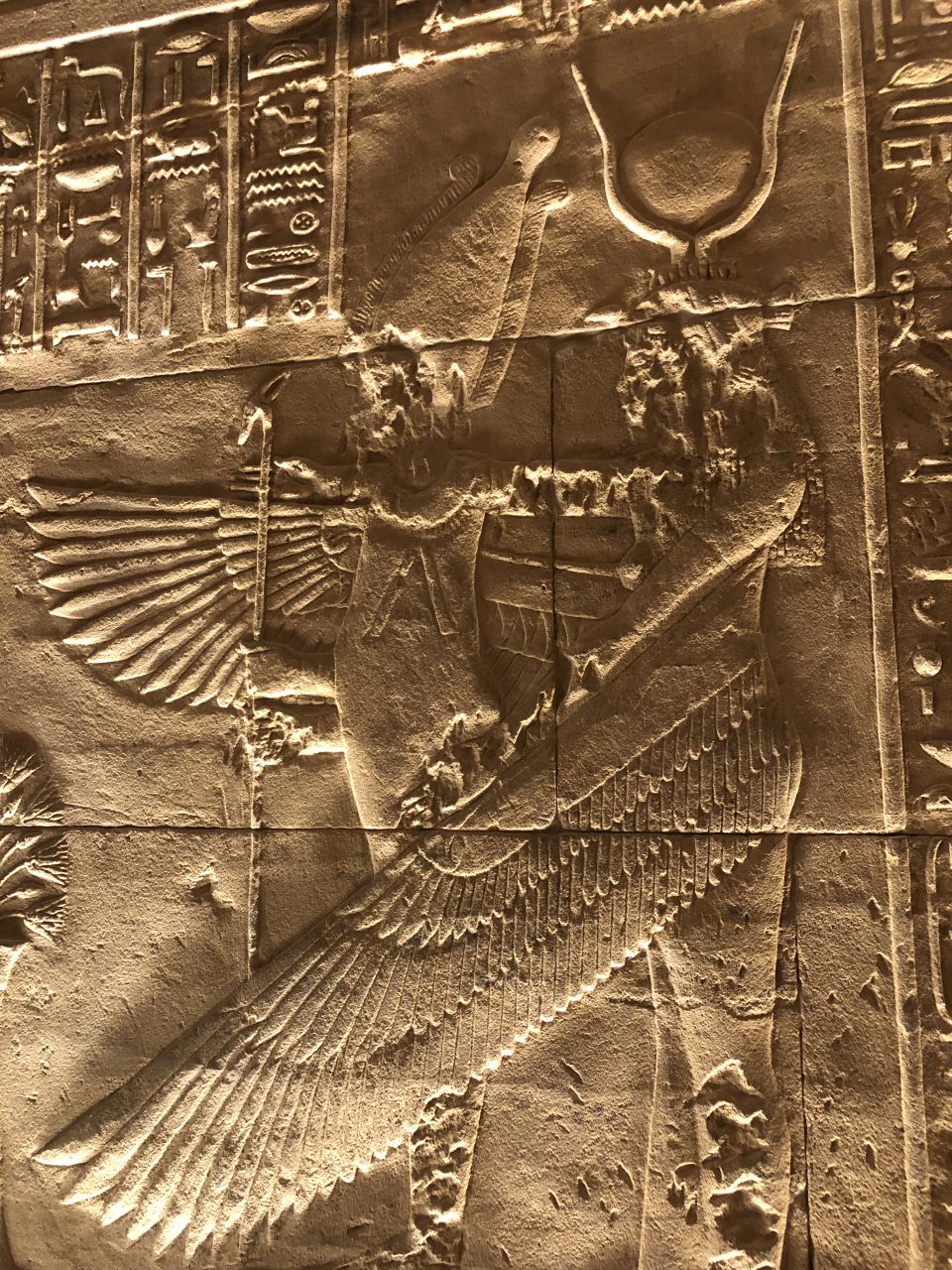
These scenes emphasised the ruler’s role as the intermediary between the gods and the people, reinforcing both religious and political authority. Although the original cult statue has long disappeared, the sanctuary remains one of the most atmospheric spaces within Philae, offering visitors a glimpse into the sacred rituals that once took place in one of the last active centres of ancient Egyptian worship.
The temple faced a serious threat in the twentieth century when the construction of the Aswan High Dam caused rising water levels that submerged much of the island. Recognising its importance, UNESCO launched an international rescue campaign. Between 1972 and 1980, the entire complex was carefully dismantled and reconstructed on the nearby island of Agilkia, stone by stone, approximately 500 metres from its original location.
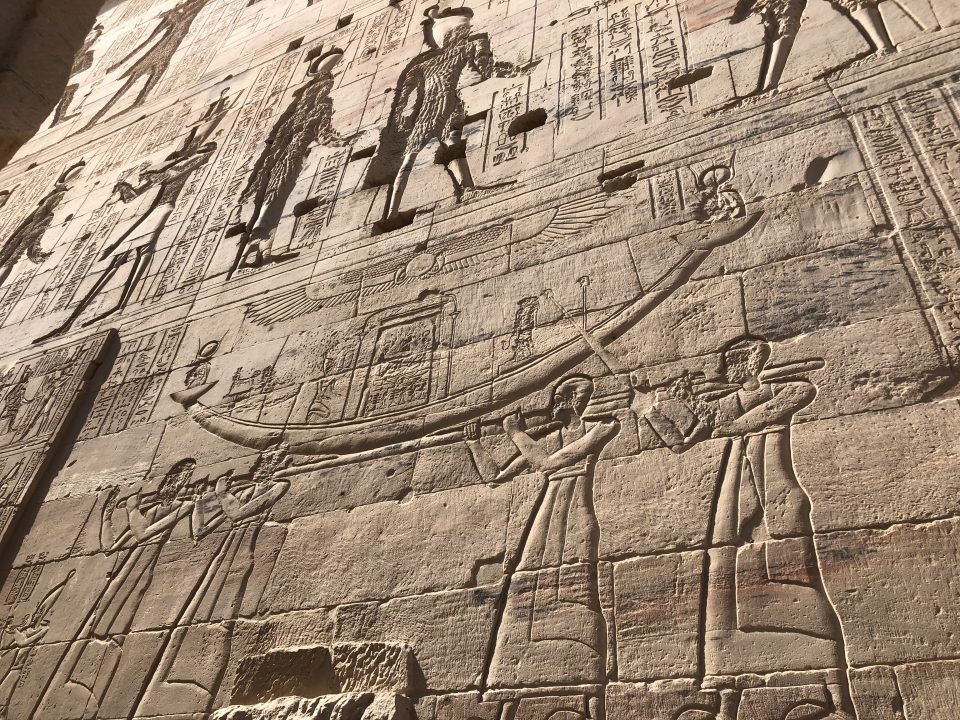
Gate of Hadrian: A Roman Monument at the Sacred Island of Philae
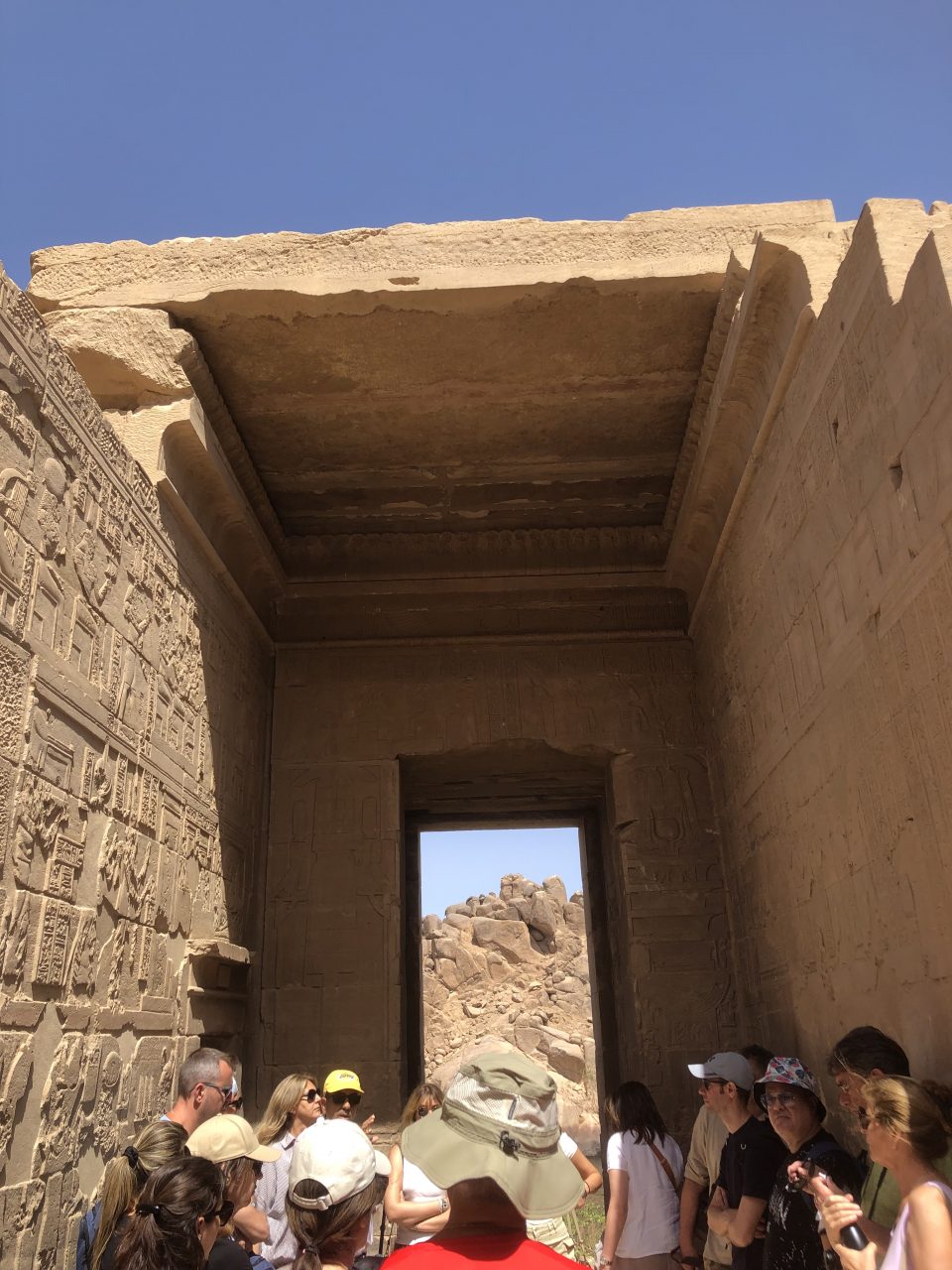
The Gate of Hadrian is one of the most historically significant monuments within the Temple of Philae complex. Built during the reign of the Roman Emperor Hadrian (117-138 CE), the gateway stands near the western side of the island sanctuary and marks an important phase in the temple’s long history under Roman rule. Although Egypt had been part of the Roman Empire for more than a century, the emperors continued to support traditional Egyptian religious practices, and the gate reflects this blend of Roman authority and ancient Egyptian beliefs.
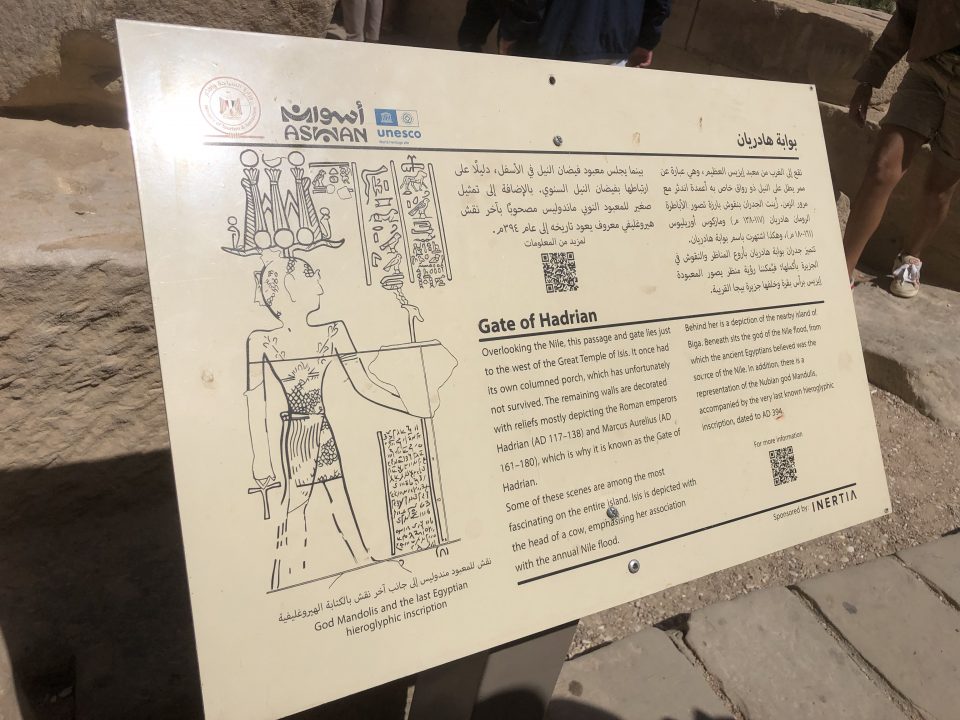
What makes the Gate of Hadrian particularly important is its connection to the cult of Osiris, the god of the underworld, resurrection, and eternal life. The gateway contains some of the most significant surviving reliefs relating to the Osiris Mysteries, sacred ceremonies that commemorated the death and rebirth of the god. According to ancient traditions, a sacred relic associated with Osiris was believed to be buried on the nearby island of Bigeh, which lay opposite Philae and was regarded as one of the holiest places in Upper Egypt. As a result, the gate served as a symbolic link between the Temple of Isis at Philae and the sacred landscape associated with Osiris.
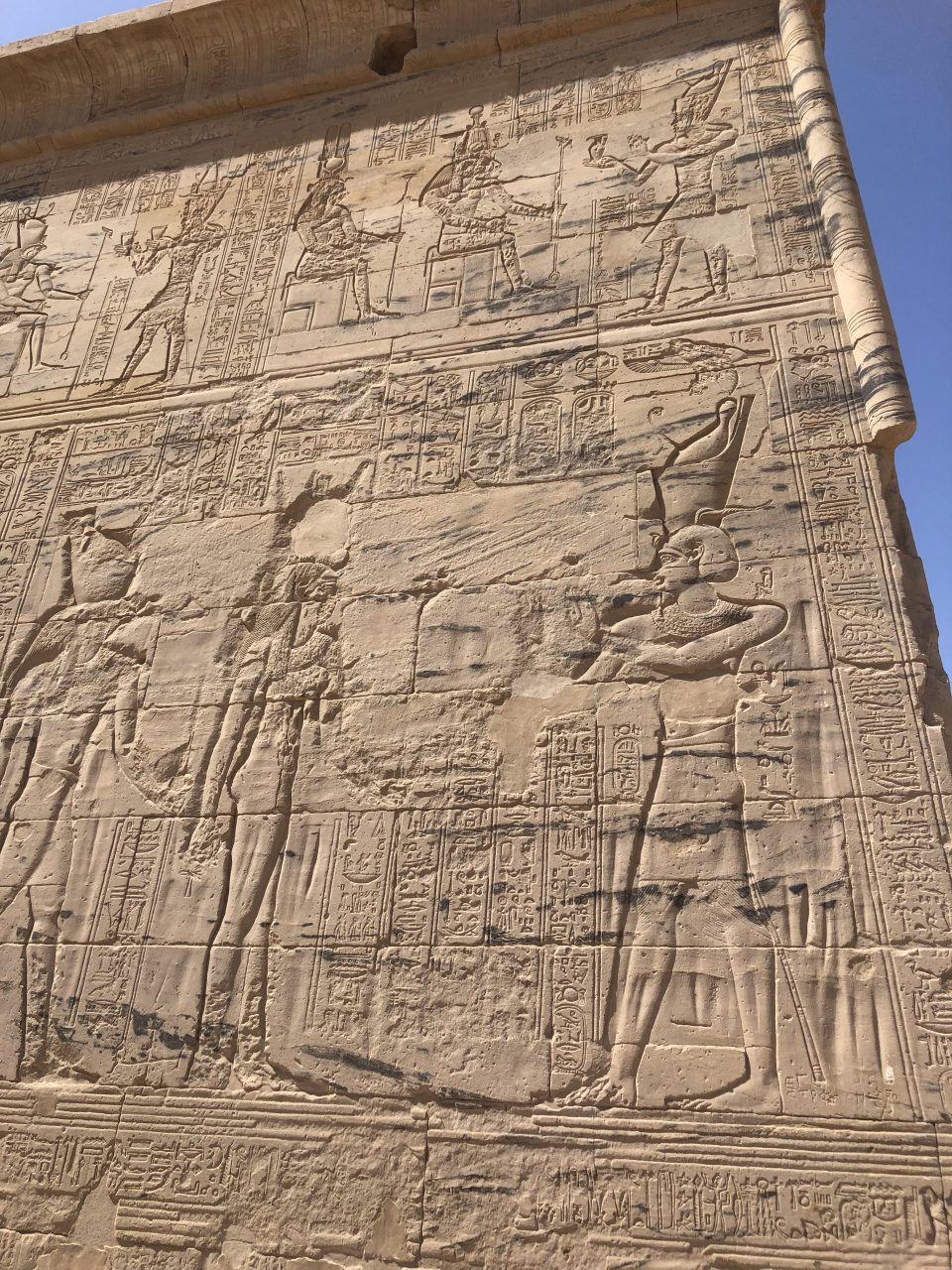
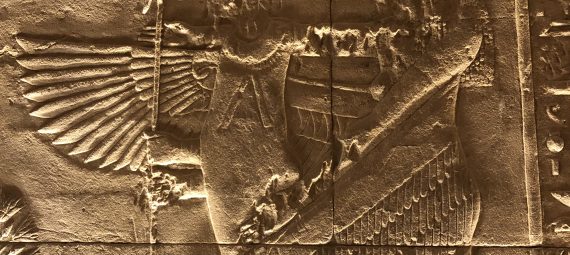
The reliefs carved on the gate depict Emperor Hadrian making offerings to Egyptian deities in the traditional pharaonic style. One of the most famous scenes shows sacred rituals connected to Osiris, reinforcing the belief that the god’s resurrection ensured the annual renewal of nature and the fertility of the Nile Valley. Despite being a Roman ruler from far beyond Egypt, Hadrian is portrayed as a pharaoh, demonstrating how Roman emperors adopted Egyptian religious imagery to legitimise their rule and gain the support of the local population.
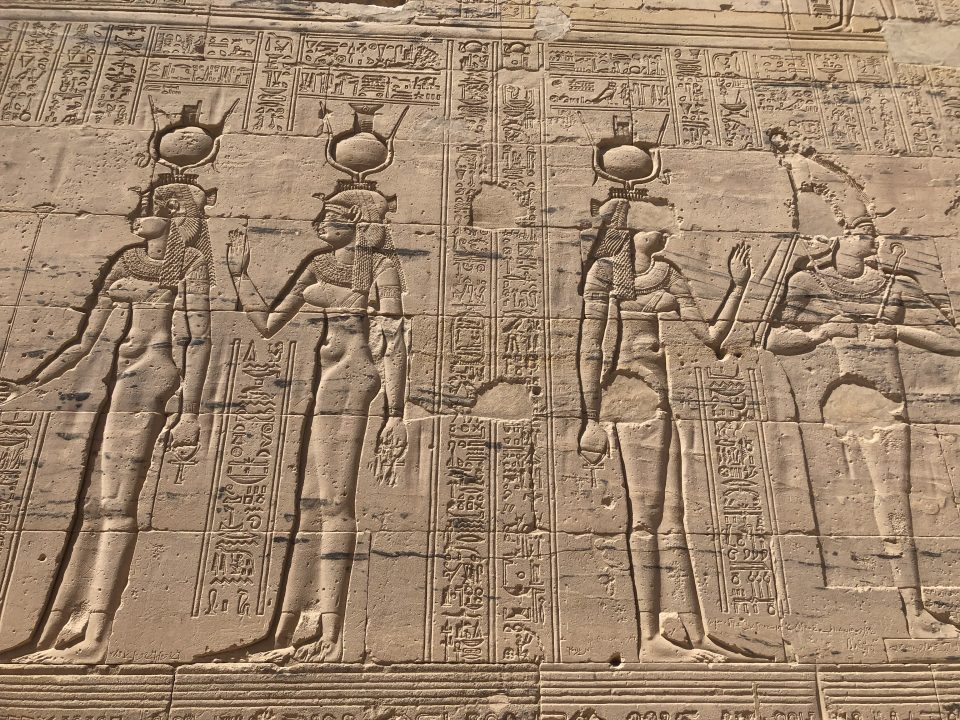
Today, the Gate of Hadrian offers visitors a fascinating glimpse into the final centuries of ancient Egyptian religion. It was constructed at a time when traditional temple worship was gradually declining elsewhere in Egypt, yet Philae remained a thriving centre of pilgrimage and devotion to Isis and Osiris. The gateway’s detailed carvings, historical inscriptions, and strong association with the Osiris cult make it one of the most valuable monuments at Philae, preserving evidence of religious traditions that survived until the last days of the ancient Egyptian world.
Kiosk of Trajan: The Ceremonial Gateway of Philae
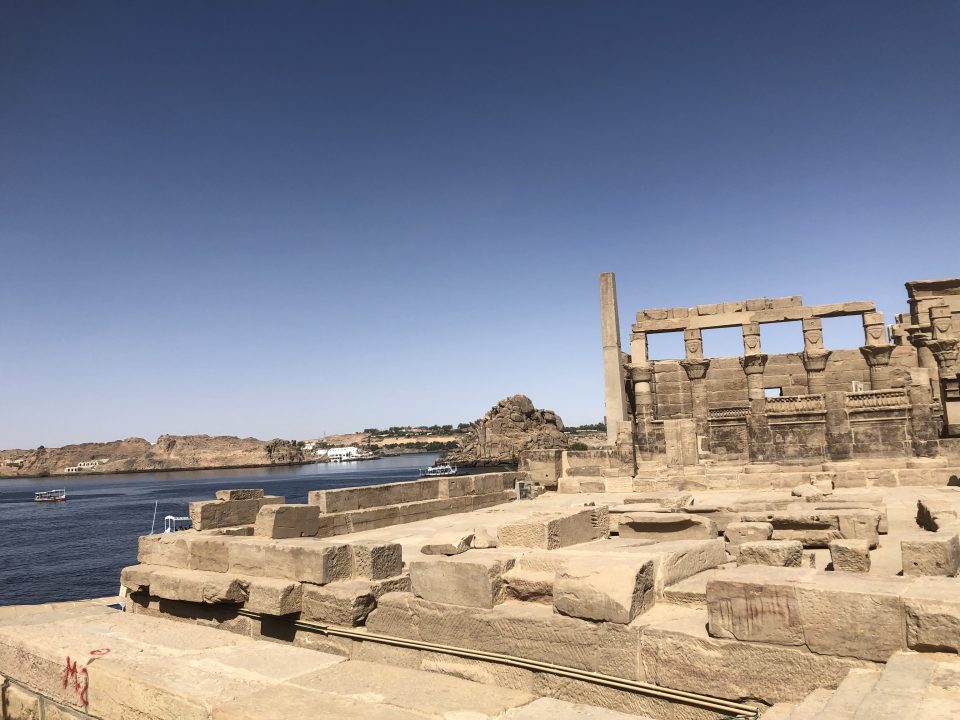
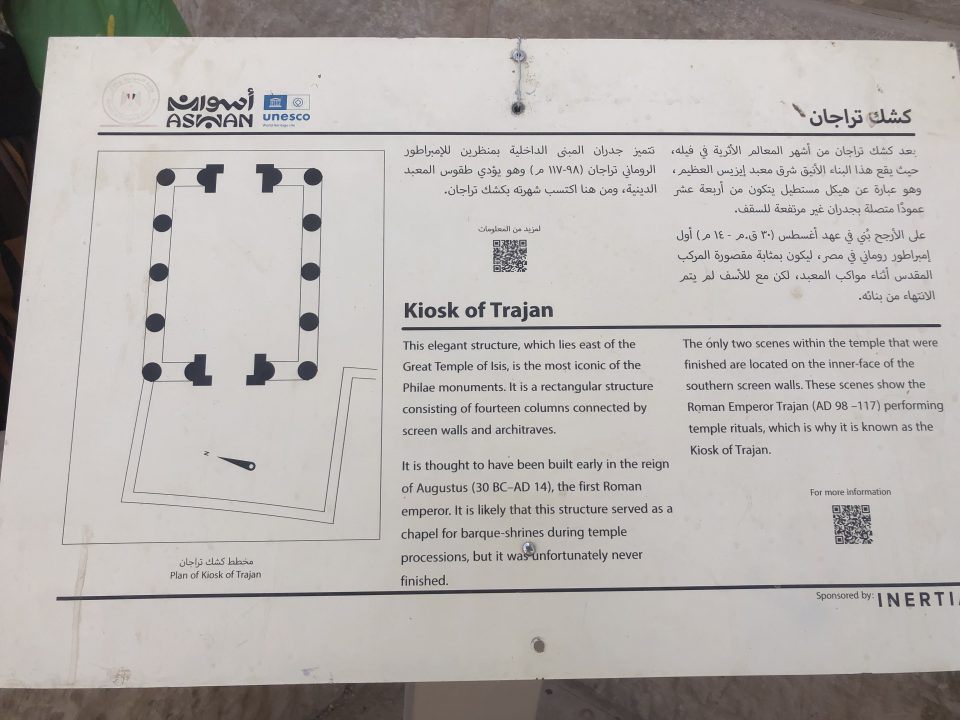
The Kiosk of Trajan is one of the most recognisable and elegant monuments within the Temple of Philae complex. Situated on the island’s eastern waterfront, it was the first structure seen by pilgrims arriving by boat from the Nile. Built during the reign of the Roman Emperor Trajan (98-117 CE), the kiosk reflects a period when Roman rulers continued to support traditional Egyptian temples and religious practices. Measuring approximately 15.8 metres high, the structure is composed of fourteen massive columns arranged in two rows, each crowned with beautifully carved floral capitals inspired by papyrus and palm plants. Its open-air design and commanding position overlooking the water made it a striking ceremonial entrance to the sacred sanctuary of Isis.
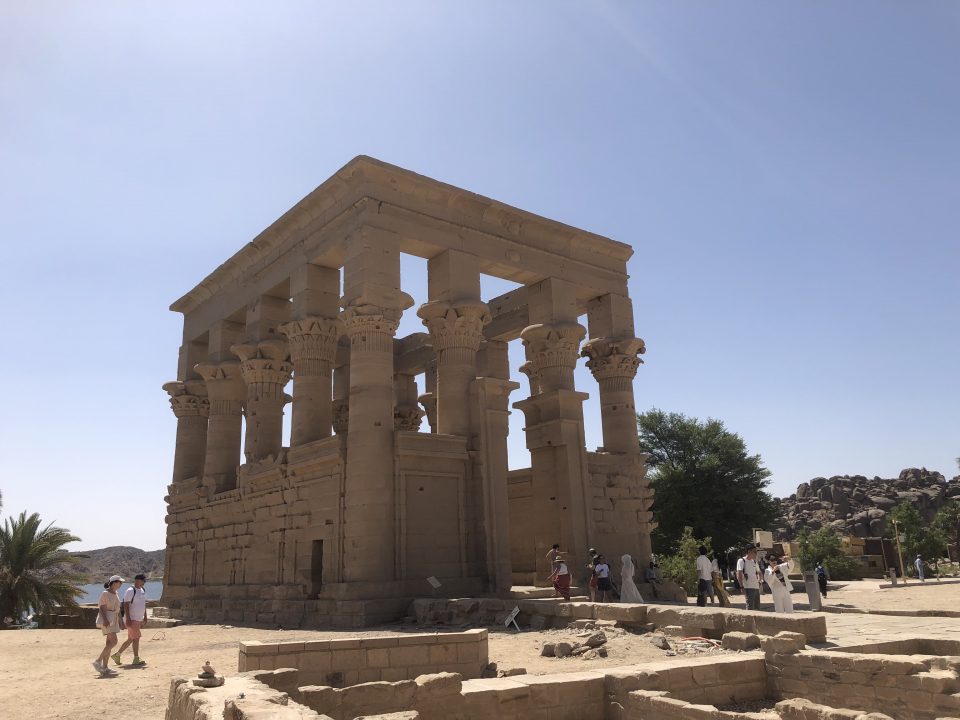
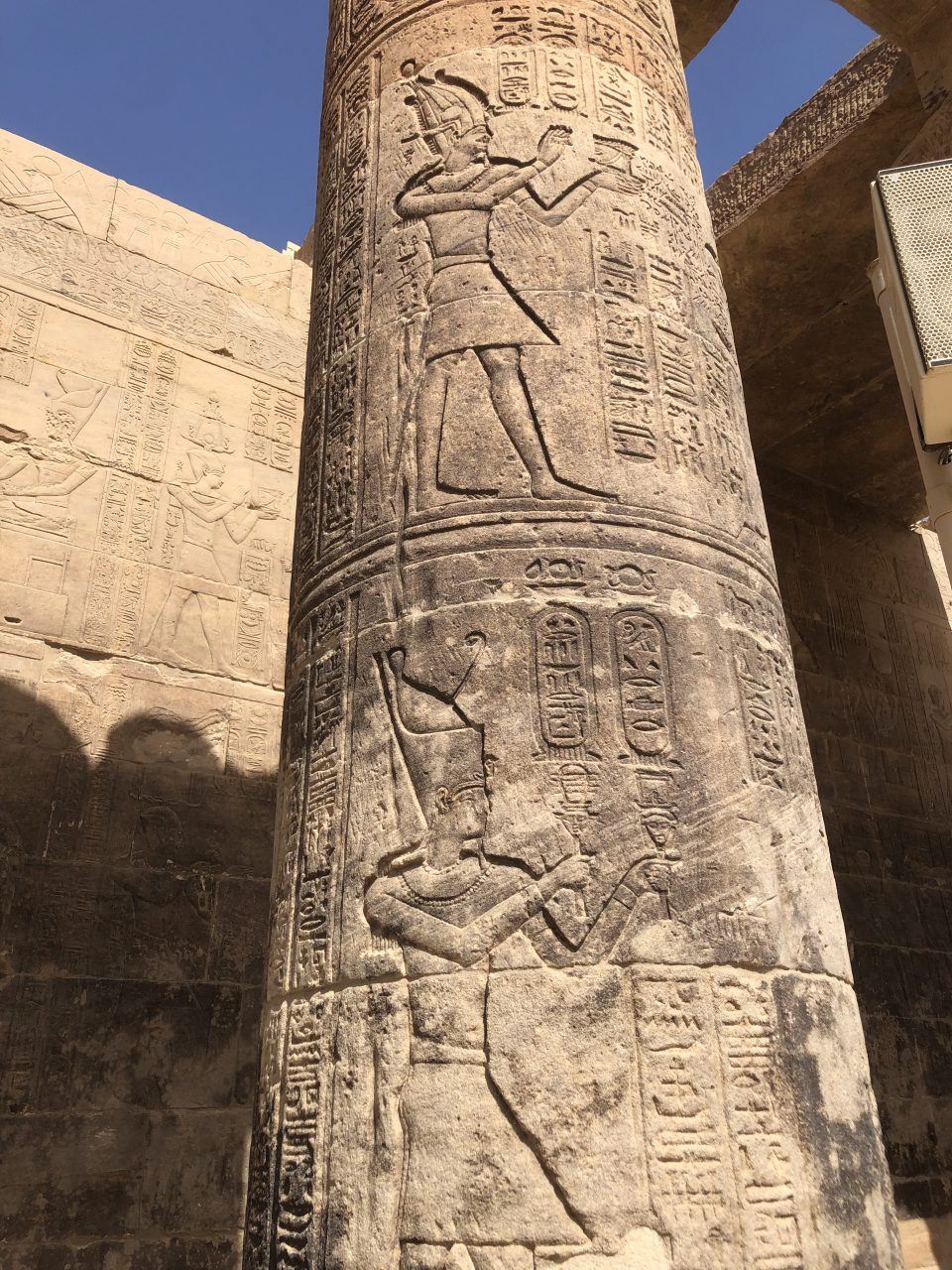
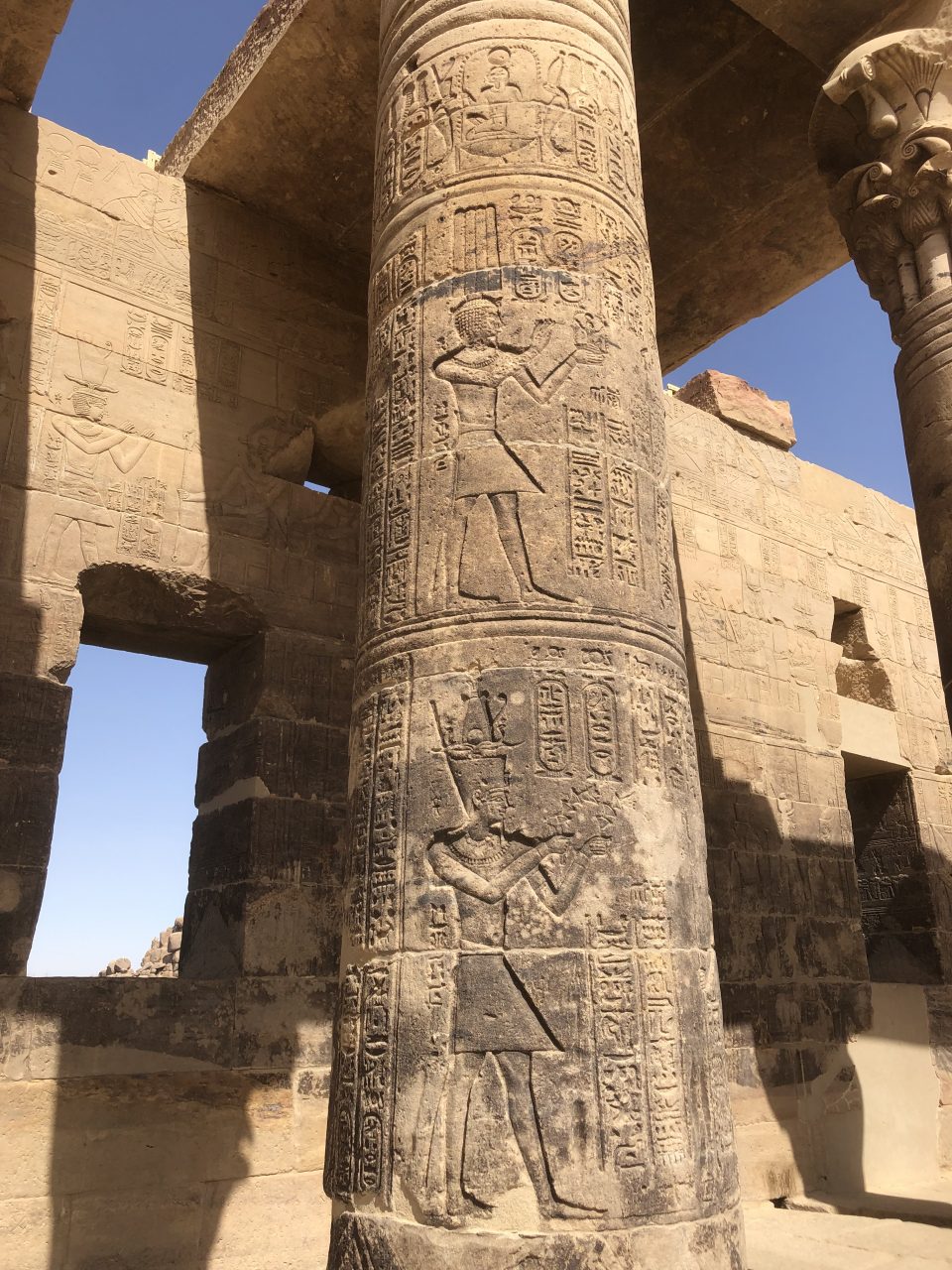
The kiosk served an important religious function during temple festivals and processions. Ancient priests would transport the sacred barque, or ceremonial boat, carrying the cult statue of Isis between the temple and the Nile. Scholars believe the kiosk acted as a station where the sacred barque could rest before entering the temple precinct. Reliefs carved on the columns depict Emperor Trajan dressed in traditional pharaonic attire, burning incense and presenting offerings to Egyptian deities including Isis, Osiris, and Horus. These scenes illustrate how Roman emperors adopted the imagery and rituals of the pharaohs to demonstrate their legitimacy as rulers of Egypt and guardians of its ancient religious traditions.
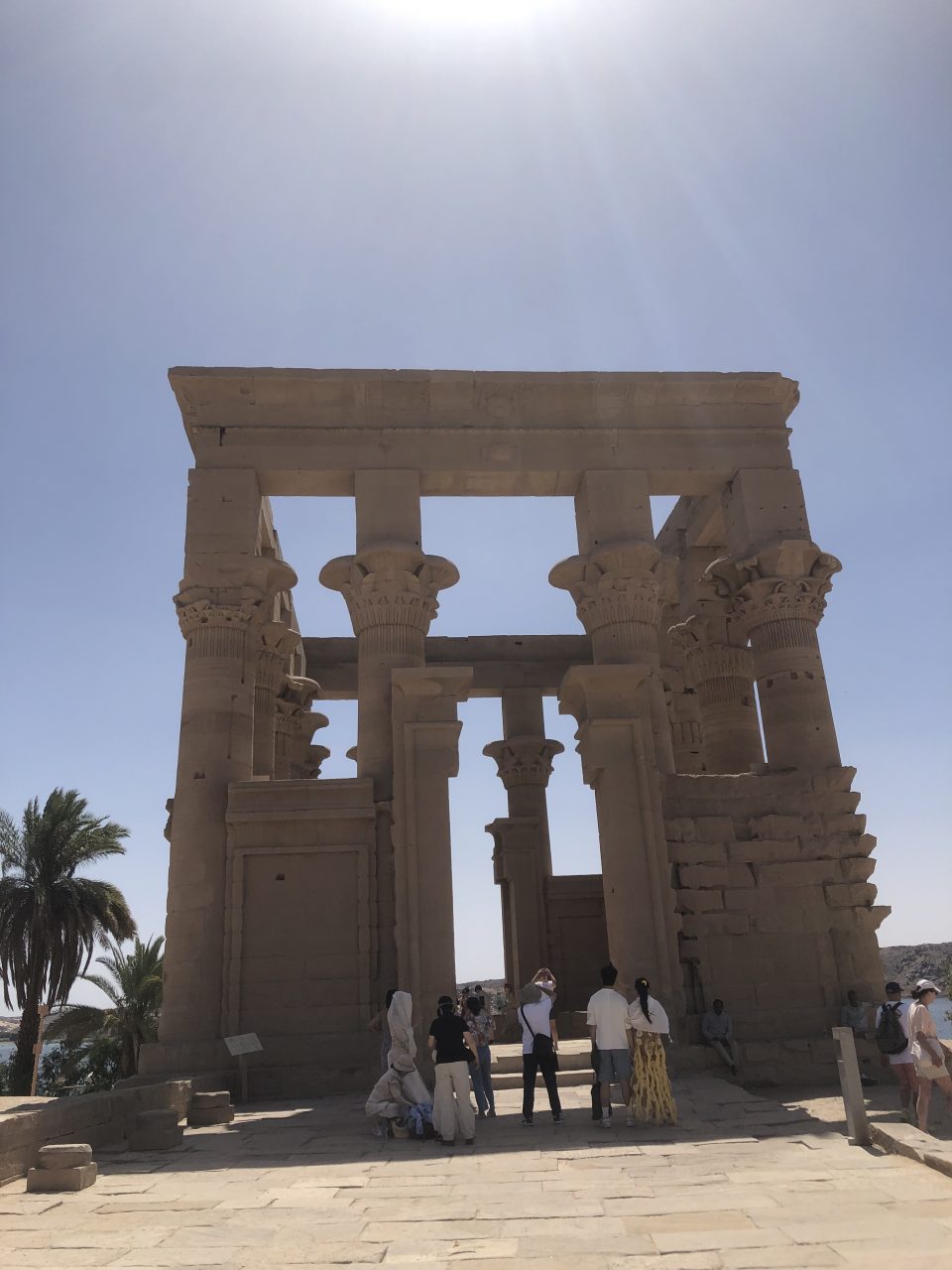
One of the most fascinating aspects of the Kiosk of Trajan is its unusual architecture. Unlike most Egyptian temple buildings, it was never fully enclosed, and its roof was left unfinished. Evidence suggests that plans originally existed for walls and a complete roof structure, but construction was halted before completion. Despite this, the kiosk remains a masterpiece of Roman-Egyptian architecture, blending classical Roman engineering with traditional Egyptian religious symbolism. Its open design creates a sense of lightness that contrasts with the more enclosed and monumental spaces of the main temple.
Today, the Kiosk of Trajan is among the most photographed landmarks at Philae and has become a symbol of the site itself. Standing beside the water much as it did nearly two thousand years ago, it evokes the grandeur of the religious processions that once animated the island. The structure also reflects the final flourishing of ancient Egyptian temple culture during the Roman period, a time when Philae remained one of the last active centres of worship for Isis. For visitors, the kiosk offers not only spectacular views of the surrounding landscape but also a tangible connection to the ceremonial life of one of Egypt’s most sacred sanctuaries.
Visiting the Temple of Philae Today
Today, reaching the Temple of Philae is part of the adventure itself. Located on Agilkia Island near Aswan, the temple can only be accessed by a short motorboat ride from the Philae Marina.
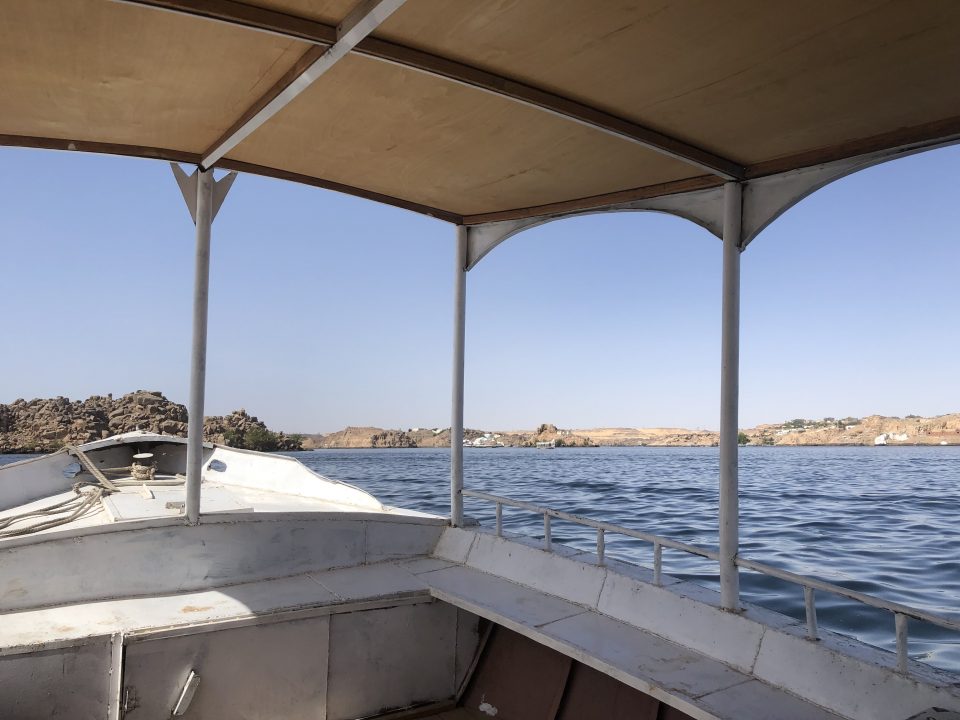
As visitors cross the calm waters of Lake Nasser, the majestic temple gradually emerges against the horizon, recreating the sense of anticipation once experienced by ancient pilgrims approaching this sacred sanctuary of Isis.
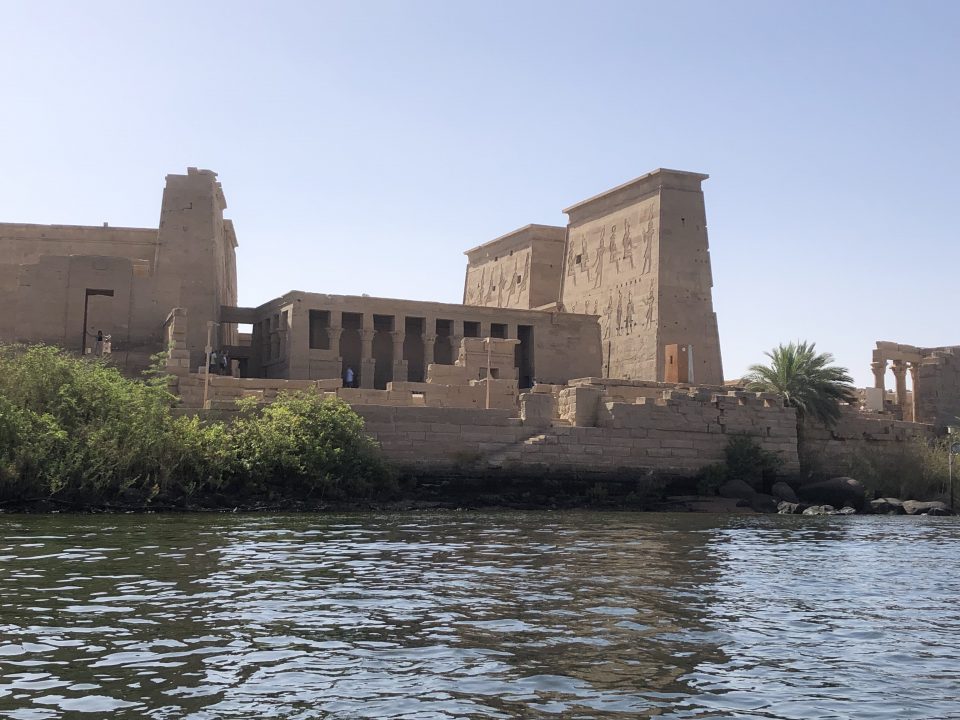
Most travellers visit Philae as part of an Aswan sightseeing tour, often alongside the Aswan High Dam and the Unfinished Obelisk. Once on the island, visitors can explore the temple’s impressive pylons, elegant courtyards, and beautifully preserved reliefs depicting the myths of Isis, Osiris, and Horus.

Whether visited during the day or illuminated for the evening Sound and Light Show, the Temple of Philae remains one of Egypt’s most atmospheric and historically significant monuments, offering a memorable journey into the country’s ancient past.
 Users Today : 28
 Users This Month : 489
 Users This Year : 28277
 Total Users : 53578
 Views This Year : 34454
 Total views : 69632
 Who's Online : 1