Nestled on Italy’s eastern coast, Rimini is more than just a beach destination—it’s a city where Roman history, vibrant nightlife, and authentic Italian culture blend seamlessly. Whether you’re strolling along its golden sands or exploring ancient ruins, Rimini offers a unique experience for every traveller.
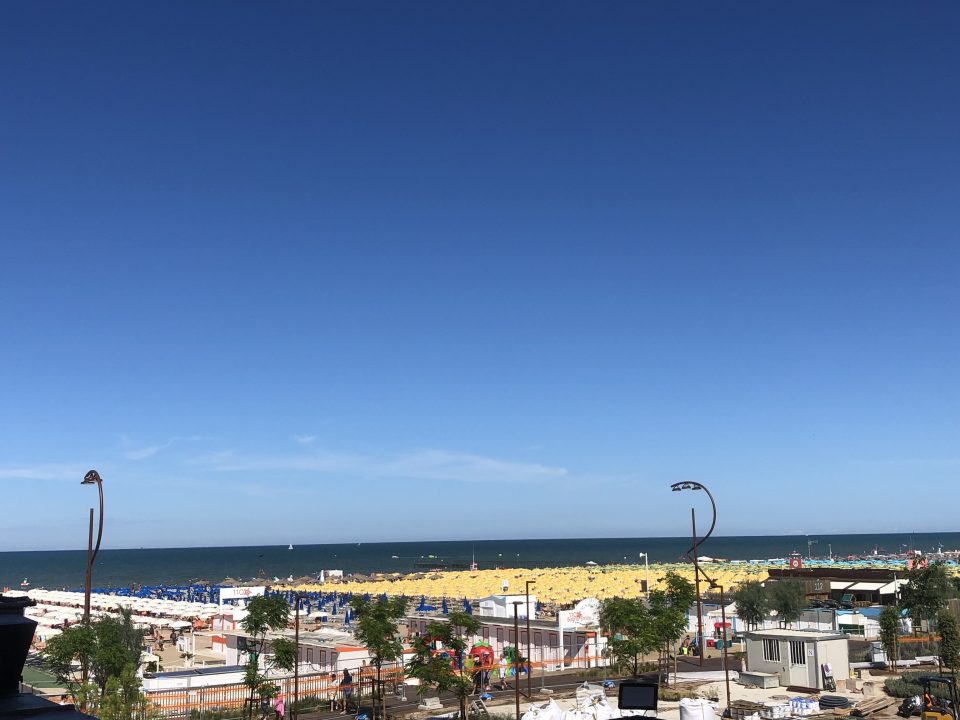
While many travellers flock here for its long stretches of golden sand, the city’s charm extends far beyond the shoreline. Ancient Roman landmarks, lively piazzas, and a rich culinary tradition make Rimini a place where culture and relaxation go hand in hand.
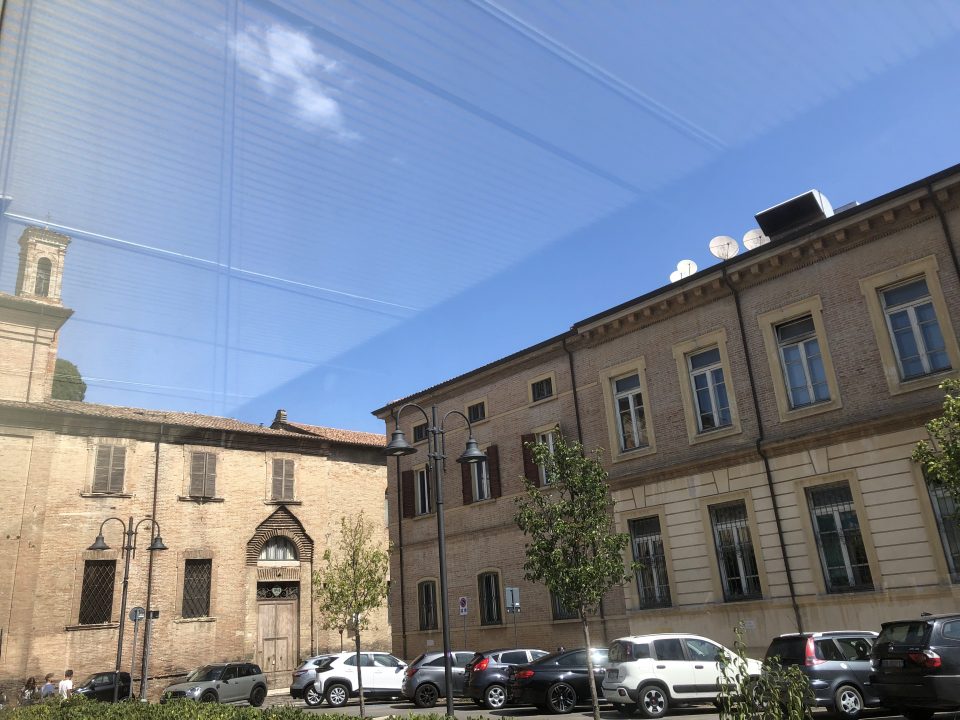
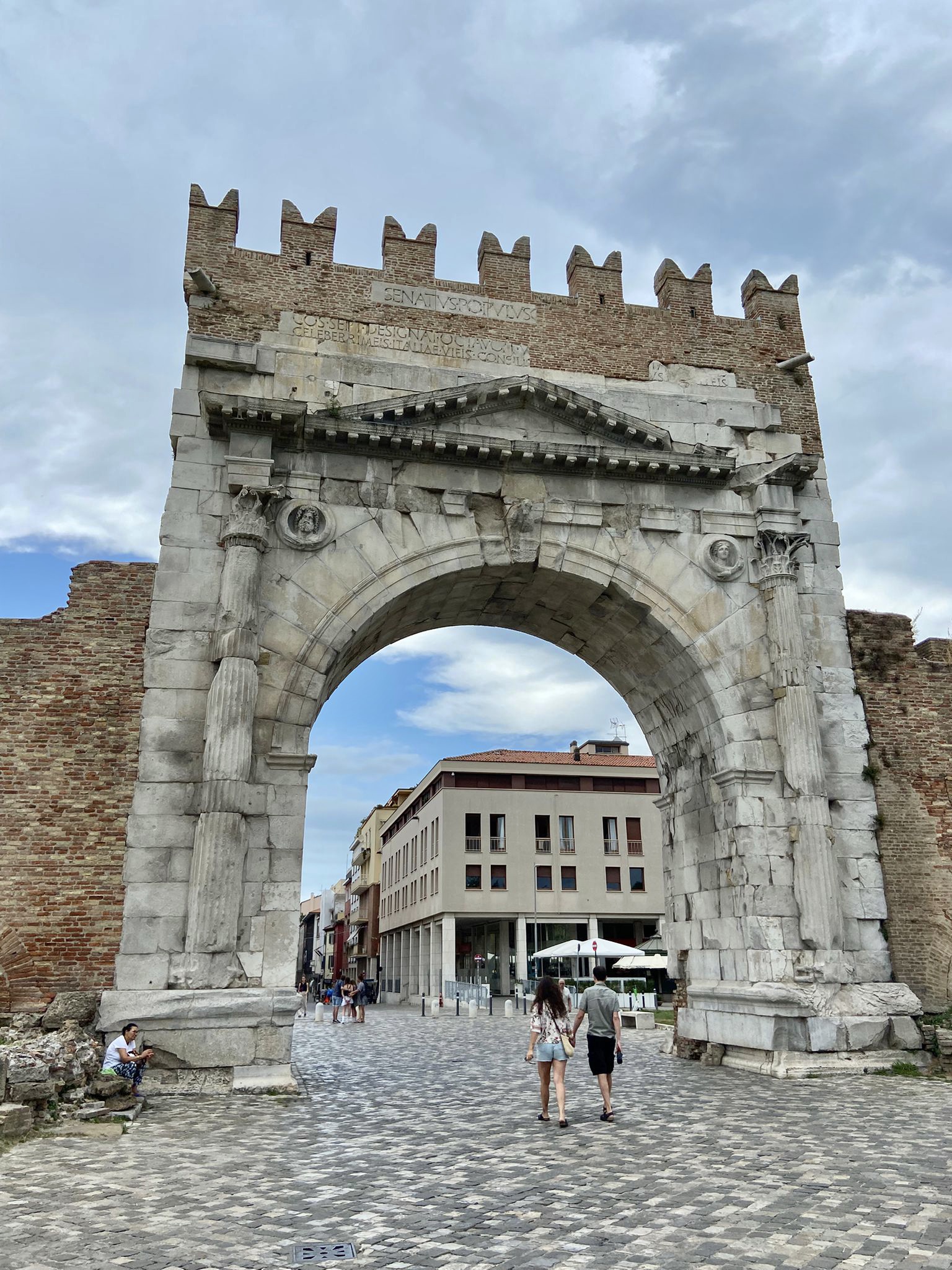
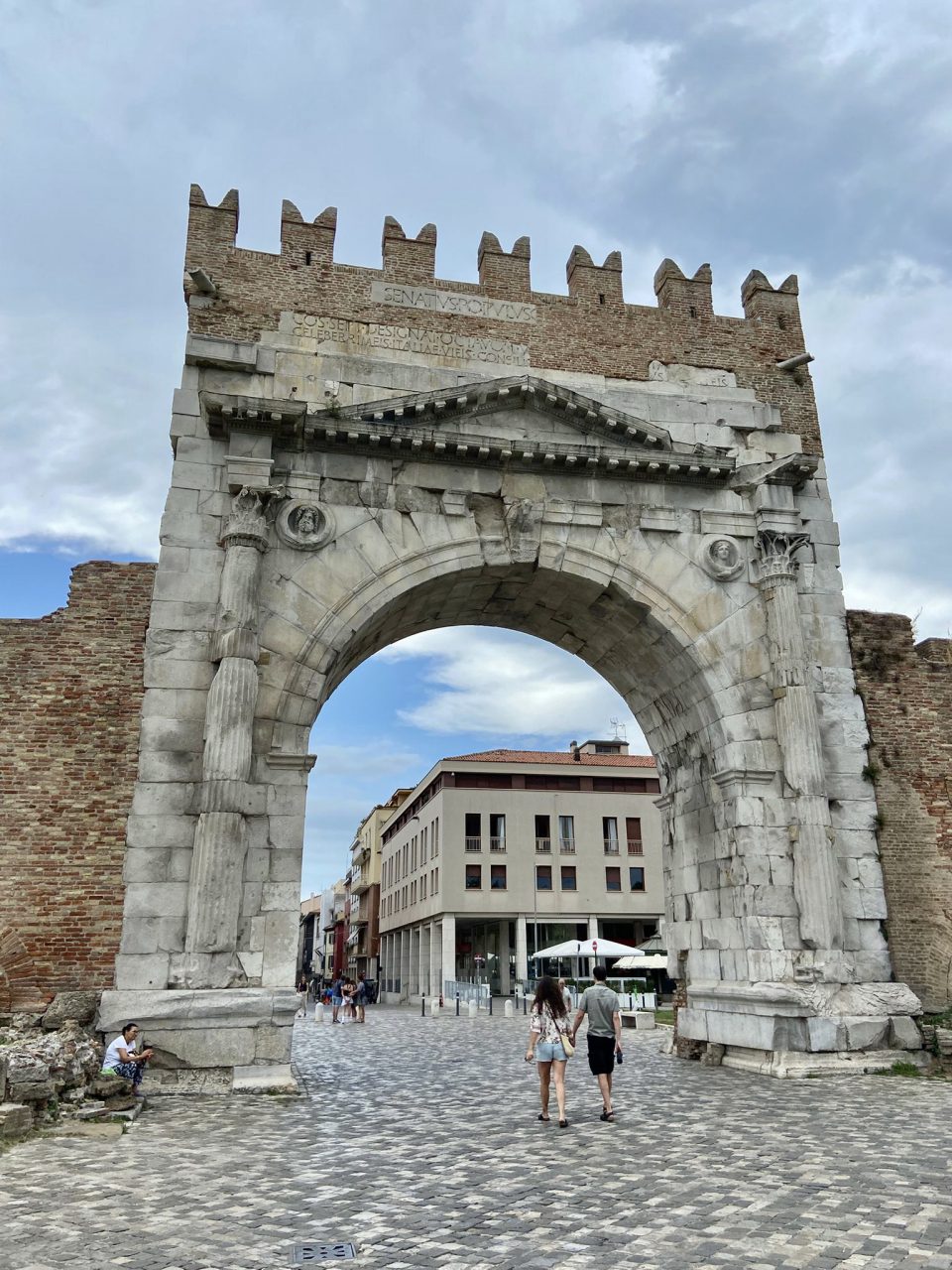
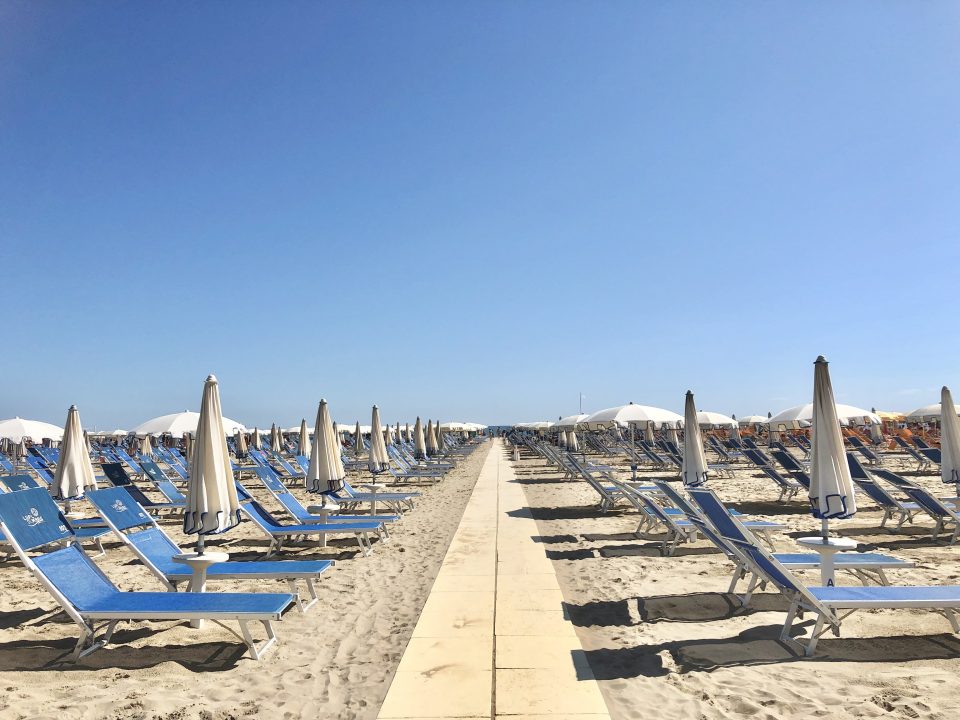
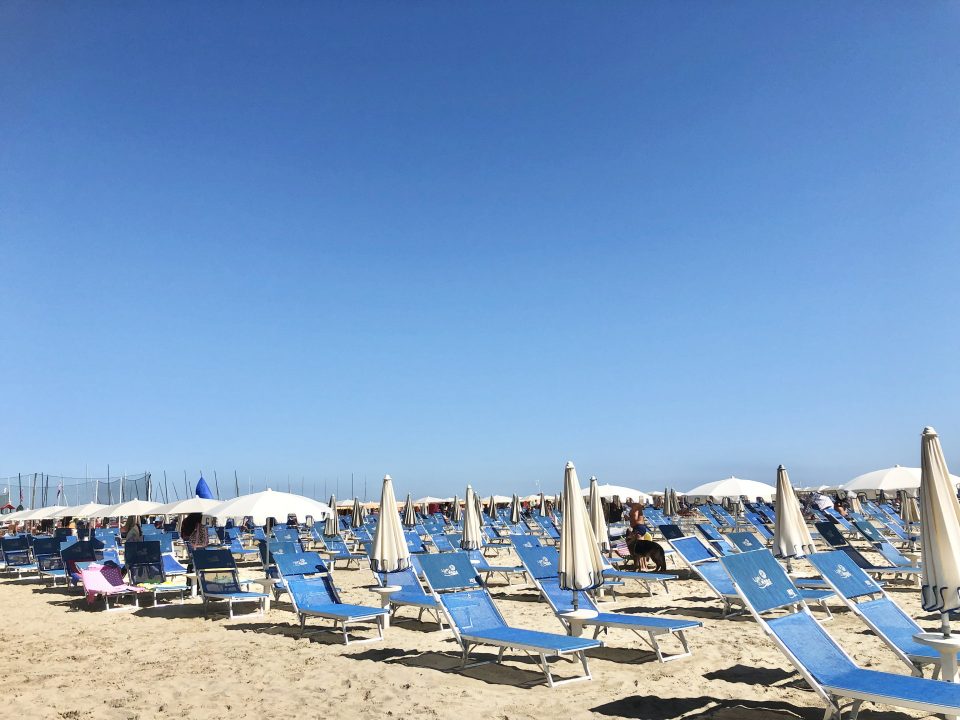
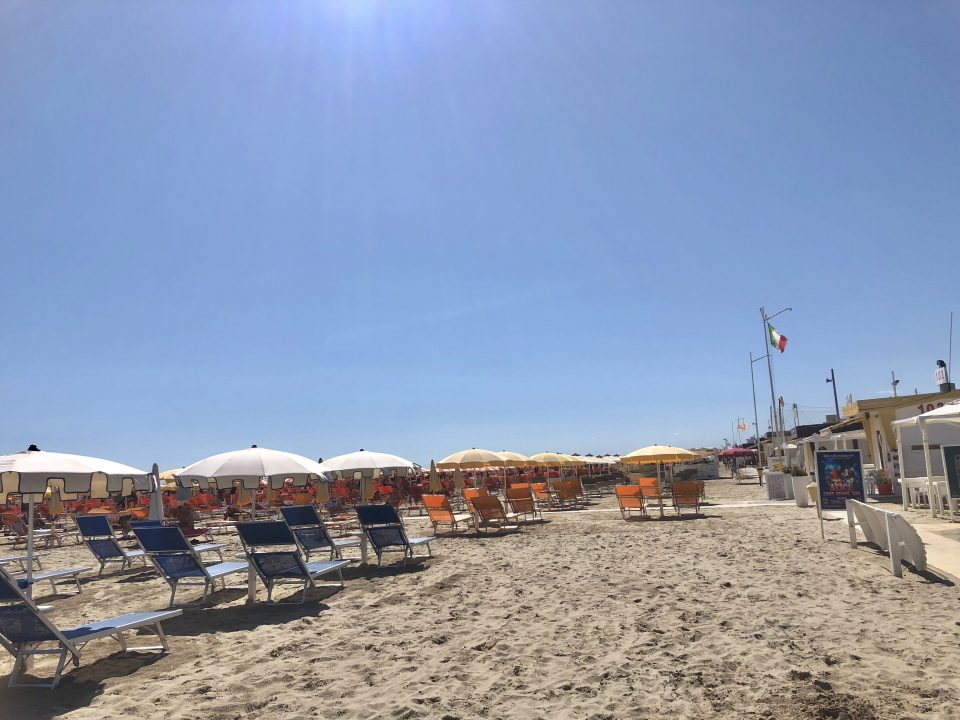
The beaches are undeniably the star attraction, stretching for miles and dotted with vibrant beach clubs offering loungers, umbrellas, and refreshing cocktails. Yet, a short stroll inland reveals a different side of Rimini. The old town invites visitors to wander through its cobbled streets and Roman ruins such as the Arch of Augustus and the Tiberius Bridge stand as reminders of the city’s enduring past.
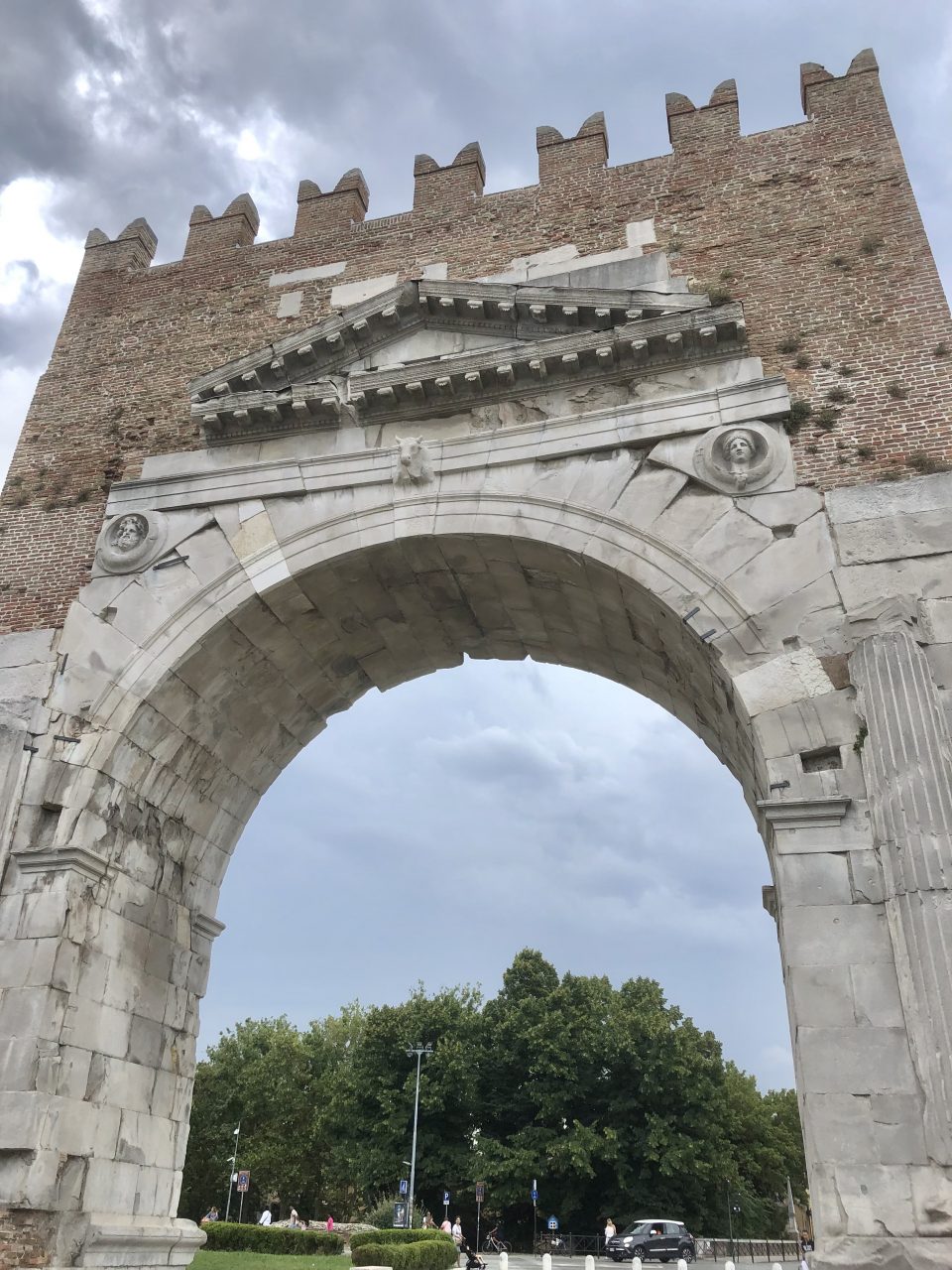
Arch of Augustus
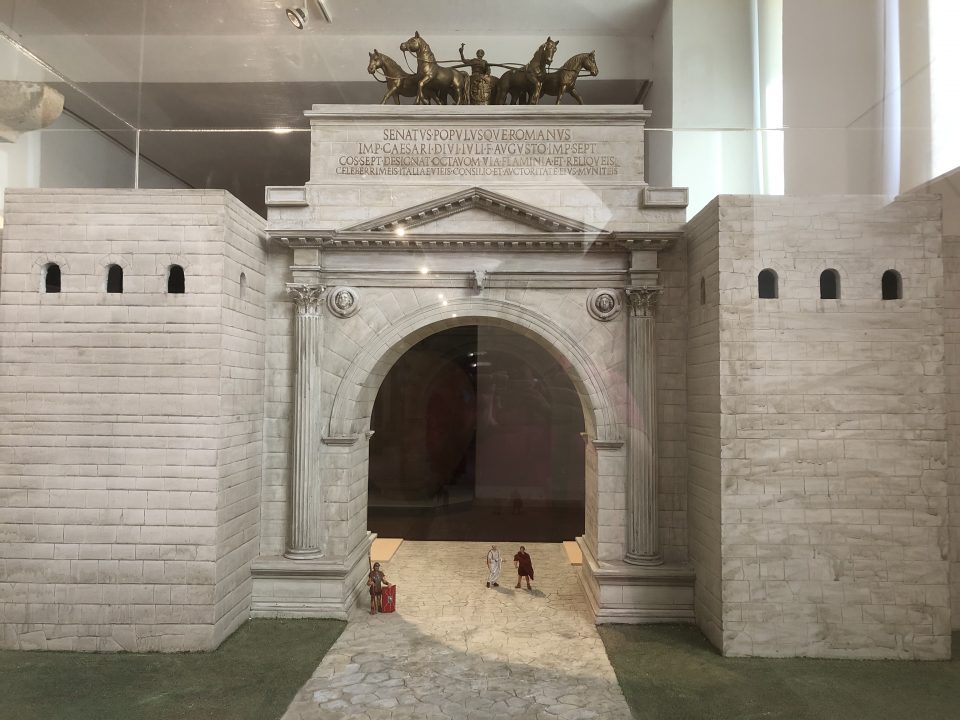
Built in 27 BC, this is one of the oldest surviving Roman arches in the world. It marked the end of the Via Flaminia, the ancient road connecting Rimini to Rome. Its imposing structure, with a single grand archway, symbolised peace under Emperor Augustus. Today, it stands proudly at the edge of the old town, offering a glimpse into Rimini’s ancient past.
Tiberius Bridge
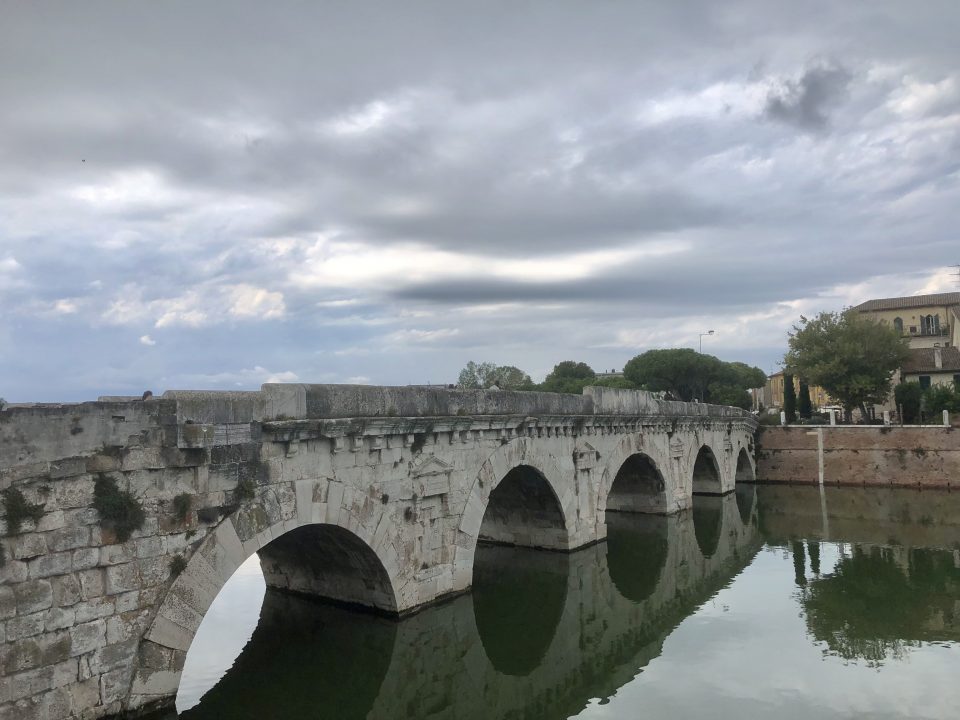
Completed in 21 AD during the reign of Emperor Tiberius, this bridge spans the Marecchia River and is still in use today—a testament to Roman engineering. Made of Istrian stone, its five arches are beautifully preserved, and walking across it feels like stepping back in time.
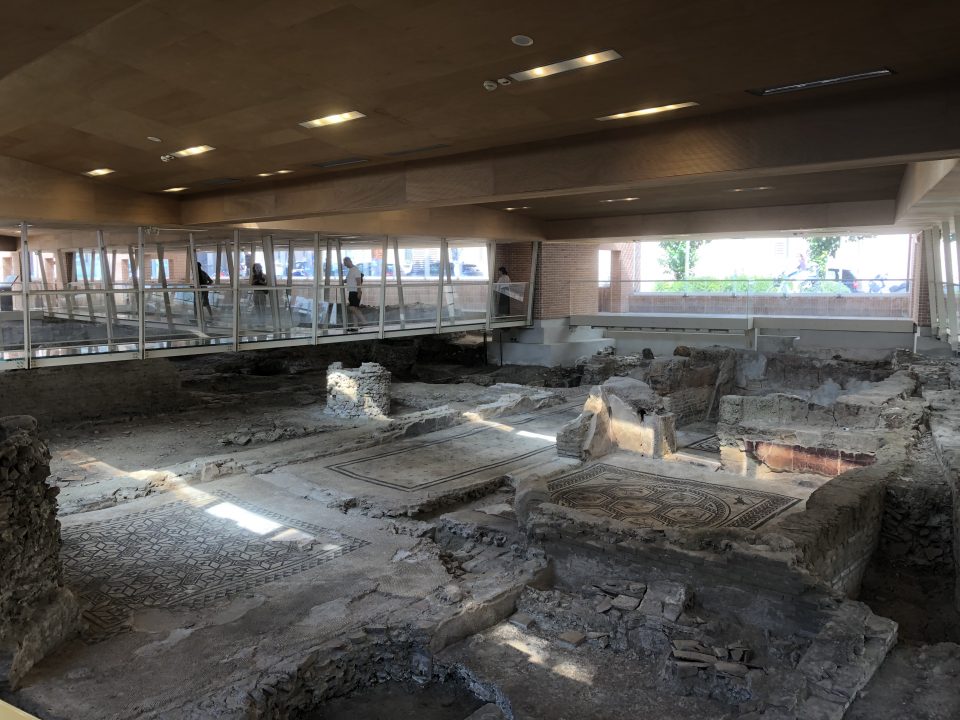
Domus del Chirurgo (Surgeon’s House)
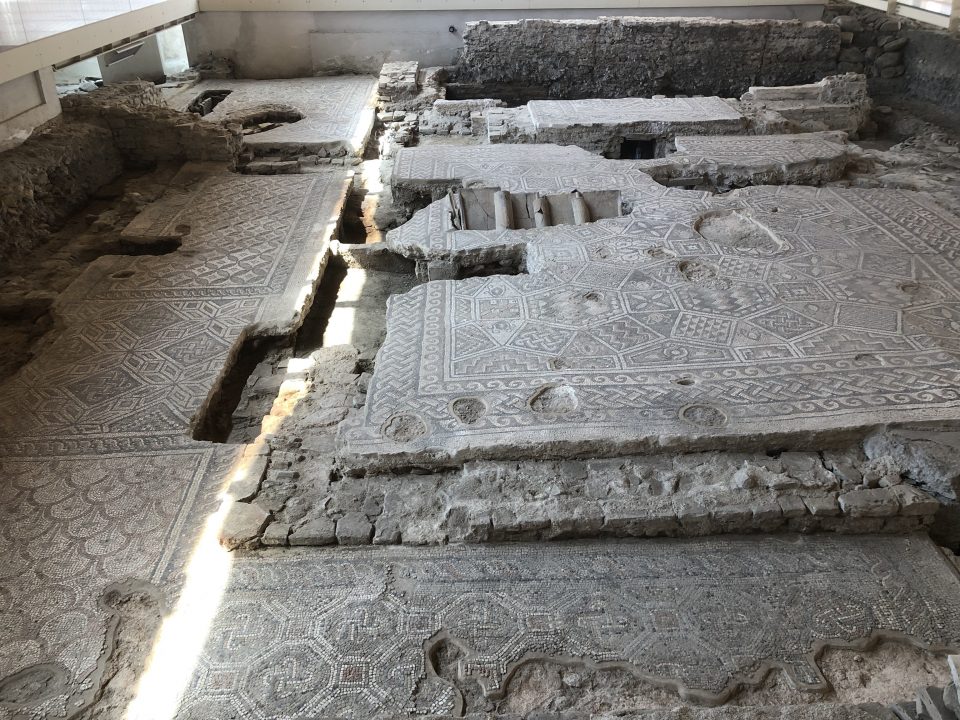
Discovered in the city centre, this archaeological site reveals a Roman villa with intricate mosaics and surgical instruments—evidence of advanced medical practices in ancient times. It’s housed within the City Museum, making it a fascinating stop for history lovers.
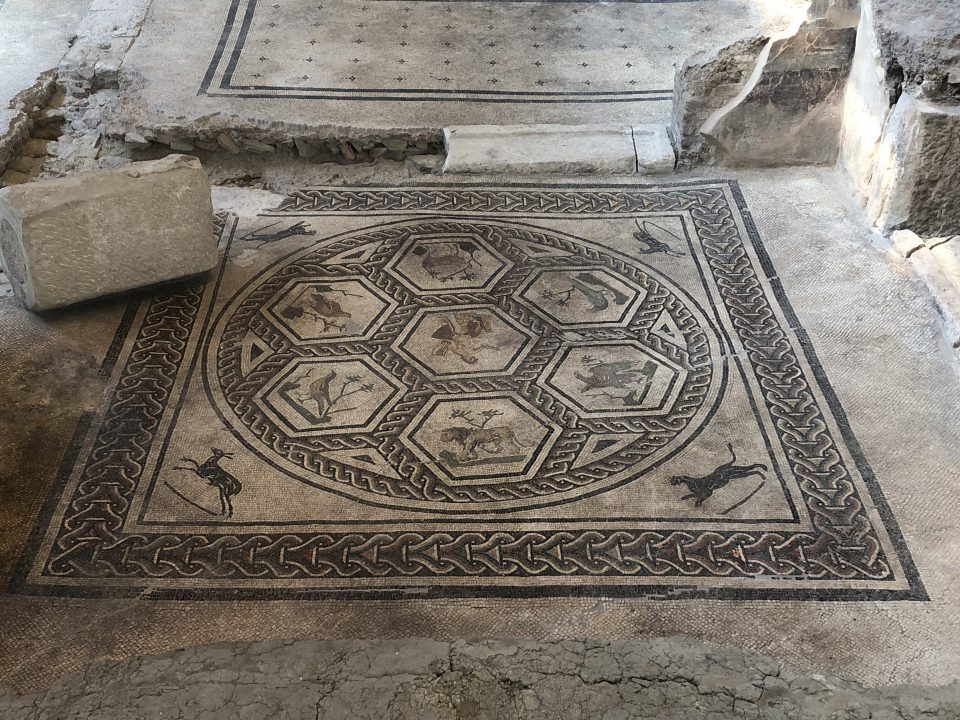
Inside the Domus del Chirurgo, visitors are greeted by an extraordinary archaeological site that offers a rare glimpse into Roman life and medical practice. This ancient villa, located in the heart of Rimini, is one of the most fascinating discoveries in the region, combining art, science, and history under one roof.
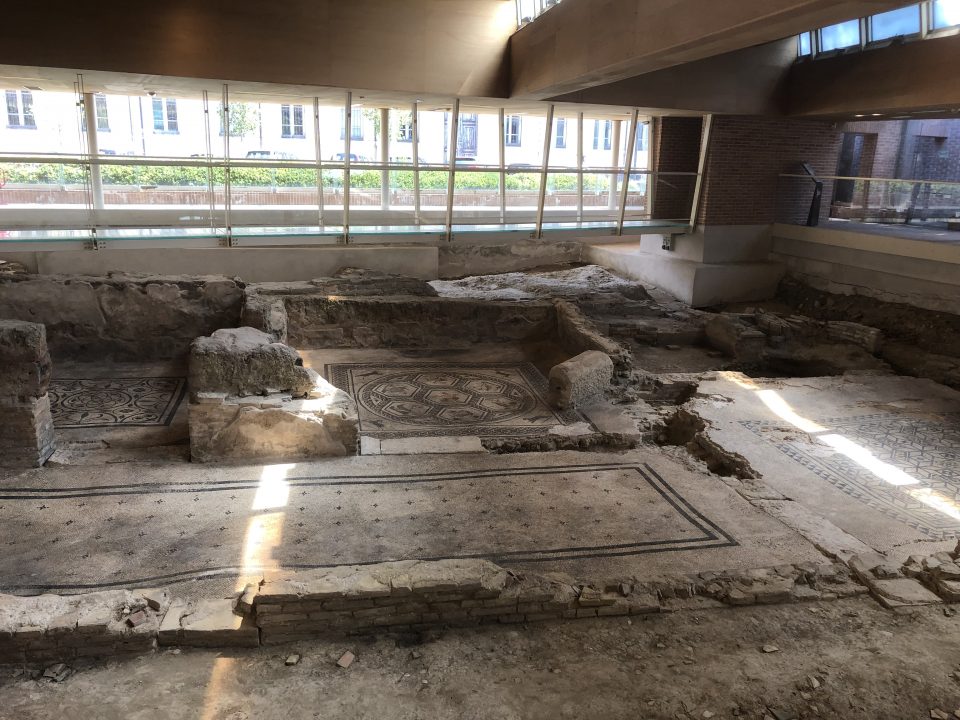
One of the highlights of the site is its beautifully preserved mosaic floors. These intricate designs, featuring geometric patterns and elegant motifs, reflect the sophistication of Roman domestic interiors and add a sense of timeless beauty to the space.
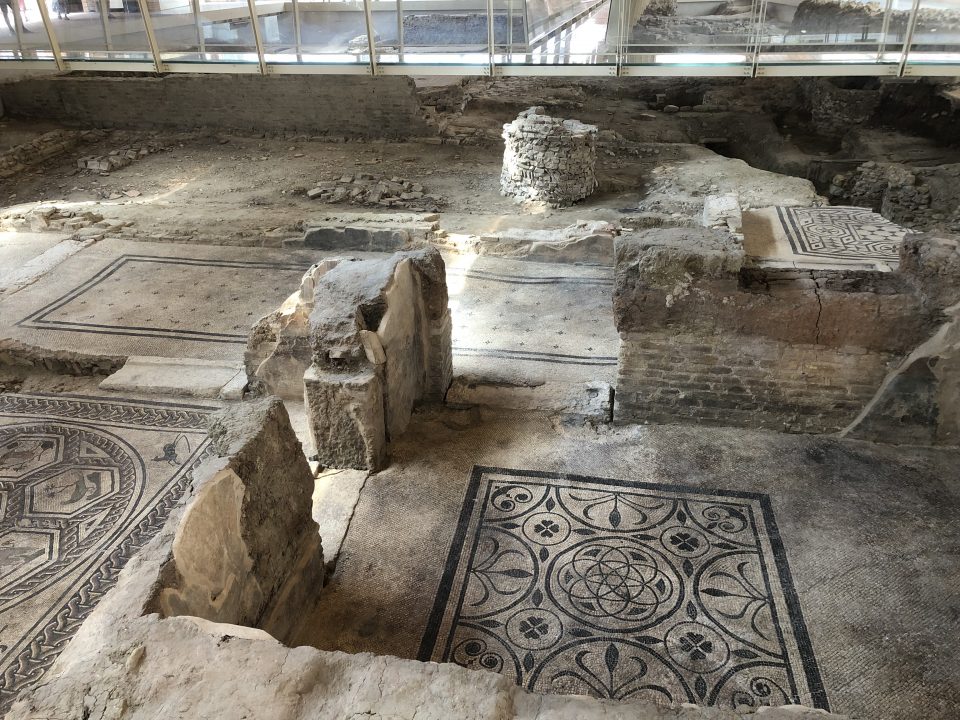
The most remarkable find, however, is the collection of over 150 surgical instruments unearthed here. These include scalpels, forceps, and probes—tools that reveal the advanced medical knowledge of the time. This discovery confirms that the house belonged to a Roman surgeon and represents one of the most significant collections of ancient medical instruments in the world.
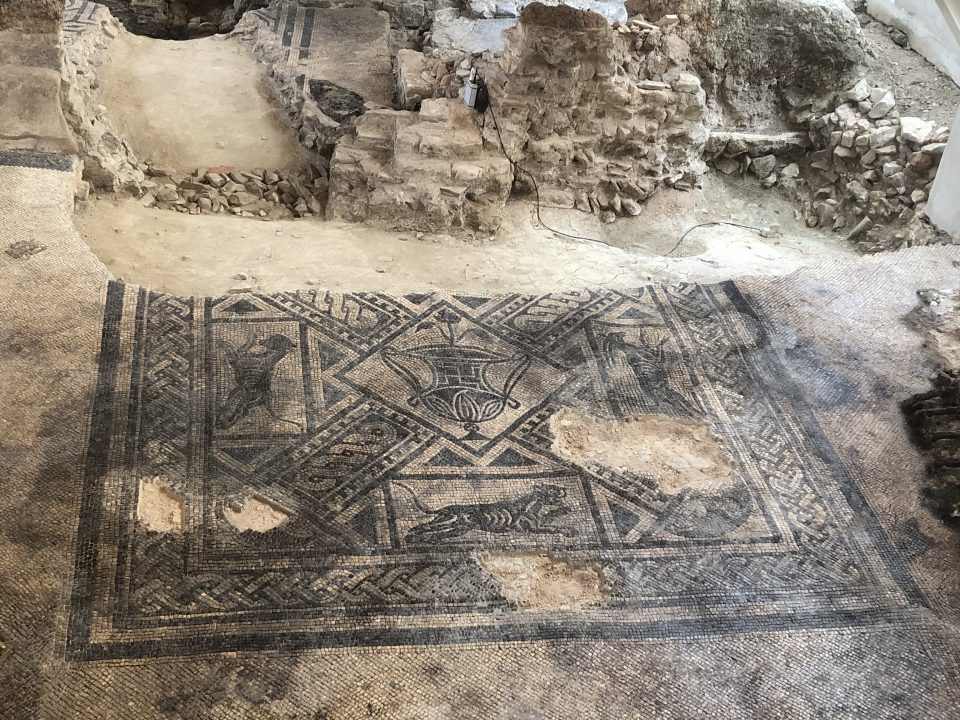
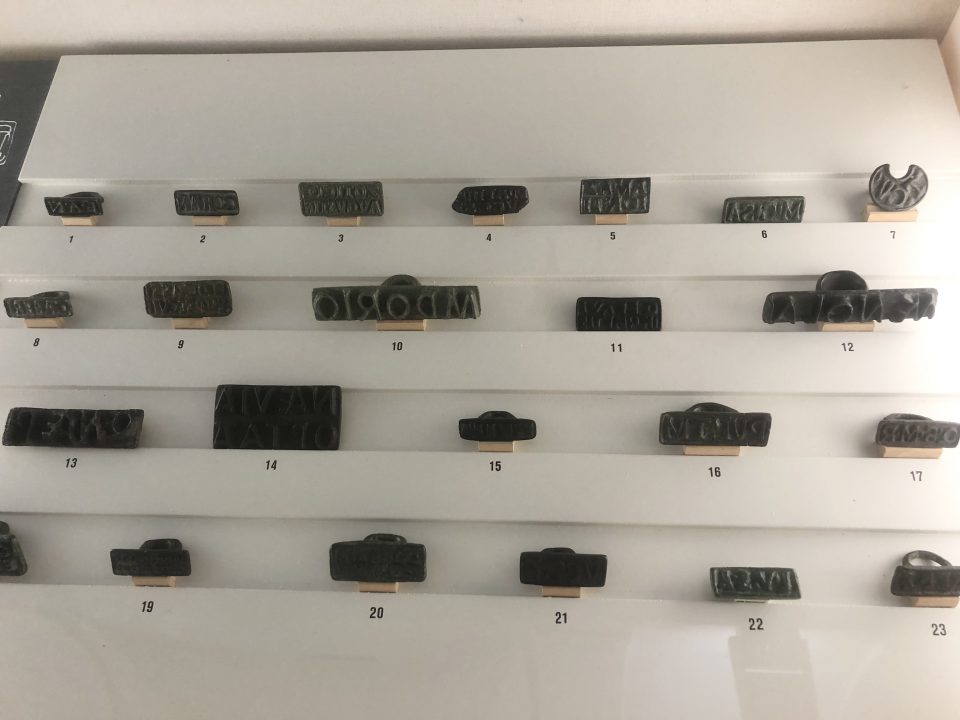
Alongside the surgical kit, archaeologists uncovered everyday objects such as coins, pottery, and glassware. These artefacts provide a vivid picture of daily life in Rimini during the Roman era, offering clues about trade, wealth, and domestic habits.
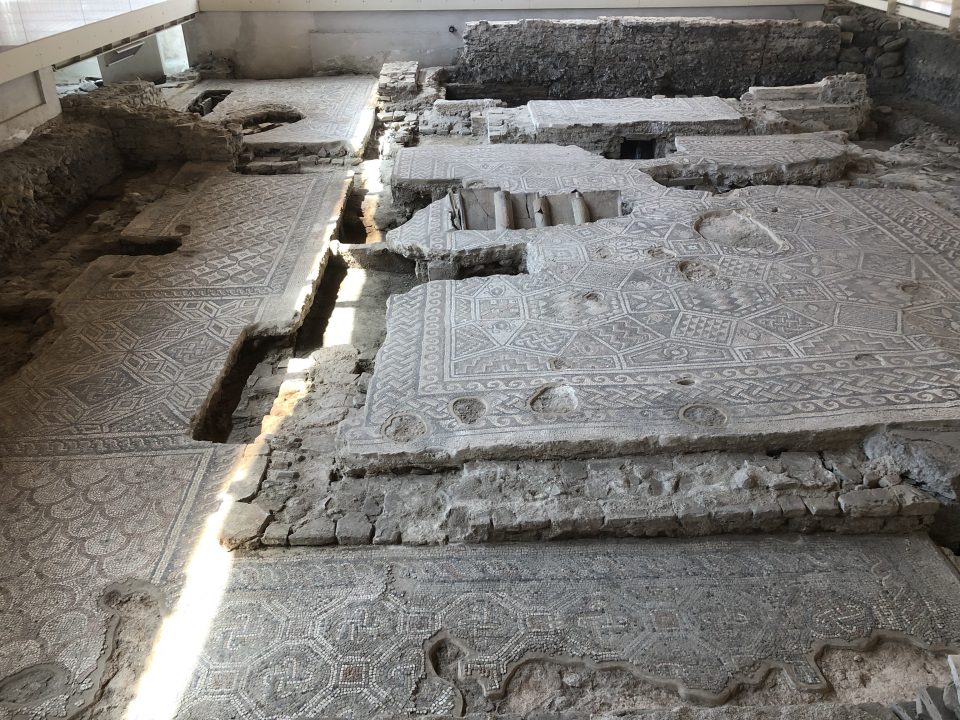
Fragments of wall decorations also survive, including painted plaster and fresco remnants. These details hint at the decorative style of the period and add colour to the story of the house, making it feel more personal and lived-in.
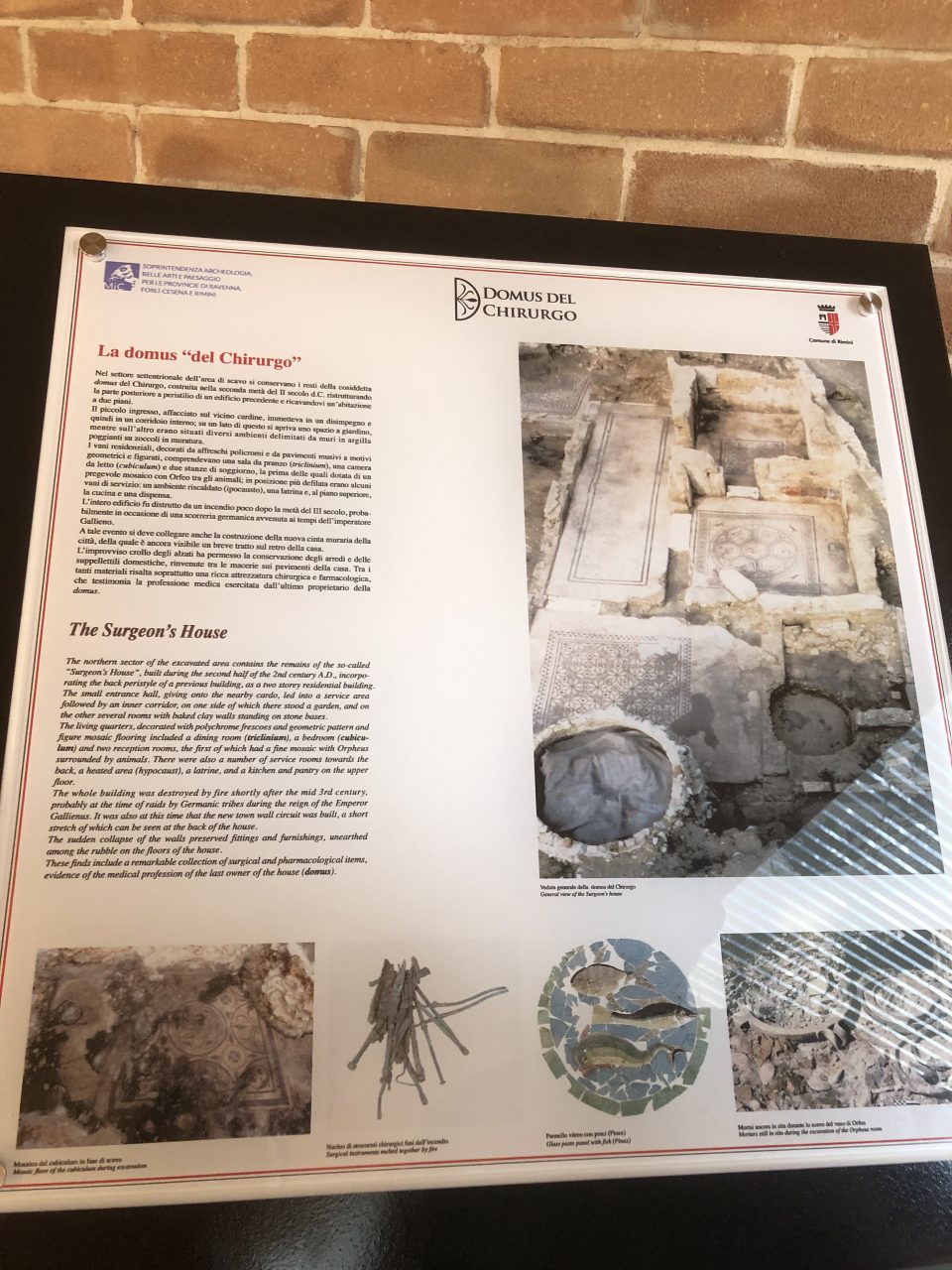
Visiting this site feels like stepping into the private world of a Roman professional—a place where medicine, art, and everyday life intersected nearly two thousand years ago. It’s a must-see for anyone interested in history, archaeology, or simply the hidden stories behind Rimini’s vibrant streets.
Rimini City Museum
Rimini has a fantastic museum that history lovers should not miss: the Museo della Città di Rimini (Rimini City Museum). It’s located in the former Jesuit College and offers a deep dive into the city’s rich past, from Roman times to the Renaissance.
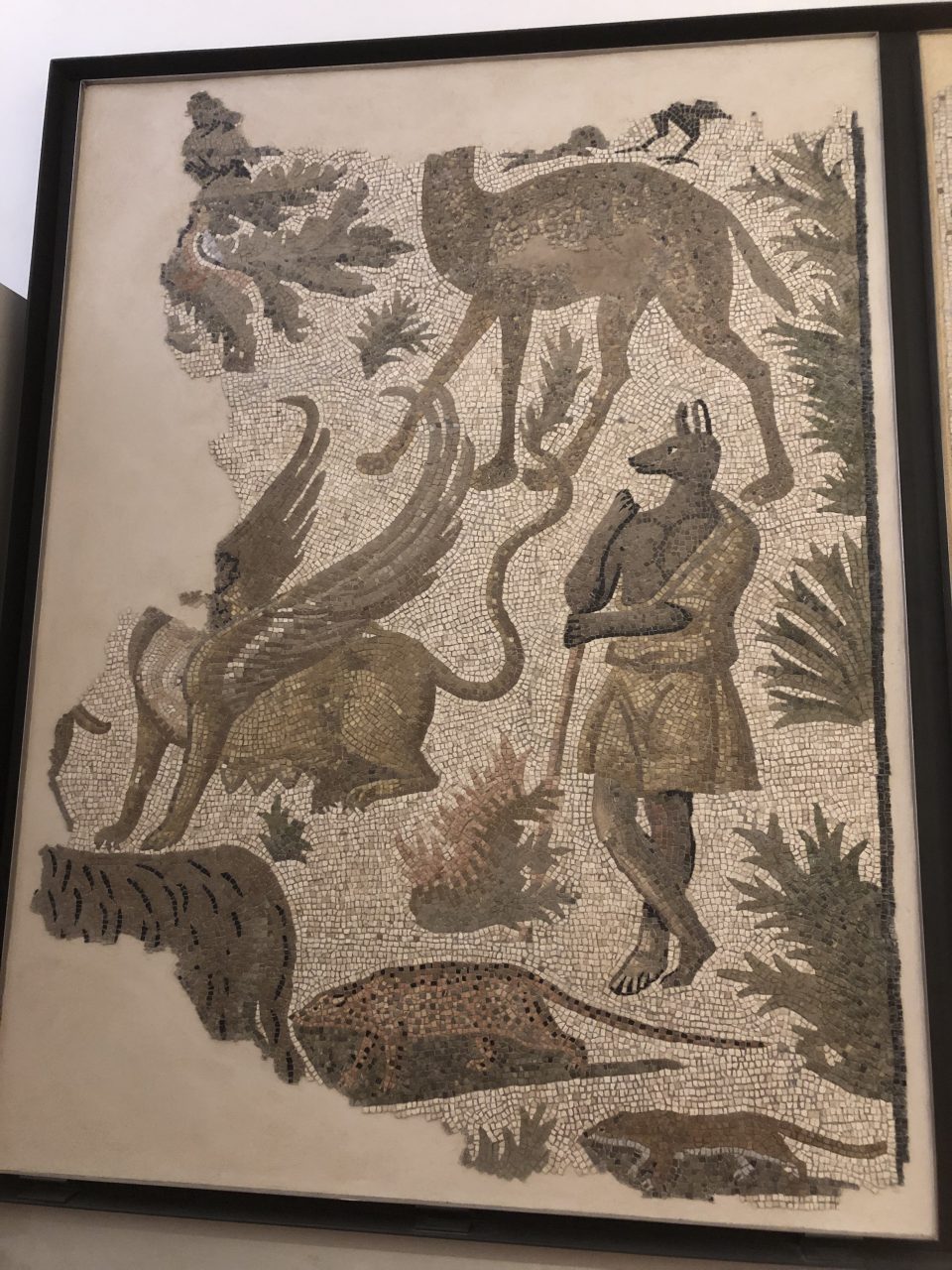
The Museo della Città di Rimini is a treasure trove for lovers of Roman art, and its collection of mosaics is one of the highlights.
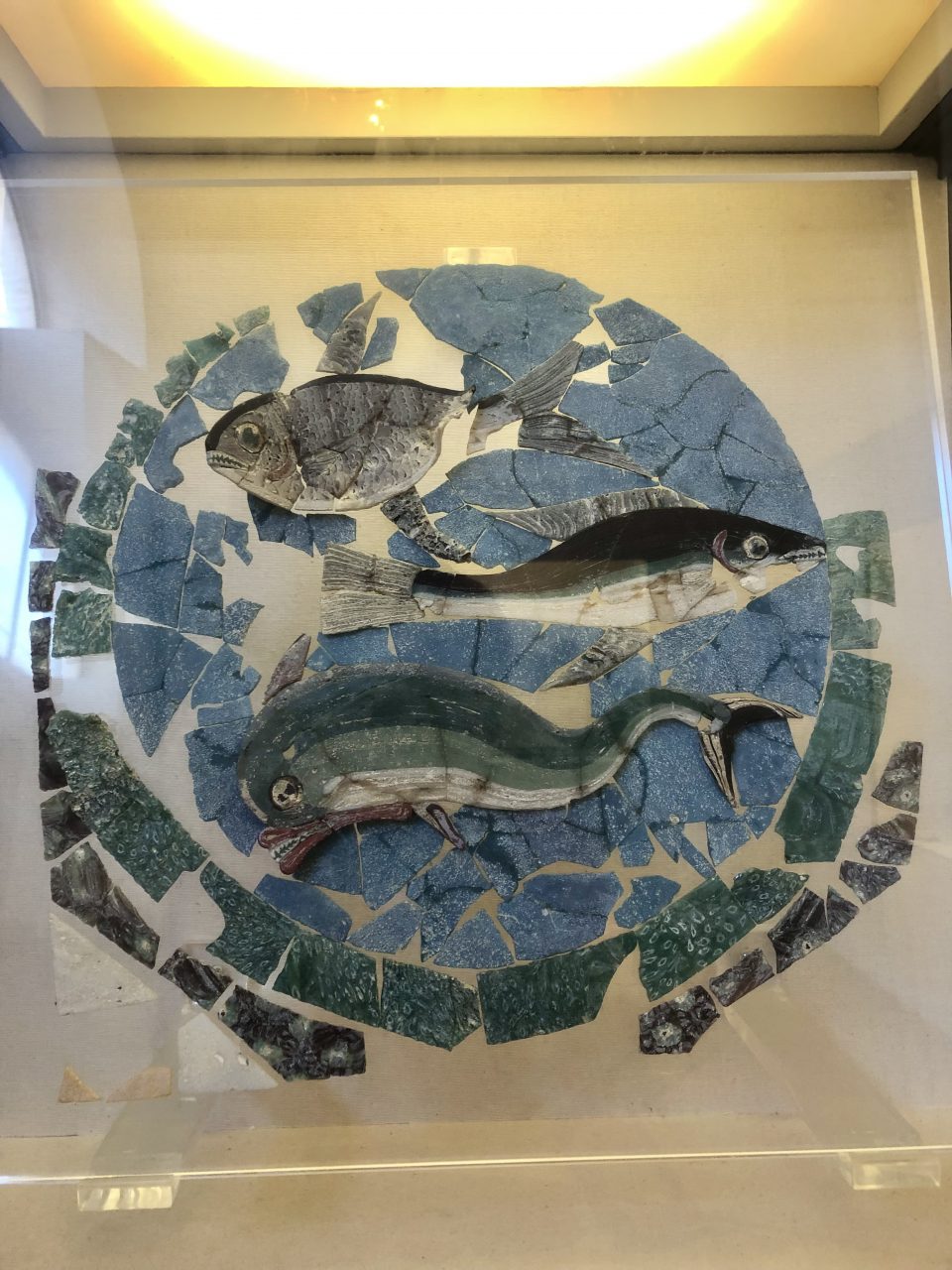
The “Pannello decorativo con pesci” (Decorative Panel with Fish) is one of the most intriguing Roman mosaic fragments displayed in the Museo della Città di Rimini. This piece comes from the Domus del Chirurgo (Surgeon’s House) and reflects the refined taste of Roman villa decoration during the Imperial period. It was made in the first half of the 3rd century.
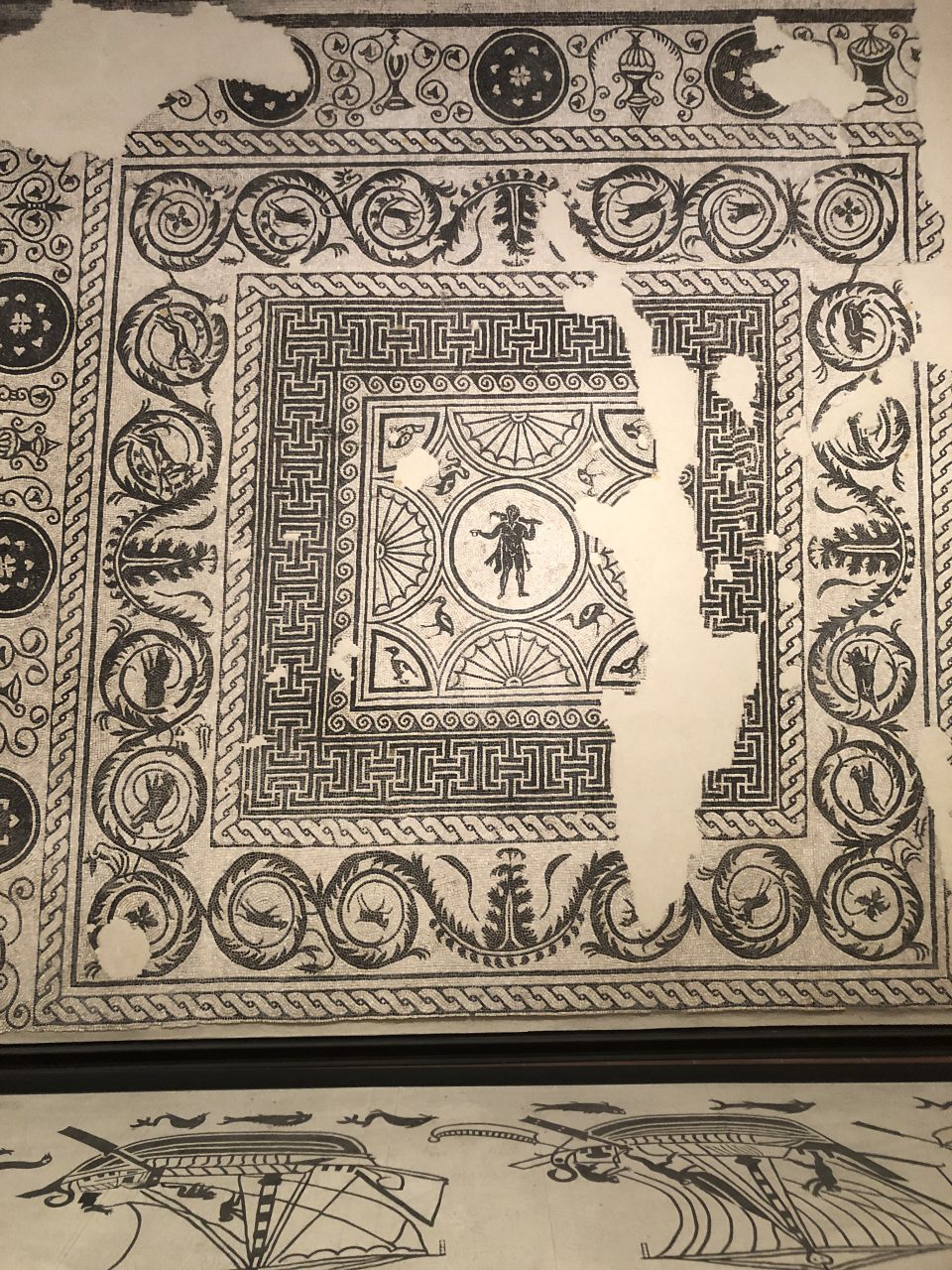
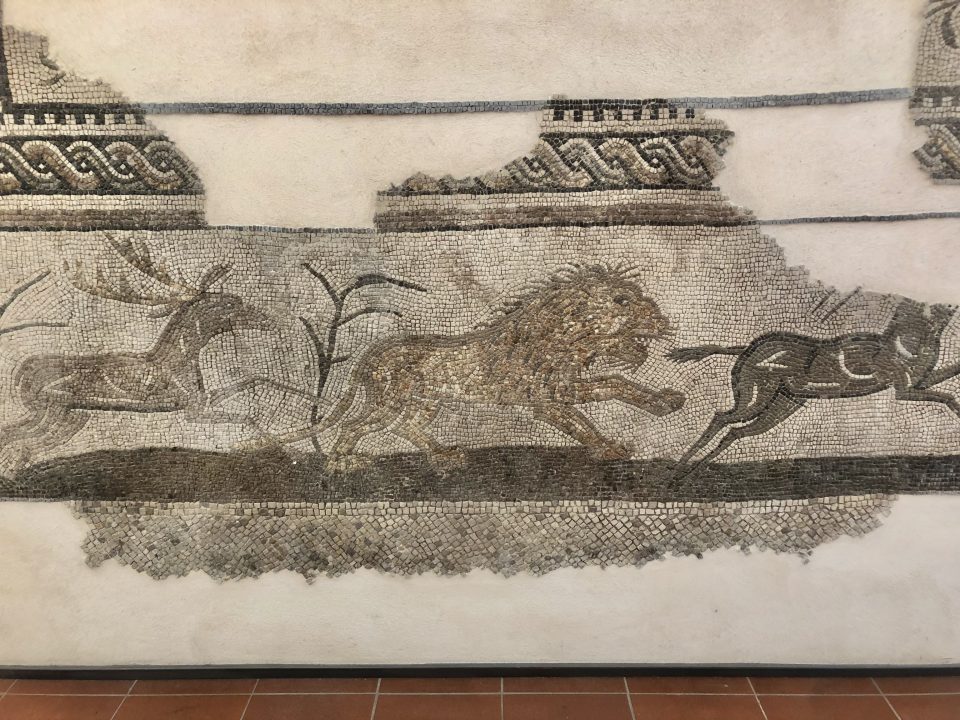
Inside the museum, you’ll find geometric floor mosaics with intricate black-and-white patterns, typical of Roman domestic interiors. These designs often feature interlocking shapes and symmetrical motifs that once adorned the floors of living spaces.
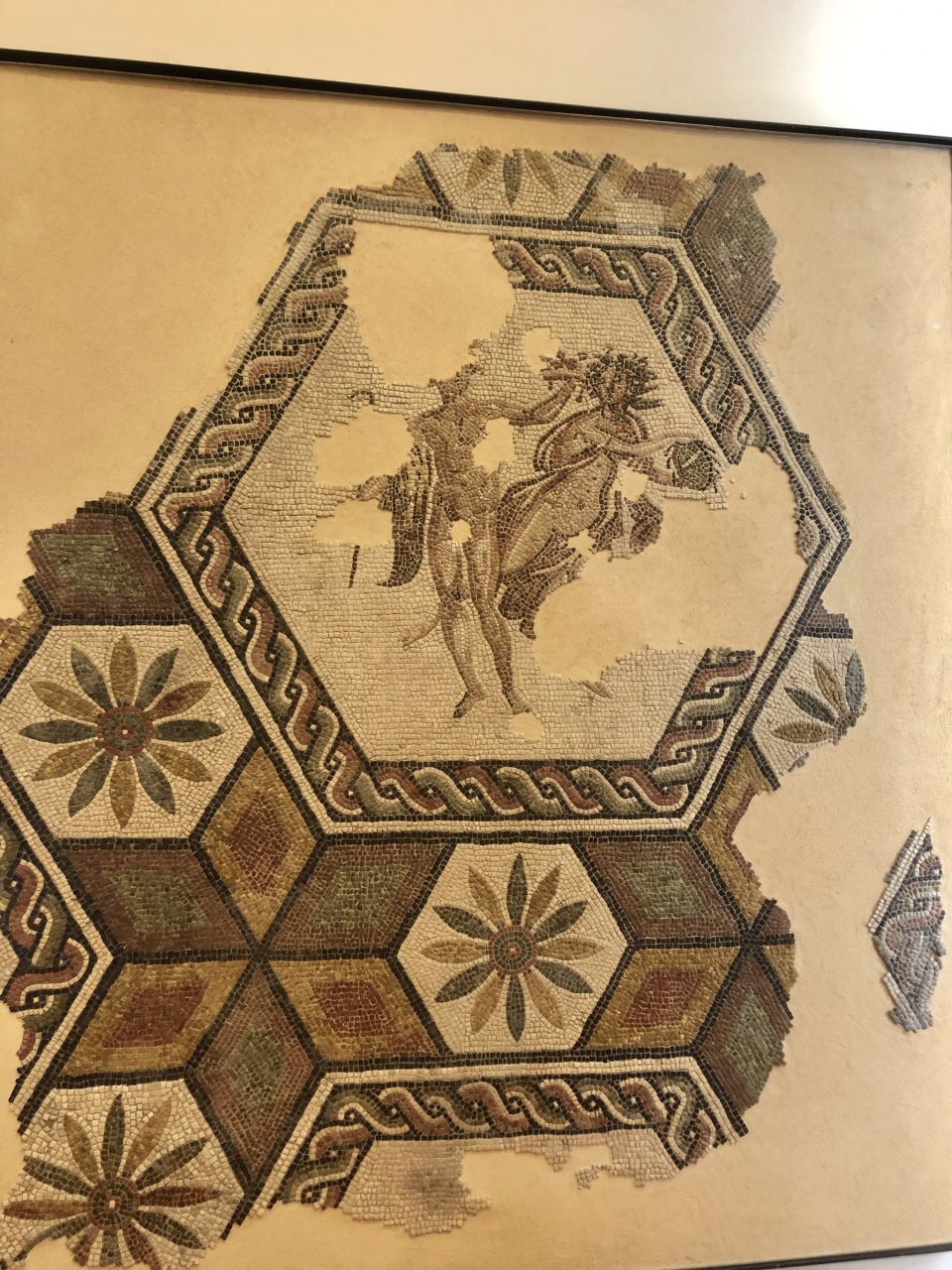
There are also polychrome mosaics, where vibrant tesserae in shades of red, green, and ochre create lively compositions, adding colour and sophistication to reception rooms.
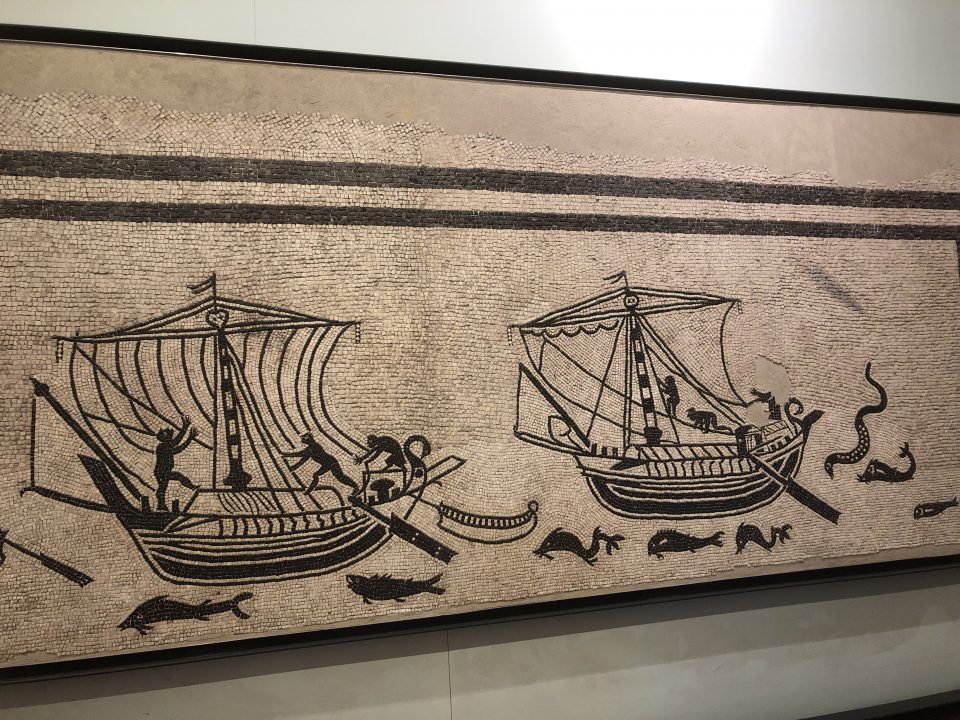
Some fragments depict marine-themed motifs, such as fish and shells, reflecting Rimini’s connection to the Adriatic Sea and the Roman love for nature-inspired decoration.
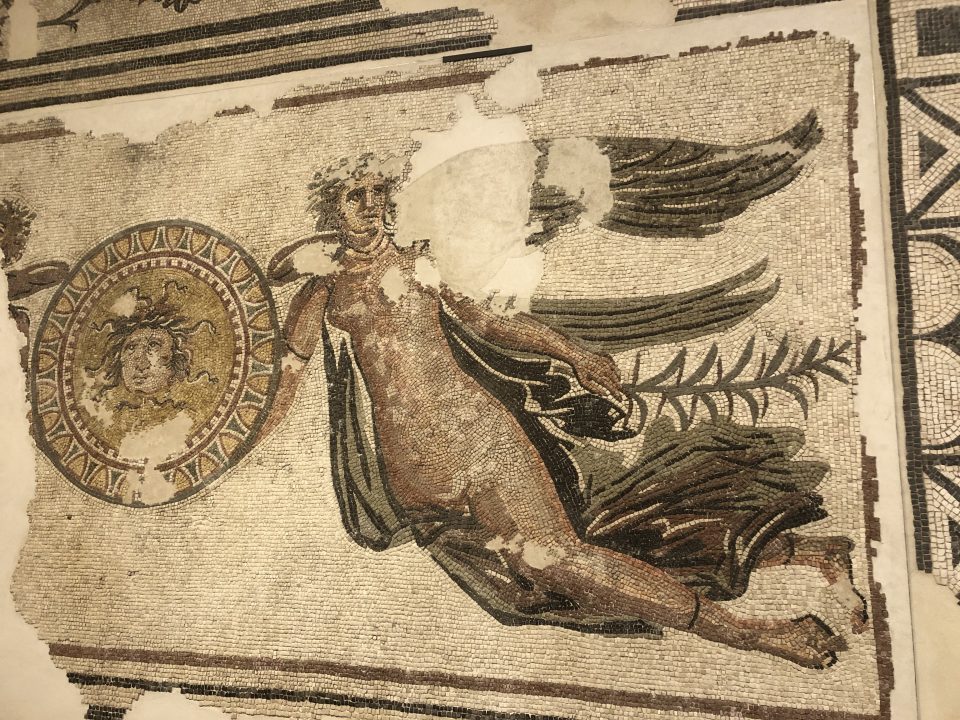
You’ll also notice ornate borders with interlacing patterns and stylised floral designs framing the central panels, a hallmark of Roman artistry.
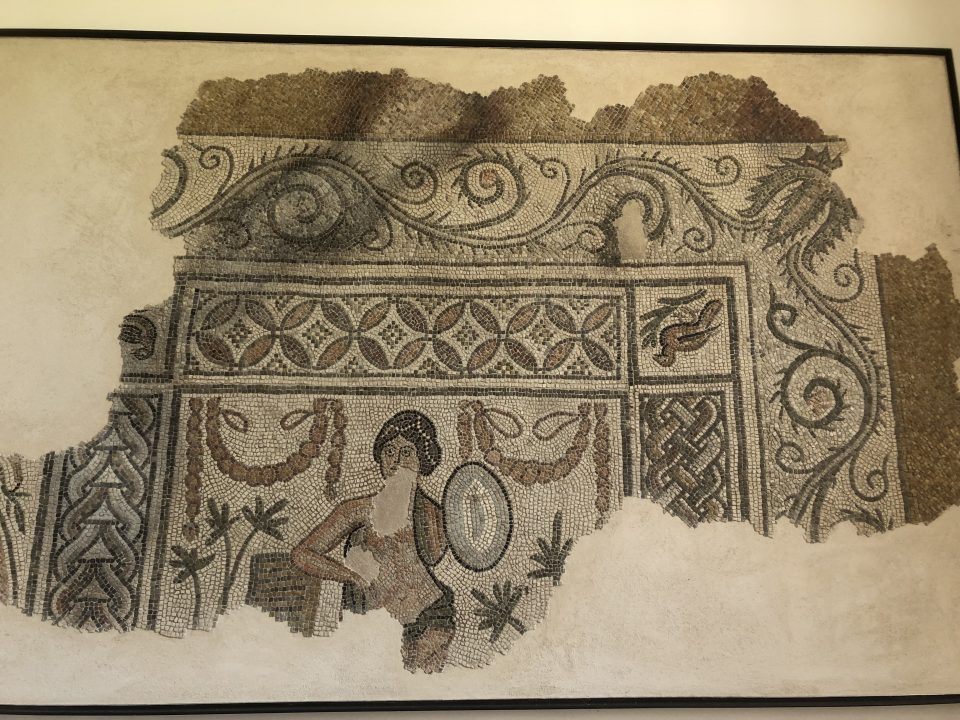
These mosaics are displayed alongside reconstructions and detailed explanations, allowing visitors to appreciate not only their beauty but also their historical context. Standing before them, you can almost imagine the vibrant life of a Roman villa, where art and everyday living intertwined seamlessly.
The Rimini City Museum houses an impressive collection of Roman coins that offers a fascinating glimpse into the economic and cultural life of ancient Rimini. These coins were discovered during excavations in the city, including the Domus del Chirurgo (Surgeon’s House), and they span several centuries of Roman history.
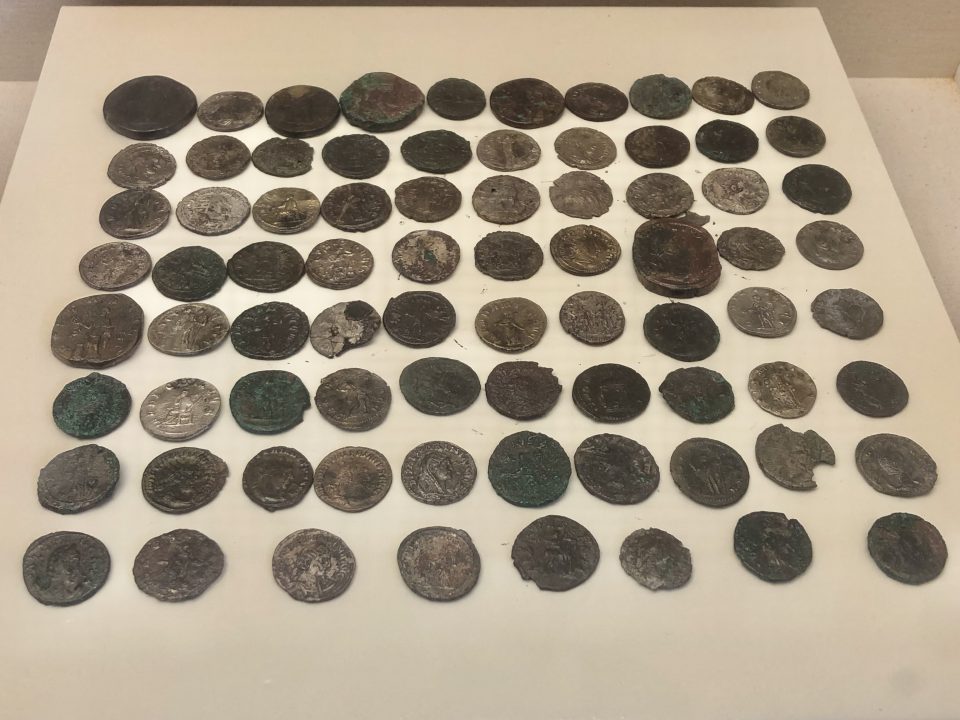
The collection includes bronze, silver, and gold coins, many bearing the profiles of emperors such as Augustus, Tiberius, and later rulers of the Imperial period. Each coin tells a story—not only of trade and commerce but also of political propaganda, as emperors used coinage to project their image and authority across the empire. Some coins feature intricate designs, including symbols of prosperity, military victories, and deities, reflecting the values and priorities of Roman society.
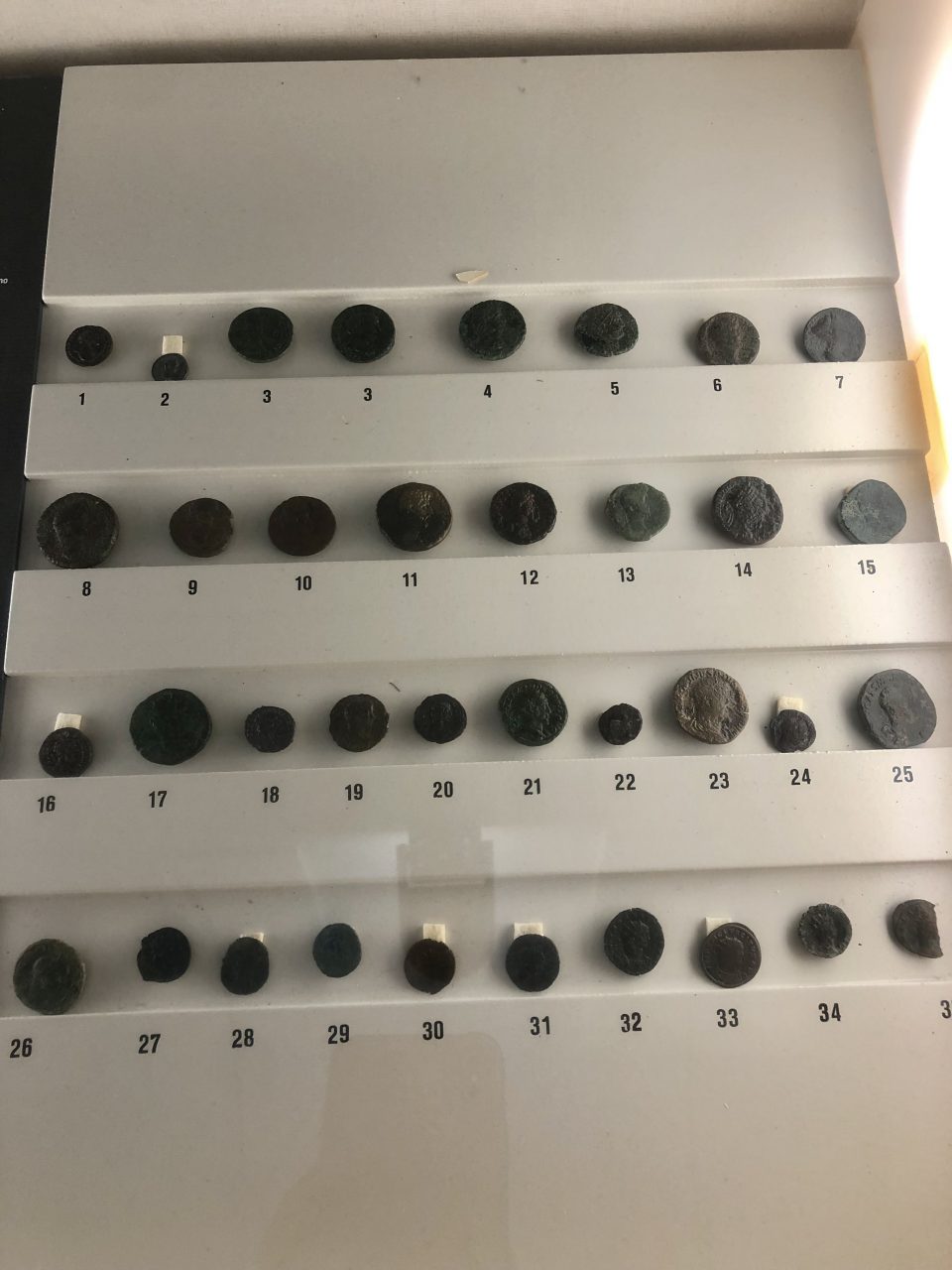
What makes this display particularly engaging is the way the museum contextualises the coins. They are presented alongside everyday objects and archaeological finds, helping visitors understand how money circulated in Rimini and what it meant for daily life. Interactive panels and detailed descriptions explain the minting process and the significance of different denominations, making the exhibit both educational and visually captivating.
Rimini Culinary
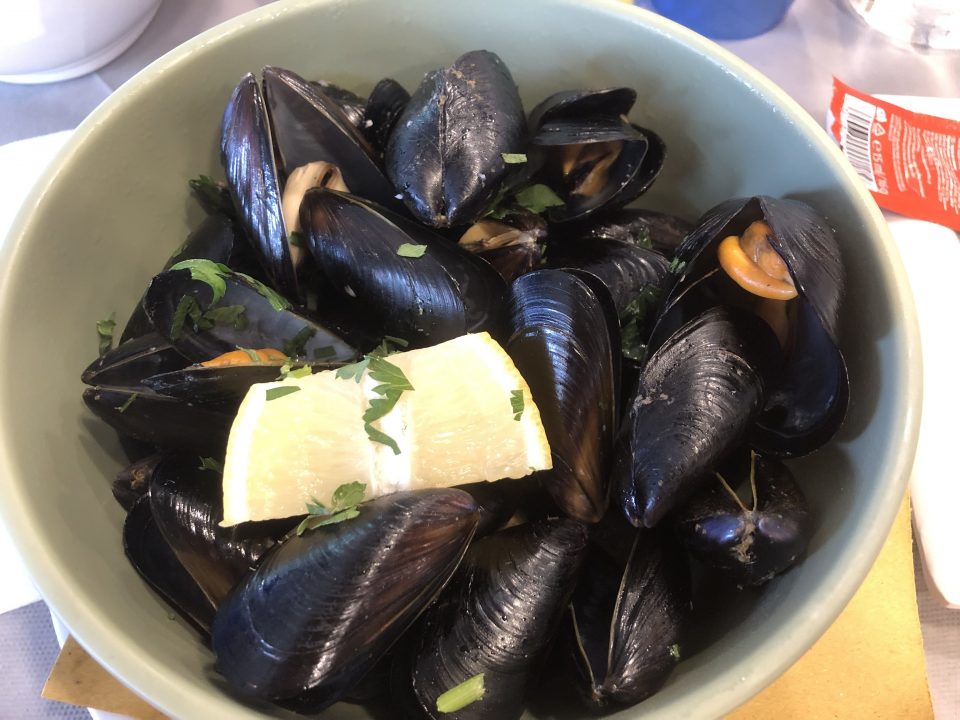
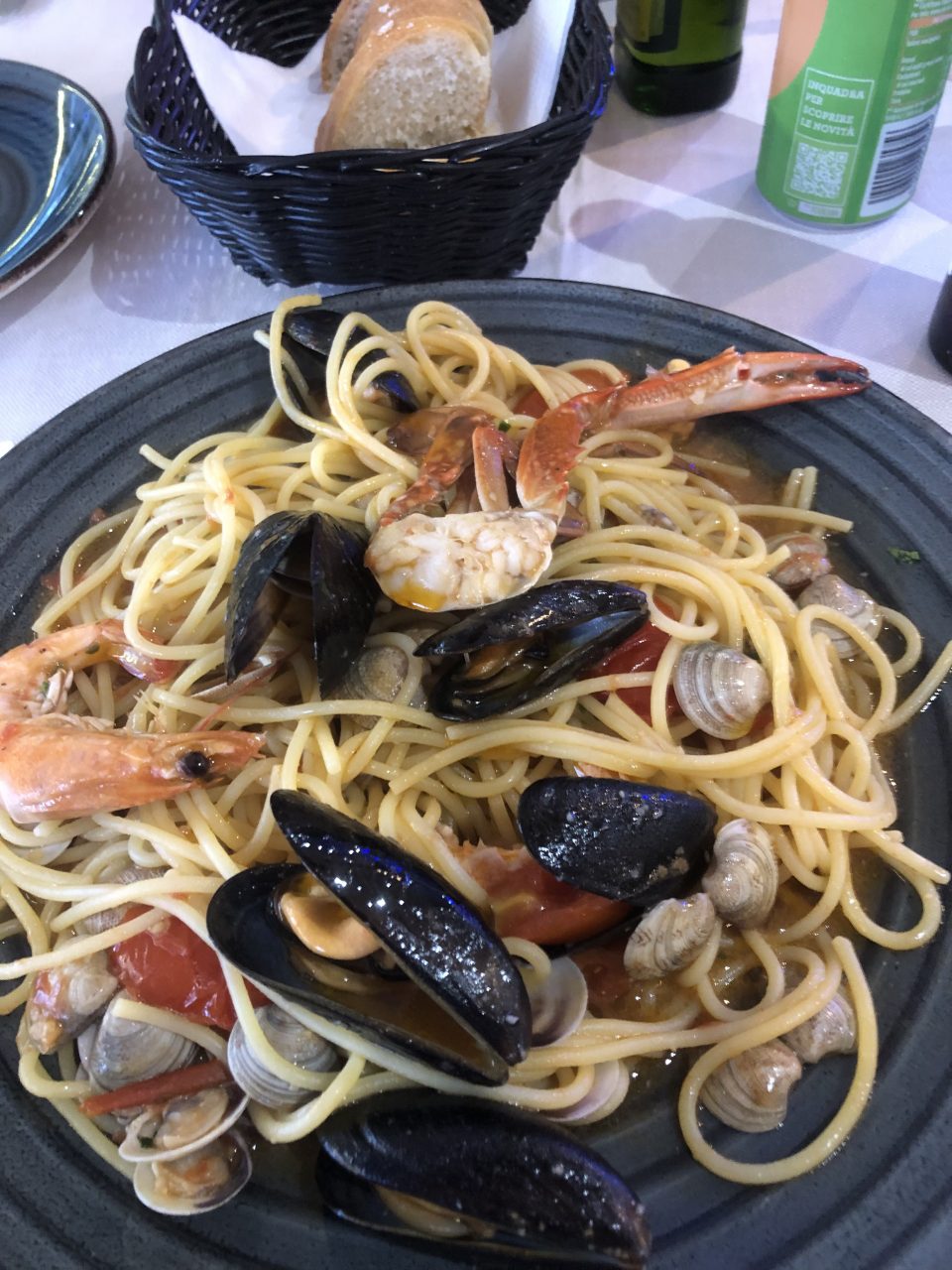
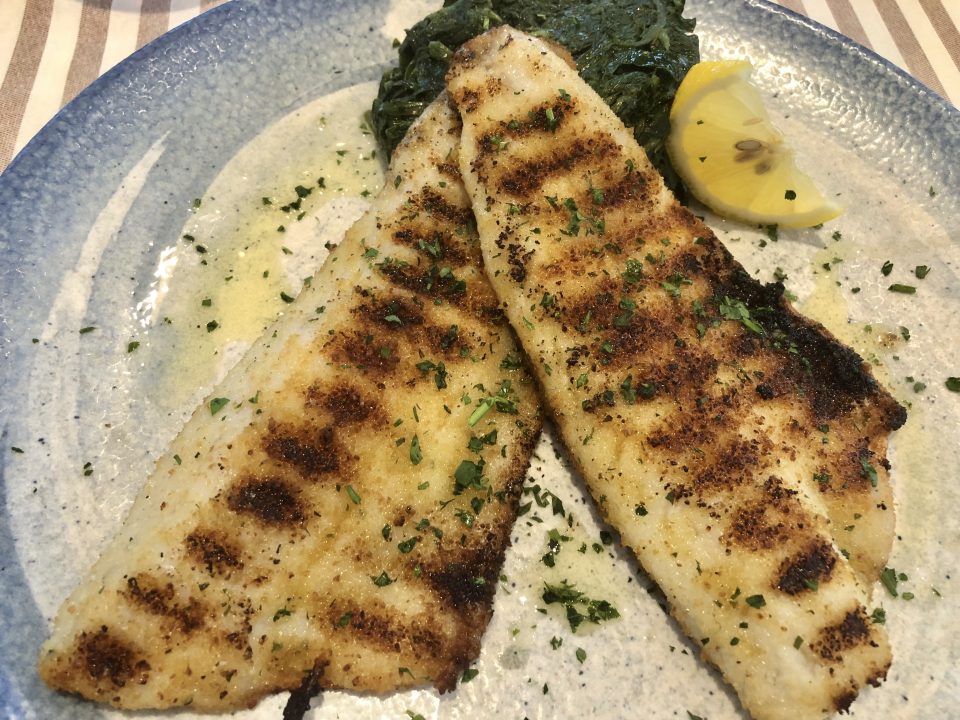
Seafood in Rimini is an absolute highlight of the local culinary scene, thanks to its prime location on the Adriatic coast. The city’s fishing tradition runs deep, and you’ll find an abundance of fresh catches served in both traditional trattorias and modern seaside restaurants.
Rimini hospitality
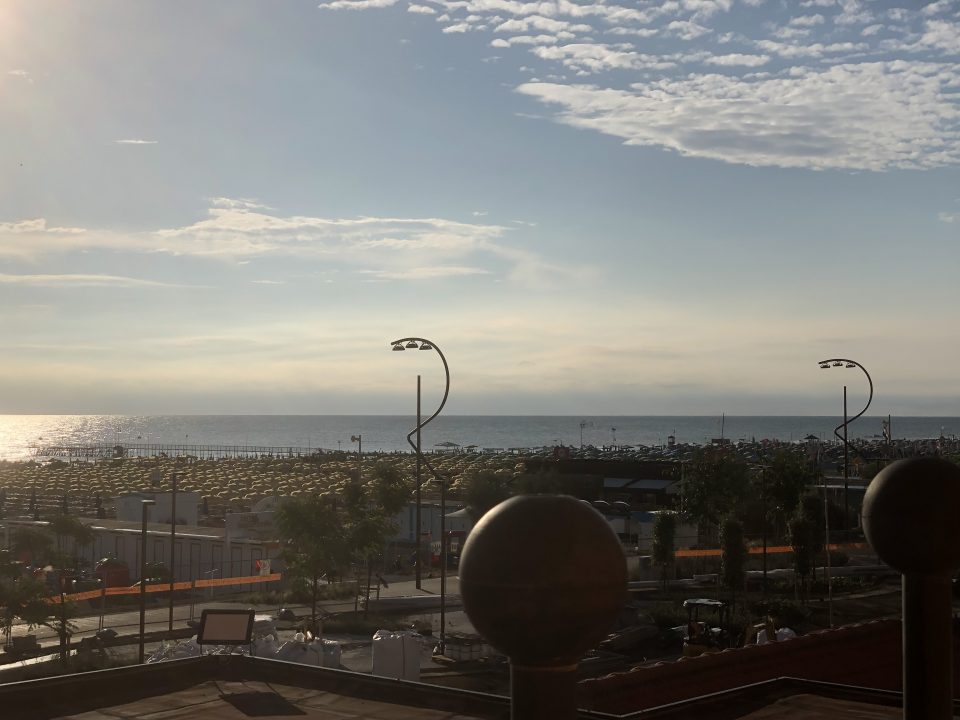
Rimini’s beaches are lined with fantastic hotels that cater to every type of traveller, from luxury seekers to budget-conscious visitors. Most hotel offers breakfast which is a great bonus to start a day.
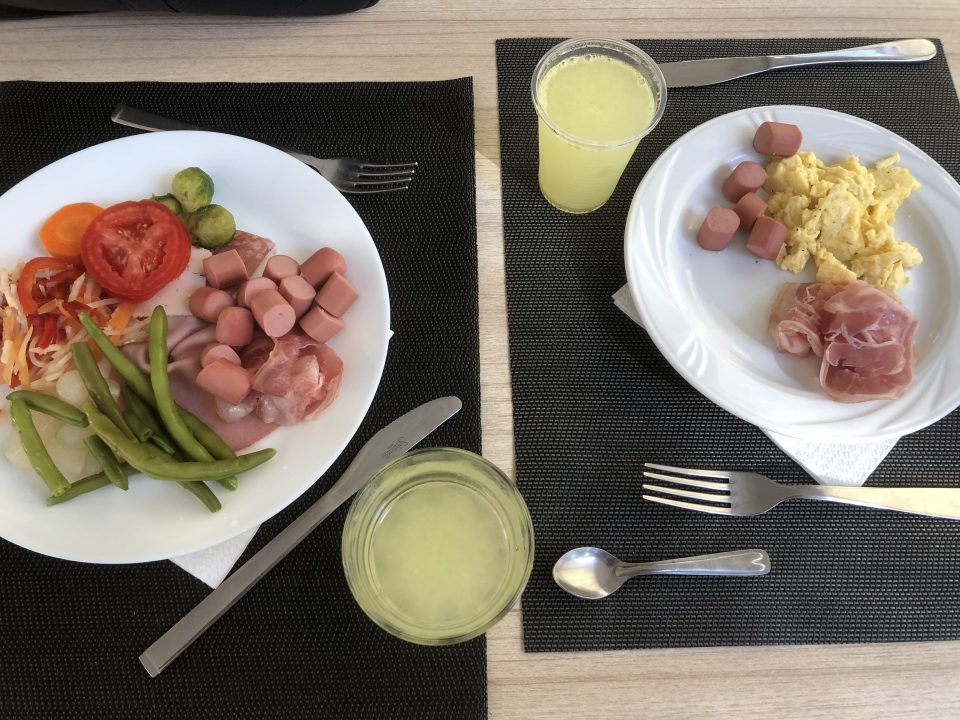
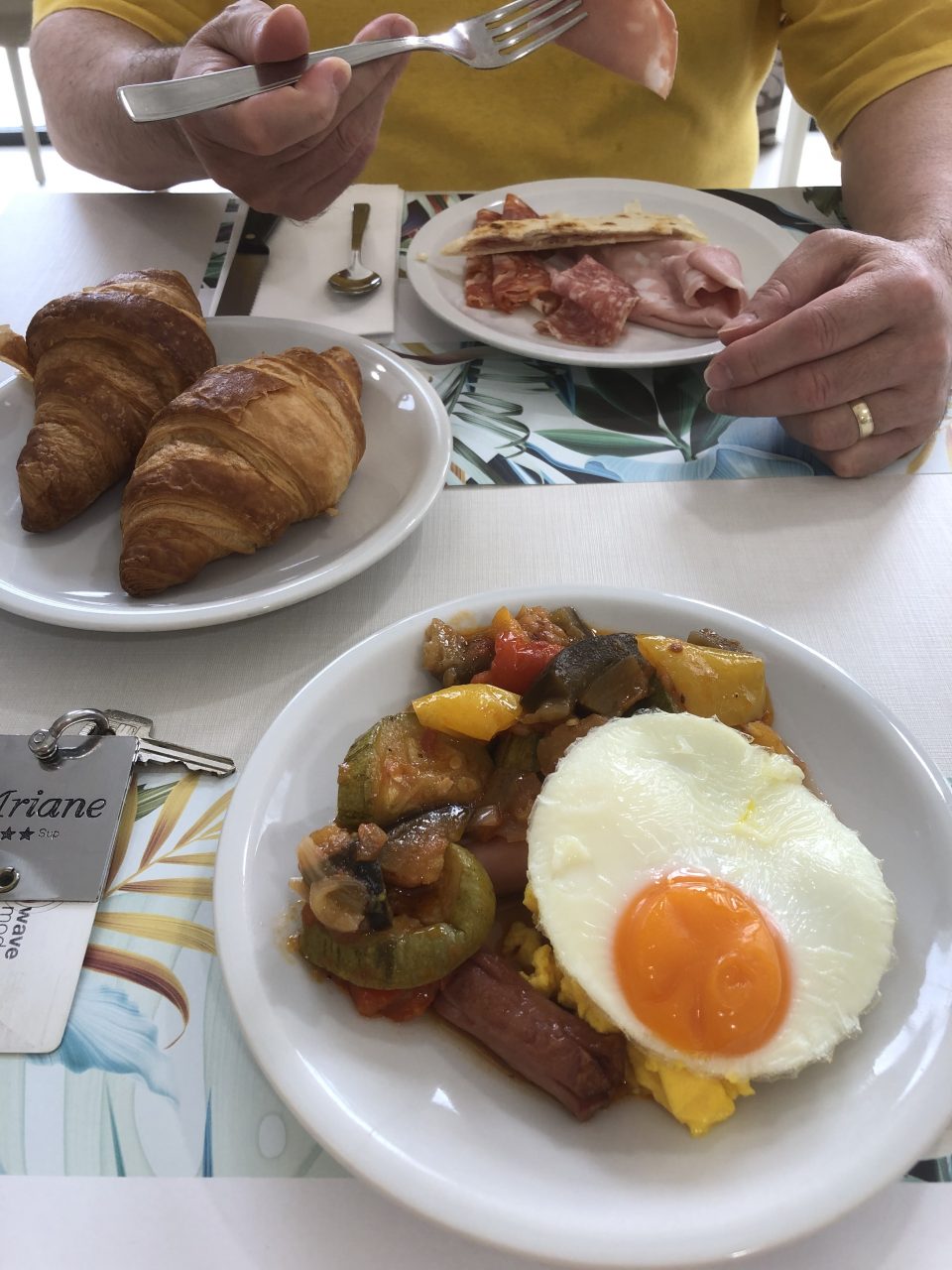

This is Rimini’s signature street food—a warm, thin flatbread filled with local cheeses, cured meats, or fresh vegetables. It’s simple, rustic, and utterly satisfying.
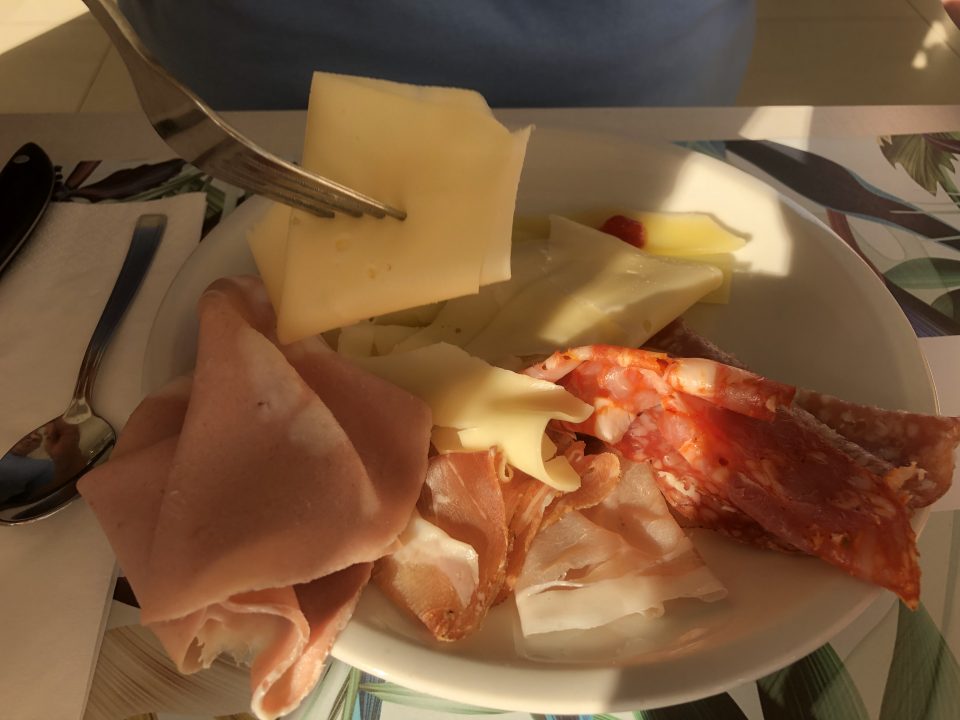
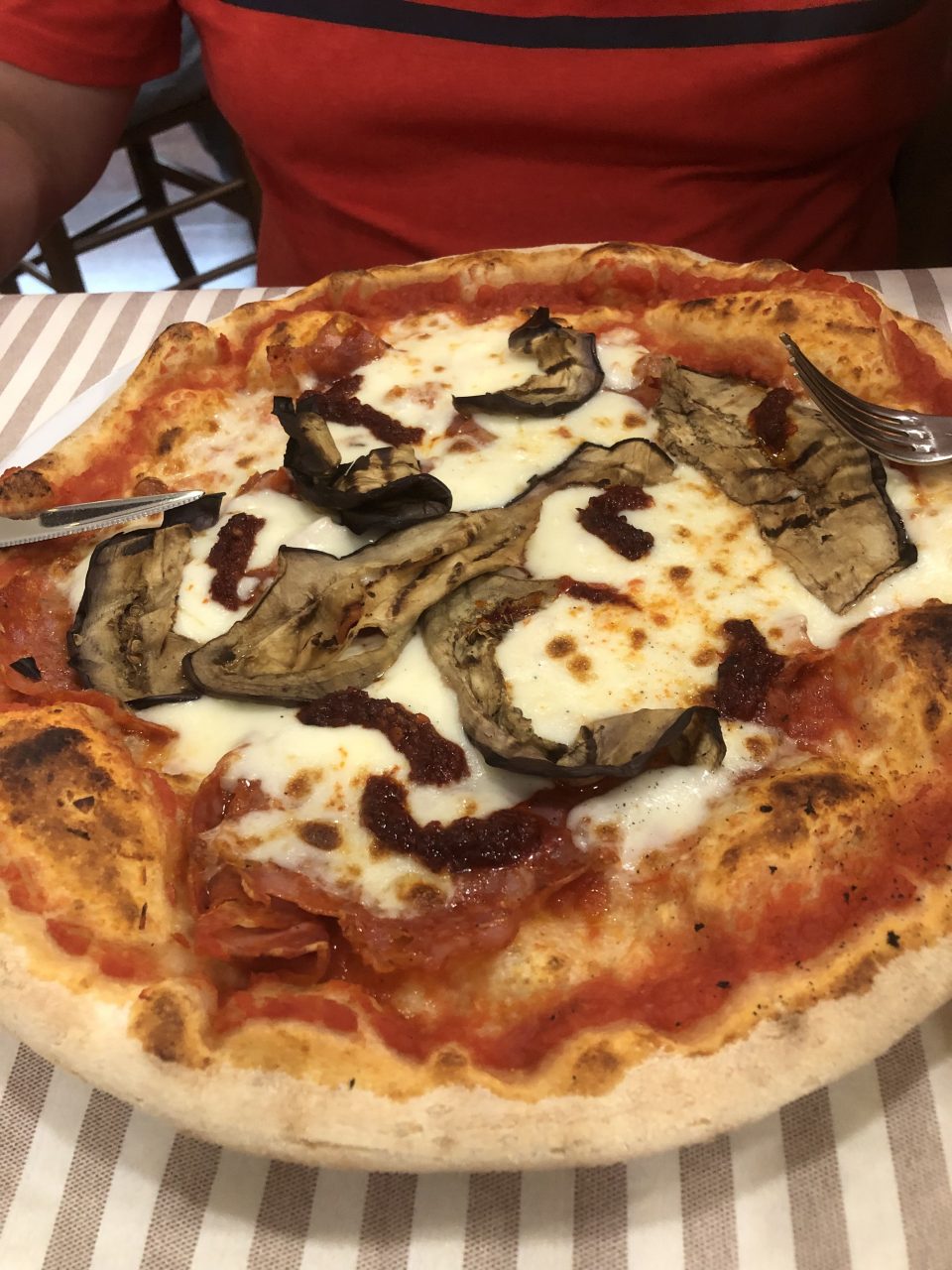
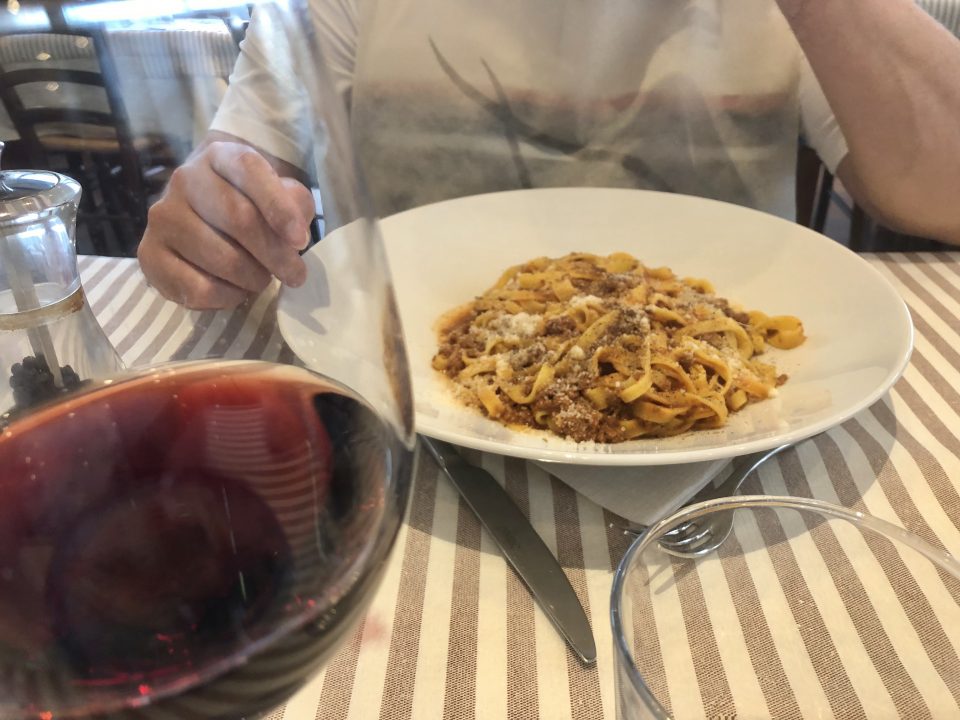
Try the restaurants at town centre which offer special Emilia-Romagna culinary.
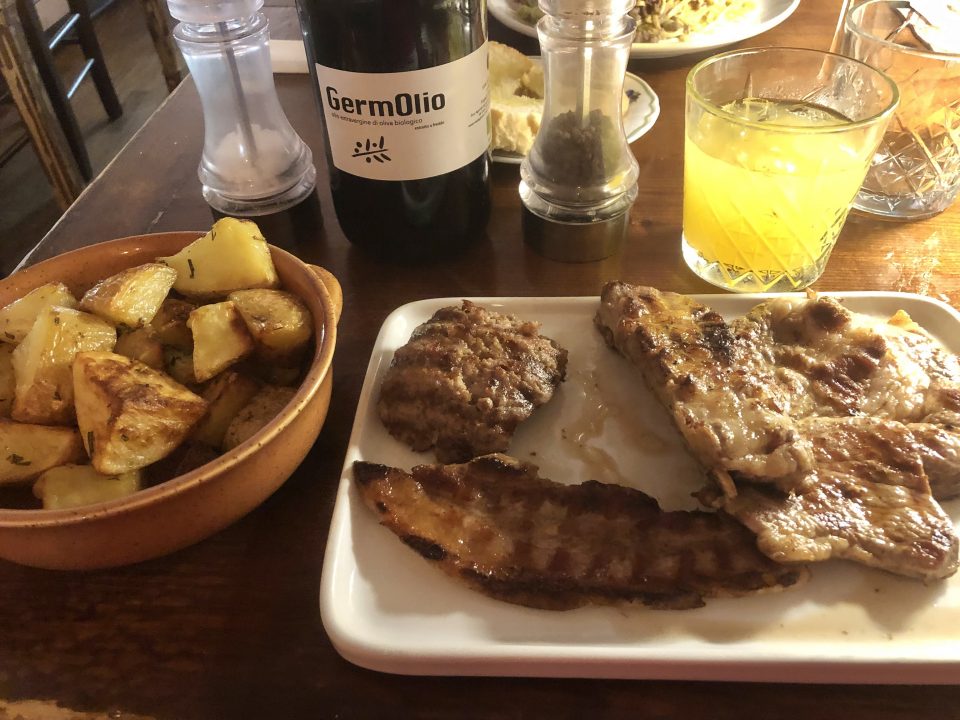
All in all, if you like a combination of beach and history/culture holiday, Rimini is the place. It offers great sandy beaches with affordable hotels and absolutely delicious food.
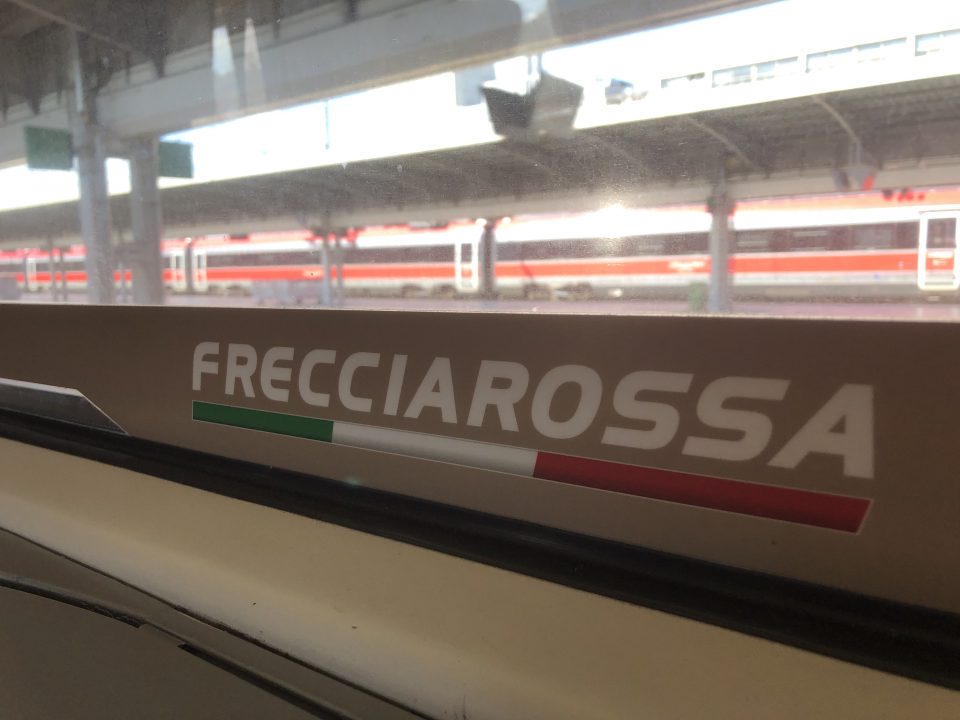
Rimini has an Airport and also Train station with great connection to big cities such as Bologna and Venice.
 Users Today : 32
 Users This Month : 348
 Users This Year : 28136
 Total Users : 53437
 Views This Year : 34270
 Total views : 69448
 Who's Online : 0