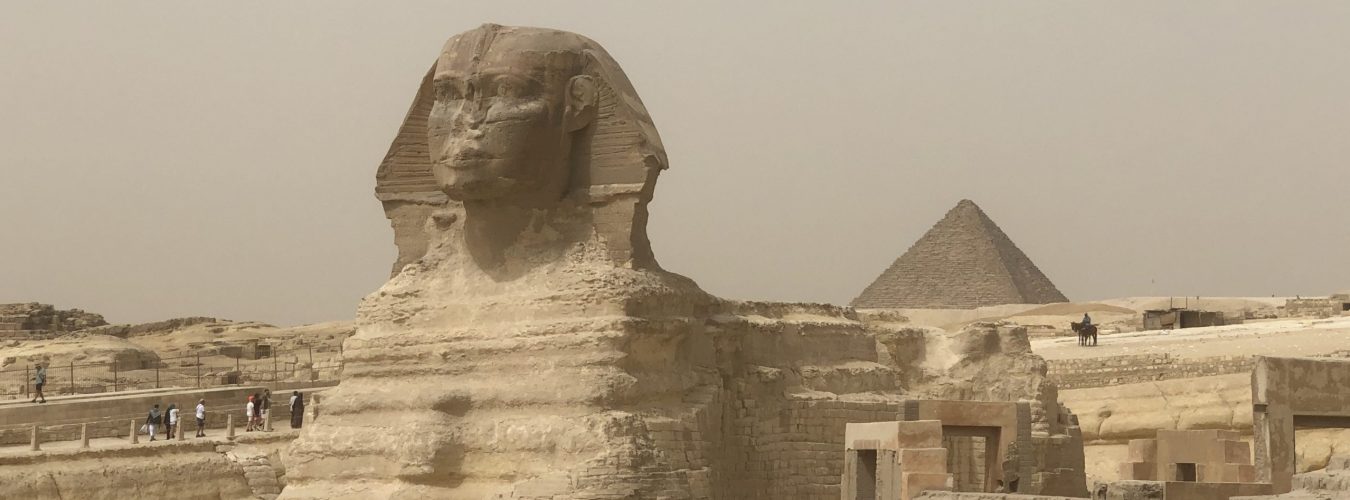
Located on the west bank of the Nile between Luxor and Aswan, the Temple of Horus at Edfu is one of Egypt’s most remarkable archaeological treasures. Renowned for its exceptional state of preservation, this temple offers visitors an unparalleled glimpse into the grandeur and spirituality of the Ptolemaic era.
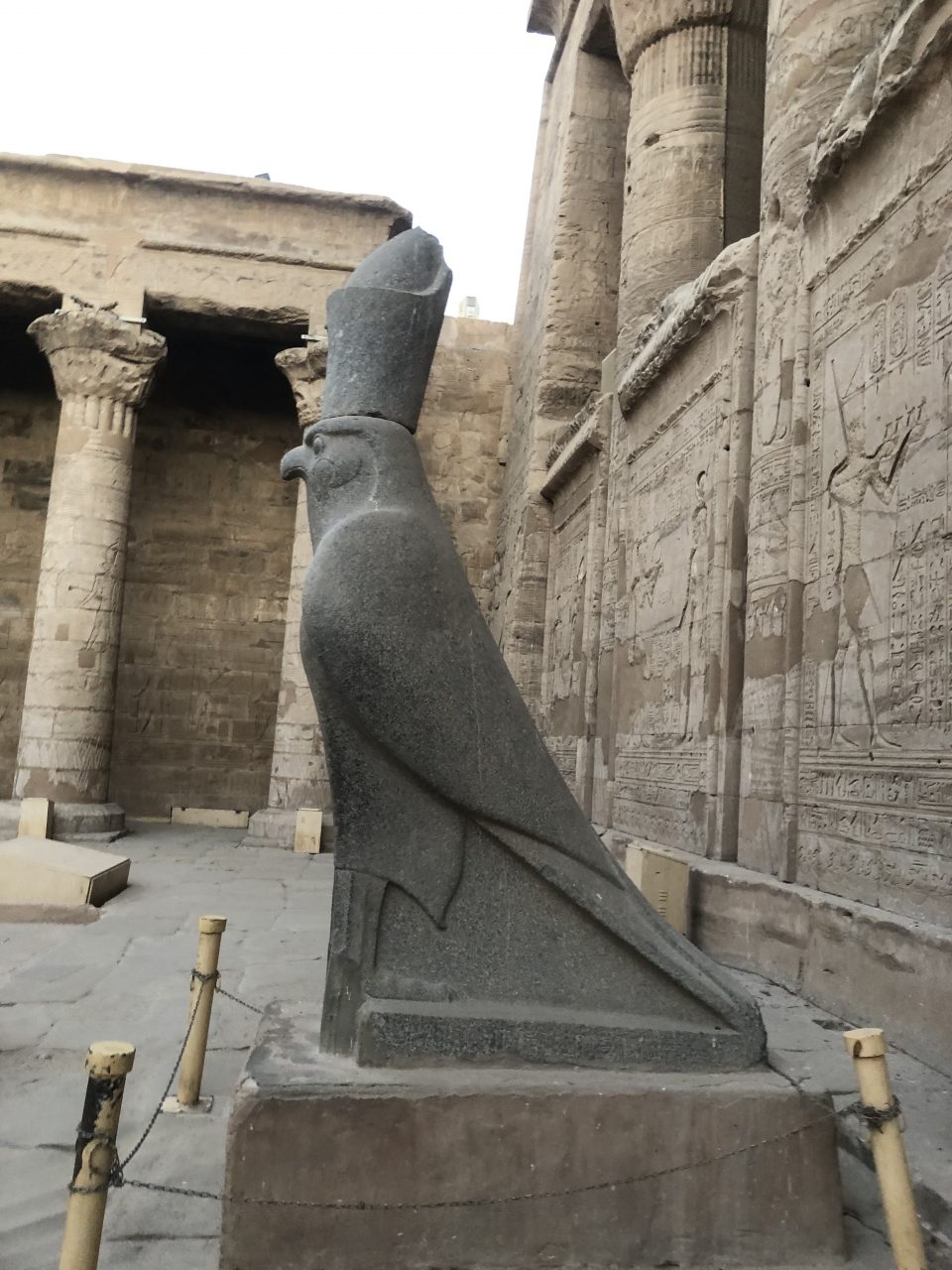
Construction of the temple began in 237 BCE under Ptolemy III Euergetes I and was completed in 57 BCE during the reign of Ptolemy XII Auletes. Dedicated to Horus, the falcon-headed god of the sky and protector of kingship, Edfu served as a major religious centre where rituals and festivals reinforced the cosmic balance between order and chaos.
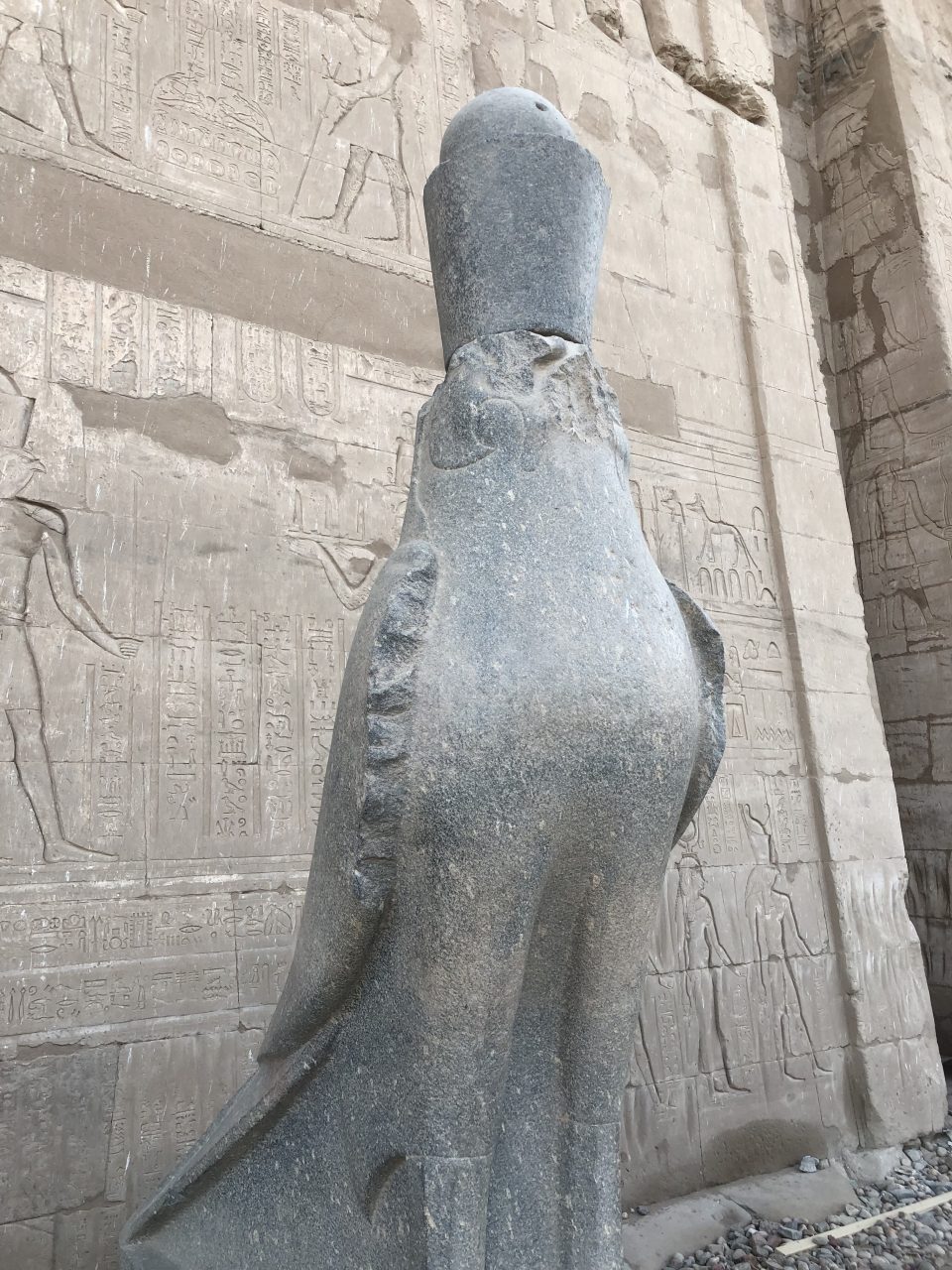
Who is Horus?
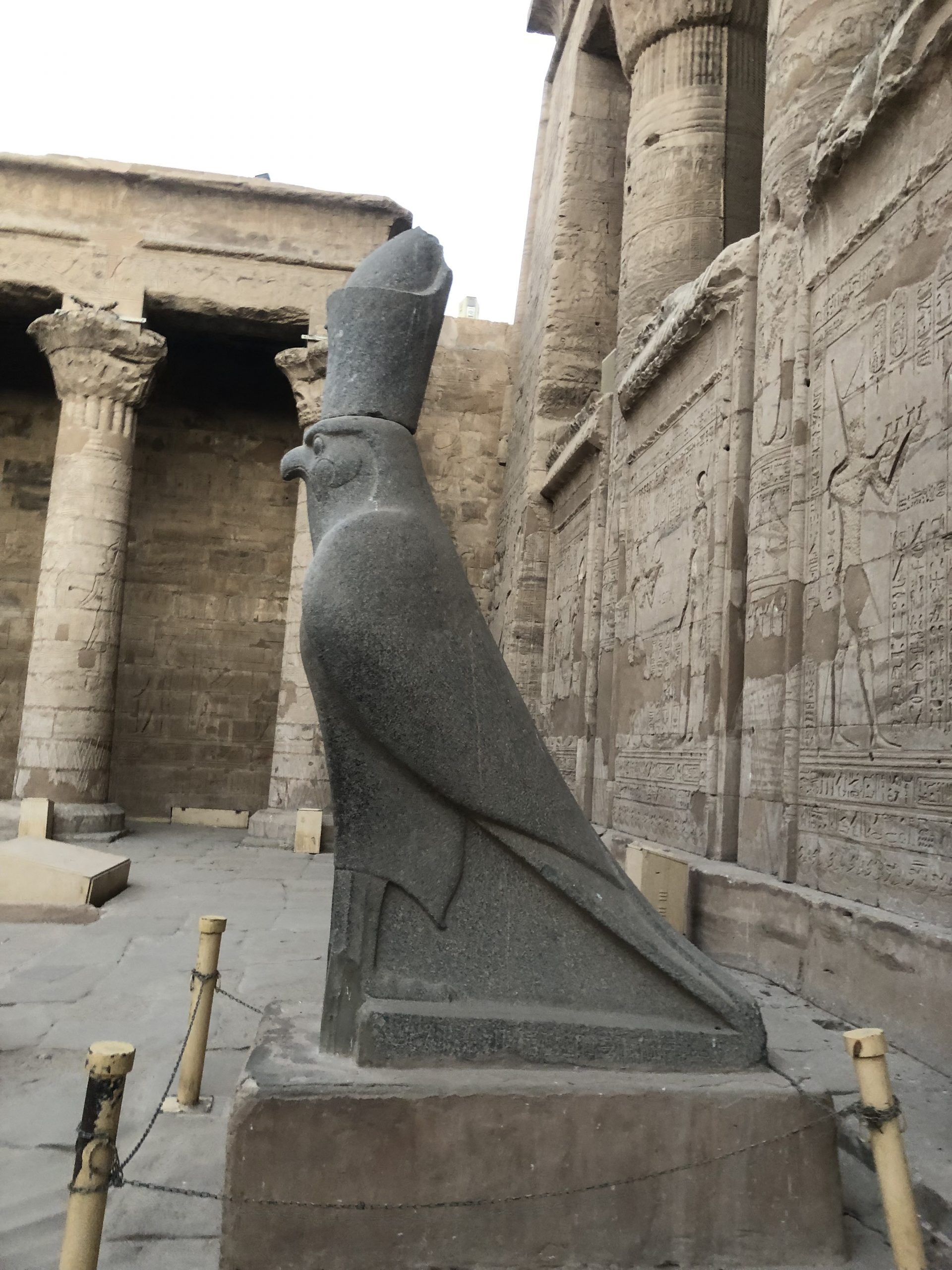
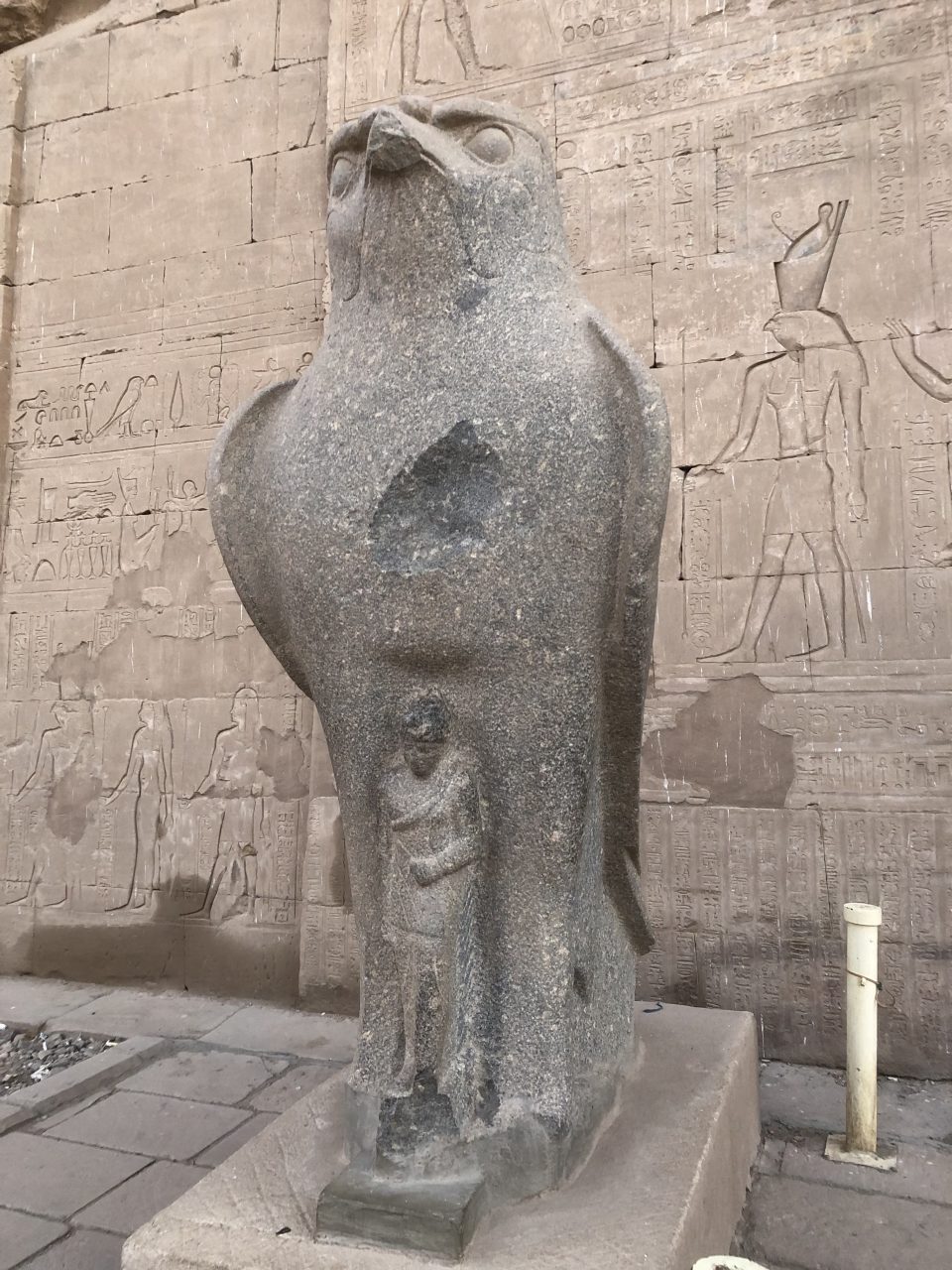
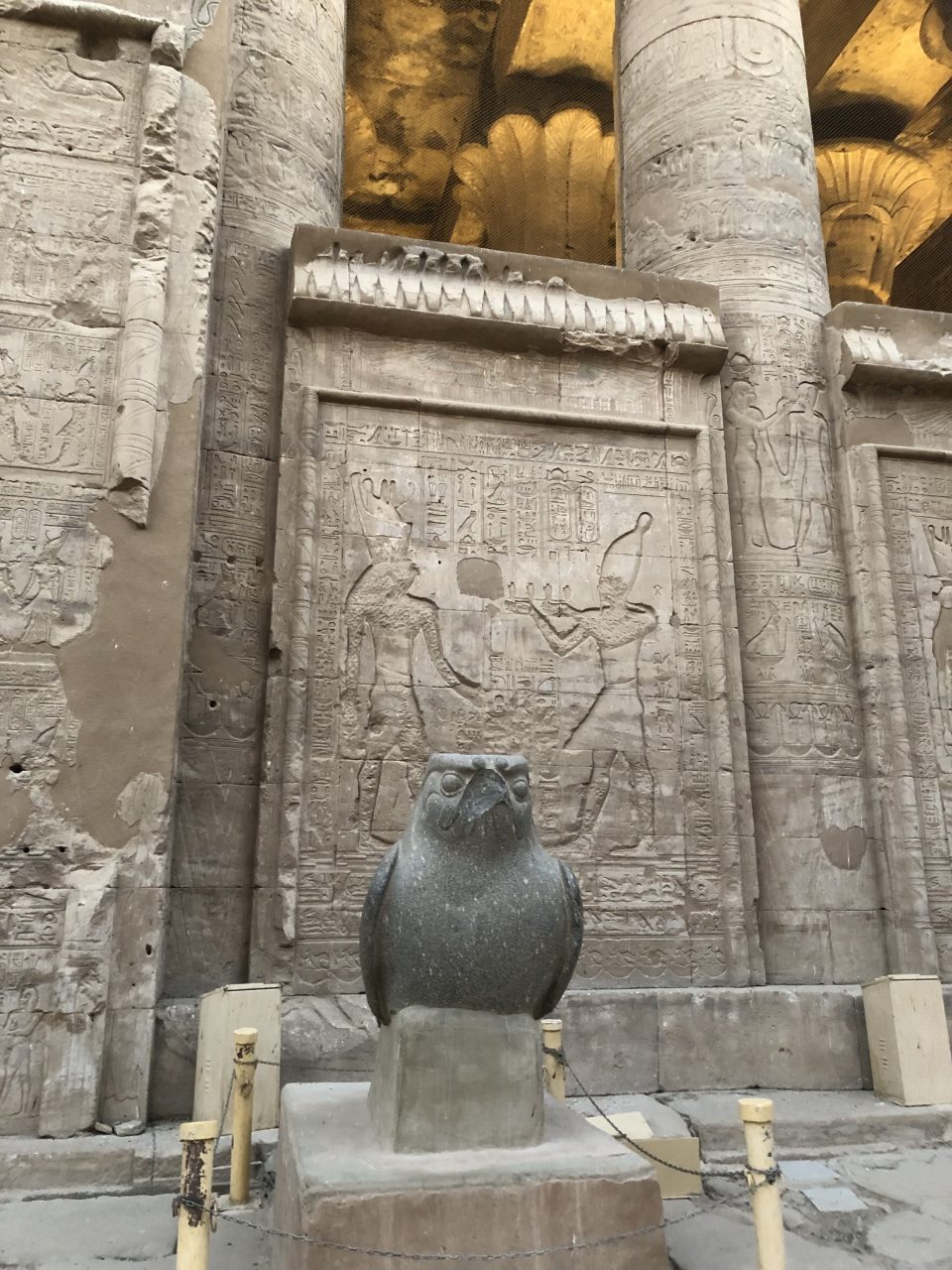
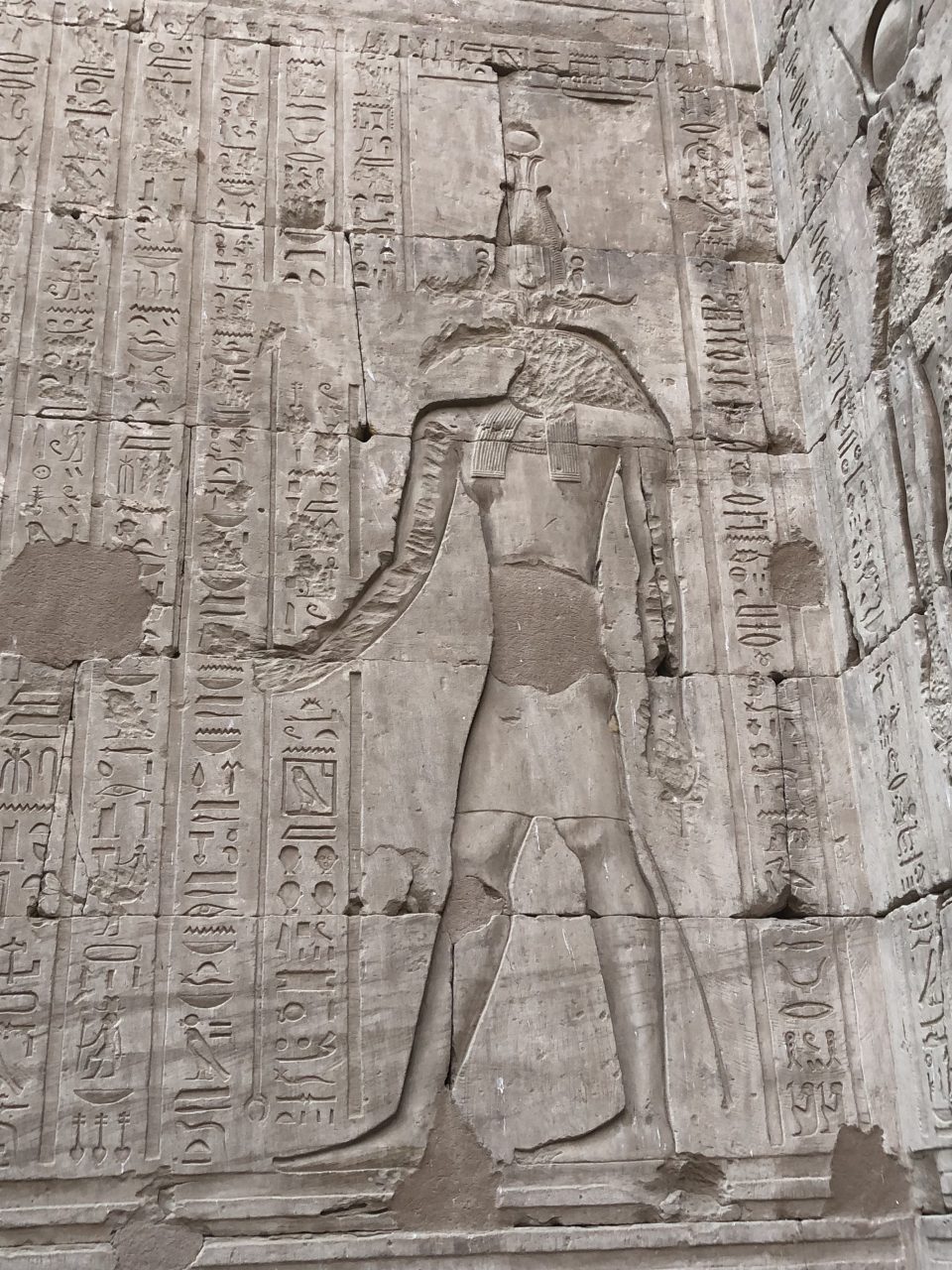
Horus is the falcon-headed god of the sky, kingship, and protection in ancient Egyptian religion. His image is iconic: a majestic falcon or a man with a falcon’s head, crowned with the double crown of Upper and Lower Egypt. This symbolised his role as the divine protector of the pharaoh and the unity of the kingdom.
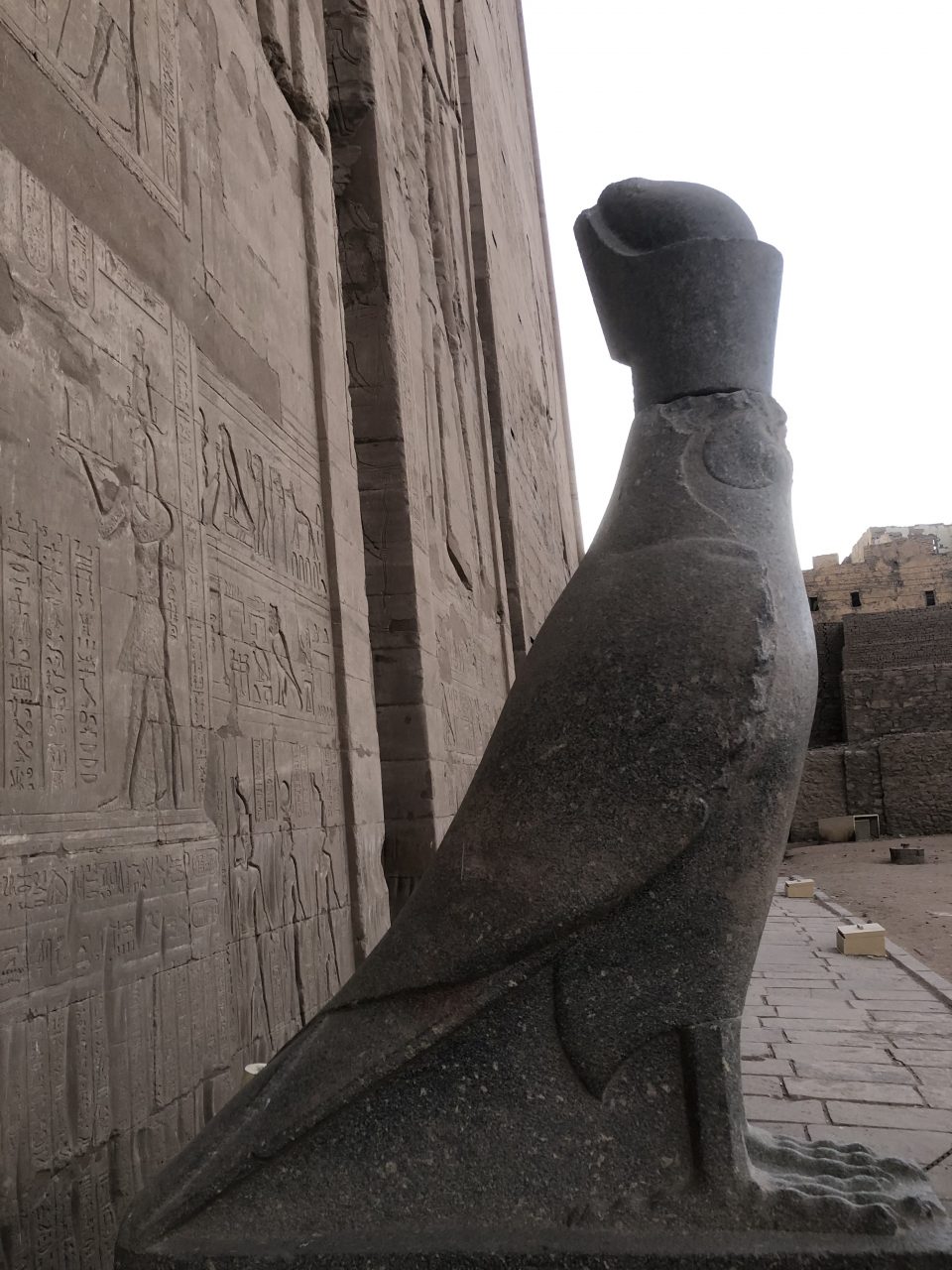
Why a Falcon?
The falcon was chosen because of its association with the sky and its keen vision. Horus was believed to embody the sun and moon, his eyes representing these celestial bodies. As a sky god, he soared above all, watching over Egypt and its rulers.
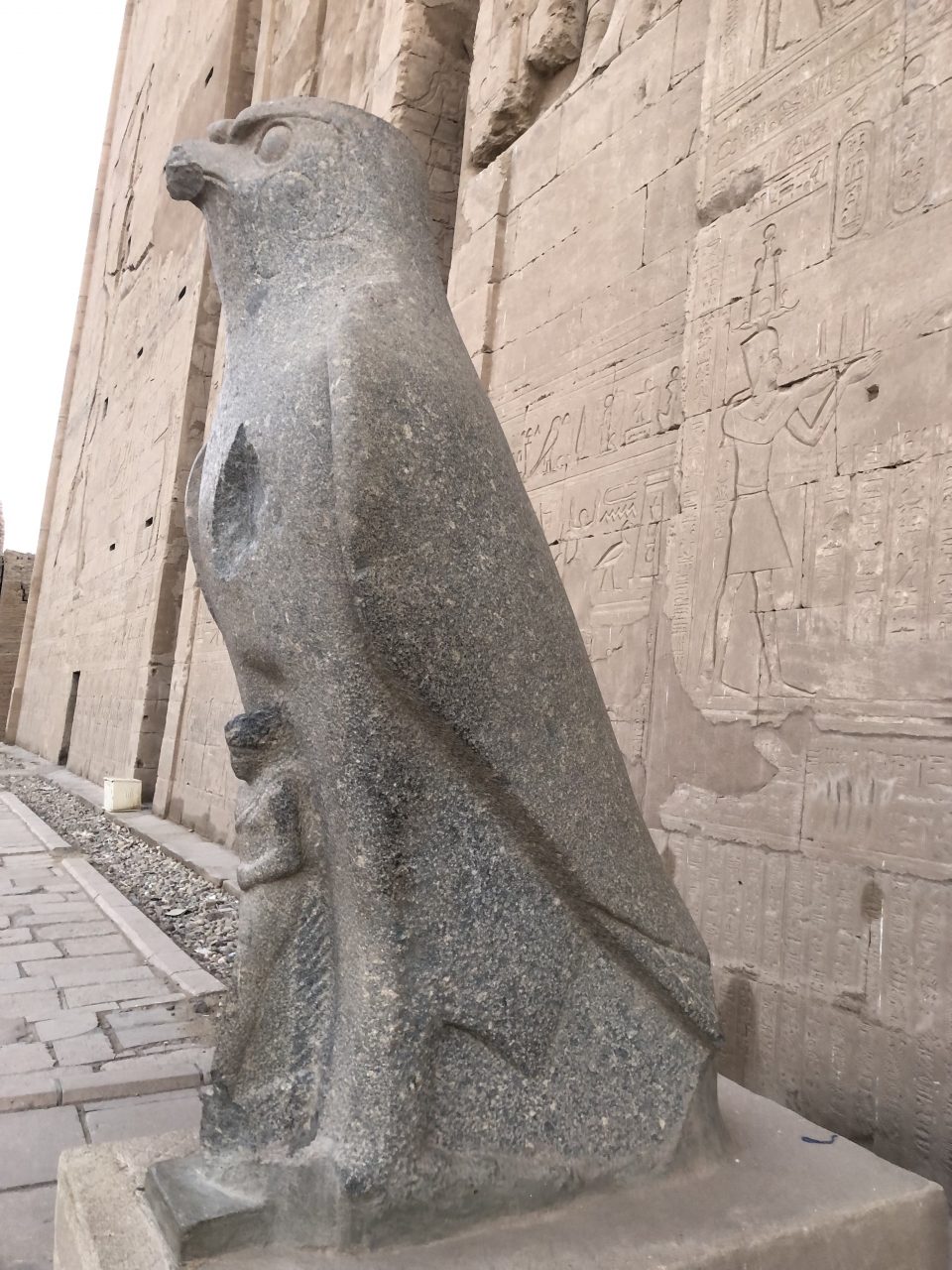
Mythological Role
Horus is central to one of Egypt’s most famous myths—the conflict between Horus and Seth. After Seth murdered Osiris (Horus’s father), Horus fought to avenge him and reclaim the throne of Egypt. This epic struggle represented the eternal battle between order (Ma’at) and chaos, a theme deeply woven into Egyptian culture.
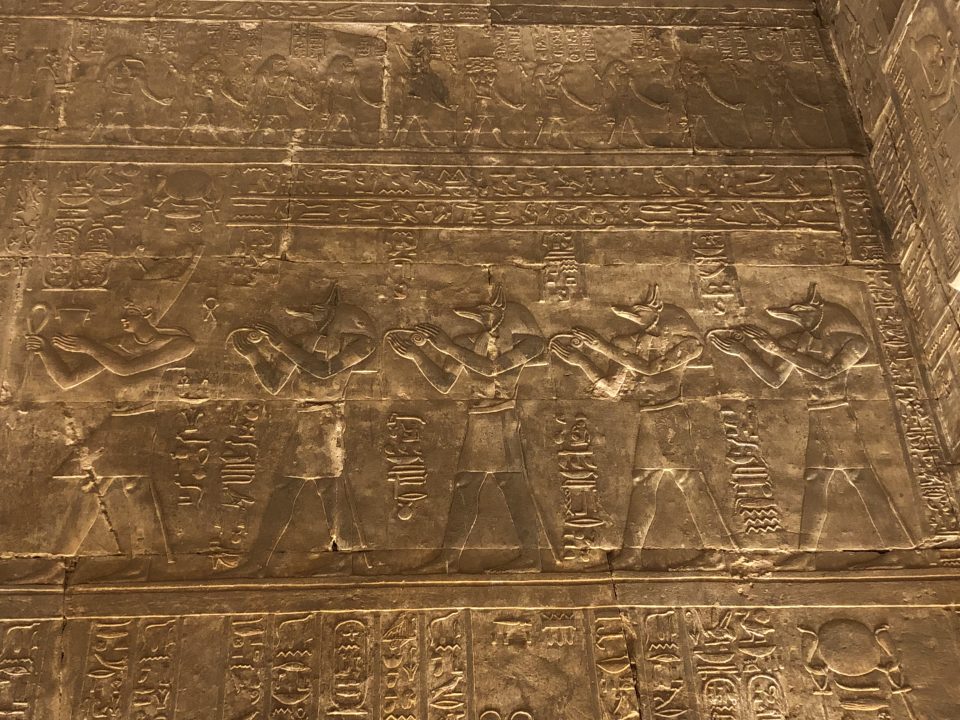
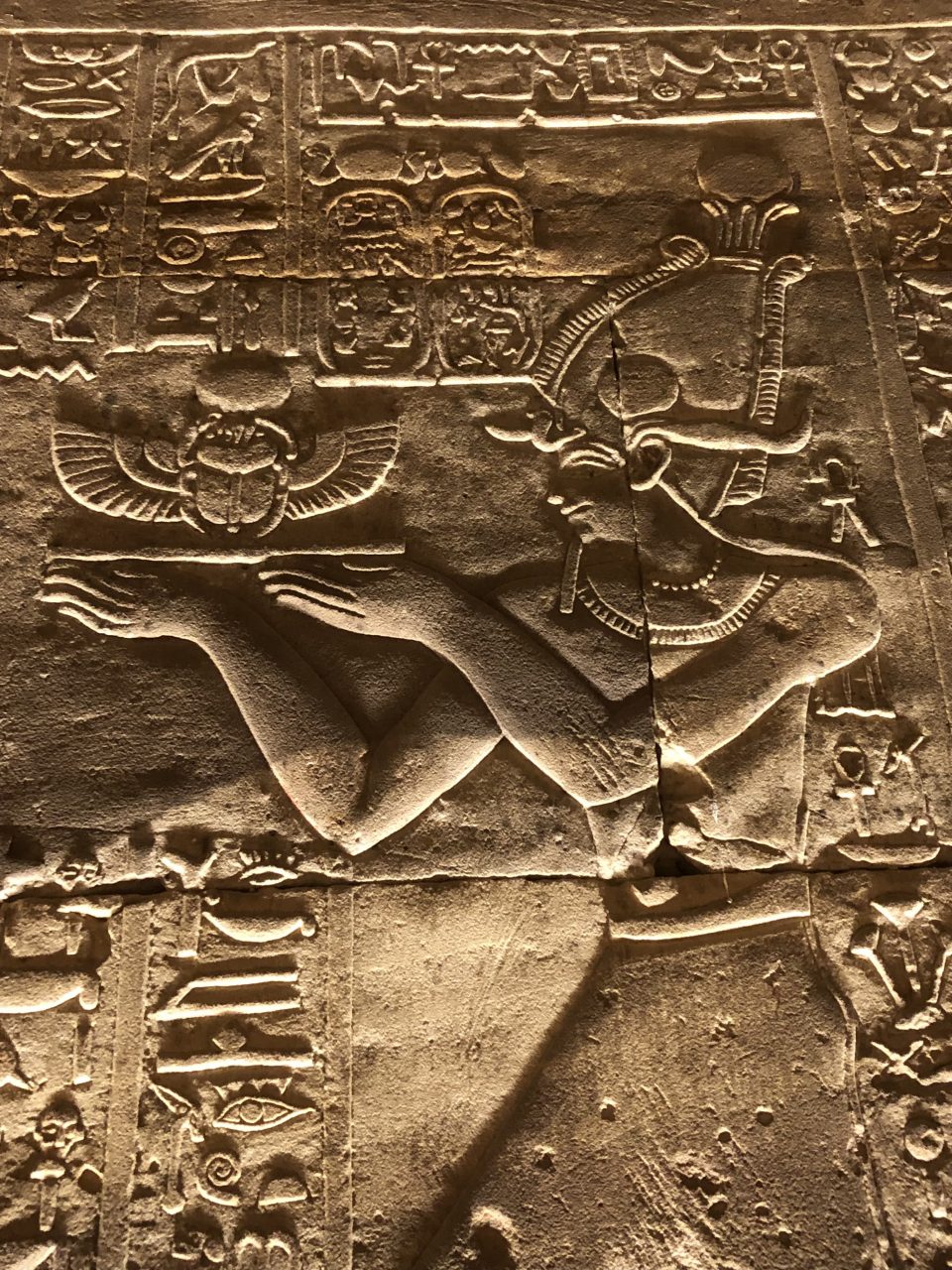
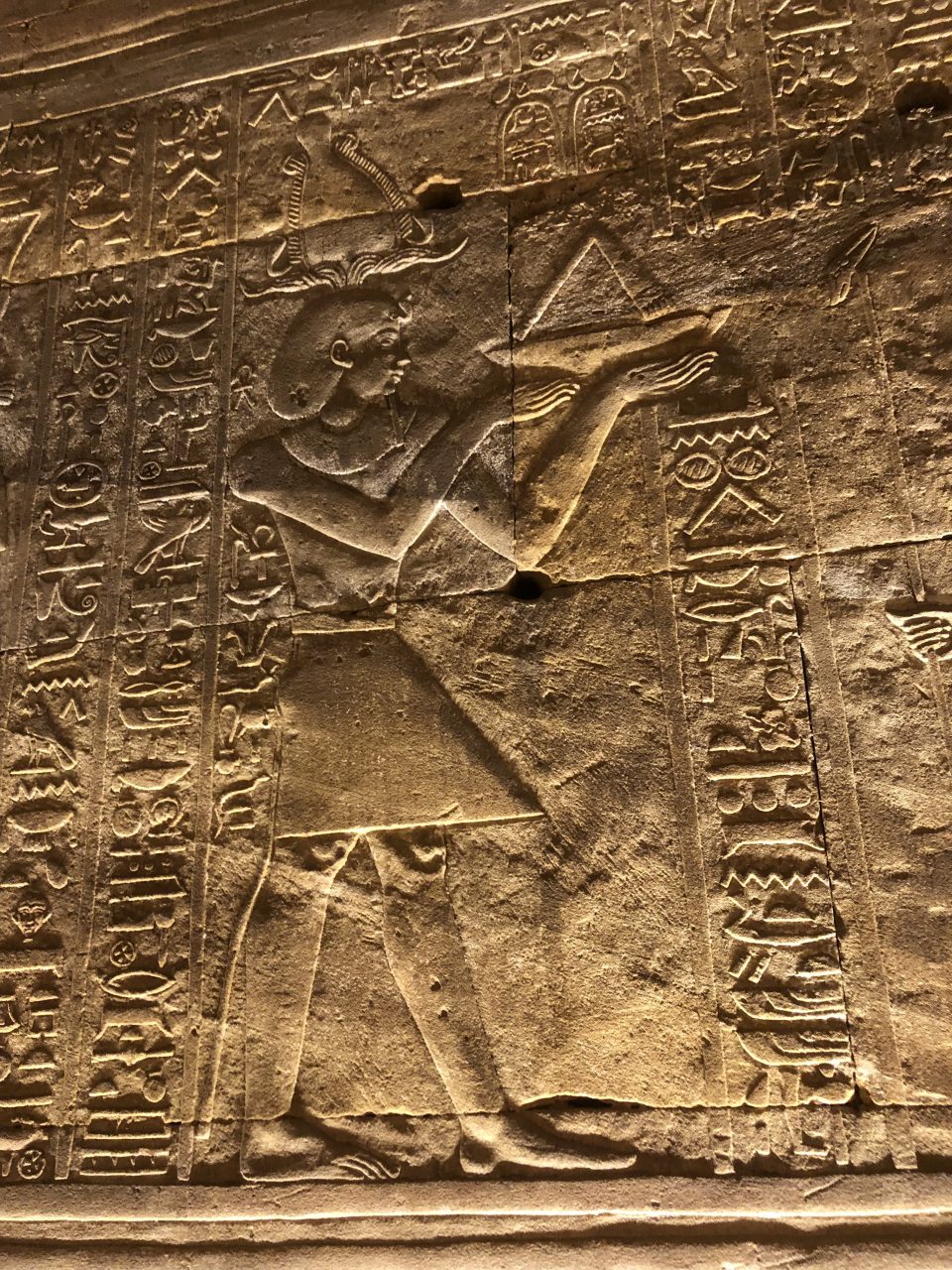
The Reliefs of Edfu Temple: A Stone Chronicle of Myth and Ritual
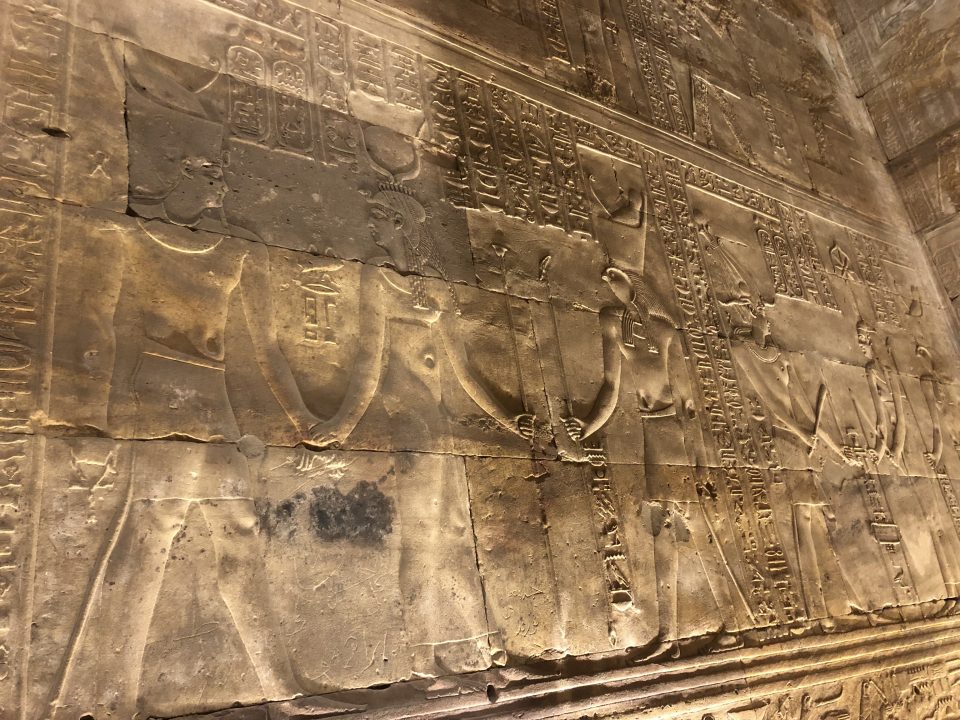
The Temple of Horus at Edfu is not only an architectural masterpiece—it is a vast illustrated manuscript carved into stone. Its walls are covered with reliefs and hieroglyphic inscriptions that preserve the religious beliefs, ceremonial practices, and political ideology of ancient Egypt during the Ptolemaic period.
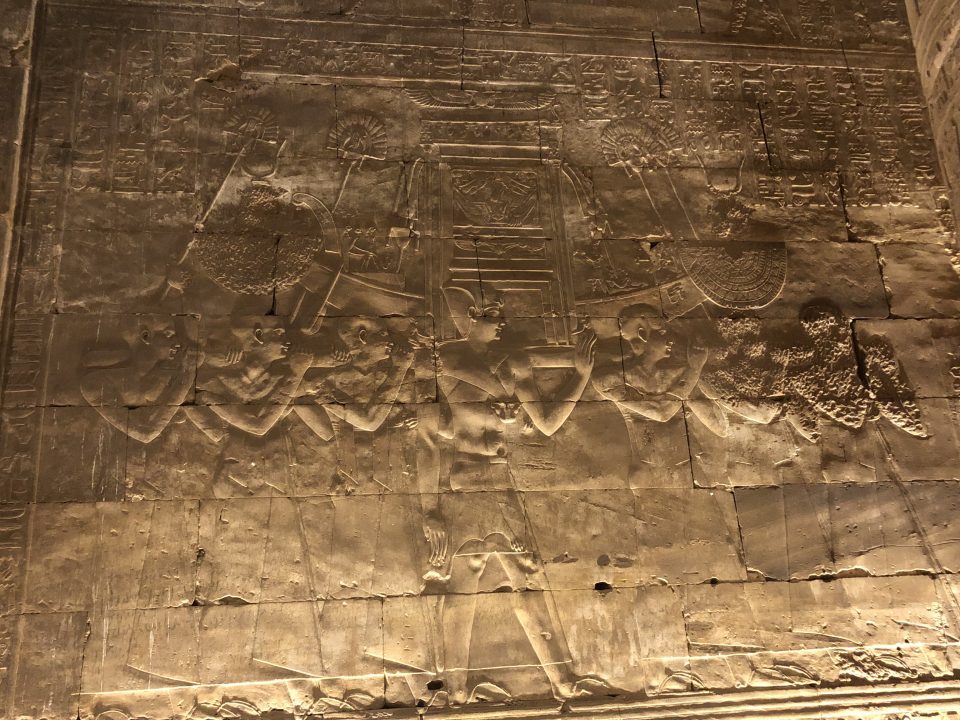
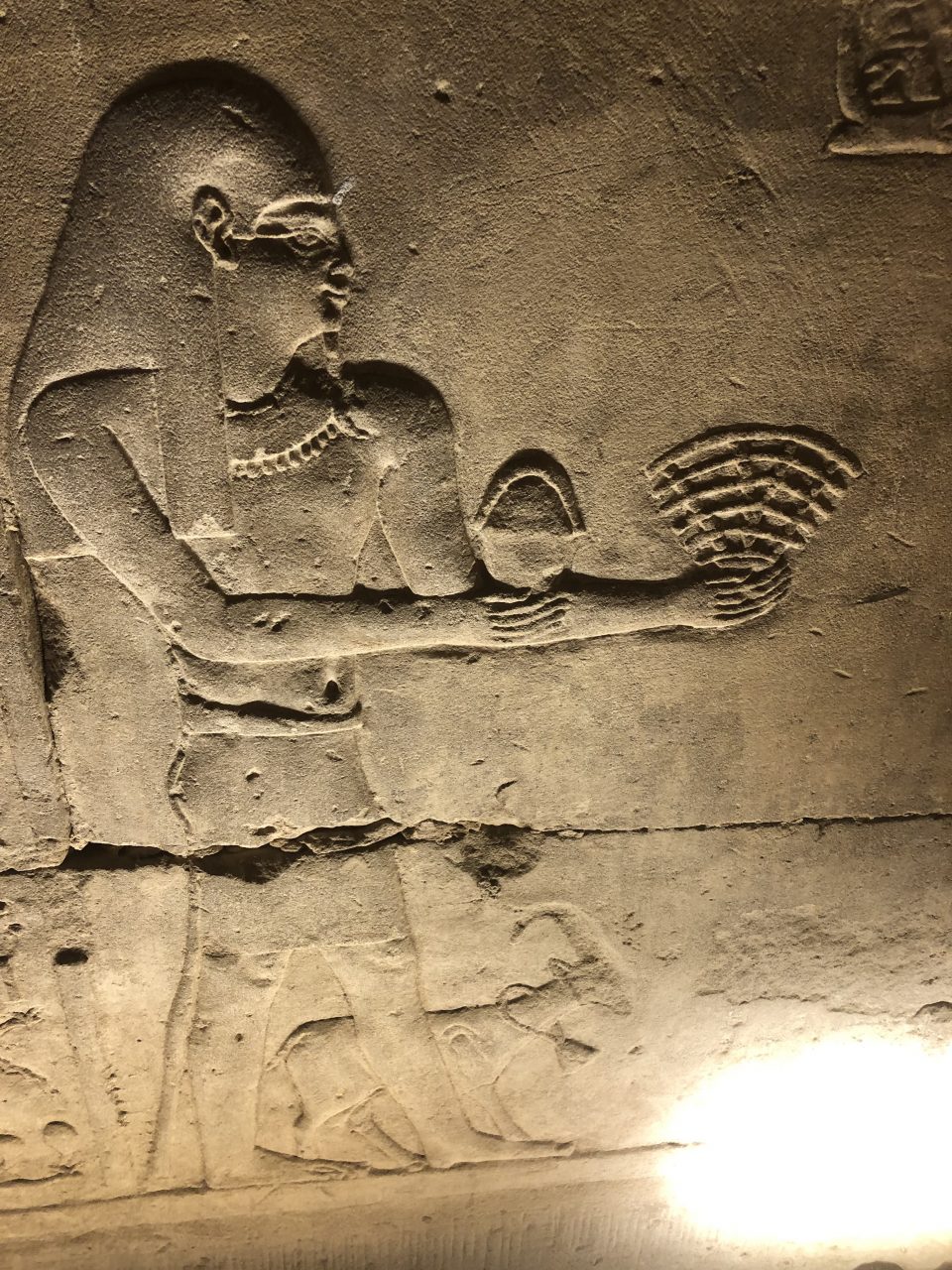
The Pylon Reliefs: Power and Protection
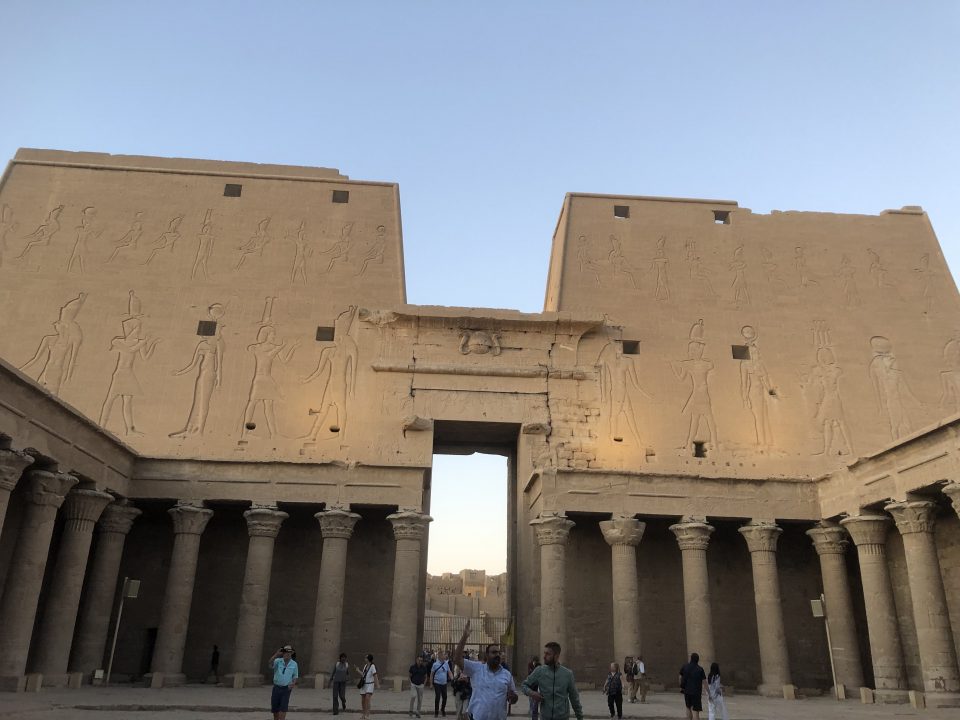
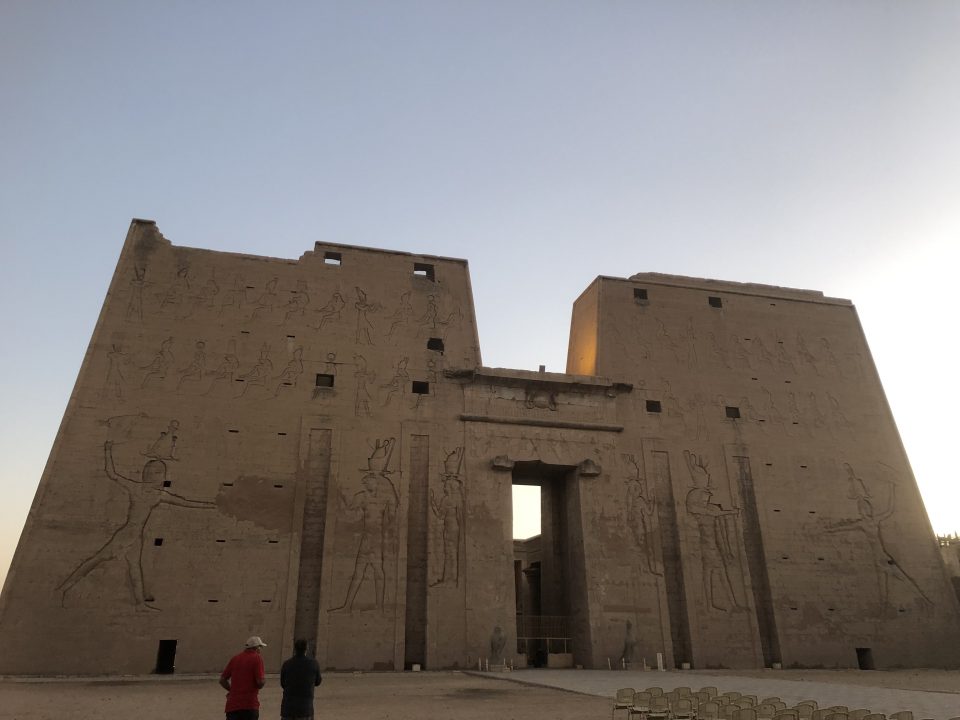
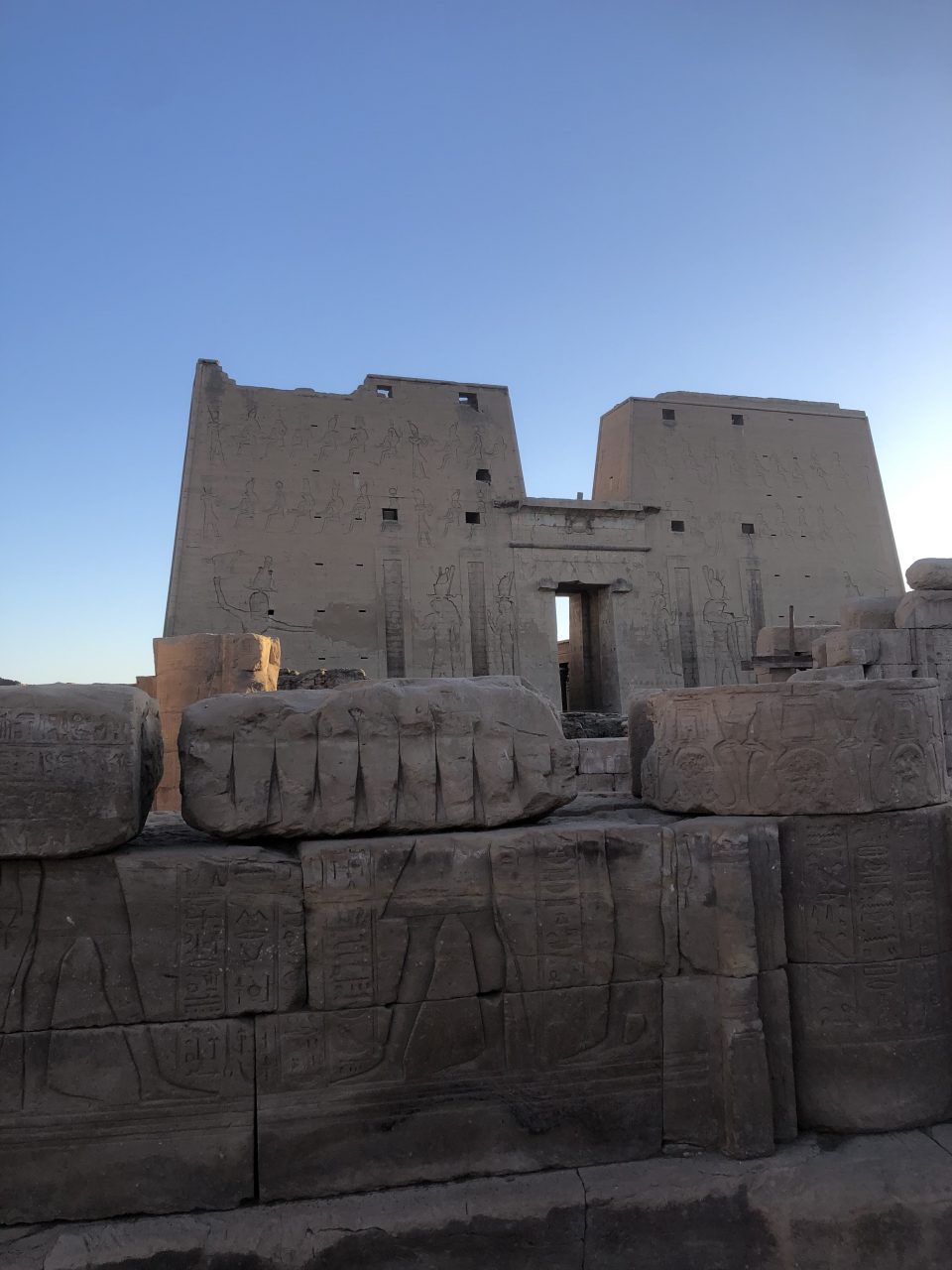
The monumental entrance pylons, soaring nearly 36 metres high, are adorned with dramatic scenes of the pharaoh smiting his enemies. This traditional motif symbolises the triumph of Ma’at (order) over Isfet (chaos), reinforcing the king’s divine authority. Above these scenes, Horus appears as a falcon, watching over the ruler and the land.
The Hypostyle Hall: Rituals in Motion
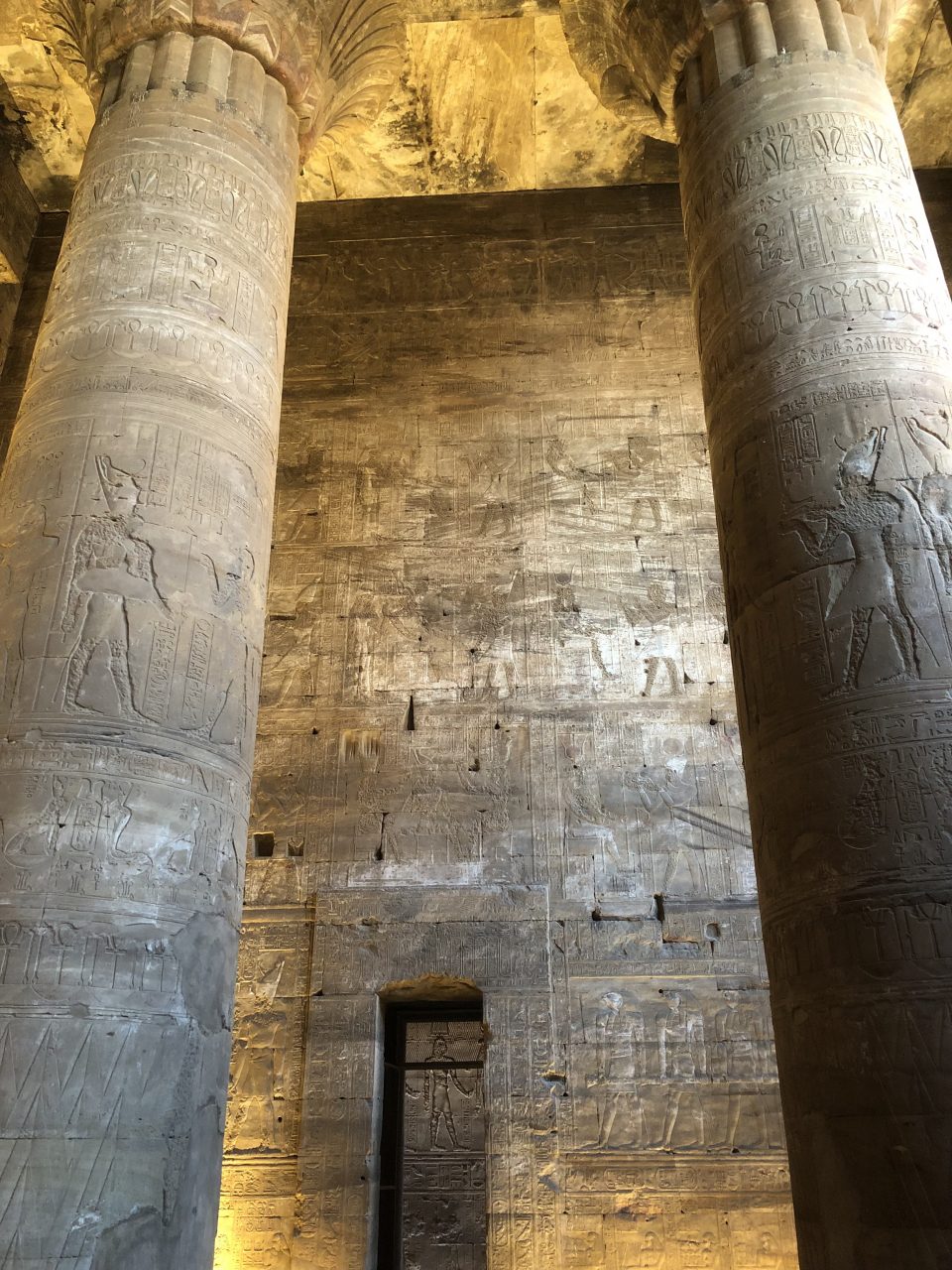
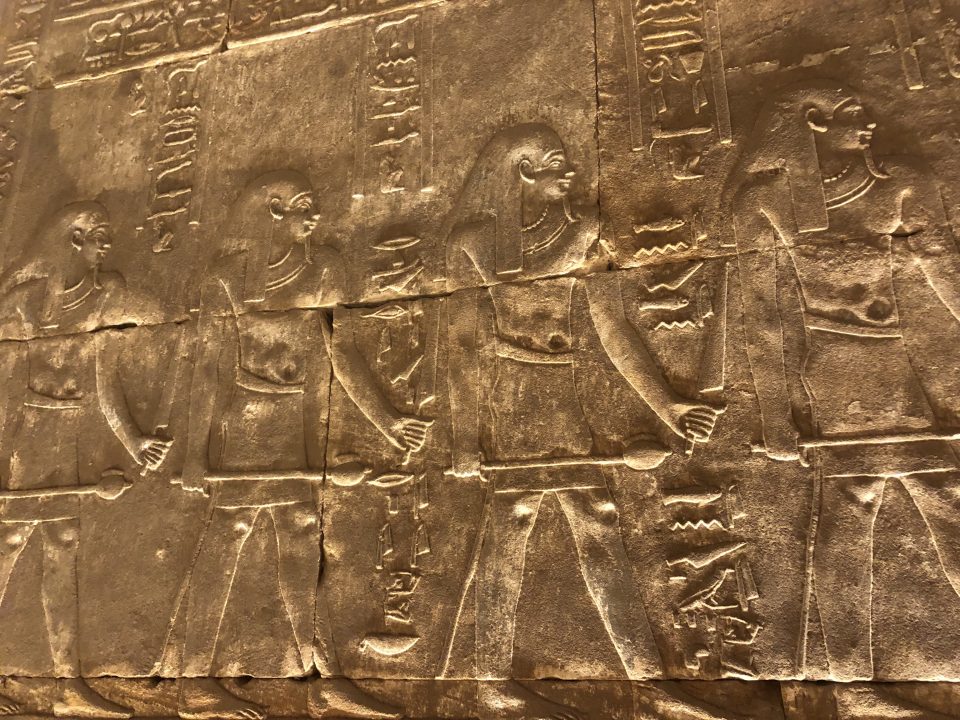
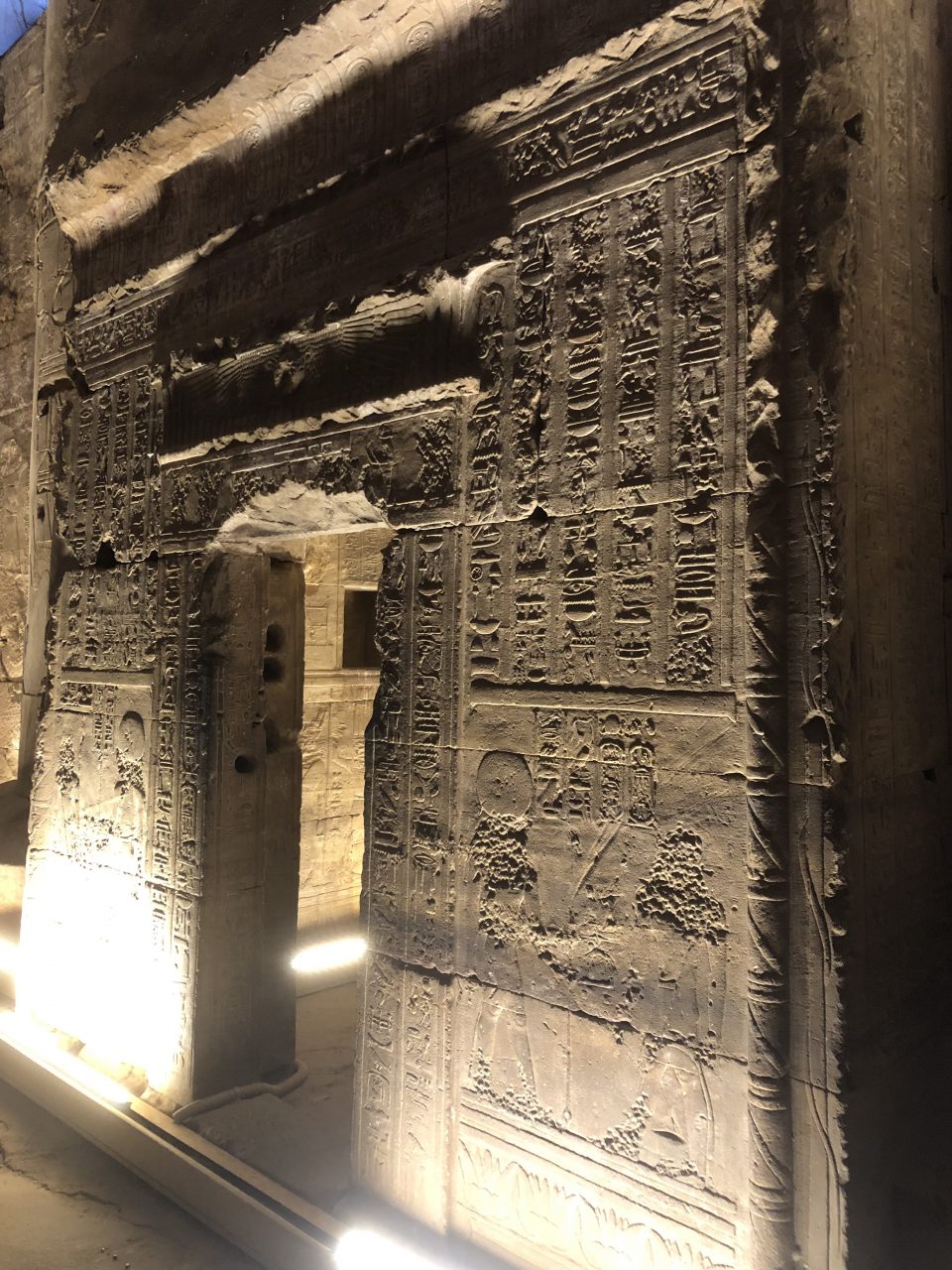
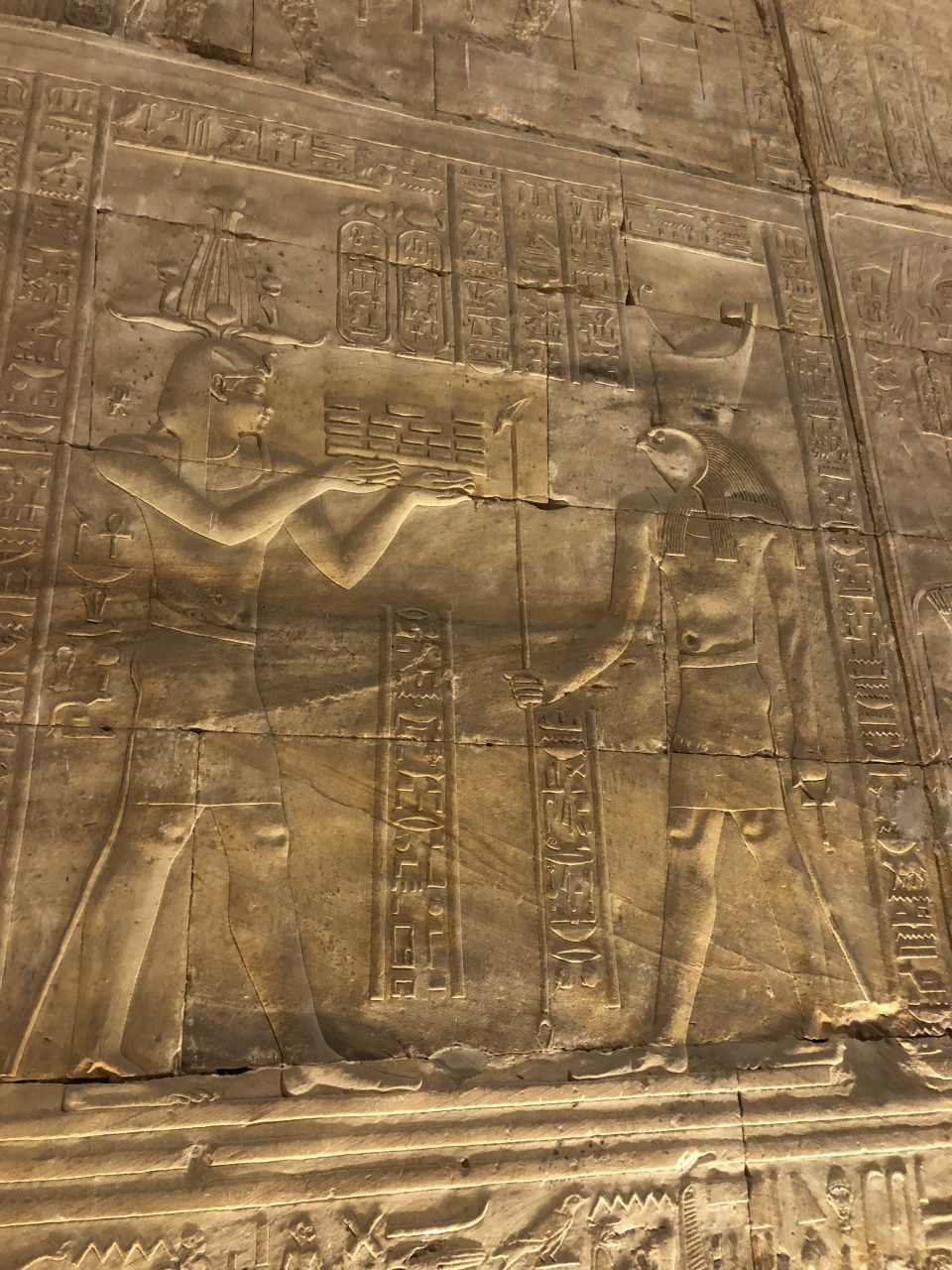
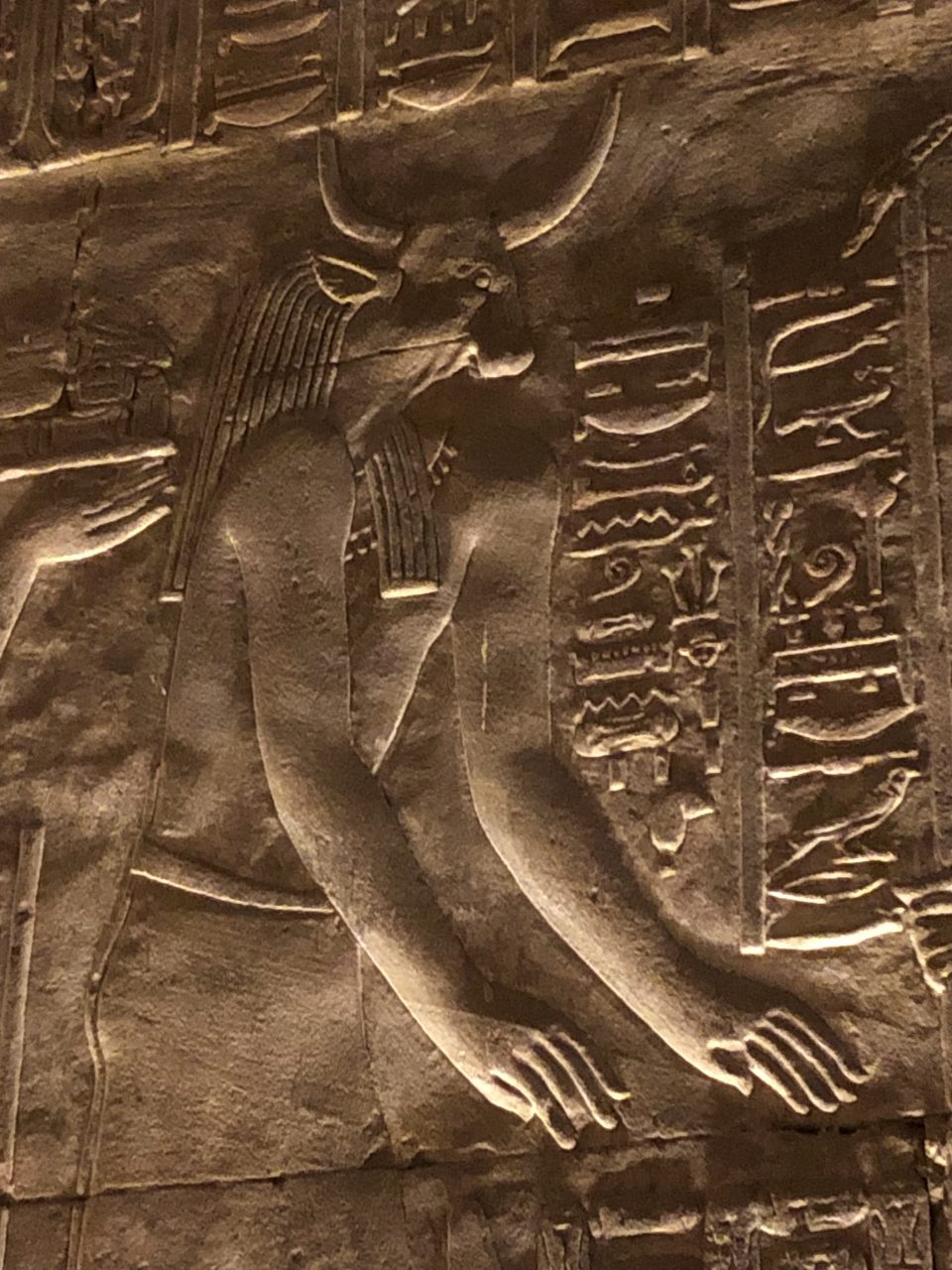
Inside the first hypostyle hall, the walls depict priests performing purification rites and presenting offerings to Horus. These reliefs are highly detailed, showing ceremonial objects such as incense burners, libation vessels, and floral garlands. They illustrate the daily rhythm of temple life and the meticulous rituals that sustained the gods.
The Festival Scenes: The Beautiful Meeting
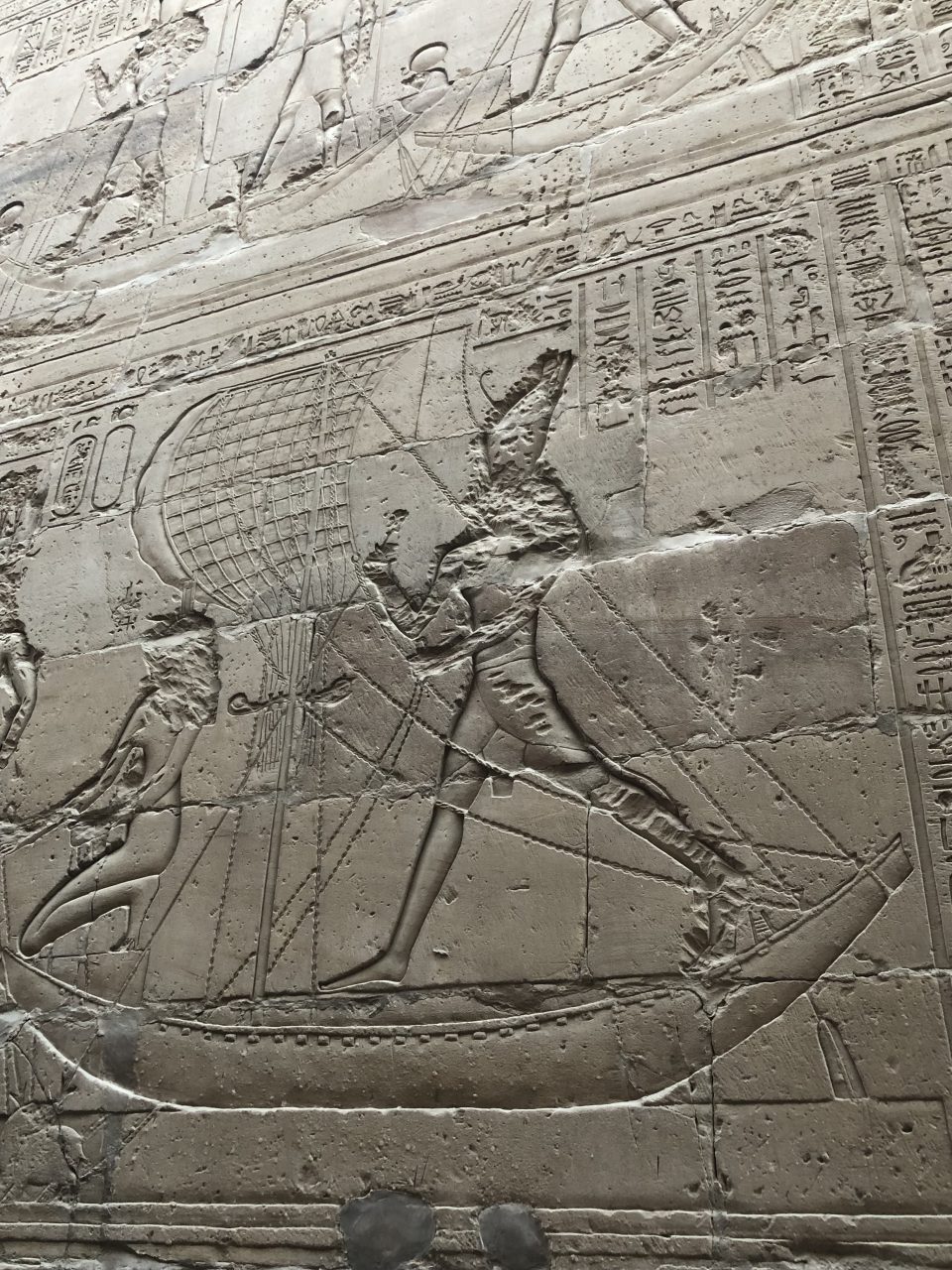
Another remarkable series of reliefs describes the Feast of the Beautiful Meeting, an annual festival where Horus of Edfu journeyed by boat to meet Hathor of Dendera, his divine consort. These scenes depict processions, music, and offerings, giving us a vivid picture of ancient celebrations that united communities and reaffirmed divine order.
The Holy of Holies: The Sacred Heart of Edfu Temple
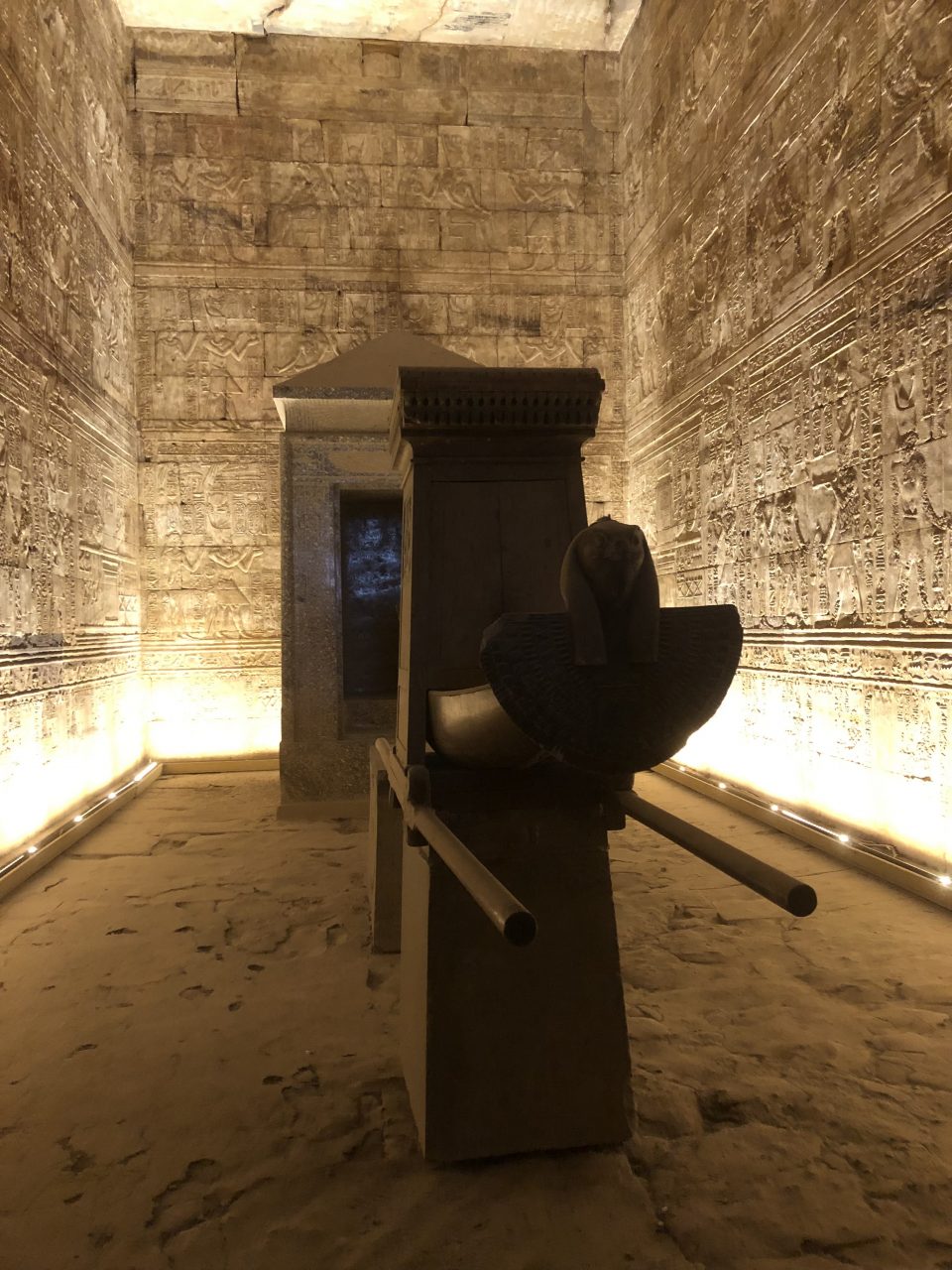
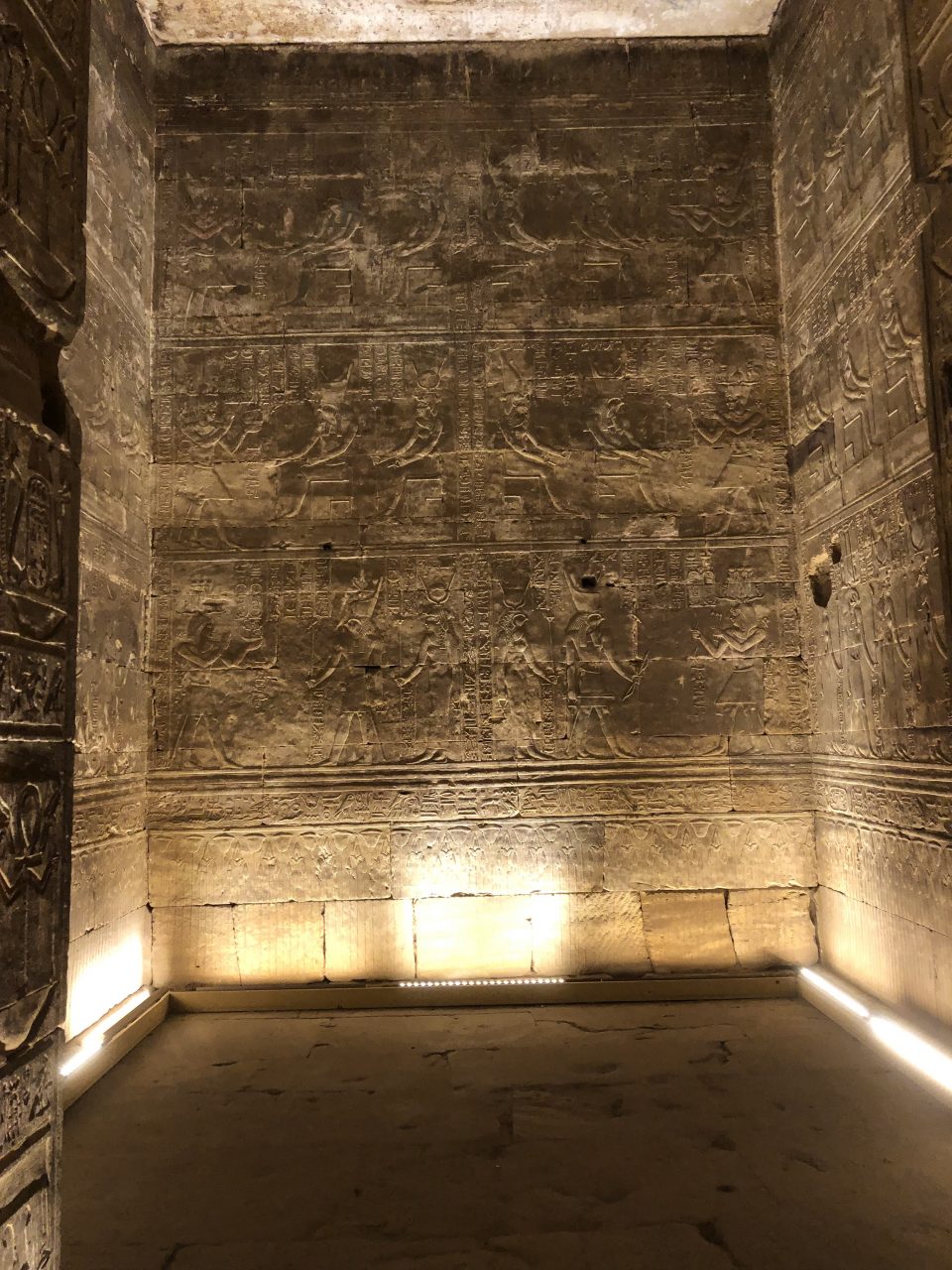
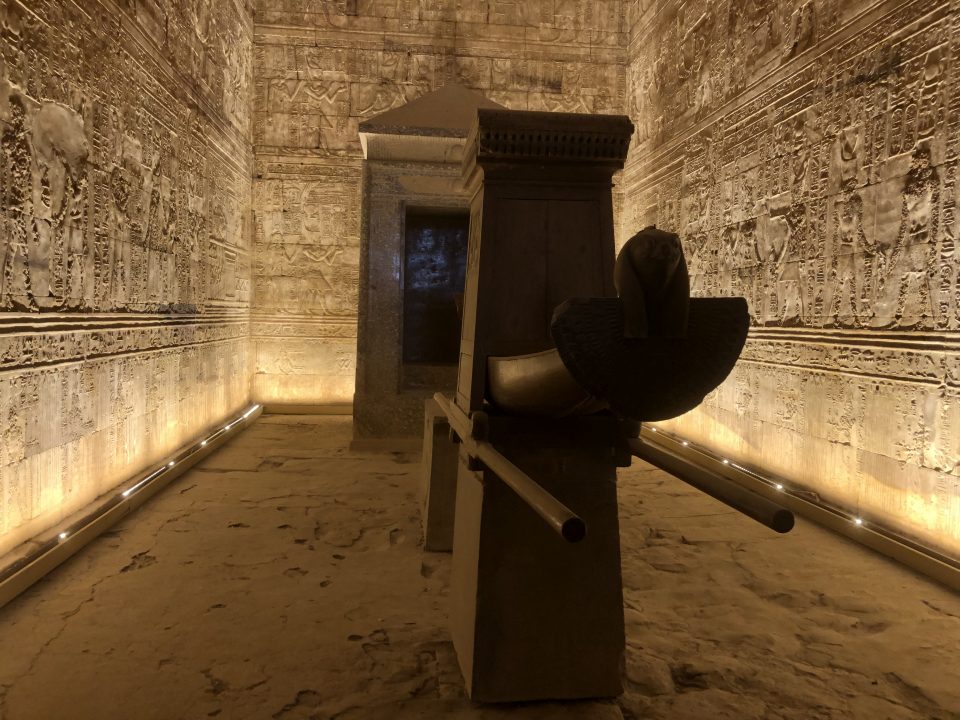
Deep within the Temple of Horus at Edfu lies its most sacred chamber—the Holy of Holies, or the Sanctuary. This inner sanctum was the spiritual centre of the temple, the place where the divine presence of Horus was believed to dwell.
What is the Holy of Holies?
The sanctuary housed the naos, a granite shrine that once contained the cult statue of Horus. This statue was the focal point of worship, and only the high priests and the pharaoh were permitted to enter this space. For ordinary worshippers, the god’s presence was felt through rituals performed in the outer halls.
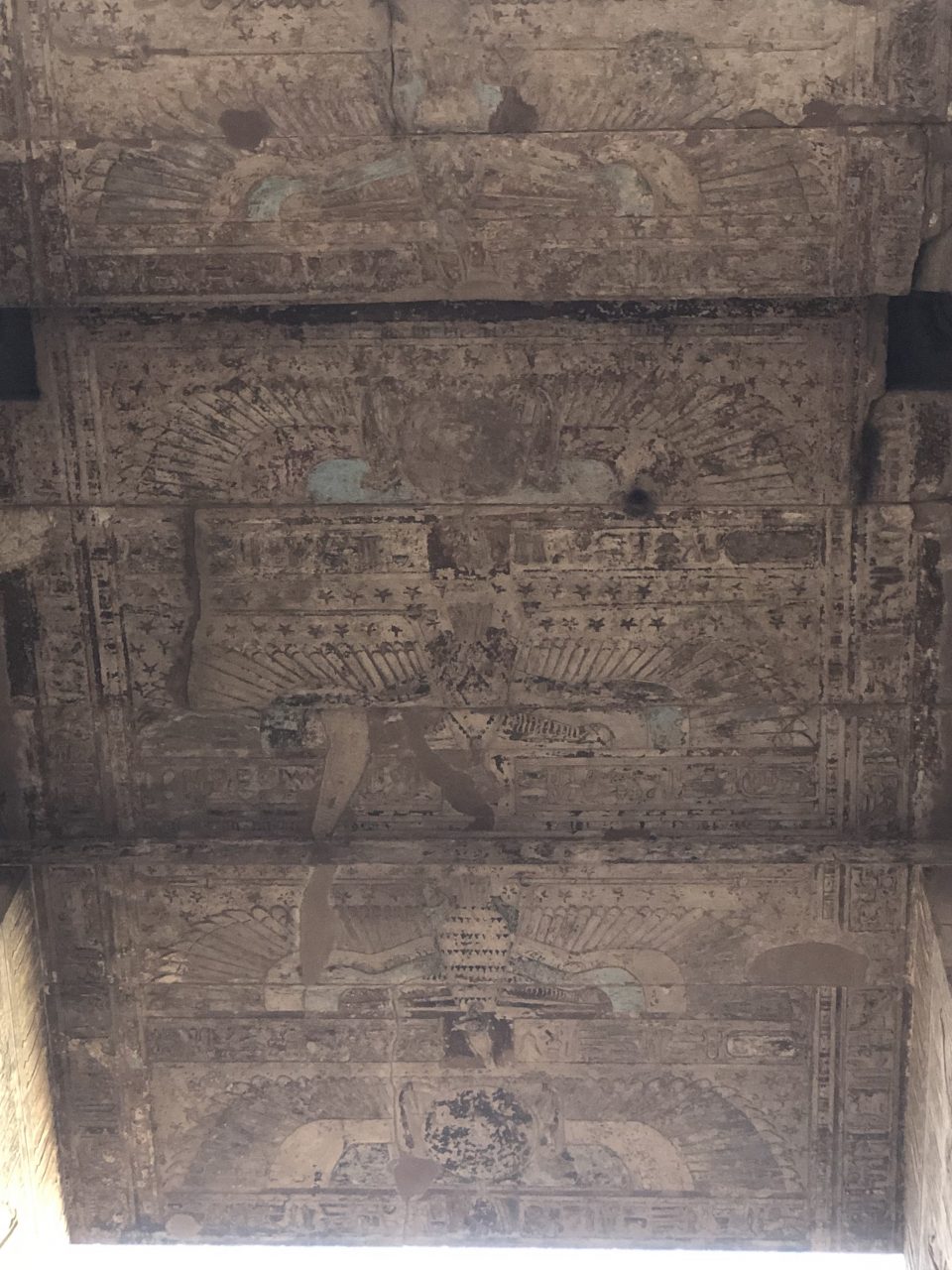
The Ceiling of Edfu Temple: A Sky Carved in Stone
When you step inside the Temple of Horus at Edfu, don’t forget to look up—the ceiling is a masterpiece in its own right, designed to represent the heavens and the eternal cycle of life.
Celestial Imagery: Many sections feature stars, solar discs, and winged sun emblems, representing the sun’s journey and the divine protection of Horus.
Colour and Restoration: Originally, the ceiling was painted in vivid blues and golds to mimic the night sky. Traces of these colours can still be seen today, especially in the inner halls.
Hieroglyphs at Edfu Temple
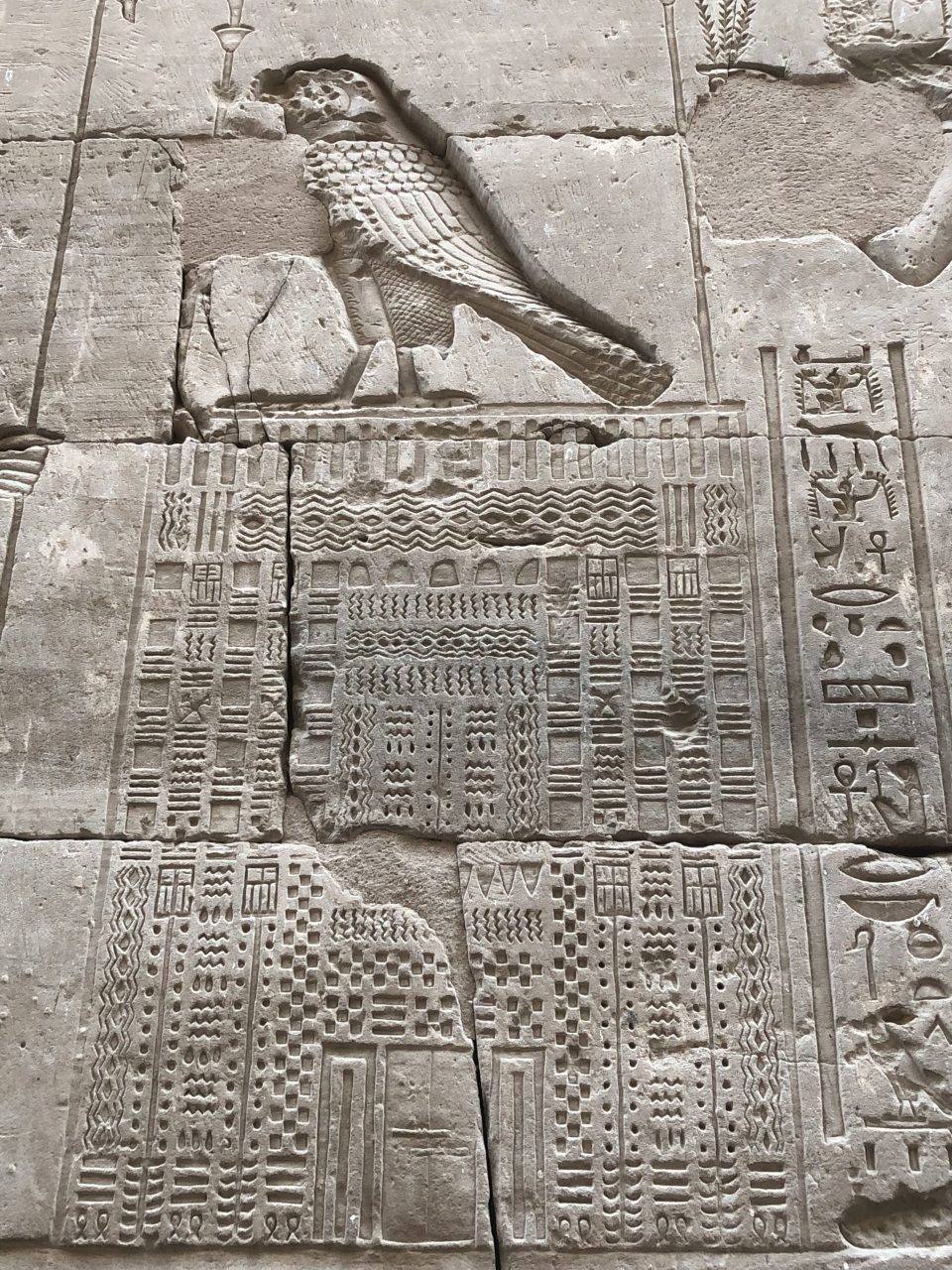
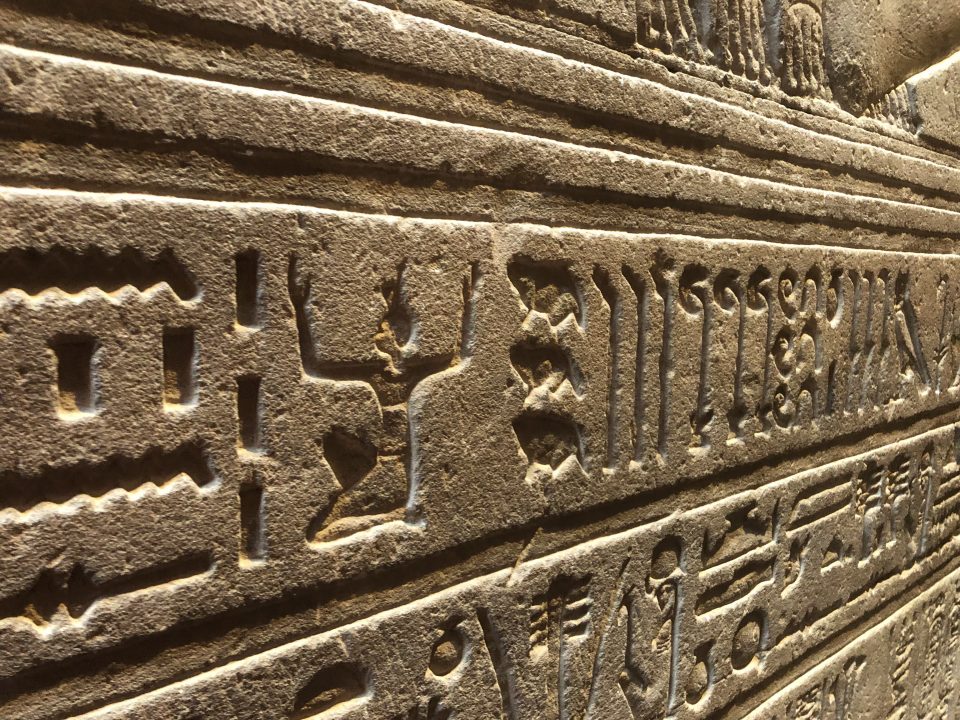
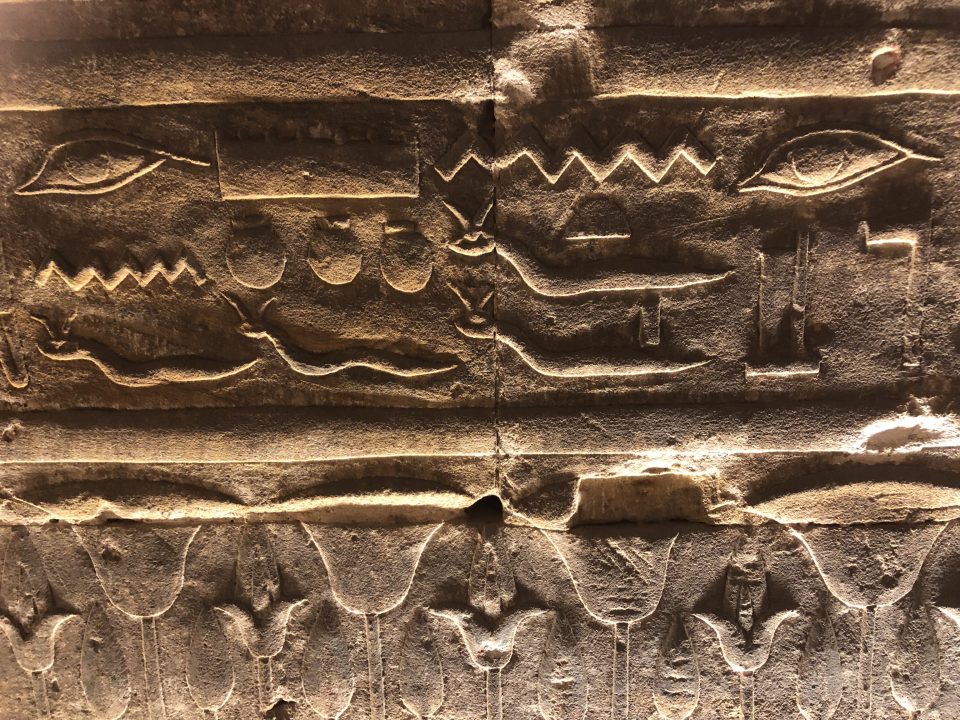
The hieroglyphs at Edfu Temple form one of the most complete and well-preserved collections in Egypt, carved into its walls with extraordinary precision and detail. These inscriptions are far more than decoration—they record myths of Horus and Osiris, instructions for daily rituals, and descriptions of grand festivals such as the Feast of the Beautiful Meeting, when Horus journeyed to unite with Hathor of Dendera. Accompanied by vivid reliefs, the hieroglyphs include royal cartouches of Ptolemaic rulers and sacred symbols like the falcon for Horus and the ankh for life, offering visitors a rare opportunity to read the spiritual and political language of an ancient civilisation.
Visit Edfu Temple
To make the most of your visit, plan to go between October and April when temperatures are cooler, and consider arriving early in the morning to avoid crowds from Nile cruise tours. Hiring a knowledgeable guide is highly recommended to help decode the hieroglyphs and explain the temple’s rich symbolism.
 Users Today : 17
 Users This Month : 586
 Users This Year : 28374
 Total Users : 53675
 Views This Year : 34607
 Total views : 69785
 Who's Online : 0